
Char Dham Yatra 2026 Opening Dates! Check details
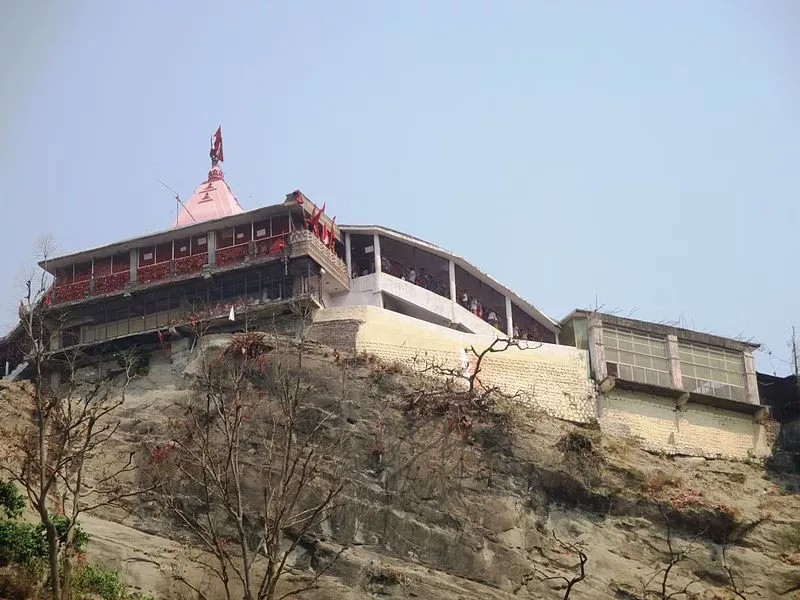
Top Dharamshalas in Kedarnath Yatra

Dharamshalas in Kedarnath

As Kedarnath is one of the four pilgrimage sites in Chardham Yatra, there are many hotels, homestays, and Dharamshalas for pilgrims. Pilgrims who set out on the Chardham Yatra look for safe and comfortable places to stay. Since all four Dhams lie in different locations, travelers need to arrange stays at multiple points on the route.

In one of our earlier blogs, we shared details of the best Dharamshalas across Chardham. Here, we highlight the top Dharamshalas in Kedarnath where pilgrims can find clean and budget-friendly accommodation close to the temple.

Best Dharamshalas in Kedarnath

We have listed some of the most reliable Dharamshalas in Kedarnath Yatra. These options provide neat and pleasant stays with basic facilities at affordable rates. Their location near Kedarnath Temple makes them convenient for devotees.

Pawan Dham, Haridwar

  • Name: Pawan Dham
  • Location: Sapt Sarovar Road, Haridwar, Uttarakhand
  • Details: A reputed Dharamshala run as a social welfare initiative. Offers clean, furnished rooms with basic amenities and services like food, room service, and power backup. Safe and homely environment.

Sadhana Mandir Ashram, Rishikesh

  • Name: Sadhana Mandir Ashram
  • Location: Virbhadra Road, Ramnagar, Rishikesh, Uttarakhand
  • Details: Founded in 1966, located on the banks of the Ganga. Offers single, double, and dormitory rooms. Also provides yoga, meditation, and self-transformation programs.

Srinagar Rest House by Badrinath

  • Name: Srinagar Rest House by Badrinath
  • Location: BKTC Rest House, Dalmiya, Badrinath Road, Srinagar, Uttarakhand
  • Details: Managed by the Badrinath-Kedarnath Committee. Clean rooms with double beds, heaters, blankets, and attached bathrooms. Offers parking, food, and power backup.

Kali Kamliwali Dharamshala, Rudraprayag

  • Name: Kali Kamliwali Dharamshala
  • Location: Sangam Bazar, Kedarnath Road, Rudraprayag, Uttarakhand
  • Details: Offers spacious double rooms with essential facilities. Services include food, parking, water supply, and power backup.

Bharat Sevashram Sangha, Ukhimath

  • Name: Bharat Sevashram Sangha
  • Location: Chopta Mandal Gopeshwar Road, Ukhimath, Uttarakhand
  • Details: Affordable deluxe rooms with attached bathrooms. Facilities include CCTV, hot water, parking, and food service.

Anoop Yatri Niwas, Phata

  • Name: Anoop Yatri Niwas
  • Location: Near Phata Helipad, Kedarnath Road, Rudraprayag, Uttarakhand
  • Details: Offers non-AC double, triple, and four-bed rooms with attached bathrooms, heaters, parking, CCTV, and food service.

Bharat Sevashram Sangha, Gaurikund

  • Name: Bharat Sevashram Sangha
  • Location: Chopta Mandal Gopeshwar Road, Ukhimath, Uttarakhand
  • Details: Affordable rooms with attached bathrooms, meals, hot water, CCTV, and luggage storage. Close to Kedarnath Temple.

Gayatri Sadan, Kedarnath

  • Name: Gayatri Sadan
  • Location: Near Kedarnath Temple, Kedarnath, Uttarakhand
  • Details: Just 100 meters from the temple. Offers three- and four-bed rooms with heaters, blankets, wardrobes, and attached bathrooms. Includes food, luggage storage, CCTV, and room service.

Behl Ashram, Kedarnath

  • Name: Behl Ashram
  • Location: 225 Near Kedarnath Temple, Uttarakhand
  • Details: Suitable for short and long stays. Offers double to six-bed rooms with hot water, concierge support, and room service. Scenic views of snow-covered peaks.

Punjab Sindh Awas, Kedarnath

  • Name: Punjab Sindh Awas
  • Location: Main Market, Near Post Office, Kedarnath, Uttarakhand
  • Details: Well-kept deluxe rooms with laundry, children’s activities, parking, and power backup. Family-friendly and comfortable.

All these Dharamshalas rank among the best in Kedarnath Yatra. Whether you need a short stay, a family-friendly option, or budget lodging near the temple, this list will guide you toward the right choice during the Chardham Yatra.

केदारनाथ यात्रा: हेलिकॉप्टर से जाना हुआ महंगा, किराए में 49% बढ़ोतरी

Kedarnath Temple

केदारनाथ धाम जाने वाले श्रद्धालुओं को अब हेलिकॉप्टर यात्रा के लिए ज्यादा खर्च करना होगा। उत्तराखंड नागरिक उड्डयन विकास प्राधिकरण (UCADA) ने हेलीकॉप्टर किराए में 49 प्रतिशत की बढ़ोतरी की है। नई दरें 15 सितंबर से लागू होंगी।


केदारनाथ धाम की हेली यात्रा हुई महंगी

इस बार केदारनाथ धाम की हेली यात्रा करने वाले श्रद्धालुओं को जेब ढीली करनी पड़ेगी। उत्तराखंड नागरिक उड्डयन विकास प्राधिकरण (UCADA) ने हेलीकॉप्टर किराए में 49% की बढ़ोतरी कर दी है। नई दरें 15 सितंबर से लागू होंगी, बशर्ते नागरिक उड्डयन महानिदेशालय (DGCA) अंतिम मंजूरी दे। मंजूरी मिलते ही आईआरसीटीसी (IRCTC) की वेबसाइट पर 10 सितंबर से ऑनलाइन टिकट बुकिंग शुरू हो जाएगी। सीजन की पहली हेली सेवा भी 15 सितंबर से शुरू होने की संभावना है।

अब कितना होगा किराया?

नई दरों के अनुसार गुप्तकाशी से केदारनाथ आने-जाने का किराया ₹12,444 तय हुआ है। फाटा से ₹8,842 और सिरसी से ₹8,839 किराया देना होगा। पहले गुप्तकाशी से करीब ₹8,500 और फाटा व सिरसी से लगभग ₹6,500 में टिकट मिलते थे। यानी अब यात्रियों को 4 से 5 हजार रुपये तक ज्यादा खर्च करने होंगे।

Kedarnath Heli Ticket Update Fare

हेली सेवाओं में नए सुधार

यूसीएडीए (UCADA) के सीईओ आशीष चौहान ने बताया कि यात्रियों की सुरक्षा को देखते हुए इस बार हेलीकॉप्टर सेवाओं में बड़े तकनीकी सुधार किए जा रहे हैं। चारों धामों पर ऑटोमेटिक वेदर स्टेशन लगेंगे, जिससे मौसम की सही और रियल टाइम जानकारी मिलेगी। इसके साथ ही पीटीजेड कैमरे, एटीसी, वीएचएफ सेट और सिलोमीटर भी लगाए जाएंगे। सहस्त्रधारा (देहरादून) और सिरसी में दो कंट्रोल रूम तैयार हो रहे हैं। उड़ानों की निगरानी के लिए 22 ऑपरेटरों की टीम भी तैनात होगी।

समिति की सिफारिशों पर अमल

हाल के वर्षों में बद्रीनाथ और गंगोत्री मार्ग पर हुई हेलीकॉप्टर दुर्घटनाओं के बाद डीजीसीए ने राज्य सरकार को सुरक्षा इंतज़ाम मजबूत करने के निर्देश दिए थे। इसके बाद गृह सचिव शैलेश बगौली की अध्यक्षता में बनी उच्च स्तरीय समिति ने कई सुझाव दिए थे। उन्हीं सिफारिशों के आधार पर नई व्यवस्थाएँ लागू हो रही हैं।

श्रद्धालुओं पर असर

हर साल लाखों श्रद्धालु कठिन पैदल मार्ग से बचने के लिए हेली सेवा का विकल्प चुनते हैं। इनमें से कई उम्रदराज़ और बीमार होते हैं, जिनके लिए यही सबसे आसान साधन है। हालांकि अचानक बढ़ा किराया आम श्रद्धालुओं की जेब पर भारी पड़ेगा, लेकिन प्रशासन का कहना है कि नई तकनीक और व्यवस्थाओं से हेली सेवा पहले से ज्यादा सुरक्षित और व्यवस्थित बनेगी।


Char Dham Yatra Packages for 2026

Discover our exclusive Chardham Tour Packages, offering a seamless journey to the sacred shrines of Char Dhams with customizable itineraries, expert guides, and luxury facilities.

Top Dharamshalas in Chardham Yatra

Top Dharamshalas in Chardham Yatra

Many pilgrims prefer hotels or homestays during the Chardham Yatra, but Dharamshalas remain a popular choice for those seeking affordability and a traditional stay. Dharamshalas offer almost the same comfort and facilities as hotels, but at a much lower cost. They are ideal for travelers who wish to stay locally or within a limited budget.

We have listed some of the best Dharamshalas on the Chardham Yatra route. You can choose any of these based on your comfort and budget.

Shree Haridwar Gujarati Dharamshala, Haridwar

Shree Haridwar Gujarati Dharamshala is among the best options in Haridwar. Clean and budget-friendly, it caters especially to Yatris visiting for the holy journey. The Dharamshala offers both deluxe and common rooms, giving guests flexibility to choose according to preference. Only vegetarian food is served here. Guests can stay for up to 5 days, with a maximum of 2 people in a deluxe room and 6 people, including children, in a regular room.

Chaurasia Dharamshala, Rishikesh

Chaurasia Dharamshala is a well-known place in Rishikesh. Its calm and spiritual atmosphere, along with the presence of a Lakshminarayan Temple, makes it special. It has spacious rooms where guests can stay comfortably for any number of days. Facilities include vegetarian meals, proper cleanliness, hot and cold water, luggage storage, and neat washrooms.

Kali Kamli Dharamshala, Rudraprayag

Kali Kamli Dharamshala in Rudraprayag is another great option for pilgrims. The rooms are spacious, with twin beds and attached bathrooms, similar to hotel stays. It is affordable and provides facilities like luggage storage, room service, vegetarian food, hot and cold water, and clean surroundings. Guests enjoy a safe and comfortable stay here.

Bharat Sevashram Sangha, Ukhimath

Bharat Sevashram Sangha in Ukhimath offers a peaceful stay near several temples. It provides spacious two-bedded rooms with essential amenities. The Dharamshala is close to Kedarnath, making it convenient for Yatris. Facilities include wholesome meals, attached washrooms, hot and cold water, luggage storage, power backup, and room service. This Dharamshala is also pocket-friendly.

Bharat Sevashram Sangha, Gaurikund

Located at the starting point of the Kedarnath trek, Bharat Sevashram in Gaurikund is an excellent choice for pilgrims. The place holds religious significance, as Maa Parvati is believed to have meditated here. Rooms are spacious with twin beds, and advance booking is available. Amenities include vegetarian food, hot and cold water, attached bathrooms, luggage storage, CCTV security, and reasonable pricing.

Punjab Sindh Awas, Kedarnath

Punjab Sindh Awas is one of the largest Dharamshalas in Kedarnath. Situated close to Kedarnath Temple, it provides clean and spacious rooms equipped with all necessary facilities. The staff is supportive and friendly. Amenities include twin beds, attached bathrooms, blankets, luggage storage, restaurant service, and proper cleanliness, making it a comfortable stay for pilgrims.

Ishwari Narayani Yatri Nivas, Joshimath

Ishwari Narayani Yatri Nivas in Joshimath is very popular among devotees. It offers affordable and comfortable stays with two-bedded, three-bedded, and four-bedded rooms. All rooms come with attached bathrooms and basic facilities like CCTV, LCD TV, hot and cold water, room service, and luggage storage.

Manav Kalyan Ashram, Badrinath

Located near Badrinath Temple, Manav Kalyan Ashram is a well-known Dharamshala for devotees. It offers spacious five-bedded rooms, making it ideal for groups and families. Facilities include CCTV, attached bathrooms, hot and cold water, and a peaceful environment. Its location makes it a perfect stop for spiritual seekers.

Birla Mangal Niketan, Gangotri

Birla Mangal Niketan in Gangotri is situated at a beautiful spot with scenic views. The Dharamshala has well-maintained two, three, and four-bedded rooms with wardrobes and attached bathrooms. Families can also opt for budget rooms. Facilities include 24-hour check-in and check-out, vegetarian meals, CCTV, room service, luggage storage, and hot and cold water.

Pushpanjali Yatri Niwas, Yamunotri

Pushpanjali Yatri Niwas in Yamunotri offers a pleasant and comfortable stay during the yatra. Guests can choose from two-bedded and four-bedded rooms with attached bathrooms and geysers. Facilities include food, parking, luggage storage, room service, CCTV, and hot and cold water. Pilgrims find it an affordable yet fulfilling place to stay.

Final Words

These are some of the best Dharamshalas in Chardham Yatra. Each of them provides comfort, affordability, and essential facilities, ensuring pilgrims have a peaceful and satisfying stay throughout their journey.

Book Affordable Char Dham Yatra Package for 2026

Best Time To Visit Kailash Mansarovar: A Complete Travel Guide

Best Time to Visit Kailash Mansarovar

You can visit Kailash Mansarovar between May and September. The weather stays pleasant during these months. The roads remain open, and you can walk easily on the paths. Rain comes in July and August, but the temperature feels nice. May and June give you clear skies as snow melts away. September works great if you want quiet trails and fresh air after the rains.

Pick your travel dates carefully. You need good weather to enjoy this holy journey. This guide tells you when to go based on different seasons. You will learn about weather, roads, festivals, and what to pack.


Overview of Kailash Mansarovar Yatra

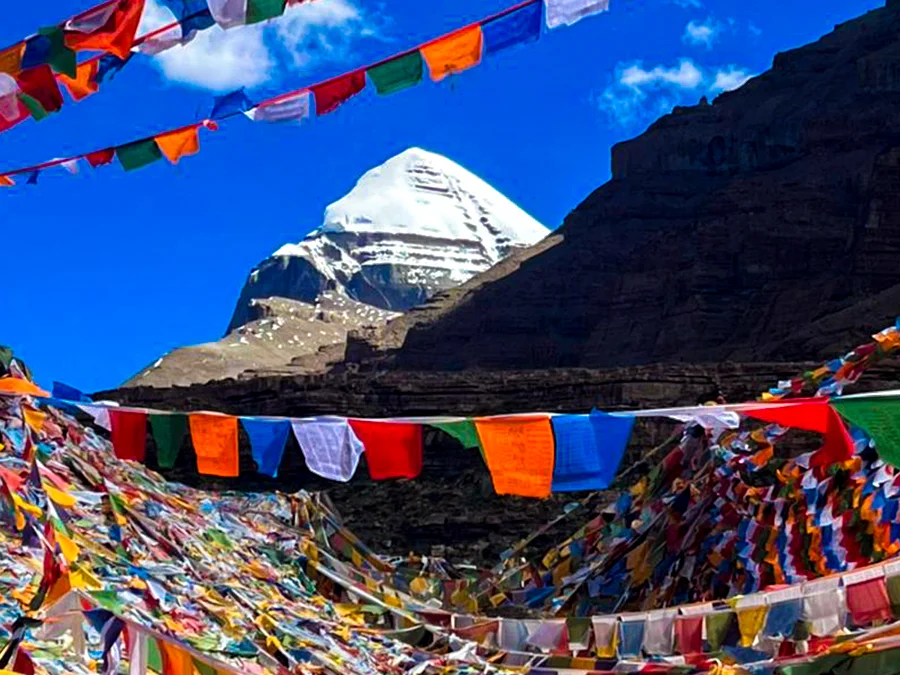
Kailash Mansarovar sits high in the Tibetan Himalayas. People from four religions—Hinduism, Buddhism, Jainism, and Bon—visit this sacred place. Hindus believe Lord Shiva lives on Mount Kailash. They also call it Mount Meru from ancient stories. Lake Mansarovar has holy water that cleans your soul.

This trip tests your body and spirit. You walk at very high places where the air feels thin. The paths challenge you, but millions still make this journey.


Kailash Mansarovar Yatra in Spring (March to April)

Spring starts the travel season to Kailash Mansarovar. Winter ends and the area becomes ready for visitors. The weather gets better, but early spring still brings some tough moments. You need experience and good planning.

Weather Conditions in Spring

  • Daytime Temperatures: April brings mild days. The temperature reaches 5°C to 15°C. You can walk comfortably and do outdoor prayers.
  • Nighttime Cold: Days feel warm, but nights stay very cold. The temperature drops below freezing. Pack warm clothes for sleeping.
  • Transitional Climate: March and April change often. You might see frost and snow patches. The weather shifts quickly.

Terrain and Trekking Conditions

  • Melting Snow: Snow starts melting on the walking paths. The trails become easier to cross as spring moves forward.
  • Challenging Terrain: Melting snow makes the ground slippery and muddy. Walk carefully. You need strong legs and balance.
  • Feasibility: The paths open up, but they demand effort. Build your stamina before coming. Practice walking on hills.

Spiritual and Scenic Appeal

  • Blooming Landscape: Nature wakes up around you. Wildflowers appear on the hills. The sky clears and shows beautiful views. This makes your prayers feel more special.
  • Peaceful Atmosphere: Fewer people travel in spring than summer. You get quiet time for thinking and meditation. The silence helps you connect with your spiritual side.
  • Spiritual Renewal: Spring means new beginnings. This matches your inner journey toward peace and purity.

Challenges of Early Spring

  • Road Accessibility: Some snow stays on roads in March and April. Rocks might fall and block paths. Keep your plans flexible.
  • Unpredictable Weather: Weather changes without warning. Bring proper gear. Stay ready for anything.

Kailash Mansarovar Yatra in Summer (May to June)

Summer brings the most visitors to Kailash Mansarovar. The weather becomes stable and friendly. These months give you warm days and open roads. All mountain passes clear of snow and welcome travelers.

Weather Conditions

  • Daytime Temperatures: Summer days feel pleasant. Temperatures stay between 15°C and 20°C. Walking becomes enjoyable in this warmth.
  • Nighttime Chill: Nights remain cool but bearable. You still need warm clothes after sunset.
  • Monsoon Influence: Rain season overlaps with your trip. The Tibetan plateau gets less rain than Nepal or India. You might see some showers that delay travel or close roads temporarily.

Accessibility and Trekking

  • Open Routes: No snow blocks the high mountain passes. All traditional paths stay open. You can complete the full journey without obstacles.
  • Travel Convenience: Long daylight gives you more walking time. You can finish daily goals easily and follow your schedule.
  • Potential Weather Challenges: Rain falls suddenly in border areas. Roads might become wet and slippery. Keep extra days in your plan for delays.

Spiritual and Festive Atmosphere

  • Major Religious Festivals: Important celebrations happen in summer. Saga Dawa and Guru Purnima bring colorful ceremonies and prayers. These festivals add joy to your pilgrimage.
  • Crowds and Community: Many pilgrims arrive during this season. You meet fellow travelers and share experiences. The group energy lifts your spirits.

Scenic Beauty of Summer

  • Lush Landscapes: Green plants cover the region. Alpine meadows bloom with bright flowers. The colors stand out against rocky mountains.
  • Photographic Opportunities: Sunny days give crystal-clear views. You can take stunning photos of the Himalayas. The visibility reaches far across valleys and peaks.

Practical Advice for Pilgrims

  • Prepare for Rain: Pack raincoats and waterproof bags. Protect your belongings from unexpected showers.
  • Hydration and Sun Protection: Drink plenty of water. Use sunscreen and sunglasses. The strong sun at high altitude can burn your skin quickly.
  • Flexible Scheduling: Add extra days to your plan. Weather near Nepal’s border might cause delays.

Kailash Mansarovar Yatra in Autumn (September to October)

Many call autumn the golden season for Kailash Mansarovar. You get pleasant weather, colorful scenery, and fewer crowds than summer. This season suits people who want peace and deep spiritual feelings.

Weather Conditions in Autumn

  • Daytime Temperatures: Autumn days feel cool and fresh. Temperatures range from 10°C to 15°C. Walking stays comfortable throughout the day.
  • Nighttime Chill: Nights turn quite cold. The temperature falls to -5°C or lower. Bring heavy blankets and warm sleeping bags.
  • Stable Climate: The weather stays dry and predictable. You get excellent views for sightseeing and outdoor rituals.

Terrain and Travel Conditions

  • Dry and Stable Paths: The ground stays dry and firm. Walking becomes safer and easier. The paths hold your footing well.
  • Road Accessibility: Roads remain open during most of autumn. Watch for late October—snow might start falling on high passes. Time your visit accordingly.

Scenic and Spiritual Experience

  • Golden Autumn Landscapes: Mountains glow with golden and orange colors. Leaves change and create beautiful views. The scenery enhances your spiritual mood.
  • Quiet Atmosphere: Fewer pilgrims travel in autumn compared to busy summer months. You find peaceful spots for meditation. The silence deepens your connection to the sacred place.
  • Comfortable Pilgrimage: The weather supports walking around Mount Kailash (parikrama) and other religious activities. Everything flows smoothly.

Practical Advice for Autumn Pilgrims

  • Layered Clothing: Wear multiple layers. Remove or add clothes as temperature changes. This keeps you comfortable all day.
  • Photography: Clear skies and vibrant colors make autumn perfect for taking pictures. Your photos will look amazing.
  • Travel Timing: Start your journey early in the season. Avoid late October when snow begins falling again.

Months to Avoid: Winter Season (November to February)

Winter creates the hardest conditions at Kailash Mansarovar. Experts strongly advise against traveling during these months. The extreme cold makes the journey dangerous and exhausting. Most pilgrims skip winter completely.

Accessibility and Travel Restrictions

Closed Routes

Snow and landslides block roads and mountain passes. Nothing moves through these areas in winter.

Suspension of Services

Hotels, transport, and support services shut down. You find no help or facilities for travelers.

High Risks

  • Frostbite: Damages your skin.
  • Altitude sickness: Hits harder in winter.
  • Hypothermia: Threatens your life.
  • Cold-related illnesses: Become common.

Pilgrimage Status

Minimal Footfall

Almost nobody attempts this pilgrimage in winter. The risks outweigh any benefits.

Planned Suspension

Officials close the pilgrimage season. They reopen it in spring when conditions improve.

Visitor Advice

Avoid Winter Travel

Stay away from Kailash Mansarovar in winter unless you have expert mountaineering skills and special equipment.

Preparation for Extremes

Only trained professionals with survival gear should consider winter travel. You need special clothing, equipment, and medical supplies.


Additional Tips for Best Experience

  • Acclimatization: Rest for several days when you first arrive. Let your body adjust to thin air. This prevents altitude sickness.
  • Health Preparations: Carry medicine for altitude sickness. Drink lots of water. Eat balanced meals with enough calories.
  • Clothing: Wear layers starting with thermal underwear. Add a windproof jacket on top. Keep waterproof outer clothes ready.
  • Permits and Regulations: Get all Indian and Tibetan permits before leaving. Join government-organized groups—they handle paperwork and safety.
  • Guides and Transport: Hire certified guides who know the area. They understand weather patterns and terrain changes.
  • Physical Fitness: Exercise regularly before your trip. Do cardio workouts and build endurance. Your body needs strength for high-altitude walking.
  • Packing Essentials: Bring sunscreen, good trekking shoes, walking sticks, first aid kit, and portable oxygen if needed.
  • Respect Local Customs: Show respect at sacred sites. Keep the environment clean. Follow spiritual rules of the pilgrimage.
  • Booking: Spring and autumn have fewer crowds—book normally. Summer gets packed—reserve your spot months ahead.

Spiritual and Cultural Highlights by Season

  • Summer: Festivals like Saga Dawa showcase vibrant Tibetan Buddhist ceremonies. You witness colorful prayers and traditions.
  • Spring: Represents renewal and rebirth. This mirrors your spiritual awakening during the journey.
  • Autumn: Encourages meditation and reflection. The year winds down as nature displays its final beauty.
  • Winter: Symbolizes inner spiritual work. Nature rests while you focus on internal growth.

Your travel timing shapes your spiritual experience. Match the season with your personal goals and physical ability.


Conclusion

Visit Kailash Mansarovar between late spring and early autumn (May to October). Each season offers something different:

Season Best Months Weather Pilgrimage Experience Travel Conditions
Spring March to May Cold to mild, snow melting Quiet, high crowds, awakening nature Favorable due to mild temperature
Summer & Monsoon June to August Warm days, possible rains Peak festival period, accessible routes Most favorable, some rain risks
Autumn September to October Cool, stable, clear skies Golden landscapes, fewer crowds Excellent, watch for early snow late
Winter November to February Very cold, snowbound Not recommended for pilgrimage Routes mostly closed

Plan your Kailash Mansarovar pilgrimage carefully. Think about weather, terrain, and spiritual timing. Spring and autumn give you peace and beauty. Summer brings festival energy and easy access. Winter remains extremely dangerous—avoid it.

This guide helps you choose the right time for your sacred journey. Prepare well for one of the most meaningful spiritual experiences in the world.

Kailash Mansarovar Yatra Route Map

Kailash Mansarovar Yatra Packages

The Kailash Mansarovar Yatra is one of the most sacred pilgrimages in the world, attracting Hindus, Buddhists, Jains, and Bon followers alike. Every year, thousands of devotees dream of completing the journey to Mount Kailash (6,638 m) and Lake Mansarovar (4,590 m)—the divine abode of Lord Shiva.

But before beginning this spiritual journey, it’s crucial to understand the route map, access points, and trekking distances. In this blog, we share the detailed Kailash Mansarovar Yatra Route Map, highlight all three major routes, and help you plan your path to the divine.

Explore Kailash Mansaroavar Yatra Package for 2026 – Book Now!

Kailash Mansarovar Yatra Route Option

There are three main routes to reach Mount Kailash and Lake Mansarovar:

1. Via Lipulekh Pass (Uttarakhand, India)

  • Organized by: Ministry of External Affairs, Govt. of India
  • Starting Point: Delhi → Almora → Pithoragarh → Dharchula
  • Highlights:
    • Around 14–18 days
    • Trek of approximately 7 km from Nabhidhang to Lipulekh Pass, vehicle-supported until then
    • Stopovers: Om Parvat, Narayan Ashram
    • High-altitude pass at Lipulekh (5,115–5,200 m)
    • Government medical and transport support; limited to 250 pilgrims

2. Via Nathu La Pass (Sikkim, India)

  • Organized by: Govt. of India
  • Starting Point: Delhi → Gangtok → Nathu La → Tibet
  • Highlights:
    • About 20–25 days (including 3 days in Delhi for checks)
    • Minimal trekking, more road and vehicle support
    • Easier on senior citizens; scenic but higher in cost

3. Via Kathmandu, Nepal (Private Tour Operator Route)

  • Organized by: Private operators (e.g., Himalayan Glory, others)
  • Starting Point: Kathmandu → Nepalgunj or Simikot → Hilsa → Tibet
  • Highlights:
    • Highly popular with flexibility
    • Options include helicopter or road transfer
    • Approximately 13–16 days
    • Includes the full Parikrama of Mount Kailash

Kailash Mansarovar Yatra Route Option

Once pilgrims reach Darchen (the typical base camp), the sacred 3-day circumambulation (Parikrama) of Mount Kailash begins:

Day Route Distance
Day 1 Darchen → Dirapuk (via Yam Dwar) ~12 km
Day 2 Dirapuk → Dolma La Pass (5,630–5,650 m) → Zuthulpuk ~22 km
Day 3 Zuthulpuk → Darchen ~8–13 km

Dolma La Pass is the highest point of the Parikrama (around 5,630–5,650 m), demanding slow, steady walking and careful acclimatization.

🗺️ Interactive Kailash Mansarovar Map

Kailash Mansarovar Map

Important Travel Tips

  • Bring your original passport, valid for at least six months.
  • Carry travel insurance that covers high‑altitude emergencies and helicopter rescue.
  • Allow at least 2–3 days to acclimatize (for instance, at Taklakot, Saga, or Kerung) to reduce altitude sickness risk.
  • Avoid photography near border outposts and army installations.
  • Pack for variable weather: insulated layers, sunscreen, high‑energy snacks, necessary medications, trekking essentials, and rain gear.

📍 Final Thoughts

The Kailash Mansarovar Yatra Route Map is more than just a logistical plan—it’s the guiding structure for a profound spiritual quest. Whether you opt for Lipulekh, Nathu La, or the Nepal route, knowing each path’s terrain, duration, and demands ensures physical readiness and mental clarity.

“Mount Kailash is not a destination; it’s a divine experience that begins the moment you start the journey.”

FAQ (Quick Answer)

Q: Can foreigners visit Mount Kailash?
A: Yes, typically via the Nepal route, provided you have a valid Tibet group visa and travel permits.

Q: Do I need to trek the entire Yatra?
A: Only the Parikrama (52 km) is on foot; the rest is usually by vehicle or, in some Nepal‑based itineraries, helicopter.

Q: Is vegetarian food available during the Yatra?
A: Yes, most operators provide pure vegetarian meals throughout.

Q: Are helicopters used in the Kailash Mansarovar Yatra?
A: Yes, especially in the Nepal‑based route (e.g., from Nepalgunj to Simikot to Hilsa) to shorten travel and ease difficulty.

Q: Is the Yatra suitable for senior citizens?
A: It can be, if they are medically fit and well‑acclimatized. The Nathu La route and routes using helicopters are more comfortable for elderly travelers.

Q: What is the altitude of Mount Kailash?
A: Mount Kailash stands at approximately 6,638 meters (21,778 feet).

Q: What is the best time to undertake the Kailash Mansarovar Yatra?
A: The preferred window is May through September, with June to August offering the most reliable weather and open mountain passes.

Winter Char Dham Yatra in Uttarakhand – Travel, Rituals & FAQs

Char Dham of Uttarakhand

Recently, Uttarakhand has launched the Winter Char Dham circuit to promote year-round tourism and attract visitors to the state during the off-season winter months

The state of Uttarakhand has introduced the Winter Char Dham circuit with the purpose of encouraging tourism throughout the year and ensuring that devotees can visit sacred places even during the cold season. This initiative allows travelers and pilgrims to experience the same spiritual essence of the traditional Char Dham journey while enjoying the serene beauty of the Himalayas in winter.

Char Dham shrines (4 revered shrines) are four holy sites i.e., Yamunotri, Gangotri, Kedarnath and Badrinath and are located in the Garhwal Himalayas. They are traditionally visited between May and November.

Uttarakhand Launched the Winter Char Dham

The Char Dham shrines of Yamunotri, Gangotri, Kedarnath, and Badrinath hold immense religious importance and are all situated in the Garhwal Himalayas. Traditionally, these sacred sites remain accessible only between May and November due to weather conditions. However, with the introduction of the winter circuit, devotees can continue their pilgrimage in alternative locations during the snowy months.

During the winter months, the presiding deities of these temples are brought to shrines at lower altitudes at:

  • Kedarnath: Omkareshwar Temple in Ukhimath (Rudraprayag)
  • Badrinath: Pandukeshwar in Chamoli
  • Gangotri: Mukhba in Uttarkashi
  • Yamunotri: Kharsali in Uttarkashi

During winter, when heavy snow makes the higher Himalayan temples inaccessible, the deities of the four shrines are ceremonially moved to their winter abodes. These sacred relocations allow worship to continue without interruption, giving devotees an opportunity to seek blessings in more accessible villages at lower altitudes.

The Char Dham Project aims to enhance connectivity to the Badrinath, Kedarnath, Gangotri, and Yamunotri by improving conditions of highways.

The government has also launched the Char Dham Project to improve road infrastructure and provide better connectivity to the four holy shrines. By upgrading highways and transportation facilities, this project not only benefits pilgrims but also supports tourism and strengthens the economy of the Himalayan region.

About Adi Shankaracharya

Adi Shankaracharya (exponent of the Advaita Vedanta) established the Char Dhams in four different directions of the country which include Badrinath, Puri, Dwarka and Rameshwaram.

It was Adi Shankaracharya, the great philosopher and spiritual leader, who established the tradition of the Char Dham pilgrimage. According to his vision, the four dhams are located in different corners of India—Badrinath in the north, Puri in the east, Dwarka in the west, and Rameshwaram in the south—together representing a complete spiritual circuit.

Advaita Vedanta is a non-dualistic philosophy that asserts the ultimate reality (Brahman) is singular and formless, with individual souls (Atman) being identical to it, and liberation (moksha) is achieved through the realization of this oneness.

The philosophy of Advaita Vedanta, taught by Adi Shankaracharya, emphasizes the oneness of the soul (Atman) with the ultimate reality (Brahman). It teaches that liberation, or moksha, is attained through self-realization and the understanding that there is no duality between the individual and the divine. This philosophy forms the spiritual foundation of the Char Dham Yatra.

The grand Himalayan ranges are home to four revered shrines where Goddess Yamuna, Goddess Ganga, Lord Shiva, and Lord Vishnu are worshipped. For centuries, countless devotees have undertaken this sacred Chardham Yatra to seek divine grace and inner peace. The Char Dham Yatra is considered a spiritual path to Moksha (liberation), as devotees believe completing this journey blesses them with eternal spiritual support.

About Winter Char Dham Yatra in Uttarakhand

During the winter season, heavy snowfall and freezing temperatures restrict access to the original temples of Char Dham. To ensure uninterrupted worship, the sacred idols of each deity are shifted to their designated winter seats every year. These seasonal abodes allow devotees to continue offering prayers even when the main shrines remain inaccessible.

This special Winter Char Dham Yatra gives an opportunity to complete the sacred journey during the off-season. With fewer crowds, the surroundings remain calm, allowing a more personal connection with divinity. The tranquil ambiance adds a unique charm to the spiritual experience, making it deeply fulfilling.

Economic Significance of Winter Char Dham Yatra

The Winter Char Dham Yatra not only holds spiritual value but also contributes to Uttarakhand’s economy. Pilgrims visiting the winter seats of the deities help boost local tourism and sustain communities that often face economic slowdowns during colder months.

From accommodations and transport services to local artisans and small businesses, many residents benefit directly from this seasonal pilgrimage. Alongside devotion, travelers also admire the mesmerizing winter landscapes of the Himalayas, which look like a pristine wonderland. With government efforts in developing better infrastructure and safety measures, the pilgrimage has become more comfortable and accessible during winters.

Winter Abodes in Uttarakhand for Char Dham Darshan

Between late November and March, the main Char Dham shrines—Yamunotri, Gangotri, Kedarnath, and Badrinath—remain inaccessible due to harsh weather. During this time, their idols are worshipped at the following winter homes:

Kharsali : Winter Seat of Goddess Yamuna

Located around 10 km from Yamunotri, Kharsali becomes the winter seat of Goddess Yamuna. When snowfall blocks Yamunotri Temple, the idol of Goddess Yamuna is moved here. Devotees continue rituals and prayers in Kharsali, where the peaceful surroundings create an intimate spiritual atmosphere.

Mukhba Village : Winter Seat of Gangotri

Mukhba Village, about 27 km from the Gangotri Temple, becomes the seasonal home of Goddess Ganga. Worship continues at the temple here throughout winter. Pilgrims visiting Mukhba witness age-old traditions preserved by the local community, making the visit both devotional and cultural.

Ukhimath : Winter Seat of Kedarnath

During winter, the idol of Lord Kedarnath is carried in a sacred procession to Omkareshwar Temple in Ukhimath. Priests of Kedarnath continue daily rituals here. The serene environment of Ukhimath attracts thousands of devotees every winter, allowing them to connect with Lord Shiva even when Kedarnath remains closed. For detailed guidance, you can check our Kedarnath Yatra Guide.

Pandukeshwar : Winter Seat of Lord Badrinath

The Yogadhyan Badri Temple in Pandukeshwar houses the idol of Lord Badrinath during winter months. This ancient temple, more than 1200 years old, continues the same rituals as Badrinath Temple. Local communities actively participate in festivities and rituals like Doli Yatra, ensuring that Lord Vishnu’s worship never ceases during this time. Learn more in our detailed Badrinath Yatra Guide.

Winter Char Dham Yatra – Rituals and Festivals

Winter at the Char Dham shrines is marked with special rituals, festive celebrations, and devotional gatherings. Ceremonies such as Doli Yatra, seasonal prayer sessions, and cultural events create a spiritually rich experience. These activities give devotees a rare chance to feel closer to the divine while celebrating the traditions of Uttarakhand.

How to Reach Winter Char Dham

1. Traveling to Kharsali (for Yamunotri)

  • From Janki Chatti, Kharsali is about 5 km, which can be covered in 2 hours on foot.
  • Ponies are also available for hire.

Nearest Transportation

  • Barkot is the nearest road point, 40 km from Janki Chatti.
  • Dehradun Railway Station (170 km) and Rishikesh Railway Station (209 km) connect the region by rail.
  • Jolly Grant Airport in Dehradun is the nearest airport (192 km).

2. Traveling to Mukhba (for Gangotri)

  • Mukhba lies 72 km from Uttarkashi and can be reached by taxi or local vehicles.
  • Winter roads may be challenging due to snow, so travelers must check weather updates in advance.

Nearest Transportation

  • Taxis from Uttarkashi are the best option, as public buses often stop services in winter.
  • Using private vehicles ensures flexible travel.

3. Traveling to Ukhimath (for Kedarnath)

  • Ukhimath is about 180 km from Rishikesh and 200 km from Haridwar.
  • Both towns offer buses and taxis to reach Ukhimath.

Nearest Transportation

  • Rishikesh Railway Station connects with major Indian cities.
  • Jolly Grant Airport in Dehradun (180 km) is the closest air link.

4. Traveling to Pandukeshwar (for Badrinath)

  • Pandukeshwar is 270 km from Rishikesh via NH7, passing through Devprayag, Srinagar, and Rudraprayag.
  • From Haridwar, the distance is about 290 km, and from Delhi, around 520 km.

Nearest Transportation

  • Jolly Grant Airport in Dehradun (270 km).
  • Haridwar Junction is the nearest railway station, from where travelers can continue to Joshimath by taxi or bus.

Efficient Travel Advice for Winter Visits to the Char Dham Religious Sites

  • Carry warm clothing including thermals, jackets, woolens, gloves, scarves, and waterproof boots.
  • Acclimatize properly at high altitudes, avoid overexertion, and stay hydrated.
  • Keep track of weather updates, road conditions, and closure notices.
  • Prefer 4×4 vehicles for snowy terrains and carry essentials like blankets, food, first aid, and tire chains.
  • Pack snow gear such as goggles, hand warmers, and waterproof covers.
  • Book hotels or dharamshalas in advance as winter accommodation is limited.

The Winter Char Dham Yatra offers devotees a unique opportunity to experience spirituality amid snow-clad landscapes and serene surroundings. Beyond prayers and rituals, it provides peace, cultural insight, and unforgettable memories of Uttarakhand’s divine winter beauty. For complete details, you may explore our Char Dham Yatra 2026 Travel Guide.
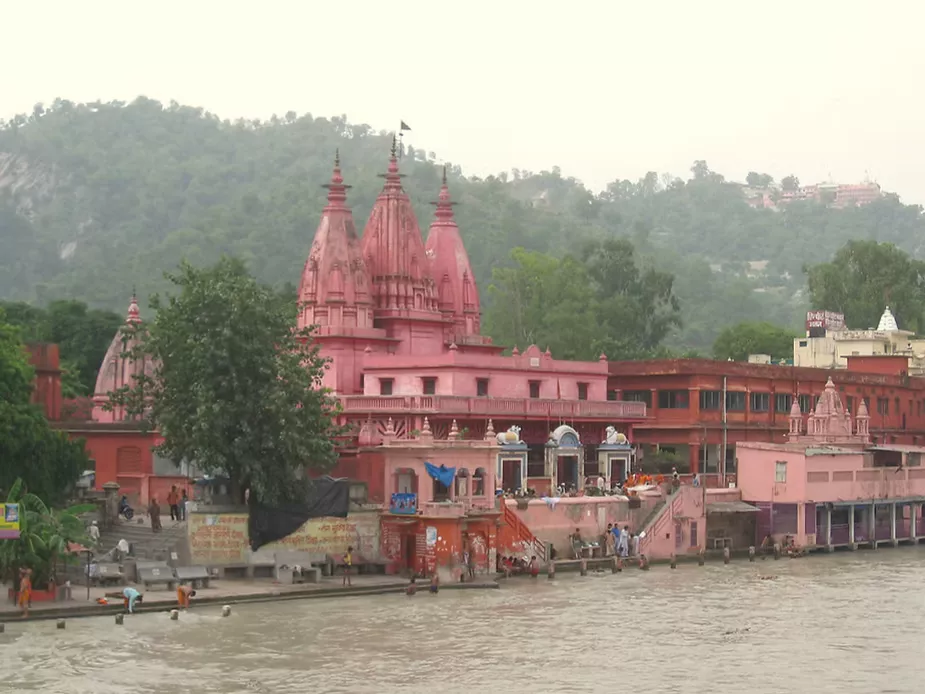
Char Dham: The Sacred Four Temples of Uttarakhand

Char Dham of Uttarakhand

Char Dham refers to four revered pilgrimage sites located in the Garhwal region of Uttarakhand. The high-altitude temples of Yamunotri, Gangotri, Kedarnath, and Badrinath form the Char Dham circuit. Though situated in different districts, these temples are connected by a sacred pilgrimage route.

Each temple holds profound spiritual significance, with devotees from across India visiting Uttarakhand to embark on this challenging but spiritually enriching journey.


Char Dham of Uttarakhand

The Char Dham temples are splendidly decorated, from their exterior walls to the sanctum. The intricate carvings and the vibrant hues of the temples add to their divine charm. When sacred rituals like the Mangala Aarti and Sandhya Aarti are performed, the atmosphere becomes spiritually uplifting.

This is a brief overview of the Char Dham Yatra. Let’s delve deeper into more details about the temples, the best time to visit, the routes, altitude concerns, transportation options, and other essential travel tips.

The Four Dham Temples

Yamunotri

Yamunotri Temple

Location:

Yamunotri Temple is situated in the western part of Uttarakhand, close to Kharsali town. The temple is about 226 km from Haridwar, with two main routes. One passes through Rishikesh and New Tehri, while the other goes via Dehradun and Mussoorie. Barkot, located 46 km from Yamunotri, is the base camp.

Deity:

The temple is dedicated to Goddess Yamuna, who is revered as the sacred river. The Yamuna River originates from the Bandarpunch Glacier near Yamunotri.

Temple Highlights:

  • Yamunotri Temple marks the origin of the Yamuna River, making it highly sacred in Hinduism.
  • The temple is renowned for its vibrant yellow and red colors.
  • Pilgrims typically take a holy dip in the Surya Kund, a hot spring, before visiting the temple.

Trekking:

To reach the temple, pilgrims need to trek 6 km from Jankichatti to Yamunotri.

Gangotri

Gangotri Temple

Location:

Gangotri Temple is located beside the Bhagirathi River in the Uttarkashi district. It is 98 km from Uttarkashi, a journey of about 3-4 hours by taxi.

Deity:

The temple enshrines Goddess Ganga, the holiest river in India.

Temple Highlights:

  • Gangotri Temple signifies the origin of the Ganga River and is situated near Gaumukh.
  • The temple is built from white marble and exudes an ethereal aura.

Trekking:

To reach Gaumukh, the origin of the Ganga River, one must trek 19 km from Tapovan. However, no trekking is required to reach the Gangotri Temple itself.

Kedarnath

Kedarnath Temple

Location:

Kedarnath Temple is located in the Rudraprayag district, at the foot of the Kedarnath Range. The temple is 48 km from Guptkashi.

Deity:

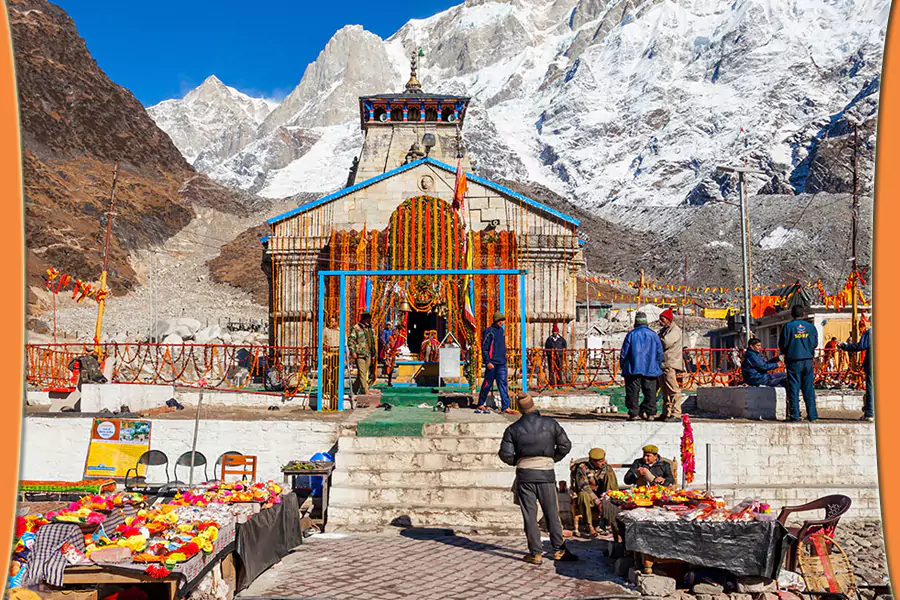
Kedarnath Temple is dedicated to Lord Shiva in the form of a Jyotirlinga.

Temple Highlights:

  • This temple is among the 12 Jyotirlingas and holds immense historical significance.
  • It is also known for its breathtaking surroundings of snow-covered peaks.

Trekking:

Pilgrims must trek 16 km from Gaurikund to reach the temple. Helicopter services are available for those who prefer to avoid the trek.

Badrinath

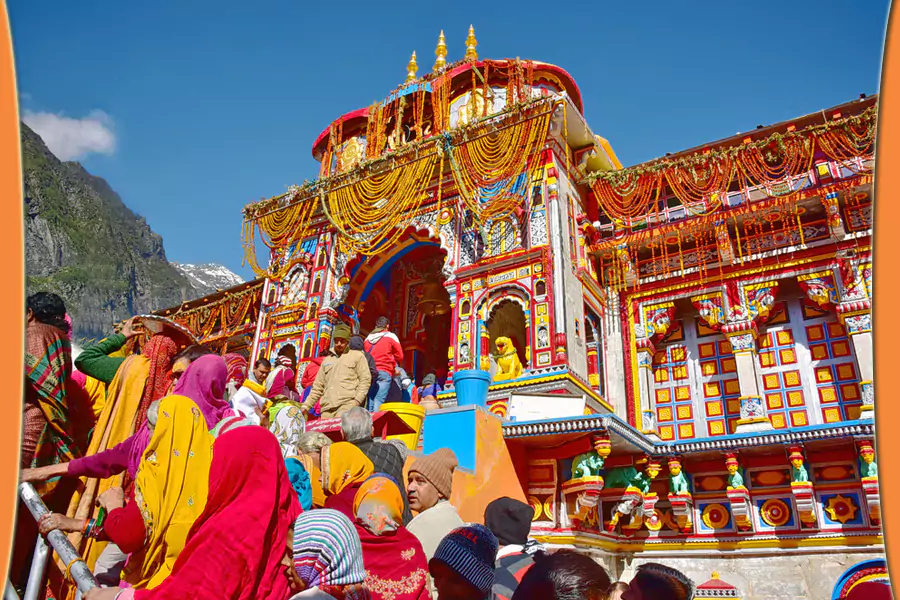
Badrinath Temple

Location:

Badrinath Temple is in the Chamoli district, located between the Nar and Narayan Parvat. Joshimath, the base camp for Badrinath, is 40 km away.

Deity:

The temple is dedicated to Lord Vishnu in the form of Badrivishal.

Temple Highlights:

  • Badrinath Temple is one of the key Char Dham temples and is situated on the banks of the Alaknanda River.
  • It is famous for its Garhwal-style architecture.
  • The temple is historically linked to Lord Vishnu and Devi Laxmi.

Trekking:

Badrinath Temple is easily accessible by road, so no trekking is required.

Additional Attractions:

  • A holy dip in the Tapt Kund, situated near the temple, is considered highly auspicious and purifies the body.

Related Tour Packages


Spiritual Significance and Pilgrimage Experience

Divine Connection:

It is believed that by visiting the Char Dham temples, one can cleanse their soul and free themselves from past sins, moving closer to salvation.

This belief resonates deeply with Hindus, and the Char Dham Yatra is seen as a path to spiritual awakening and peace.

Rituals:

Each Char Dham temple is the center of various spiritual rituals. Pilgrims take dips in the sacred rivers such as the Bhagirathi, Alaknanda, and in Tapt Kund. The Sandhya Aarti at Badrinath is one of the most famous rituals performed during the Yatra.

Rituals like Pind Daan for the salvation of ancestors, carried out at Brahma Kapal near Badrinath, are also integral parts of the pilgrimage.

Cultural Immersion:

The Char Dham Yatra is not only about spirituality but also offers a deep immersion into the Garhwali culture. From the local food to the traditional attire, you will experience the unique lifestyle of the Garhwal region.


Accommodation and Facilities

Lodging:

There are a variety of budget-friendly accommodations, including guesthouses and Dharamshalas, near all the Char Dham sites. For better facilities, one can stay at the base camps of each temple.

Campsites:

If you seek adventure, camping in the high-altitude areas around Kedarnath and Yamunotri is a popular option. This offers a unique experience, surrounded by snow-clad mountains and under the open sky.

Dining:

Vegetarian meals are served at local restaurants along the Char Dham route. The cuisine predominantly consists of North Indian vegetarian dishes, along with traditional desserts and beverages.

Note: Intoxicants are prohibited on the Char Dham Yatra. Respect for the sacred environment is expected.


Route and Travel Tips

Starting Point:

Most pilgrims begin their Char Dham Yatra from Haridwar or Rishikesh, both easily accessible by train or bus. Once in these cities, the journey to Char Dham is completed by bus or rental car. Helicopter services to Char Dham also depart from Dehradun.

Best Time to Visit:

The Char Dham temples open from Akshaya Tritiya in May to Bhai Dooj in October, making this the best period for the pilgrimage. Due to heavy snowfall and extreme cold in winter, the temples are closed from November to April.

Transportation Options:

The Char Dham Yatra can be undertaken by road or helicopter. While the routes to Kedarnath and Yamunotri require trekking, you can opt for Pony or Palki services. Helicopter packages are available to bypass treks, especially for Kedarnath.

Altitude:

As the Char Dham temples are located at high altitudes, pilgrims may experience altitude sickness. To avoid this, it is advised to acclimatize by resting in Haridwar before proceeding to the higher altitudes.


Challenges and Safety Tips

Altitude Sickness:

Altitude sickness is a common concern during the Char Dham Yatra. Symptoms such as dizziness or nausea should be addressed immediately with medical assistance.

Weather:

The weather can change rapidly in the mountains, so always check forecasts before traveling. In the monsoon, carry rain gear.

Health:

Carry basic medical supplies and stay hydrated. Light snacks can help maintain your energy during the trek.

Local Guides:

Hiring local guides can make your journey safer and more enjoyable. Their knowledge of the terrain and routes can ensure a smooth pilgrimage.


Conclusion

The Char Dham Yatra is a life-changing pilgrimage that offers spiritual growth, peace, and a deep connection with nature. With a balance of adventure, culture, and devotion, this sacred journey through the Himalayas is a must for every devotee.

Embarking on the Char Dham Yatra will not only purify your soul but also offer a lifetime of memories and spiritual fulfillment.


Explore Affordable Char Dham Yatra Package for 2026 – Book Now!

A Complete Guide on Panch Prayag

Panch Prayag

Panch Prayag refers to the five holy confluences of rivers in the Garhwal region of Uttarakhand, India. These sacred meeting points are not only geographical wonders but also hold deep spiritual meaning for devotees, saints, and travelers. The term Prayag means “confluence” or “place of meeting,” and each site in the Panch Prayag series marks the union of two important rivers flowing from the majestic Himalayas.

The five Prayags, arranged in their downstream order from the origin of the Alaknanda River, are:

  • Vishnuprayag – Confluence of Alaknanda and Dhauliganga
  • Nandaprayag – Confluence of Alaknanda and Nandakini
  • Karnaprayag – Confluence of Alaknanda and Pindar
  • Rudraprayag – Confluence of Alaknanda and Mandakini
  • Devprayag – Confluence of Alaknanda and Bhagirathi

Together, they form a spiritually significant route that many pilgrims travel while heading towards the Char Dham Yatra or other Himalayan temples. Visiting all five is believed to cleanse one’s sins and bring blessings for a peaceful life.

The Legend Behind Panch Prayag

According to Hindu mythology, the story of Panch Prayag is deeply connected to the great river Ganga. When King Bhagirath prayed for the river to descend from heaven to purify the ashes of his ancestors, the mighty Ganga agreed. However, her tremendous force could have destroyed the earth upon descent. To prevent this, Lord Shiva caught her in his matted hair and released her gently in multiple streams.

One of these streams became the Alaknanda River, which flows through the Garhwal Himalayas and meets other rivers at the five Prayags before finally joining the Bhagirathi River at Devprayag. This confluence marks the beginning of the sacred Ganga River as we know it.

Many sages and saints have meditated along these riverbanks for centuries, believing the waters here carry divine energy. Even today, pilgrims take ritual baths at each Prayag before proceeding further on their spiritual journeys.

Panch Prayag Route Map

Panch Prayag Route Map

Vishnuprayag – The First of the Five Confluences

Spiritual Significance

Vishnuprayag is the first confluence encountered on the Panch Prayag route when following the Alaknanda River downstream from its origin near the Satopanth Glacier. Here, the sparkling blue waters of the Dhauliganga River meet the Alaknanda River at an altitude of about 1,372 meters (4,501 ft) above sea level.

According to legend, Sage Narada once meditated at this spot to please Lord Vishnu. Pleased by his devotion, Lord Vishnu appeared and blessed him. A small temple dedicated to Lord Vishnu, built by the Maharani of Jaipur in the 19th century, still stands near the site.

Scenic Beauty

Surrounded by snow-capped peaks and dense pine forests, Vishnuprayag offers breathtaking views. The turquoise waters rushing over dark boulders create a stunning scene, and on clear days, distant Himalayan summits glow in the sunlight.

Travel Tips

  • Best Time to Visit: April to June and September to November
  • How to Reach: 13 km from Joshimath on the Joshimath–Badrinath road
  • Nearby Attractions: Auli, Joshimath, Valley of Flowers trek

Nandaprayag – The Second Sacred Confluence

Mythological Significance

Nandaprayag is where the Alaknanda River meets the Nandakini River at 870 meters (2,854 ft) above sea level. Legend says it was named after King Nanda, foster father of Lord Krishna, who performed a grand yajna here. Another version links the name to Goddess Nanda Devi.

Natural Charm

The emerald-green Nandakini joins the foaming Alaknanda, creating a beautiful contrast. The peaceful riverbanks and terraced fields make it an ideal stop for meditation and photography.

Travel Tips

  • Best Time to Visit: March to June and September to early November
  • How to Reach: 20 km from Karnaprayag, between Chamoli and Karnaprayag
  • Nearby Attractions: Gopeshwar, Rudranath Temple trek, Kuari Pass trek

Karnaprayag – The Third Sacred Confluence

Mythological Significance

Karnaprayag is where the Alaknanda River meets the Pindar River at 788 meters (2,585 ft). It is linked to Karna from the Mahabharata, who meditated here and was blessed by the Sun God with armor and earrings. Lord Krishna is said to have performed Karna’s cremation here.

Scenic Beauty

The Pindar River from the Pindari Glacier merges here with the Alaknanda in a stunning display of natural beauty, framed by forested slopes and mountain vistas.

Travel Tips

  • Best Time to Visit: October to April
  • How to Reach: On National Highway 7, 31 km from Nandaprayag
  • Nearby Attractions: Adi Badri Temple, Pindari Glacier trek, Gauchar

Rudraprayag – The Fourth Sacred Confluence

Mythological Significance

Rudraprayag marks the meeting of the Alaknanda River and the Mandakini River at 895 meters (2,936 ft). Named after Lord Shiva (Rudra), it is where Shiva blessed Sage Narada with mastery of music.

Natural Charm

The Mandakini flows from the Chorabari Glacier near Kedarnath and joins the Alaknanda here in a majestic embrace, surrounded by steep slopes and temples.

Travel Tips

  • Best Time to Visit: March to June and September to November
  • How to Reach: 142 km from Rishikesh, 34 km from Karnaprayag
  • Nearby Attractions: Augustmuni, Koteshwar Mahadev Temple, Kedarnath trek

Devprayag – The Fifth and Final Sacred Confluence

Mythological Significance

Devprayag is where the Alaknanda River meets the Bhagirathi River at 830 meters (2,723 ft), forming the holy Ganga River. Named after Sage Dev Sharma, it is believed that bathing here cleanses all sins.

Spiritual Atmosphere

The meeting of the green Bhagirathi and bluish Alaknanda is mesmerizing. Nearby temples include Raghunathji Temple and Chandrabadni Temple.

Travel Tips

  • Best Time to Visit: October to April
  • How to Reach: 70 km from Rishikesh on NH 58
  • Nearby Attractions: Chandrabadni Temple, Dashrathshila, suspension bridge

Best Time to Visit Panch Prayag

The ideal time to explore Panch Prayag is from April to June and September to November. During these months, the climate remains moderate, making it perfect for traveling. The summer season offers clear skies and pleasant temperatures, ideal for sightseeing and spiritual activities.

Avoid visiting during the monsoon period (July to August) due to the high probability of landslides and heavy rainfall, which can hamper travel. Winters (December to February) bring snow in higher elevations, posing travel challenges unless you’re prepared for extreme cold and icy routes.

To enjoy a comfortable journey, plan your visit during the summer (April–June) or autumn (October–November) seasons. Summer temperatures hover between 20℃ and 30℃, while the autumn months offer a cooler climate ranging from 10℃ to 20℃. The monsoon season, from July to September, is not recommended due to frequent downpours, slippery roads, and increased chances of landslides. In winter (December to March), temperatures may drop as low as -9℃, and snowfall in the upper regions can block roads and make navigation tough.

How to Reach Panch Prayag?

Here is a stepwise road journey to reach all five confluences of Panch Prayag:

  • Rishikesh to Devprayag (74 km): Travel along NH7, tracing the path of the Ganga River. At Devprayag, the Bhagirathi and Alaknanda rivers unite to form the sacred Ganga River. This spiritual confluence marks the starting point of the Panch Prayag trail.
  • Devprayag to Rudraprayag (66 km): Drive further on NH7, passing through Srinagar (Garhwal). Here, the Mandakini River merges with the Alaknanda.
  • Rudraprayag to Karnaprayag (34 km): Continue along NH7, moving upstream. Karnaprayag is where the Pindar River from the Pindari Glacier joins the Alaknanda.
  • Karnaprayag to Nandaprayag (21 km): Follow NH7 towards Chamoli. At Nandaprayag, the Nandakini River, originating near the Nanda Devi Glacier, merges into the Alaknanda.
  • Nandaprayag to Vishnuprayag (73 km): Head towards Joshimath via Chamoli, continuing on NH7. At Vishnuprayag, the Dhauliganga River meets the Alaknanda.

Quick Overview of Connectivity

  • Roadways: NH7 (formerly NH58) connects all five Prayags. Buses, shared jeeps, and taxis are available from Rishikesh, Haridwar, and Dehradun.
  • Railways: Nearest major railway stations are Rishikesh and Haridwar. Road travel is required from these stations.
  • Airways: Jolly Grant Airport (Dehradun) is the nearest airport. It is well connected with Delhi and other metro cities.
Panch Prayag Travel Distance & Duration
Destination Distance Duration
Rishikesh to Devprayag 74 km 2 hrs
Devprayag to Rudraprayag 66 km 1–2 hrs
Rudraprayag to Karnaprayag 34 km 1 hr
Karnaprayag to Nandprayag 21 km 40 minutes
Nandprayag to Vishnuprayag 73 km 2 hrs 30 minutes
Delhi to Devprayag 309 km More than 5 hrs
Dehradun to Devprayag 112 km 3–4 hrs
Haridwar to Devprayag 97 km 3 hrs

Panch Prayag Yatra

The Panch Prayag Yatra can be completed as a standalone pilgrimage or as part of the Char Dham Yatra. The full circuit can typically be covered in 5 to 7 days, depending on your itinerary and travel arrangements.

Suggested Yatra Route:

  • Start from Rishikesh or Haridwar
  • Devprayag → Rudraprayag → Karnaprayag → Nandaprayag → Vishnuprayag
  • Extend your journey to Badrinath if desired

Final Thoughts

The journey through Panch Prayag is not just physical; it’s spiritual. As sacred rivers merge under the watch of Himalayan peaks, every confluence tells a mythological story and inspires divine reflection.

Whether you’re on a religious path or seeking natural beauty, each Prayag offers something memorable. For assistance in planning your yatra, contact ShrineYatra:

  • Email: info@shrineyatra.in
  • Phone: +91 9958647371

FAQs

Are there any entry fees for visiting the Panch Prayag?
No, there are no entry charges to visit any of the confluences.

What important points must be taken care of while visiting the Panch Prayag?

  • Carry valid ID proofs
  • Pack all necessary items
  • Maintain respect and silence at religious places

Is visiting the river confluences safe?
Yes, bathing steps are available. Always check water levels before entering.

Can we take holy dips in Panch Prayag?
Yes, you can at Devprayag, Rudraprayag, Karnaprayag, and Nandprayag. Avoid going too close to Vishnuprayag due to strong river flow.

Is it safe to travel to Panch Prayag in the monsoon?
No, July and August are not recommended due to heavy rain and landslides.

Can I complete the Panch Prayag Yatra in one go?
Yes, with proper planning, it can be done in 5–7 days by private or rental vehicle.

How to Travel Panch Kedar: A Complete Guide

Panch Kedar Temples

The Panch Kedar refers to five sacred Shaivite shrines dedicated to Lord Shiva, located in the Garhwal region of Uttarakhand’s majestic Himalayas. These revered temples are Kedarnath, Rudranath, Madhyamaheshwar, Kalpeshwar, and Tungnath. Known for their deep spiritual significance and breathtaking surroundings, the Panch Kedar sites together form an important pilgrimage route for devotees of Lord Shiva.

A journey to Panch Kedar requires proper planning and awareness of travel details, as it involves days of trekking in the Himalayas. As per legend, these temples were established by the Pandavas, the heroes of the Mahabharata, seeking penance from Lord Shiva. Typically, completing the Panch Kedar Yatra takes about 15 to 16 days. Keep reading to learn more about how to travel Panch Kedar in the best possible way.

Best Time to Travel to Panch Kedar

The Panch Kedar shrines remain open for about six months every year, generally from April to October. The best time to travel to Panch Kedar is during May, June, September, and October, when the weather is pleasant and the trekking trails are safe.

During winter, heavy snowfall makes the high-altitude temples inaccessible. The idols are ceremonially moved to lower-altitude temples for worship:

  • Kedarnath’s idol is shifted to Omkareshwar Temple in Ukhimath
  • Tungnath’s deity is placed at Mukkumath
  • Rudranath’s idol is kept at Gopeshwar
  • Madhyamaheshwar’s idol is also brought to Ukhimath

Kalpeshwar, however, remains open to devotees throughout the year.

While winter treks are possible for seasoned trekkers, they require adequate preparation, warm clothing, and proper trekking gear. The winter landscape of the Himalayas is stunning, offering mesmerizing views of snow-clad peaks and untouched natural beauty.

How To Visit Panch Kedar

Visiting the Panch Kedar involves both road travel and trekking. The journey, which typically takes around 16 days, is a mix of scenic drives through mountain roads and challenging yet rewarding treks. Taxis or private vehicles can be hired for most of the road segments, while the temple approaches must be covered on foot.

As part of tradition, devotees also visit Badrinath Dham to offer prayers to Lord Vishnu after completing the Panch Kedar pilgrimage, signifying the spiritual completion of the yatra.

Below is a general travel route from New Delhi for visiting the Panch Kedar shrines:

Panch Kedar Travel Route Map

Panch Kedar Yatra Route Details
From To Distance & Time Travel Details
New Delhi Haridwar 210 km / 4-5 hrs approx Travel till Haridwar from New Delhi through railway or roadway.
Haridwar Rudraprayag 165 km / 6 hrs approx Drive till Rudraprayag, on the way you can visit Devprayag.
Rudraprayag Kedarnath 75 km / 3 hrs drive & 14 km trek (7-8 hrs approx) Drive to Gauri Kund from Rudraprayag via Guptkashi. Trek 14 km to Kedarnath from Gauri Kund.
Kedarnath Guptkashi 14 km trek & 3 hrs drive Trek down to Gauri Kund from Kedarnath and travel to Guptkashi.
Guptkashi Gaundhar 17 km trek / 8 hrs approx Move towards Gaundhar via Uniana, the starting point of the trek to Madhyamaheshwar.
Gaundhar Madhyamaheshwar 17 km trek / 6 hrs approx Continue the trek from Gaundhar to Madhyamaheshwar.
Madhyamaheshwar Gaundhar 17 km trek / 8 hrs approx Trek back from Madhyamaheshwar to Gaundhar.
Gaundhar Ukhimath 12 km trek / 6 hrs approx & 16 km drive Trek to Jagasu (12 km) and drive 16 km to Ukhimath.
Ukhimath Chopta to Tungnath 35 km / 1 hr drive & 14 km trek Drive from Ukhimath to Chopta and then trek 14 km to Tungnath.
Chopta to Panargupha Rudranath 30 km / 1 hr drive & 22 km trek From Chopta, drive to Sagar and then trek via Panargupha to Rudranath.
Rudranath Dumuk 18 km trek / 8 hrs approx Trek down from Rudranath to Dumuk.
Dumuk Kalpeshwar Mahadev 14 km trek / 5-7 hrs approx Start your trek to Urgam/Kalpeshwar Mahadev and offer prayers.
Kalpeshwar Mahadev Helang 3 km trek / 1 hr approx & 13 km drive Trek down to Helang and travel by road.
Helang Badrinath 35 km drive Travel via Joshimath and Hemkund to Badrinath.
Badrinath New Delhi 532 km / 10 hrs approx Return to New Delhi after completing your Panch Kedar Yatra.

Panch Kedar Route Map

Panch Kedar Route Map

Tips to Travel at The Panch Kedar

  • Ensure you are physically fit before undertaking the yatra, as it involves long treks and high-altitude travel.
  • Carry essential items such as power banks, necessary medicines, skincare creams, energy snacks, and appropriate woollen clothing depending on the month of travel.
  • Remember that the Panch Kedar temples are open for only six months each year, except Kalpeshwar, which remains accessible year-round.
  • Start your day early to ensure you have enough time for temple visits and to manage the long travel distances.

May Lord Shiva’s blessings guide your journey. Before setting out, go through this Panch Kedar travel guide carefully to prepare for an enriching and spiritually fulfilling experience.

Explore Affordable Chardham Yatra Package for 2026 – Book Now!

List of Top 5 Char Dham Packages for 2026

Char Dham yatra packages

The Char Dham Yatra is one of the most sacred spiritual journeys in India, taking you to four holy shrines — Yamunotri, Gangotri, Kedarnath, and Badrinath. Known as the “path to salvation,” this yatra is believed to cleanse the soul and bring peace.

Spiritual Significance of Char Dham

According to Hindu beliefs, visiting these four dhams washes away sins and ensures moksha (liberation). Each dham holds its own unique legends, making the journey spiritually enriching.

Why 2026 is a Special Year for Char Dham Travelers

With improved infrastructure, better roads, and upgraded facilities, 2026 promises a more comfortable travel experience. The temples are also expected to introduce advanced crowd management for a smoother darshan experience.


How to Choose the Best Char Dham Package

Factors to Consider

When picking your char dham tour package, think about your budget, travel style, physical health, and time availability.

Ideal Duration for the Trip

The standard Char Dham Yatra takes about 10–12 days, though helicopter packages can complete it in 4–5 days.

Best Time to Visit in 2026

The yatra season typically begins in April/May and ends around October/November. The best months are May, June, September, and early October.


Top 5 Char Dham Packages for 2026

1. Char Dham Yatra Standard Package

Package Overview

A budget-friendly option covering all four dhams via road journey.

Inclusions & Highlights

Accommodation in decent hotels, meals, guided sightseeing, and transfers.

Cost & Duration

Approx. ₹28,000–₹35,000 per person for 10–12 days.


2. Char Dham Luxury Package

Package Overview

Designed for travelers seeking maximum comfort with high-end hotels and VIP darshans.

Premium Services & Amenities

Luxury hotels, top-class vehicles, personal guide, and gourmet meals.

Cost & Duration

Approx. ₹65,000–₹90,000 per person for 10–12 days.


3. Char Dham Yatra by Helicopter

Package Overview

Perfect for those with limited time or physical constraints. Covers all dhams via helicopter services.

Key Benefits

Saves time, ensures hassle-free darshan, includes luxury stay and meals.

Cost & Duration

Approx. ₹2.0–₹2.5 lakh per person for 4–5 days.


4. Char Dham Yatra from Delhi

Package Overview

Starts from Delhi and covers Haridwar, Rishikesh, and the four dhams.

Route & Attractions

Delhi → Haridwar → Yamunotri → Gangotri → Kedarnath → Badrinath → Delhi.

Cost & Duration

Approx. ₹32,500–₹55,000 per person for 12–14 days.


5. Char Dham Yatra from Haridwar

Package Overview

Ideal for those who want a shorter starting point.

Route & Attractions

Haridwar → Yamunotri → Gangotri → Kedarnath → Badrinath → Haridwar.

Cost & Duration

Approx. ₹28,500–₹40,000 per person for 10–12 days.


Travel Tips for Char Dham Yatra 2026
Health & Safety Tips

  • Acclimatize to the altitude before starting treks.

  • Carry essential medicines and stay hydrated.

Packing Essentials

  • Warm clothing, rain gear, trekking shoes, and personal toiletries.

Travel Insurance Considerations

Always opt for a package that includes travel insurance for emergencies.


Conclusion

The Char Dham Yatra 2026 offers a variety of packages to suit every traveler’s needs, whether you’re seeking budget-friendly options, luxury comfort, or a quick helicopter tour. Booking early and choosing the right package ensures a peaceful, fulfilling journey to these sacred shrines.

FAQs

Q1: Which is the best month to visit Char Dham in 2026?
May, June, September, and early October are ideal months.

Q2: How early should I book my Char Dham package for 2026?
Booking at least 4–6 months in advance is recommended.

Q3: Are there customizable Char Dham packages available?
Yes, most travel companies offer tailored itineraries.

Q4: What is the difference between a standard and luxury package?
Luxury packages include better hotels, vehicles, VIP darshan, and premium services.

Q5: Can elderly people complete the Char Dham Yatra comfortably?
Yes, with proper planning and possibly choosing a helicopter package, it’s possible.

Explore Affordable Char Dham Yatra Package for 2026 – Book Now!