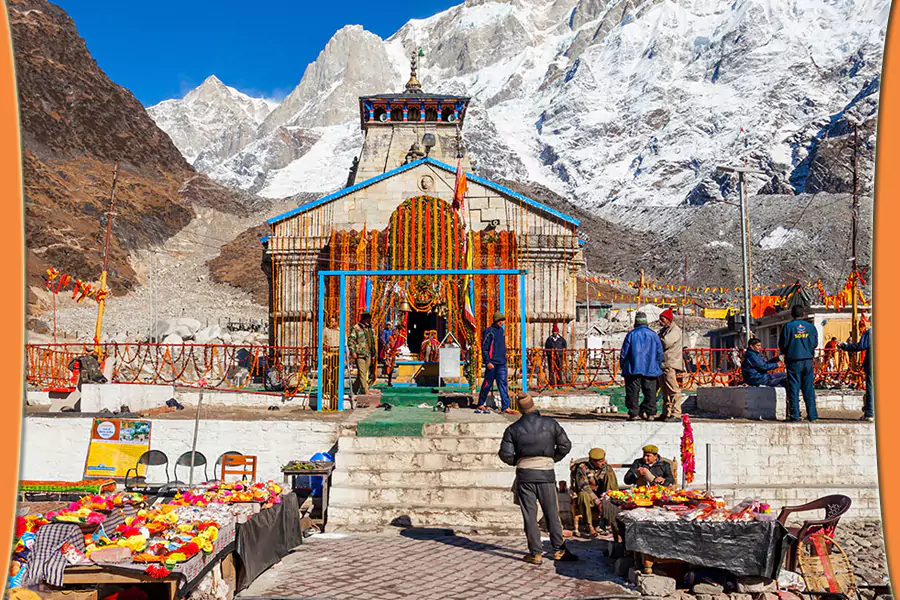
Amarnath Yatra 2026 Opening Dates! Check details

Amarnath Yatra 2026: Dates, Registration, Routes, Helicopter, and Details

Amarnath Yatra Packages

The Amarnath Yatra is one of the most revered and challenging pilgrimages in Hinduism. Every year, thousands of devotees undertake this journey to the holy Amarnath Cave to seek the blessings of Lord Shiva. The yatra, which takes place during the Shravan month (July-August), is marked by the formation of a natural ice lingam, believed to represent Lord Shiva. In this blog, we’ll provide all the essential information you need to plan your Amarnath Yatra 2026, including dates, registration process, routes, helicopter services, and important tips.

About Amarnath Yatra
About Amarnath Yatra

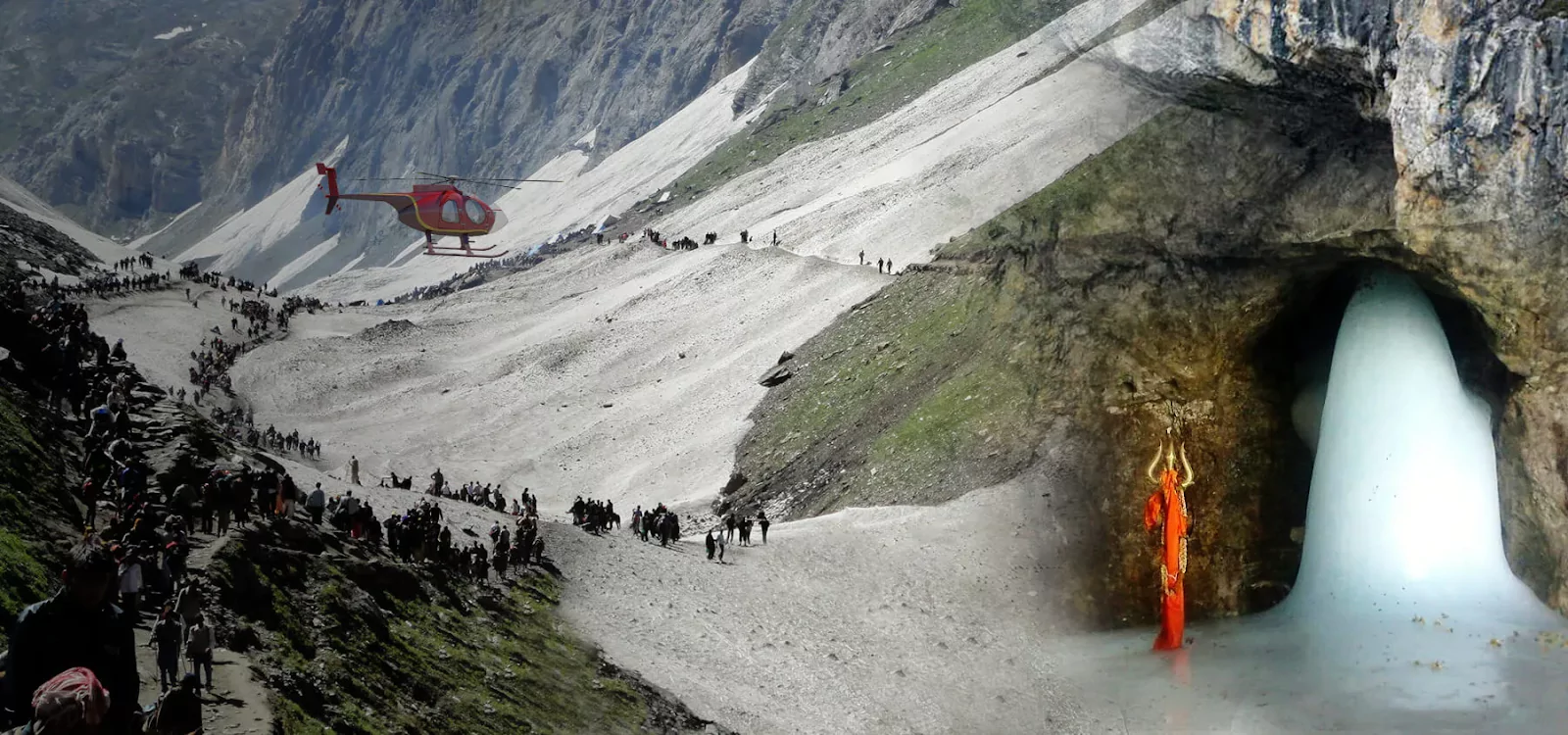
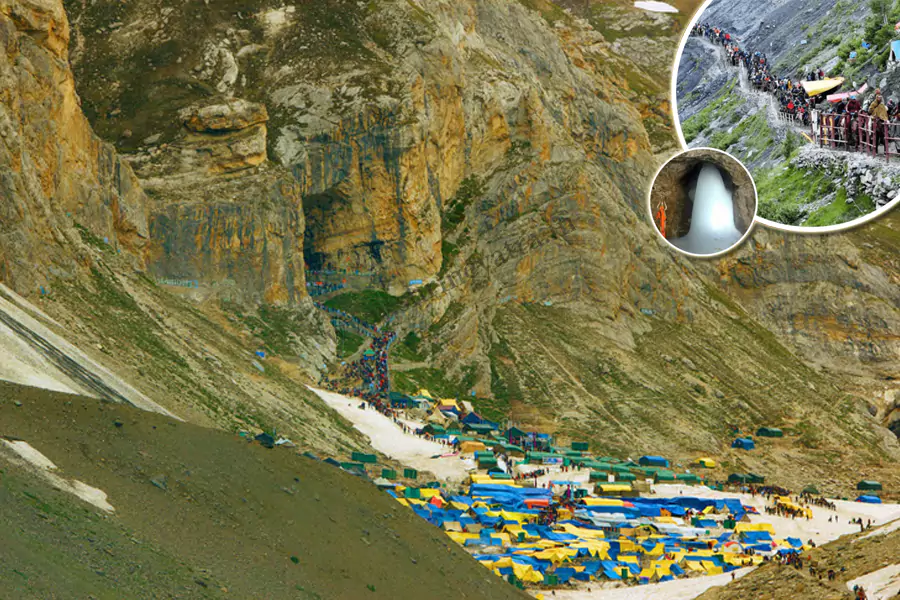
The Amarnath Yatra is an annual pilgrimage that attracts lakhs of devotees who visit the holy Amarnath Cave during the Shravan month (July-August) of the Hindu calendar. Located at an altitude of 3,888 meters, about 141 kilometers from Srinagar in Jammu and Kashmir, the Amarnath Cave is accessible only during this period. This cave is home to a naturally formed ice Shiva Lingam, which is believed to grow and shrink with the phases of the moon, reaching its peak size during the summer festival.

The journey to the cave is both challenging and exhilarating, requiring not just physical endurance but also deep faith. The annual yatra begins with the ‘Pratham Pujan,’ invoking the blessings of Baba Amarnath, Lord Shiva.

Important Dates for Amarnath Yatra 2026

The Amarnath Yatra 2026 will commence on June 30th and will end on August 9th. The registration for the yatra begins on April 17th, 2026. It is crucial to register early as there is a limit of 10,000 yatris per day, excluding those traveling by helicopter.

Key Dates:

Yatra Start Date: Announced will be soon
Yatra End Date: August 28, 2026
Registration Start Date: April 17, 2026

Registration Process for Amarnath Yatra 2026

The registration for Amarnath Yatra 2026 is done on a first-come, first-serve basis. Each yatri must submit an application form, a compulsory health certificate (CHC), and other required documents to obtain a yatra permit. The registration fee is INR 100 per yatri.

Steps to Register:

  • Application Form and Compulsory Health Certificate (CHC): Every yatri must submit a filled application form and a CHC issued by an authorized doctor or hospital.
  • Document Submission: The required documents include the CHC and a photo ID. These documents can be submitted at designated bank branches or online.
  • Online Registration: Visit the official website JKSASB to fill out the registration form and upload the necessary documents. The CHC must be in PDF format and the photo in JPEG/JPG format, not exceeding 1MB.
  • Group Registration: Since 2014, the Shri Amarnathji Shrine Board (SASB) has facilitated group registrations for yatris traveling together.

Amarnath Yatra Route

There are two primary routes to reach the Amarnath Cave:

Northern Route via Baltal
Amarnath Yatra via Baltal

  • Distance: 14 km
  • Duration: 1-2 days (round trip)
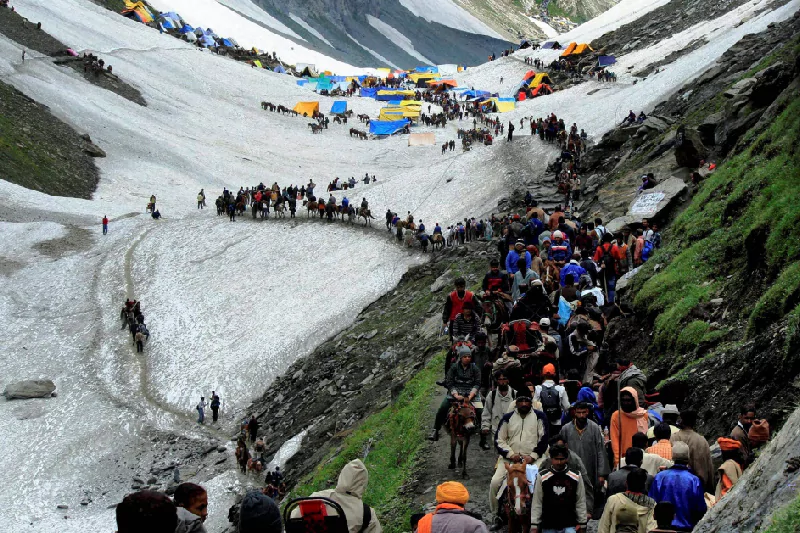
  • Details: This route is approximately 14 km long and is known for its steep ascent. It starts from Baltal and is ideal for those who prefer a shorter but more challenging trek. Due to safety reasons, ponies are not allowed on this route. Pilgrims can either walk or use Dandies (carried on a seat atop the shoulders of porters).

Traditional Route via Pahalgam
Amarnath Yatra via Pahalgam

  • Distance: 36-48 km
  • Duration: 3-5 days (one way)
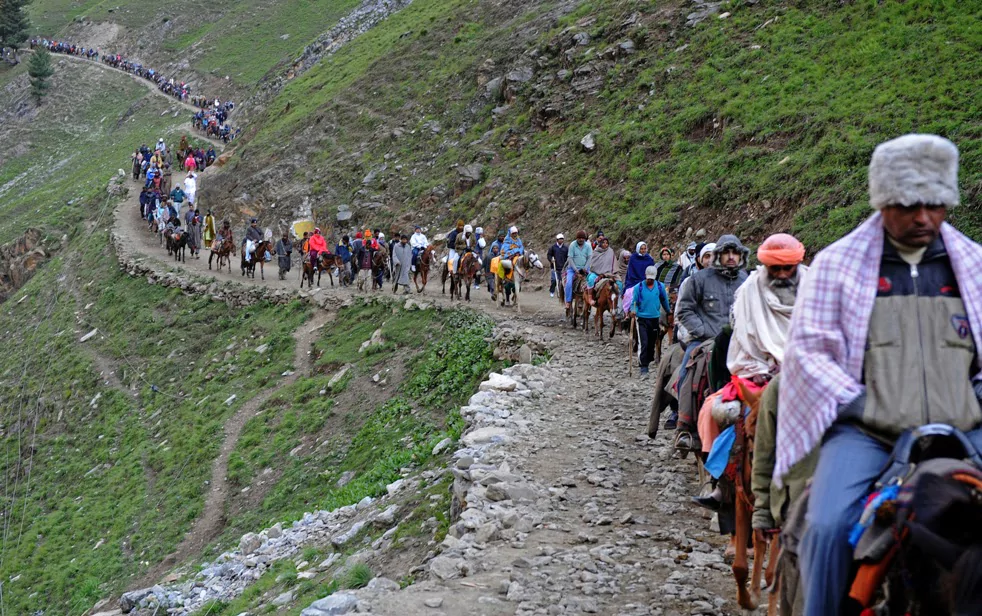
  • Details: This is the traditional and longer route, favored by most pilgrims. The trek varies from 36 to 48 km and usually takes 3-5 days one way. The Pahalgam route is less steep compared to the Baltal route, making it more suitable for aged or ailing devotees. This route is also known for its scenic beauty and gradual ascent.

Amarnath Trek Distance

The length of the trek varies from 36 to 48 km depending on the devotion of the pilgrim. The trek usually takes 3-5 days one way. The Amarnath route is much wider than the Baltal trek and slopes gradually. However, one will also find it crowded by ponies for almost the whole of the route. Aged, sick, or people with a past history of illnesses are advised to take this yatra route.

Both routes are equipped with facilities provided by the Indian Army, Central Government, State Government, and various non-profit organizations. These include medical aid centers, resting camps, and food stalls.

Helicopter Services for Amarnath Yatra

For pilgrims seeking a quicker and more convenient option, helicopter services are available from Baltal and Pahalgam to Panjtarni, just 6 km away from the Amarnath Cave. This service is particularly beneficial for elderly pilgrims or those with physical limitations who find the trek challenging.

Key Details:

  • Helipad Locations: Helicopters operate from Baltal and Pahalgam.
  • Booking Process: It’s essential to book helicopter tickets well in advance, especially during peak yatra season. Bookings can be made online, and each debit/credit card is allowed a maximum of five bookings.
  • Health Certificate Requirement: All passengers must possess a Compulsory Health Certificate (CHC) issued by authorized doctors or institutions specified by the Shri Amarnathji Shrine Board (SASB).
  • Journey to the Cave: Upon reaching Panjtarni, pilgrims embark on a 6 km trek to the Amarnath Cave. This trek, although shorter, requires careful consideration of altitude and weather conditions.

Essential Tips and Preparation for Amarnath Yatra 2026

Preparing for the Amarnath Yatra involves physical conditioning, acclimatization, and logistical readiness to ensure a safe and fulfilling pilgrimage experience.

Fitness Preparation:

  • Begin a regimen of daily walking or hiking several weeks before the yatra to build stamina and endurance.
  • Incorporate breathing exercises and yoga to improve lung capacity and oxygen efficiency, crucial for higher altitudes.
  • Hydrate adequately before and during the yatra to prevent dehydration and altitude-related illnesses.

Altitude and Weather Considerations:

  • Recognize the symptoms of altitude sickness, such as headache, nausea, and dizziness. Descend immediately if symptoms worsen.
  • Pack appropriate clothing layers, including warm clothing for cold nights and rain gear for unpredictable weather conditions.

Safety Precautions:

  • Carry a comprehensive first aid kit with essential medications, including those for altitude sickness, pain relief, and gastrointestinal issues.
  • Stay informed about the latest weather forecasts and route conditions. Follow instructions from yatra authorities and guides regarding safety protocols.

Accommodation and Food Facilities Along the Amarnath Yatra Route

During the Amarnath Yatra, various accommodation options cater to the diverse needs of pilgrims, offering both comfort and convenience.

Accommodation Options:

  • Prefabricated Huts: Available at strategic locations such as Baltal, Nunwan, Sheshnag, and Panjtarni. These huts provide basic shelter with options for bedding and sanitary facilities.
  • Private Tents and Huts: Offered by private contractors along the route, these accommodations range from economical options to more luxurious setups, accommodating different budgets and preferences.

Food Facilities:

  • Langar Services: Non-profit organizations and volunteers set up Langars (community kitchens) at various points along the yatra route. They offer free meals and refreshments to pilgrims, promoting community spirit and support.
  • Restaurants and Tea Stalls: Small eateries and tea stalls provide additional food options, including local delicacies and beverages, catering to pilgrims’ dietary preferences and cultural tastes.

Safety Measures and Support Services

The safety and well-being of pilgrims undertaking the Amarnath Yatra are paramount, supported by comprehensive safety measures and dedicated support services.

Medical and Emergency Support:

  • Medical Aid Centers (MACs): Strategically located MACs provide immediate medical assistance, including basic healthcare services and emergency treatment.
  • Emergency Aid Centers (EACs): Equipped with advanced medical facilities, EACs cater to critical medical emergencies and evacuations, ensuring prompt response and intervention.

Transportation and Communication:

  • Transport Facilities: The Jammu and Kashmir State Road Transport Corporation (JKSRTC) operates buses from Jammu to Pahalgam and Baltal, facilitating seamless travel logistics for pilgrims.
  • BSNL Connectivity: BSNL connectivity is available along the yatra route, with pre-loaded yatra SIMs available for INR 230, supporting pilgrims with communication needs. Pre-loaded yatra SIM cards are available for purchase, ensuring connectivity in remote areas.

The Legend of Amarnath

The Amarnath Yatra legend tells of Lord Shiva revealing the secrets of life and eternity to Goddess Parvati inside the Amarnath Cave. This sacred journey symbolizes letting go of worldly attachments, much like Shiva did by leaving his companions behind on the way to the cave. Each year, millions of pilgrims embark on this challenging trek in the Himalayas, seeking spiritual enlightenment and divine blessings where Shiva meditated. The Amarnath Yatra is not just a pilgrimage but a profound spiritual experience that attracts devotees from around the world.

Nearby Attractions

While on the Amarnath Yatra, take the opportunity to visit the beautiful nearby locations such as Srinagar, Gulmarg, Pahalgam, and Sonamarg. These destinations offer a chance to immerse yourself in Kashmir’s natural beauty, explore its rich cultural heritage, and enjoy various recreational activities.

Final Tips for a Safe and Enjoyable Yatra

  • Fitness: Prepare for the yatra by walking 4-5 km daily and practicing breathing exercises. Building stamina is crucial for tackling the demanding terrain and altitude.
  • Hydration: Drink plenty of water to stay hydrated throughout the journey. Proper hydration is essential for maintaining energy levels and preventing altitude-related issues.
  • Altitude Sickness: If you experience symptoms of altitude sickness, such as headaches, dizziness, or nausea, descend immediately and seek medical help at the nearest facility. Prompt action is vital to ensure your safety.
  • Avoid Alcohol and Caffeine: These can exacerbate dehydration and altitude sickness, making the trek more challenging. It’s best to avoid them during the yatra.
  • Medical Check: Carry your original Photo ID and Medical Certificate at all times. These documents are essential for registration and in case of emergencies.

Final Thoughts

The Amarnath Yatra is not just a pilgrimage but a journey of faith, devotion, and resilience. By following the guidelines and preparing adequately, yatris can ensure a safe and fulfilling yatra in 2026. May the blessings of Lord Shiva guide and protect all devotees on this sacred journey.

Prepare well, stay safe, and embark on this spiritual quest with a heart full of devotion. Safe travels & Om Namah Shivaya!

For more information and updates, visit the official Shri Amarnathji Shrine Board.
Recommended Tours:

Benefits of Early Registration for Amarnath Yatra

Amarnath Yatra By Helicopter Via Baltal

If you’re planning to undertake the Amarnath Yatra 2026, it’s crucial to understand the many advantages of registering early. The Amarnath Yatra is a revered pilgrimage to the sacred cave of Lord Shiva in the Himalayas. As one of the most significant pilgrimages for Hindus, it draws thousands of devotees annually. In this article, we’ll explore the benefits of early registration for the Amarnath Yatra in 2026 and why you should register as soon as possible.

Importance of Amarnath Yatra

The Amarnath Yatra is a vital pilgrimage for Hindus, occurring in the month of Shravan (July-August) every year. It is renowned as one of the most challenging pilgrimages globally, where devotees trek through the rugged Himalayan terrain to reach the holy cave of Lord Shiva, home to a naturally forming ice lingam. Participating in the yatra is a profound spiritual journey, believed to cleanse sins and bring divine blessings.

What is Early Registration?

Early registration refers to securing your spot for the Amarnath Yatra well ahead of the pilgrimage dates. The registration typically opens several months before the yatra begins. By registering early, you guarantee your participation and avoid the long queues that often form during peak times.

Benefits of Early Registration

There are numerous benefits to registering early for the Amarnath Yatra. Let’s delve into some of them:

Securing Your Place

One of the primary benefits of early registration is securing your place on the yatra. Due to safety regulations, the number of devotees allowed to participate is limited, and registration operates on a first-come, first-served basis. By registering early, you ensure your spot and avoid potential disappointment.

Avoiding Long Waiting Lines

During peak periods, the registration lines and other processes can be incredibly long. Early registration helps you bypass these long waits, saving you time and reducing stress. It also allows you to avoid the last-minute rush and ensure a smoother experience.

Saving Money on Travel and Accommodation

Early registration can also lead to cost savings on travel and accommodation. Many travel operators provide early bird discounts and special packages for those who register in advance. By taking advantage of these offers, you can make your trip more affordable.

Planning Your Trip in Advance

Registering early allows you to plan your trip well in advance. You can book your travel and accommodation ahead of time, avoiding the chaos of last-minute arrangements. This extra time also enables you to prepare adequately for the yatra, ensuring everything is in place.

Ensuring Safety and Security

Finally, early registration contributes to safety and security. Authorities monitor the number of devotees participating in the yatra and make the necessary arrangements to ensure their safety. By registering early, you assist in this process, contributing to a safer yatra for everyone involved.

Conclusion

In summary, early registration for the Amarnath Yatra in 2026 offers numerous advantages. It secures your place, saves time by avoiding long waiting lines, reduces costs on travel and accommodation, allows for advanced trip planning, and ensures greater safety. If you’re planning to participate in the Amarnath Yatra, early registration is highly recommended. It not only makes your journey more comfortable and stress-free but also enables you to focus more on the spiritual aspects of the pilgrimage, connecting deeply with Lord Shiva.

Moreover, early registration can provide a sense of accomplishment and peace of mind, knowing that your place is secured, allowing you to fully immerse in the spiritual journey ahead.

If you’re planning trip to kashmir with Amarnath Yatra, visit shrineyata.in.

FAQs about Amarnath Yatra

When does registration for the Amarnath Yatra usually start?

Registration typically begins several months before the pilgrimage.

What are the benefits of early registration?

Early registration helps secure your place on the yatra, avoid long queues, save money on travel and accommodation, plan your trip in advance, and ensure safety.

Can I register for the Amarnath Yatra at the last minute?

Last-minute registration is possible, but it can be stressful and may not guarantee your place on the yatra.

Is the Amarnath Yatra safe?

Authorities take every precaution to ensure the safety of devotees during the Amarnath Yatra. However, following all guidelines and instructions is essential for a safe and enjoyable pilgrimage.

What is the significance of the Amarnath Yatra?

The Amarnath Yatra is a significant Hindu pilgrimage believed to cleanse sins and bring blessings. It offers a spiritual connection with Lord Shiva and a chance to experience his divine presence.

How to Plan Amarnath Yatra

Amarnath Yatra By Helicopter Via Baltal

The Amarnath Yatra is far more than just a pilgrimage; it’s a deeply spiritual journey embedded in the faith and devotion of millions of Hindus around the world. Nestled amidst the awe-inspiring Himalayan mountains in Jammu and Kashmir, the Amarnath Cave houses an ice lingam, symbolizing Lord Shiva, making it one of the holiest sites in Hinduism. Each year, countless devotees embark on this challenging journey to pay homage to Lord Shiva and seek his blessings.

How to Plan Amarnath Yatra

Significance

The Amarnath Yatra holds immense significance due to its connection with Lord Shiva and the profound spiritual experience it offers to devotees. According to Hindu mythology, this cave is where Lord Shiva disclosed the secrets of eternity and creation to Goddess Parvati. Pilgrims believe that a visit to the Amarnath Cave and witnessing the ice lingam brings divine blessings and fulfills their wishes, making it a deeply transformative spiritual experience.

Opening/Closing Dates 2026

The Amarnath Yatra for 2026 is set to begin on last week of june and conclude on August 28th. These dates align with the sacred period when the Amarnath Cave is open to devotees, corresponding with the auspicious Hindu month of Shravan.

Best Time to Visit

The optimal time for the Amarnath Yatra is during July and August when the pilgrimage route is accessible, and weather conditions are relatively mild. It’s crucial to avoid the monsoon season and extreme winter months when the area experiences harsh conditions, ensuring a safer and more comfortable journey.

How to Reach

Careful planning is necessary to reach the starting points of the Amarnath Yatra, Baltal, and Pahalgam, considering the available transportation options.

Air Travel: The closest airport is Srinagar Airport, with domestic flights connecting major Indian cities. From Srinagar, pilgrims can hire taxis or use public transport to reach Baltal or Pahalgam.

Rail Travel: Jammu is the nearest major railway station, well-connected to cities across India. From Jammu, pilgrims can travel by road to Baltal or Pahalgam.

Road Travel: State transport buses and private taxis are available from major cities like Jammu and Srinagar to Baltal and Pahalgam, providing convenient access to the pilgrimage routes.

Route Map

The Amarnath Yatra includes two primary routes, each offering a unique experience:

Baltal Route: This shorter route covers approximately 14 kilometers but features steeper terrain. Pilgrims on this path face a more challenging trek but are rewarded with stunning mountain views.

Pahalgam Route: The traditional route from Pahalgam spans a longer distance of around 36 to 48 kilometers, winding through scenic valleys and lush forests. This route offers a more gradual ascent, making it suitable for those seeking a less strenuous trek.

Amarnath Trek Distance

The distance to the Amarnath Cave varies depending on the chosen route:

Baltal Route: About 14 kilometers

Pahalgam Route: Between 36 to 48 kilometers

The trek generally takes 3 to 5 days one way, allowing pilgrims ample time to engage in spiritual practices and rituals along the journey.

Transportation

While trekking remains the traditional mode of reaching the Amarnath Cave, helicopter services have become increasingly popular for those seeking a quicker and more convenient journey. Additionally, state transport buses and private operators offer bus services from Jammu to Baltal and Pahalgam, facilitating easier access to the pilgrimage routes.

Accommodation

Pilgrims have various accommodation options along the Amarnath Yatra route to suit their needs:

Camps: Managed by the Shri Amarnathji Shrine Board and private contractors, these camps with prefabricated huts and private tents provide comfortable lodging during the pilgrimage, equipped with essential amenities.

Food

Pilgrims can find food and refreshment facilities at several locations along the Amarnath Yatra route:

Langar Services: Free meals are provided at designated sites, fostering a sense of community among devotees.
Tea Stalls and Restaurants: Numerous tea stalls and small restaurants along the route offer nourishing meals and refreshments to keep pilgrims energized.

Facilities

Several facilities are available to enhance the overall experience and ensure the safety and well-being of pilgrims:

  • Medical Aid Centers: Located along the route, these centers provide healthcare services and emergency aid.
  • Cloakroom Facilities: Pilgrims can securely store their belongings at designated cloakrooms, reducing the burden during the trek.
  • Transportation Services: Buses and helicopters offer convenient transportation options to and from the pilgrimage sites.
  • Communication Facilities: BSNL connectivity ensures pilgrims can stay in touch with loved ones and access essential information during the journey.

Tour Cost

The cost of an Amarnath Yatra package by helicopter varies depending on factors such as accommodation, transportation, and additional services. Pilgrims can choose from a range of packages offered by travel agencies and organizers, catering to different budgets and preferences.

Itinerary

A sample itinerary for an Amarnath Yatra by helicopter might include:

Day 1: Arrival in Srinagar, transfer to Baltal or Pahalgam
Day 2: Helicopter ride to the Amarnath Cave, darshan, and return to base camp
Day 3: Departure from Baltal or Pahalgam, transfer to Srinagar for onward journey

Registration

Pilgrims can register for the Amarnath Yatra online through the official website of the Shri Amarnathji Shrine Board. Necessary documents, including a Compulsory Health Certificate (CHC), must be submitted during the registration process. Offline registration is also available at designated bank branches.

Travel Tips

Key travel tips for pilgrims include:

  • Physical Fitness: Prepare physically for the trek with regular exercise.
  • Hydration: Drink plenty of water to stay hydrated and prevent altitude sickness.
  • Medications: Bring essential medications and a first-aid kit, including altitude sickness remedies and prescribed medications.
  • Safety: Follow safety guidelines, wear appropriate trekking gear, and stick to designated routes and timings.
  • Respect: Honor the environment and cultural significance of the site by avoiding littering, disturbing wildlife, or any activities that could disrupt the sanctity of the surroundings.

FAQ’s

Q-1: What is the Amarnath Yatra?

Ans: It’s an annual pilgrimage to the Amarnath Cave in Jammu and Kashmir, dedicated to Lord Shiva.

Q-2: When does it take place?

Ans: Usually in June or July, lasting around a month, in line with the Hindu calendar.

Q-3: How long is the trek?

Ans: Approximately 36-48 kilometers (28-30 miles) over 3-5 days.

Q-4: What are the routes?

Ans: Pahalgam (longer, scenic) and Baltal (shorter, steep).

Q-5: Is it physically demanding?

Ans: Yes, due to high altitude and terrain. Physical preparation is advised.

Q-6: What safety precautions are necessary?

Ans: Register with the Shrine Board, undergo medical check-ups, carry appropriate gear, and follow authorities’ instructions.

Q-7: Are there age or health restrictions?

Ans: Yes, restrictions apply based on age and health conditions due to the strenuous journey.

Q-8: Is accommodation available?

Ans: Yes, but it’s limited, so booking in advance is recommended.

Q-9: What’s the significance of the cave?

Ans: It’s where Lord Shiva revealed the secret of immortality and is worshipped as the Shiva Lingam.

Q-10: What rituals are involved?

Ans: Chanting prayers, performing aarti, offering prayers, making donations, and taking a dip in the holy Amarnath stream.

Undertaking the Amarnath Yatra is a profound spiritual experience that transcends the physical trek, touching the depths of one’s soul. As pilgrims navigate the rugged Himalayan terrain, they are not just travelers but seekers of divine grace and enlightenment. This journey instills humility, reverence, and gratitude, connecting devotees with the sacredness of the Amarnath Cave and the eternal presence of Lord Shiva. With meticulous preparation and unwavering faith, pilgrims can embark on this transformative pilgrimage, assured of divine blessings and spiritual fulfillment.

How to Plan Your Chardham Yatra Package?

Chardham Yatra Tour Package

Embarking on a spiritual journey is a deeply enriching experience, and one such pilgrimage that holds great significance for Hindus is the Chardham Yatra. Located in the picturesque state of Uttarakhand in India, Chardham refers to the four sacred sites of Yamunotri, Gangotri, Kedarnath, and Badrinath. These revered destinations draw millions of devotees every year who seek spiritual solace and blessings. Planning a Chardham Yatra requires careful consideration and organization to ensure a smooth and fulfilling journey. In this article, we will guide you through the process of planning your Chardham Yatra, covering various aspects such as understanding Chardham, preparing for the journey, planning the itinerary, chardham yatra packages, packing essentials, safety and health considerations, cultural and spiritual etiquette, budgeting and financial planning, and making the most of the experience.

Understanding Chardham

Chardham holds immense religious significance for Hindus as it is believed that visiting these four sacred sites can cleanse one’s soul and pave the way for spiritual liberation. Yamunotri is the source of the Yamuna River, and it is believed that a dip in its holy waters can wash away sins. Gangotri is the origin of the Ganges River and is associated with Goddess Ganga. Kedarnath is dedicated to Lord Shiva and is home to one of the twelve Jyotirlingas, while Badrinath is dedicated to Lord Vishnu and is considered one of the holiest shrines in Hinduism. Understanding the significance and mythology associated with each of these sites will enhance your spiritual experience during the Yatra.

Preparing for the Journey

Before embarking on the Chardham Yatra, it is essential to make the necessary preparations. Start by researching the best time to visit, as the climate in Uttarakhand can vary significantly throughout the year. The Yatra usually begins in April or May and continues until October or November, with the peak season being from May to June and September to October. Consider the weather conditions, crowd levels, and availability of accommodation during these months to plan your trip accordingly.

Planning the Itinerary

Planning a well-structured itinerary is crucial for a successful Chardham Yatra. Begin by determining the duration of your journey and the order in which you wish to visit the four sites. The traditional sequence is Yamunotri, Gangotri, Kedarnath, and Badrinath. However, you can customize your itinerary based on your preferences and convenience. Allocate sufficient time at each destination to explore the temples, participate in religious rituals, and soak in the spiritual ambiance. Consult travel guides, seek advice from experienced travelers, and consider hiring a local tour operator to assist you in creating a comprehensive itinerary.

Packing Essentials

Packing the right essentials is essential for a comfortable and hassle-free pilgrimage. Start with lightweight and comfortable clothing suitable for the prevailing weather conditions. Carry sturdy walking shoes or sandals as you may need to trek or walk long distances. Don’t forget to pack personal hygiene items, medications, and a first aid kit. It is advisable to carry a small backpack to keep essential items such as water bottles, snacks, sunscreen, and a hat during your temple visits. Additionally, carry a copy of your identification documents, travel insurance, and emergency contact numbers.

Safety and Health Considerations

When undertaking a pilgrimage, safety should be a top priority. Here are a few safety tips to keep in mind:

  • Stay Hydrated: Carry an adequate amount of water and drink regularly to prevent dehydration, especially during long treks.
  • Acclimatize Properly: The high altitudes in Uttarakhand can cause altitude sickness. Take necessary precautions, such as resting, drinking plenty of fluids, and avoiding strenuous activities.
  • Travel in Groups: Whenever possible, travel in groups or with a trusted travel operator for safety and security.
  • Follow Local Guidelines: Respect the rules and guidelines set by the local authorities, especially during natural calamities or adverse weather conditions.

Cultural and Spiritual Etiquette

Visiting Chardham is not only a religious journey but also an opportunity to immerse yourself in the rich culture and traditions of the region. Show respect for the local customs and traditions by dressing modestly, refraining from public displays of affection, and seeking permission before photographing people or religious sites. Participate in the religious rituals with sincerity and humility, and be mindful of the serenity and sanctity of the temples. It is customary to carry a small offering of flowers, fruits, or sweets as a token of devotion when visiting the temples.

Budgeting and Financial Planning

Proper budgeting and financial planning are crucial for a successful Chardham Yatra. Consider expenses such as transportation, accommodation, meals, entrance fees, and donations at the temples. Research and compare prices of hotels or guesthouses to find options that suit your budget. It is advisable to carry sufficient cash as ATMs may not be readily available in remote areas.

Making the Most of the Experience

To make the most of your Chardham Yatra, keep the following tips in mind:

  • Seek Spiritual Guidance: Engage with priests, sadhus (holy men), and local guides to gain a deeper understanding of the religious significance and rituals associated with each site. Their insights can enhance your spiritual experience.
  • Immerse in the Natural Beauty: Uttarakhand is known for its breathtaking landscapes. Take the time to appreciate the scenic beauty surrounding the temples. Capture the moments in your memory and through photographs.
  • Practice Self-Reflection: Use this pilgrimage as an opportunity for self-reflection and introspection. Take moments of silence, meditate, and connect with your inner self. The tranquil environment of Chardham provides an ideal setting for spiritual contemplation.
  • Embrace the Local Culture: Interact with the locals, taste the local cuisine, and learn about the unique traditions and customs of the region. This will enrich your overall experience and create lasting memories.

Conclusion

The Chardham Yatra is a sacred pilgrimage that offers a profound spiritual experience for devotees. By understanding the significance of each site, planning your journey meticulously, packing the essentials, prioritizing safety and health, respecting cultural and spiritual etiquette, budgeting wisely, and making the most of the experience, you can ensure a fulfilling and memorable Chardham Yatra 2025. Remember, this journey is not just about visiting temples, but also about connecting with your inner self and seeking spiritual solace amidst the awe-inspiring beauty of Uttarakhand. May your Chardham Yatra 2025 be a transformative and enlightening journey.

Recommended Tours

Ultimate Chardham Yatra Travel Guide for 2026

Chardham Yatra with Family Package

In the world of hustle and hectic schedules, many seek peace and relaxation. For those on a spiritual quest, the Chardham Yatra offers a fulfilling journey surrounded by mystic mountains and calming climates. This sacred pilgrimage, which includes visits to Kedarnath, Badrinath, Gangotri, and Yamunotri, immerses you in spiritual vibes and serenity.

About Char Dham Yatra

Char Dham Yatra, meaning “the four abodes,” is a revered pilgrimage to four ancient temples in the North Indian state of Uttarakhand. Also known as the ‘Chhota Char Dham,’ this journey is distinguished from the larger Char Dham circuit of India. The four temples—Yamunotri Dham, Gangotri Dham, Kedarnath Dham, and Badrinath Dham—hold immense significance in Hinduism, each offering a unique spiritual experience.

Best Time for Char Dham Yatra

The Char Dham Yatra is accessible during the six months when the shrines are open to devotees. Given their location in the Himalayas, these temples are subject to extreme weather conditions. Therefore, it’s crucial to check the weather forecast before embarking on your journey. The months of May and June are ideal for the Yatra, as the weather is pleasant, with temperatures neither too hot nor too cold, making travel comfortable.

Char Dham Yatra Route

The Char Dham Yatra covers a route that takes you through some of the most sacred sites in Uttarakhand. Traditionally, the journey begins at Haridwar, known as the “Gateway to Gods,” which is well-connected to all four temples. According to Hindu tradition, the pilgrimage should proceed clockwise, starting from Yamunotri to Gangotri, then Kedarnath, and finally Badrinath.

Suggested Route:

Haridwar → Dharasu → Yamunotri → Uttarkashi → Gangotri → Rudraprayag → Kedarnath → Rudraprayag → Badrinath

Char Dham Yatra Registration

Registration is mandatory for the Char Dham Yatra, ensuring the safety and well-being of all pilgrims. The Uttarakhand government has made it compulsory for everyone visiting Char Dham or Hemkund Sahib to register.

You can register online or offline, though online registration is more convenient. For the Chardham E-Pass, you will need valid ID proof and a passport-sized photo. Completing the registration process in advance will save time and help you avoid last-minute hassles.

Where to Eat?

Throughout the Char Dham tour, you can enjoy meals at local restaurants. However, as you progress toward Kedarnath, dining options become limited. While you’ll still find local dishes, it’s advisable to carry ready-to-eat food and drinks to ensure you’re well-prepared.

Where to Stay?

Accommodation options vary from basic to standard hotels and homestays along the Char Dham route. Staying in local homestays offers a chance to interact with the local community and experience their hospitality. Although camping is an option, it’s best avoided when traveling with family.

What to Pack?

Packing the right essentials is key to a successful Chardham Yatra. Here’s a checklist to ensure you’re prepared:

  • Warm Clothes: Layered clothing for varying temperatures
  • First Aid Kit: Health safety is a priority
  • Personal Items: Toiletries, medications, and hygiene products
  • Identification & Documentation: Keep your ID and registration documents handy
  • Cash: ATMs are scarce in remote areas
  • Snacks: Energy bars and dry fruits for quick nourishment
  • Comfortable Backpack: A sturdy, comfortable backpack for your essentials
  • Hiking Shoes: Durable, comfortable shoes for trekking

Insider’s Tips for Char Dham Yatra

  • Don’t Overpack: Carry only essentials to keep your load light.
  • Plan Ahead: Make reservations in advance, especially during peak season.
  • Stay Hydrated: Drink plenty of water to avoid dehydration at high altitudes.
  • Be Prepared for Altitude: Acclimatize properly to prevent altitude sickness.
  • Carry Cash: Withdraw cash before heading into remote areas.
  • Carry Food: Dry and packaged food can be a lifesaver on the road.
  • Medication: Bring necessary medicines and a personal first aid kit.
  • Follow Local Customs: Respect the traditions and customs of the regions you visit.
  • Choose the Right Time: Plan your trip for favorable weather conditions.
  • Rain Gear: Keep rain gear handy, as the weather can be unpredictable.

Conclusion

The Chardham Yatra is a spiritual journey that promises to be both challenging and rewarding. It’s a pilgrimage that requires not just physical preparation but also mental and spiritual readiness. Whether you’re seeking divine blessings or simply wish to connect with nature and your inner self, the Char Dham Yatra offers an experience of a lifetime. Embark on this sacred journey, and let the divine energy of the Himalayas guide you to inner peace and fulfillment.

BOOK NOW PACKAGE HERE:

Ultimate Kedarnath Travel Guide for 2026

Kedarnath Temple

The Kedarnath Temple, an ancient and revered pilgrimage site, is nestled in the Himalayas and holds immense spiritual significance. Believed to be over 1200 years old, it is said to have been built by the Pandavas to atone for their sins. Later, the great saint Adi Shankaracharya restored the temple, which today stands as a beacon of devotion to Lord Shiva. The journey to Kedarnath, part of the Char Dham Yatra, is not only a spiritual pilgrimage but also a test of endurance and resolve.

Things to Know Before Planning a Trip to Kedarnath

To help you prepare for this sacred journey, here’s the ultimate Kedarnath travel guide, covering everything you need to know.

Best Time to Visit

Kedarnath Temple is accessible only during specific months of the year. The temple doors open in late April or early May and close around Diwali in October-November. The ideal time to visit Kedarnath is from April to June, when the weather is pleasant, and the region is free from heavy rainfall and snowfall. Avoid the monsoon season, as landslides and roadblocks are common.

Kedarnath Trek Distance

The Kedarnath trek covers a distance of 16 km from Gaurikund to the temple. Though challenging, the trek is made easier by the breathtaking views of snow-capped peaks and lush green valleys. The trek is strenuous, so it’s advisable to prepare physically and mentally before embarking on this journey.

Registration Process

All pilgrims must register for the Kedarnath Yatra. The registration can be done online through the official Uttarakhand Char Dham Devasthanam Management Board’s website or offline at designated locations like Haridwar railway station, Rishikesh bus stand, and Sonprayag. Carrying a valid ID and the registration document during the yatra is mandatory.

Where to Eat?

Kedarnath offers limited food options, primarily small dhabas and eateries serving vegetarian meals in line with the pilgrimage’s spiritual nature. It’s recommended to carry ready-to-eat snacks, energy bars, and drinks to ensure you’re well-nourished throughout the trek.

Where to Stay?

Accommodation in Kedarnath is basic, with options ranging from guesthouses to dormitories. GMVN (Garhwal Mandal Vikas Nigam) provides camps, tents, and rest houses in Kedarnath and nearby Gaurikund. It’s advisable to book accommodations in advance, especially during peak pilgrimage season.

Route Map of Kedarnath Trek

Before starting your Kedarnath trek, familiarize yourself with the route:

  • Delhi
  • Haridwar
  • Rishikesh
  • Devprayag
  • Srinagar
  • Rudraprayag
  • Agastyamuni
  • Guptkashi
  • Phata
  • Rampur
  • Sonprayag
  • Gaurikund
  • Lincholi
  • Kedarnath

What to Pack?

  • Backpack: Choose a sturdy, comfortable backpack with padded straps.
  • Clothing: Layering is key. Carry warm clothes, a base layer, fleece, and a jacket.
  • Trekking Shoes: Invest in high-quality hiking shoes for the trek.
  • Sleeping Bags: While beds are provided, carrying a sleeping bag or bed sheets can be useful.
  • Essentials: ID proofs, registration documents, personal medications, a first-aid kit, sunglasses, sunscreen, and toiletries.
  • Gadgets: Carry a power bank and a flashlight.
  • Cash: There is an ATM in Kedarnath, but it’s safer to carry cash from earlier points.
  • Snacks: Energy bars, dry fruits, and quick snacks for the trek.

Safety Measures and Health Considerations

Prioritizing safety and health is crucial during the Kedarnath trek:

  • Guide: Hire a qualified guide familiar with the terrain.
  • Weather: Stay updated on weather conditions and prepare accordingly.
  • Acclimatization: Avoid altitude sickness by acclimatizing gradually. Stay hydrated, avoid alcohol, and ascend slowly.
  • First Aid: Carry essential medications and a well-stocked first-aid kit.

Insider’s Tips

  • Warm Clothes: Carry enough warm clothing as temperatures can drop drastically.
  • Avoid Monsoons: The rainy season is prone to landslides, so it’s best to avoid it.
  • Hiking Shoes: Invest in good-quality hiking shoes for comfort and safety.
  • Dry Food: Carry sufficient dry food and water for the journey.

Places to Visit During the Trip

  • Bhairavnath Temple: Located near Kedarnath, this temple offers stunning views.
  • Tungnath: Another revered Shiva temple, part of the Panch Kedar.
  • Sonprayag: A picturesque spot where rivers Basuki and Mandakini meet.
  • Chandrashila: A peak near Tungnath, offering panoramic views of the Himalayas.
  • Guptkashi: A spiritual site with rich history and scenic beauty.

Things to Do in Kedarnath

  • Trekking: The 16 km trek to Kedarnath is a fulfilling challenge.
  • Sunset Views: Witness the magical sunset against the backdrop of the Himalayas.
  • Mountain Sights: Soak in the awe-inspiring views of the snow-capped peaks.
  • Chorabari Tal: A serene lake near Kedarnath, perfect for a peaceful visit.

Get ready for a spiritual journey of a lifetime with our ultimate Kedarnath travel guide. Whether you’re seeking the blessings of Lord Shiva or simply wish to experience the serene beauty of the Himalayas, this guide will ensure you’re well-prepared for the adventure ahead.

Delhi to Chardham Yatra: A Complete Travel Guide

Luxury Char Dham Yatra Package

The Chardham Yatra is one of India’s most revered pilgrimages, attracting thousands of devotees each year. Beginning your spiritual journey from Delhi offers a blend of adventure, devotion, and natural beauty as you traverse the sacred paths of Uttarakhand. This comprehensive guide will help you plan your Chardham Yatra from Delhi, ensuring a smooth and fulfilling pilgrimage.

Introduction to Chardham Yatra

The Chardham Yatra covers four sacred destinations: Yamunotri, Gangotri, Kedarnath, and Badrinath. Each of these sites, nestled in the majestic Himalayas, offers a unique spiritual experience and breathtaking landscapes. This pilgrimage is not only a religious journey but also an opportunity to explore India’s rich cultural heritage.

Best Time to Undertake the Chardham Yatra

The ideal time to embark on the Chardham Yatra is between late April and early November. The temples open for devotees in April-May and close by Diwali in October-November. Avoid the monsoon season (July to September) due to the risk of landslides and heavy rains, which can make travel challenging.

Planning Your Journey: Chardham Yatra from Delhi

1. Route and Itinerary

Starting from Delhi, the typical route for the Chardham Yatra is as follows:

  • Day 1: Delhi to Haridwar (230 km)
  • Day 2: Haridwar to Barkot (220 km)
  • Day 3: Barkot to Yamunotri and back to Barkot (36 km drive + 6 km trek each way)
  • Day 4: Barkot to Uttarkashi (100 km)
  • Day 5: Uttarkashi to Gangotri and back to Uttarkashi (100 km each way)
  • Day 6: Uttarkashi to Guptkashi (220 km)
  • Day 7: Guptkashi to Kedarnath (32 km drive + 16 km trek)
  • Day 8: Kedarnath to Guptkashi (16 km trek + 32 km drive)
  • Day 9: Guptkashi to Badrinath (200 km)
  • Day 10: Badrinath to Rudraprayag (160 km)
  • Day 11: Rudraprayag to Haridwar (140 km)
  • Day 12: Haridwar to Delhi (230 km)

2. Chardham Yatra Package

Opting for a Chardham Yatra package can simplify your journey. These packages usually include accommodations, food, transportation, and guided tours, making your pilgrimage more comfortable and organized. Some packages also offer helicopter services to Kedarnath, which can be particularly helpful for those with time constraints or physical limitations.

3. Transportation Options

From Delhi, you can reach Haridwar, the gateway to the Chardham Yatra, by train, bus, or private car. Haridwar is well-connected by road and rail, making it an easy starting point. From Haridwar, you can continue your journey by hiring a taxi, taking a bus, or using a pre-arranged travel package that covers transportation.

Detailed Pilgrimage Sites

Yamunotri

The journey begins at Yamunotri, the source of the Yamuna River, where the temple dedicated to Goddess Yamuna is located at an altitude of 3,293 meters. The 6 km trek from Janki Chatti to the temple offers picturesque views. Don’t miss the hot springs near the temple, where devotees prepare prasad (offering) by cooking rice.

Gangotri

Next, the journey continues to Gangotri, the origin of the sacred Ganges River. At 3,100 meters above sea level, the Gangotri Temple honors Goddess Ganga. Many pilgrims also trek to Gaumukh, the glacier that forms the actual source of the Ganges, located 19 km from Gangotri.

Kedarnath

Kedarnath, one of the most revered Shiva temples, is situated at an altitude of 3,583 meters. Pilgrims undertake a challenging 16 km trek from Gaurikund to reach the temple. The surrounding snow-capped peaks make this journey a spiritually uplifting experience. Helicopter services are available for those who prefer not to trek.

Badrinath

The final destination is Badrinath, dedicated to Lord Vishnu, located at an altitude of 3,133 meters. The temple, flanked by the Nar and Narayan mountain ranges, is significant for Vaishnavites. Nearby, the hot springs of Tapt Kund are believed to have healing properties.

Travel Tips for Chardham Yatra

1. Health and Fitness

The Chardham Yatra involves extensive trekking and high-altitude travel. Ensure you are physically prepared and consult your doctor if you have any health concerns. Acclimatization is crucial to avoid altitude sickness.

2. Packing Essentials

Pack warm clothing, comfortable trekking shoes, rain gear, and any necessary medications. Carry essential items like energy bars, dry fruits, a water bottle, and a flashlight. Traveling light will make your journey easier.

3. Accommodation and Food

Accommodations range from budget guesthouses to luxury hotels. It’s advisable to book your stay in advance, especially during peak season. Most places along the route offer vegetarian meals in line with the pilgrimage’s spiritual nature.

4. Safety and Precautions

Adhere to safety guidelines, particularly during treks. Stay informed about weather conditions and possible road closures. Traveling in groups is recommended for added safety and support.

Conclusion

The Chardham Yatra is a profound spiritual journey that combines devotion with adventure. Starting from Delhi, this guide provides all the essential details to help you plan and execute a memorable pilgrimage. Embrace the spiritual essence of the Himalayas and let the divine energy of the Chardham sites lead you to inner peace and enlightenment.

Haridwar to Chardham Yatra: A Complete Travel Guide

Luxury Char Dham Yatra Package

The Chardham Yatra, one of India’s most sacred pilgrimages, begins its spiritual journey from the holy city of Haridwar. Every year, thousands of devotees start their pilgrimage here, seeking blessings at the four sacred sites of Yamunotri, Gangotri, Kedarnath, and Badrinath. This detailed travel guide will help you navigate the Chardham Yatra from Haridwar journey, offering insights into the route, best travel times, and essential tips for a smooth and fulfilling pilgrimage.

Introduction to Chardham Yatra

The Chardham Yatra encompasses the visit to four holy shrines, each nestled in the majestic Himalayas. Starting your journey from Haridwar allows you to immerse yourself in the spiritual ambiance from the very beginning. The yatra is not just a religious journey but also an exploration of the breathtaking natural beauty and rich cultural heritage of Uttarakhand.

Best Time to Undertake the Chardham Yatra

The ideal time to embark on the Chardham Yatra is between late April and early November, when the weather is most favorable. The temples open their doors to devotees in April-May and close by Diwali in October-November. Monsoon season (July to September) is best avoided due to landslides and heavy rainfall.

Planning Your Journey: Chardham Yatra from Haridwar

Route and Itinerary

Starting from Haridwar, the typical route for the Chardham Yatra is:

  • Day 1: Haridwar to Barkot (220 km)
  • Day 2: Barkot to Yamunotri and back to Barkot (36 km drive + 6 km trek each way)
  • Day 3: Barkot to Uttarkashi (100 km)
  • Day 4: Uttarkashi to Gangotri and back to Uttarkashi (100 km each way)
  • Day 5: Uttarkashi to Guptkashi (220 km)
  • Day 6: Guptkashi to Kedarnath (32 km drive + 16 km trek)
  • Day 7: Kedarnath to Guptkashi (16 km trek + 32 km drive)
  • Day 8: Guptkashi to Badrinath (200 km)
  • Day 9: Badrinath to Joshimath to Rudraprayag (160 km)
  • Day 10: Rudraprayag to Haridwar (165 km)

Chardham Yatra Package

Opting for a Chardham Yatra package is a wise choice to ensure a hassle-free experience. These packages typically include accommodations, meals, transportation, and guided tours. Many travel agencies offer customizable packages that cater to different preferences and budgets. For those with limited time or physical constraints, helicopter services to Kedarnath are also available.

Transportation Options

Haridwar, being well-connected by road and rail, serves as the perfect gateway to the Chardham Yatra. You can travel from Haridwar to the four dhams via bus, taxi, or a private vehicle. Many pilgrims prefer to book a travel package that includes all transportation to avoid the hassle of arranging it themselves.

Detailed Pilgrimage Sites

Yamunotri

The first stop on the Chardham Yatra is Yamunotri, the source of the Yamuna River. The temple, dedicated to Goddess Yamuna, is located at an altitude of 3,293 meters. Pilgrims undertake a 6 km trek from Janki Chatti to reach the temple, passing through scenic landscapes. The hot springs near the temple, where devotees cook rice as prasad (offering), are a must-visit.

Gangotri

The journey continues to Gangotri, the origin of the sacred Ganges River. Situated at 3,100 meters above sea level, the Gangotri Temple is dedicated to Goddess Ganga. A trek to Gaumukh, the actual source of the Ganges, located 19 km from Gangotri, is a spiritually enriching experience.

Kedarnath

Kedarnath, one of the most revered temples dedicated to Lord Shiva, is located at an altitude of 3,583 meters. The 16 km trek from Gaurikund to the temple is challenging but spiritually rewarding. For those unable to trek, helicopter services are available. The temple’s location amidst snow-capped peaks offers an ethereal experience.

Badrinath

The final stop is Badrinath, dedicated to Lord Vishnu. The temple, situated at 3,133 meters, is flanked by the Nar and Narayan mountain ranges. The nearby Tapt Kund, a hot spring believed to have medicinal properties, is a popular spot for pilgrims.

Travel Tips for Chardham Yatra

Health and Fitness

Given the high altitudes and trekking involved, it’s crucial to be physically fit for the Chardham Yatra. Consult your doctor if you have any health concerns and take time to acclimatize to avoid altitude sickness.

Packing Essentials

Pack warm clothing, comfortable trekking shoes, rain gear, and essential medications. Carry a few necessities like energy bars, dried fruits, a water bottle, and a flashlight. Traveling light will make your journey more comfortable.

Accommodation and Food

Accommodations range from budget guesthouses to luxury hotels. Book your stay in advance, especially during peak season. Most accommodations offer vegetarian meals, in keeping with the spiritual nature of the pilgrimage.

Safety and Precautions

Adhere to safety guidelines, especially during treks. Stay informed about weather conditions and road closures. Traveling in groups is advisable for added safety and support.

Conclusion

The Chardham Yatra is a journey that combines devotion, adventure, and natural beauty. Starting from Haridwar, this comprehensive guide provides all the essential details to help you plan and execute a memorable pilgrimage. Let the divine energy of the Chardham sites guide you towards inner peace and spiritual fulfillment.

How Chota Char Dham Yatra is different than Bada Char Dham?

Chardham Yatra with Family Package

If you’re planning a spiritual journey in India, understanding the differences between the Chota Char Dham Yatra and the Bada Char Dham Yatra can help you make an informed decision. Both pilgrimages hold immense significance, but they cater to different spiritual aspirations and experiences. Here’s a detailed comparison of the two.

The Concept and Locations

Bada Char Dham refers to the four holy sites spread across India: Badrinath in the north, Dwarka in the west, Puri in the east, and Rameswaram in the south. These sites are believed to be the abodes of Lord Vishnu, Lord Krishna, Lord Jagannath, and Lord Shiva, respectively. Undertaking the Bada Char Dham Yatra is considered one of the most sacred pilgrimages in Hinduism, believed to cleanse the soul and bring salvation.

Chota Dham, also known as Chota Char Dham, is a smaller circuit of four sacred sites located in the Garhwal region of Uttarakhand. These sites include Yamunotri, Gangotri, Kedarnath, and Badrinath. Each of these temples is dedicated to a different deity—Yamuna, Ganga, Shiva, and Vishnu—and the pilgrimage is particularly significant in North Indian Hindu tradition.

Accessibility and Duration

Bada Char Dham Yatra is spread across the entire country, making it a long and often arduous journey. Pilgrims need to travel across different states, each with its own unique landscape and challenges. The journey typically takes several weeks to complete, depending on the mode of transportation and the time spent at each site.

Chota Char Dham Yatra, being concentrated in Uttarakhand, is more accessible and can be completed within a shorter duration, usually 10-12 days. The journey involves trekking through the picturesque landscapes of the Himalayas, making it physically demanding but also rewarding for nature lovers.

Spiritual Significance

Both yatras are highly revered, but they cater to different spiritual needs. Bada Char Dham Yatra is considered essential for those seeking moksha (liberation) and is often undertaken later in life as a way to prepare for the soul’s journey after death.

Chota Char Dham Yatra, on the other hand, is seen as a journey of penance and purification. It is often undertaken by those looking to cleanse their sins and seek blessings for a prosperous life. The Chota Char Dham sites are also closely associated with various legends of the Puranas, adding a rich cultural and historical layer to the pilgrimage.

Cultural and Scenic Experiences

Bada Char Dham Yatra offers a diverse cultural experience as it takes you through different regions of India, each with its own customs, traditions, and cuisines. The varying landscapes—from the beaches of Rameswaram to the desert of Dwarka—add to the unique experience of this yatra.

Chota Char Dham Yatra, while limited to the Himalayas, offers an unparalleled scenic experience. The journey through the rugged mountains, dense forests, and serene rivers is not just a spiritual journey but also a connection with nature. The local Garhwali culture, with its distinct traditions and hospitality, further enriches the experience.

Best Time to Visit

Bada Char Dham Yatra can be undertaken at different times of the year, depending on the location. However, most pilgrims prefer the summer months when the weather is more conducive to travel.

Chota Char Dham Yatra is usually conducted between May and October, as the winter months make the Himalayan roads and paths inaccessible due to snow. The best time to visit is during the summer when the weather is pleasant, and the natural beauty is at its peak.

Cost and Logistics

Bada Char Dham Yatra is generally more expensive due to the extensive travel involved across various states. The logistics of arranging transportation, accommodation, and permits can be complex, making it a more challenging pilgrimage.

Chota Char Dham Yatra is relatively more affordable and easier to organize. With ShrineYatra, you can choose from a variety of packages that cater to different budgets and preferences, ensuring a smooth and well-organized journey.

Conclusion: Choosing Your Yatra

Whether you choose the Chota Char Dham or Bada Char Dham Yatra depends on what you seek from your spiritual journey. If you’re looking for a comprehensive pilgrimage that covers the entire country and brings you closer to the essence of Hinduism, the Bada Char Dham Yatra is the way to go. However, if you prefer a shorter, more concentrated journey through the majestic Himalayas, the Chota Char Dham Yatra is the perfect choice.

ShrineYatra offers tailored packages for both yatras, ensuring that your spiritual journey in 2025 is well-organized, enriching, and memorable. Choose the pilgrimage that resonates with your soul, and let ShrineYatra guide you every step of the way.

Important Link:

How Adi Kailash Yatra is different than Kailash Mansarovar?

Adi Kailash Yatra Packages

If you’re seeking a spiritual journey in 2025 and are torn between the Adi Kailash Yatra and the Kailash Mansarovar Yatra, understanding the differences between these two sacred pilgrimages can help you make an informed decision. Both treks offer profound experiences, but they cater to different kinds of spiritual seekers. Here’s how Adi Kailash Yatra differs from Kailash Mansarovar.

Location and Accessibility

Adi Kailash, also known as “Chhota Kailash,” is located in the Kumaon region of Uttarakhand, India. It is more accessible compared to the remote Kailash Mansarovar, which is situated in Tibet. For those looking for a journey that doesn’t require international travel and the complexities that come with it, Adi Kailash offers a more convenient option. The trek to Adi Kailash is challenging but less strenuous than the one to Kailash Mansarovar, making it a suitable choice for a broader range of pilgrims.

Spiritual Significance

Both Adi Kailash and Kailash Mansarovar hold immense spiritual significance. Kailash Mansarovar is considered the abode of Lord Shiva, and the trek around Mount Kailash is believed to cleanse one’s sins and bring spiritual enlightenment. Adi Kailash, while also dedicated to Lord Shiva, is revered as a reflection of the original Kailash. It is believed that the journey to Adi Kailash offers the same spiritual rewards as the Kailash Mansarovar Yatra but in a more intimate and serene environment.

Scenic Beauty and Experiences

While both yatras offer breathtaking views of the Himalayas, the experiences they provide are distinct. The Kailash Mansarovar Yatra takes you through the vast, desolate landscapes of Tibet, with the highlight being the stunning Lake Mansarovar. On the other hand, the Adi Kailash Yatra offers a more diverse landscape, with lush green valleys, snow-capped peaks, and picturesque villages. Along the Adi Kailash route, you’ll visit the Parvati Sarovar, Om Parvat, and the village of Kuti, each offering unique spiritual and cultural experiences.

Cultural Immersion

The Adi Kailash Yatra allows for deeper cultural immersion as you travel through the vibrant villages of the Kumaon region. You’ll have the opportunity to interact with local communities, participate in traditional rituals, and experience the rich cultural heritage of the area. In contrast, the Kailash Mansarovar Yatra, being in a more remote and less populated region, offers fewer opportunities for cultural interaction but provides a sense of profound isolation and connection with the divine.

Cost and Duration

For many pilgrims, the cost and duration of the journey are significant factors. The Kailash Mansarovar Yatra is a longer and more expensive journey due to the international travel involved and the challenging terrain. The Adi Kailash Yatra, being within India, is more affordable and requires less time, making it a more accessible option for those with time or budget constraints.

Choosing the Right Yatra for You

Ultimately, the choice between Adi Kailash and Kailash Mansarovar depends on what you seek from your spiritual journey. If you’re looking for a shorter, more accessible pilgrimage with rich cultural experiences and stunning Himalayan views, the Adi Kailash Yatra is an excellent choice. However, if you’re drawn to the idea of a more challenging, remote journey with profound spiritual significance, the Kailash Mansarovar Yatra might be the pilgrimage for you.

ShrineYatra offers tailored packages for both yatras, ensuring that your journey is well-organized and spiritually fulfilling. Whether you choose Adi Kailash or Kailash Mansarovar, ShrineYatra is here to guide you every step of the way, making your 2025 pilgrimage an unforgettable experience.