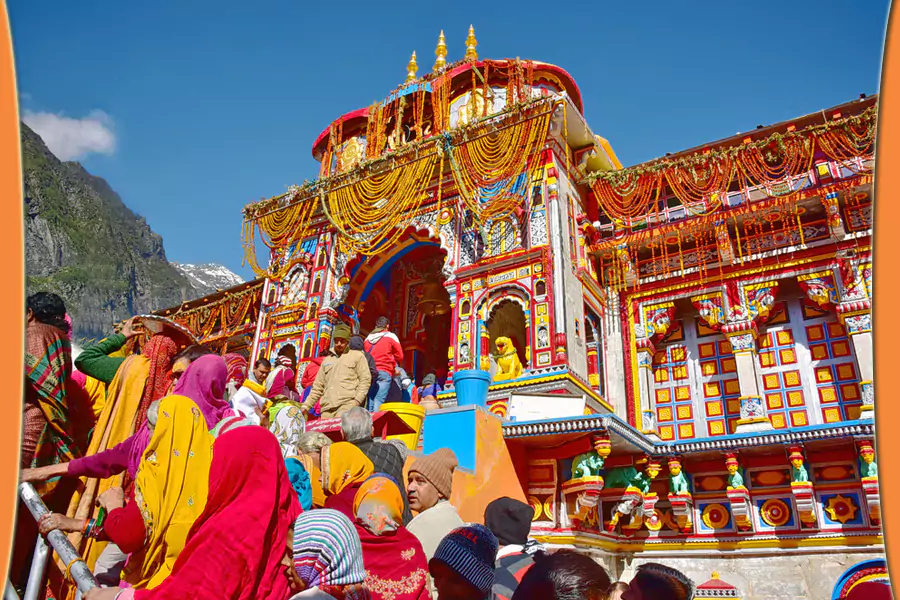
Char Dham Yatra 2026 Opening Dates! Check details

How to Plan Your Char Dham Yatra from Mumbai?

Chardham Yatra Package from Mumbai

Embarking on the Char Dham Yatra, one of the most revered pilgrimages in Hinduism, is a journey of immense spiritual significance and breathtaking natural beauty. For devotees starting from Mumbai, meticulous planning is essential to ensure a smooth and fulfilling experience. This guide provides detailed steps on how to plan your Char Dham Yatra from Mumbai, covering everything from travel logistics to accommodation and essential tips.

Understanding the Char Dham Yatra

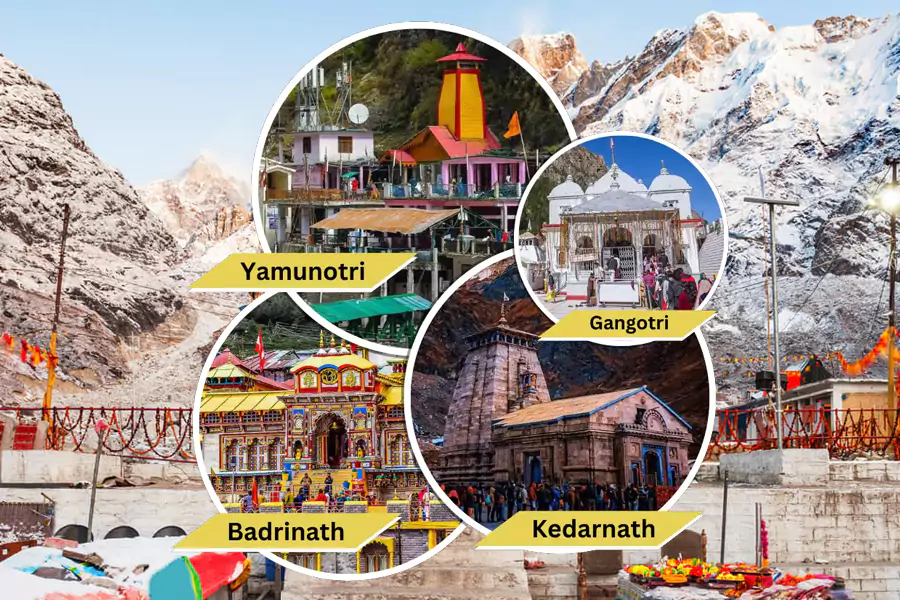
The Char Dham Yatra comprises four sacred sites in Uttarakhand: Yamunotri, Gangotri, Kedarnath, and Badrinath. The pilgrimage traditionally starts from Yamunotri and progresses to Gangotri, Kedarnath, and finally Badrinath. Each site holds profound spiritual significance and offers unique natural beauty.

Step-by-Step Guide to Planning Your Char Dham Yatra

1. Choose the Right Time to Visit

The Char Dham Yatra season typically runs from late April to early November, with May to June and September to October being the best months to undertake the journey. During these periods, the weather is relatively pleasant, and the roads are accessible. Read here in the details about best time to visit Char Dham!

2. Book Your Travel Tickets

By Air

Mumbai to Dehradun: The nearest airport to the Char Dham sites is Jolly Grant Airport in Dehradun. Several airlines offer direct flights from Mumbai to Dehradun.

From Dehradun: You can hire a taxi or take a bus to reach the starting points of the Char Dham Yatra.

By Train

Mumbai to Haridwar/Rishikesh: Haridwar and Rishikesh are the nearest major railway stations. Book a train from Mumbai to Haridwar or Rishikesh. From there, you can hire a taxi or take a bus to the Char Dham sites.

Book Here Char Dham Yatra Tour Package

3. Plan Your Itinerary

Day 1: Mumbai to Dehradun/Haridwar

Flight/Train: Take a flight to Dehradun or a train to Haridwar.

Stay: Overnight stay in Dehradun or Haridwar.

Day 2-3: Yamunotri

Route: Dehradun/Haridwar to Barkot, and then to Janki Chatti.

Trek: Janki Chatti to Yamunotri (6 km trek).

Stay: Overnight stay in Barkot.

Day 4-5: Gangotri

Route: Barkot to Uttarkashi, and then to Gangotri.

Stay: Overnight stay in Uttarkashi.

Day 6-8: Kedarnath

Route: Uttarkashi to Guptkashi, and then to Gaurikund.

Trek: Gaurikund to Kedarnath (16 km trek).

Stay: Overnight stay in Guptkashi.

Day 9-10: Badrinath

Route: Guptkashi to Badrinath via Joshimath.

Stay: Overnight stay in Badrinath.

Day 11: Return Journey

Route: Badrinath to Dehradun/Haridwar.

Stay: Overnight stay in Dehradun/Haridwar.

Day 12: Dehradun/Haridwar to Mumbai

Flight/Train: Return to Mumbai.

4. Accommodation Booking

Book your accommodations in advance to ensure availability, especially during peak season. Options range from budget guesthouses to more comfortable hotels. Key places to book accommodation include Dehradun, Haridwar, Barkot, Uttarkashi, Guptkashi, and Badrinath.

5. Pack Wisely

Clothing: Layered clothing for varying temperatures, including thermal wear, warm jackets, and raincoats.

Footwear: Comfortable trekking shoes.

Medical Kit: Basic medicines, especially for altitude sickness, nausea, and cold.

Other Essentials:
ID proofs, sufficient cash, toiletries, and a flashlight.

6. Health and Fitness Preparation

Physical Fitness: Prepare yourself with light physical exercise and trekking practice.

Medical Check-Up: Consult your doctor before the trip, especially if you have any health concerns.

7. Local Travel Arrangements

Taxis and Buses: Hire taxis or use state transport buses for inter-site travel. Shared taxis are also available.

Helicopter Services: Consider helicopter services for Kedarnath to save time and effort.

8. Registration and Permits

Registration: Register for the Char Dham Yatra through the official website or at the starting points.

Permits: Ensure you have all necessary permits for the trek and pilgrimage sites.

9. Safety and Precautions

Weather Updates: Keep an eye on weather forecasts and be prepared for sudden changes.

Emergency Contacts: Keep emergency contact numbers handy, including local police and medical services.

Acclimatization: Spend a day or two at key stops to acclimatize to high altitudes and avoid altitude sickness.

10. Respect Local Customs and Environment

Behavior: Be respectful of local customs and traditions at pilgrimage sites.

Cleanliness: Keep the environment clean and dispose of waste responsibly.

Conclusion

Planning your Char Dham Yatra from Mumbai involves careful consideration of travel logistics, accommodations, health preparations, and local arrangements. By following this comprehensive guide, you can ensure a smooth, safe, and spiritually enriching journey through the sacred landscapes of Uttarakhand. May your Char Dham Yatra be blessed with divine grace and unforgettable experiences.

Also check: Luxury Char Dham Yatra by Helicopter Tour Package

Best 20 Places to Visit During Chardham Yatra

Char Dham yatra packages

Char Dham Yatra is more than just a religious journey; it’s a harmonious blend of spiritual devotion and breathtaking natural beauty. From snow-clad peaks to serene rivers and ancient temples, this sacred pilgrimage attracts millions of travelers every year. Let’s explore the key places to visit during Char Dham Yatra to make your journey spiritually fulfilling and visually enriching.


Char Dham Overview

What is Char Dham Yatra?

The Char Dham Yatra covers four major pilgrimage sites in Uttarakhand—Yamunotri, Gangotri, Kedarnath, and Badrinath. Each of these destinations holds immense religious significance, symbolizing the sources of sacred rivers and the presence of divine deities.

Spiritual Importance of Char Dham

Undertaking this yatra is believed to cleanse the soul and pave the way for salvation. Devotees believe visiting these sites washes away sins and brings one closer to divine blessings.

Best Time for Char Dham Yatra

The yatra typically begins in April or May and ends in October or November. The summer months are ideal, offering pleasant weather and clear roads for travelers. Plan your trip around the Char Dham Yatra 2026 opening dates.


Must-Visit Places During Char Dham Yatra

Places to Visit Near Yamunotri During Char Dham Yatra

  • Yamunotri Temple: Dedicated to Goddess Yamuna, this temple is the first stop on the Char Dham circuit.
  • Surya Kund: A hot water spring where devotees cook rice as a religious offering.
  • Divya Shila: A rock pillar near the temple that holds religious significance.

Places to See Near Gangotri During Char Dham Yatra

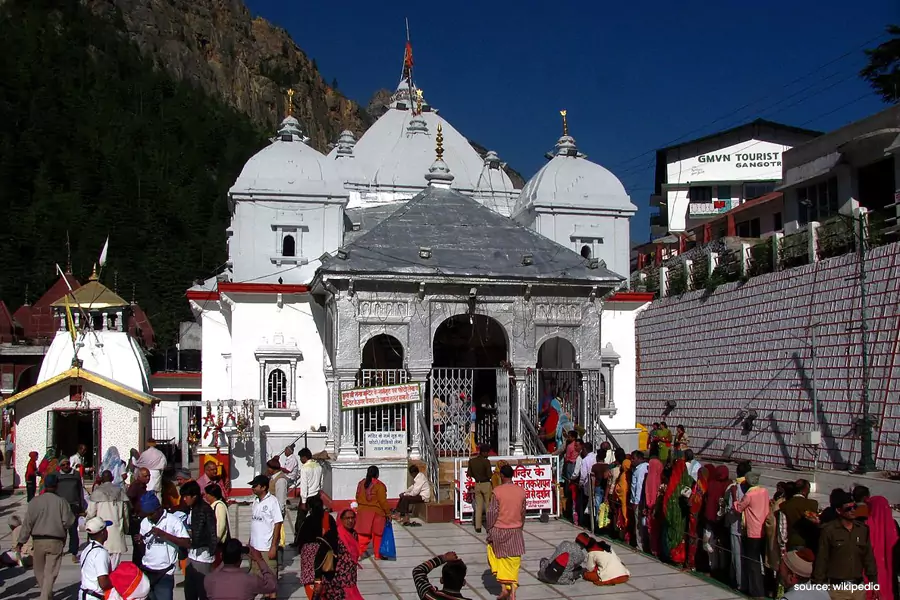
  • Gangotri Temple: Nestled by the Bhagirathi River, this temple is dedicated to Goddess Ganga.
  • Bhagirath Shila: A sacred rock where King Bhagirath meditated to bring Ganga to Earth.
  • Pandava Gufa: A cave where the Pandavas are believed to have rested during their journey to Kailash.

Kedarnath and Nearby Attractions

  • Kedarnath Temple: One of the twelve Jyotirlingas, this temple is dedicated to Lord Shiva.
  • Bhairavnath Temple: A small temple near Kedarnath, offering stunning views of the valley.
  • Chorabari Tal (Gandhi Sarovar): A glacial lake with serene surroundings, ideal for nature lovers.

Explore more about Kedarnath, its temple, and nearby attractions.

Badrinath and Scenic Locations

  • Badrinath Temple: Dedicated to Lord Vishnu, this temple is a significant part of the yatra.
  • Tapt Kund: A natural hot spring where devotees take a holy dip before entering the temple.
  • Mana Village: India’s last village near the Tibetan border, known for its cultural heritage.

Scenic and Cultural Stops Along the Route

Haridwar: Gateway to Char Dham

Start your journey with a visit to Haridwar, known for its iconic Ganga Aarti at Har Ki Pauri. The spiritual aura of this town sets the perfect tone for the yatra. Start your Char Dham Yatra from Haridwar, the spiritual gateway.

Rishikesh: Yoga Capital of the World

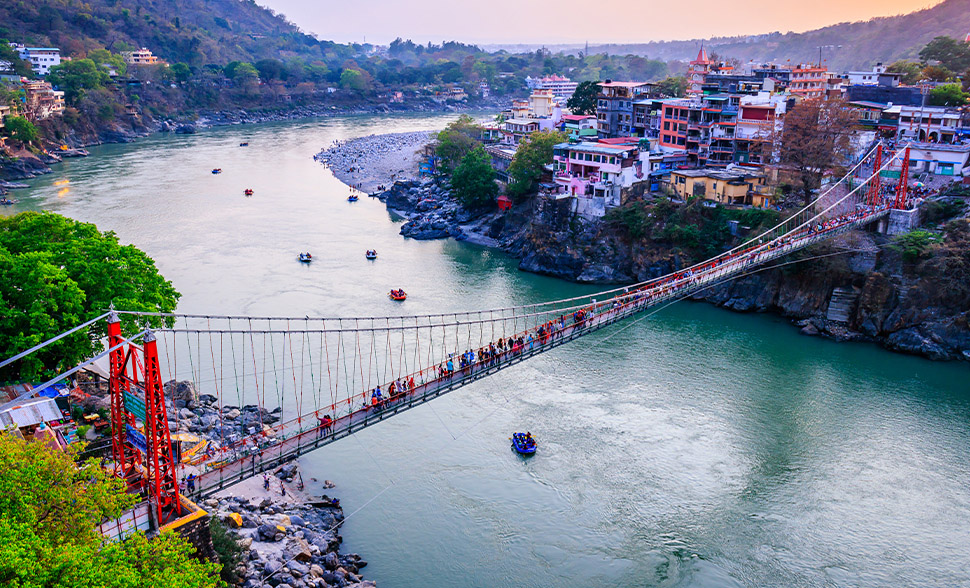
Explore the tranquil vibes of Rishikesh. Visit the iconic Laxman Jhula and attend the evening aarti at Triveni Ghat.

Devprayag: The Sacred Confluence

Witness the stunning confluence of Alaknanda and Bhagirathi Rivers, forming the holy Ganges. This scenic spot also holds religious significance.

Rudraprayag and Karnaprayag

These towns are known for their breathtaking landscapes and historic temples. Rudraprayag, in particular, is a must-visit for nature enthusiasts.


Planning Your Char Dham Yatra

Tips for a Comfortable Yatra

  • Pack light but include essentials like warm clothing and a first-aid kit.
  • Prepare physically as the journey involves trekking and long walks.

Choosing the Right Package

Whether you prefer a group tour or a private package, ensure it covers all major attractions and provides comfortable accommodations. Choose the right Char Dham Yatra package for a comfortable journey.

Importance of Spiritual and Scenic Exploration

While the pilgrimage is spiritual, don’t miss out on the stunning natural beauty and cultural richness of the region.


Conclusion

The Char Dham Yatra is a profound journey that intertwines spiritual enlightenment with natural wonders. From serene temples to picturesque valleys, every stop is a story waiting to be explored. Embrace the divinity and splendor of these places to visit during Char Dham Yatra for an experience of a lifetime.


FAQs

  1. What are the key places to visit during Char Dham Yatra?
    The key places include Yamunotri, Gangotri, Kedarnath, Badrinath, and surrounding attractions like Haridwar and Rishikesh.
  2. Which is the most scenic location among the four Dhams?
    Kedarnath offers breathtaking views of snow-capped mountains and lush valleys.
  3. What is the best time to visit the Char Dham Yatra?
    The ideal time is from April to June and September to November.
  4. Can I explore Haridwar and Rishikesh during the Char Dham Yatra?
    Yes, both cities are en route and offer spiritual and cultural experiences.
  5. Are there any luxury packages for the Char Dham Yatra?
    Yes, several operators provide luxury packages with premium accommodations, helicopter services, and personalized tours.

Explore more about Chardham FAQs.

The Chardham Roadmap: Decoded!

Chardham Roadmap

The Char Dham Yatra, a revered pilgrimage in Hinduism, takes devotees through the four sacred sites of Yamunotri, Gangotri, Kedarnath, and Badrinath, nestled in the Himalayas of Uttarakhand. One can check the Chardham Yatra Package for more details.

This guide decodes the Char Dham roadmap, offering insights into the routes, travel tips, and essential information to make your pilgrimage smooth and fulfilling.

Understanding the Char Dham Circuit

The Char Dham Yatra traditionally begins from the west and proceeds to the east:

  • Yamunotri – Source of the Yamuna River.
  • Gangotri – Source of the Ganges River.
  • Kedarnath – Dedicated to Lord Shiva.
  • Badrinath – Dedicated to Lord Vishnu.

Starting Point: Haridwar or Rishikesh

Most pilgrims start their journey from Haridwar, Rishikesh, Dehradun, and Delhi, all the places well-connected by road, rail, and air.

Haridwar

  • By Air: The nearest airport is Jolly Grant Airport in Dehradun (approx. 37 km).
  • By Train: Haridwar Junction connects major Indian cities.
  • By Road: Regular buses and taxis are available from Delhi and other cities.

Rishikesh

  • By Air: Jolly Grant Airport in Dehradun (approx. 21 km).
  • By Train: Rishikesh Railway Station.
  • By Road: Well-connected by buses and taxis from Delhi and other cities.

The Roadmap: Route and Key Stops

Haridwar/Rishikesh to Yamunotri

Rishikesh
image credit: makemytrip

Route: Haridwar/Rishikesh – Barkot – Yamunotri

  • Distance: Approx. 220 km
  • Key Stops: Dehradun, Mussoorie, Barkot
  • Travel Time: 7-8 hours by road

Yamunotri Trek:

  • Base Camp: Janki Chatti
  • Trek Distance: 6 km (one way)
  • Travel Tip: Ponies and palanquins are available for hire.

Yamunotri to Gangotri

Gangotri
image credit: makemytrip

Route: Yamunotri – Barkot – Uttarkashi – Gangotri

  • Distance: Approx. 228 km
  • Key Stops: Barkot, Uttarkashi, Harsil
  • Travel Time: 7-8 hours by road

Gangotri Highlights:

  • Gaumukh Glacier: Source of the Ganges, a 19 km trek from Gangotri.
  • Travel Tip: Acclimate to the altitude and carry warm clothing.

Gangotri to Kedarnath

Kedarnath
image credit: makemytrip

Route: Gangotri – Uttarkashi – Guptkashi – Gaurikund – Kedarnath

  • Distance: Approx. 400 km
  • Key Stops: Uttarkashi, Tehri, Guptkashi, Sonprayag
  • Travel Time: 10-11 hours by road

Kedarnath Trek:

  • Base Camp: Gaurikund
  • Trek Distance: 16 km (one way)
  • Travel Tip: Ponies, palanquins, and helicopter services are available.

Kedarnath to Badrinath

Badrinath
image credit: makemytrip

Route: Kedarnath – Guptkashi – Joshimath – Badrinath

  • Distance: Approx. 220 km
  • Key Stops: Guptkashi, Chamoli, Joshimath
  • Travel Time: 7-8 hours by road

Badrinath Highlights:

  • Mana Village: The last Indian village before the Tibetan border.
  • Tapt Kund: A hot spring where pilgrims take a holy dip before entering the temple.

Essential Tips for the Char Dham Yatra

Health and Fitness

  • Acclimatize: Spend a day or two at key stops to acclimatize to high altitudes.
  • Stay Hydrated: Drink plenty of water to stay hydrated and combat altitude sickness.
  • Physical Fitness: Prepare yourself with light physical exercise and consult a doctor if you have health concerns.

Packing Essentials

  • Clothing: Layered clothing for varying temperatures, including thermal wear.
  • Footwear: Comfortable and sturdy trekking shoes.
  • First Aid Kit: Include basic medicines, especially for altitude sickness, nausea, and cold.

Accommodation and Food

  • Bookings: Pre-book your accommodations, especially during peak season.
  • Local Cuisine: Try local food, but ensure it’s from hygienic places to avoid foodborne illnesses.

Travel Permits and Registrations

  • Permits: Obtain necessary permits for the Char Dham Yatra.
  • Registrations: Register yourself with the Char Dham Yatra Management for safety and assistance.

Safety and Security

  • Weather Updates: Keep an eye on weather forecasts and be prepared for sudden changes.
  • Emergency Contacts: Keep emergency contact numbers handy, including local police and medical services.

Conclusion

The Char Dham Yatra is a journey of faith, devotion, and spiritual awakening. Decoding the roadmap ensures that you are well-prepared to tackle the challenges and embrace the divine experiences that lie ahead. With careful planning and a spirit of adventure, your pilgrimage to these sacred shrines will be a memorable and transformative journey.

Best Time to Visit in Kedarnath

Kedarnath Temple

Kedarnath Temple, a sacred site devoted to Lord Shiva, is located in the Garhwal Himalayas of Uttarakhand at an altitude of 3,583 meters. Surrounded by majestic peaks and serene valleys, this ancient temple is an essential part of the Chardham Yatra.

For a safe and spiritually uplifting experience, knowing the best time to visit Kedarnath is vital.


Optimal Times to Visit Kedarnath Temple

May to June: Spring and Vibrancy

  • Weather: Day temperatures range from 5°C to 18°C, with nights around 0°C.
  • Reasons to Visit:
    • The temple reopens with grand ceremonies in late April or early May.
    • Nature blooms with lush greenery and vibrant flowers, offering breathtaking landscapes.
    • A festive atmosphere with religious rituals enhances the experience.

September to October: Autumn and Serenity

  • Weather: Clear skies with day temperatures between 5°C to 15°C and colder nights.
  • Reasons to Visit:
    • Post-monsoon freshness leaves the air crisp and the skies clear.
    • A less crowded environment offers tranquility.
    • The temple’s seasonal closing rituals in late October or early November are spiritually significant.

Seasonal Overview

Summer (May-June)

  • Peak Season: Perfect weather and festive vibes make it the best time, though it’s crowded. Early bookings are recommended.

Monsoon (July-August)

  • Challenges: Heavy rains increase risks of landslides and road closures.
  • Travel Advisory: Avoid this period unless you are prepared for adverse conditions.

Winter (November-April)

  • Severe Cold: Heavy snow renders the region inaccessible, and the temple remains closed.
  • Alternative: Pilgrims can visit Ukhimath, the winter residence of Lord Kedarnath.

FAQs About Visiting Kedarnath

  1. When does Kedarnath Temple open in 2026?
    • It reopens in late April or early May, depending on the Hindu calendar.
  2. How do I prepare for the journey?
    • Pack warm clothes, sturdy footwear, ID proof, and basic medications.
  3. Is September a good time to visit?
    • Yes, it offers clear weather, fewer crowds, and stunning views.

Conclusion

The best time to visit Kedarnath is during May-June or September-October. These months provide pleasant weather, stunning natural beauty, and a spiritually fulfilling atmosphere. Proper planning and preparation will ensure your journey is memorable and hassle-free.

Recommended package: https://www.shrineyatra.in/kedarnath-tour-packages

10 Most Popular Shiva Temples in Uttarakhand

Kedarnath Temple

Uttarakhand, often referred to as “Devbhoomi” or the “Land of Gods,” is renowned for its numerous sacred shrines dedicated to Lord Shiva. Nestled amidst the majestic Himalayas, these temples are not only places of worship but also epitomes of architectural splendor and natural beauty.

Embarking on a journey to these Shiva temples offers a unique blend of spirituality and adventure.

Here’s a guide to the 10 most popular Shiva temples in Uttarakhand.

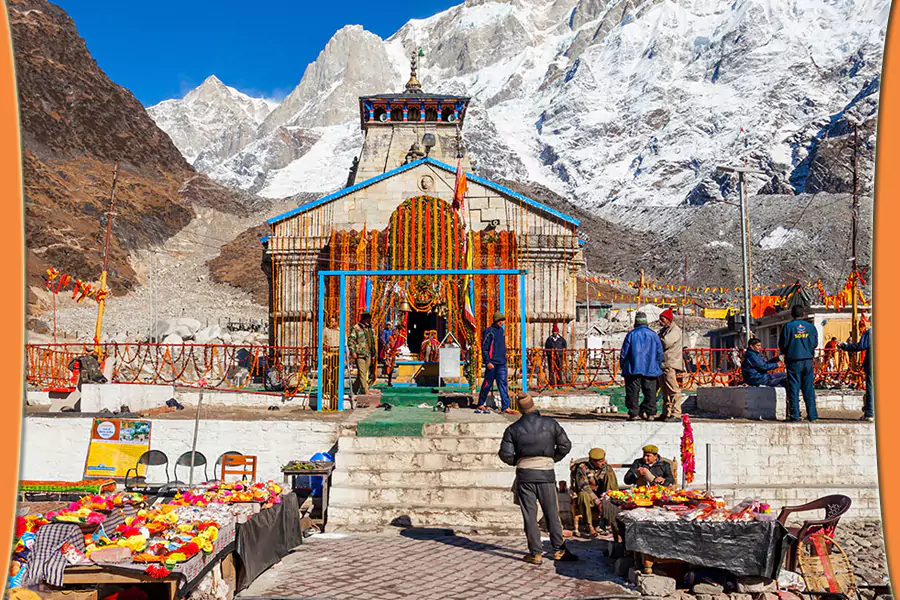
1. Kedarnath Temple

Kedarnath Temple

Overview

Kedarnath Temple, one of the twelve Jyotirlingas, is the most revered Shiva temple in Uttarakhand. Located at an altitude of 3,583 meters, it is surrounded by breathtaking snow-capped peaks.

Highlights

  • Spiritual Significance: It is believed that a visit to Kedarnath washes away all sins.
  • Trekking Adventure: The 16 km trek from Gaurikund to Kedarnath is challenging yet spiritually rewarding.

2. Tungnath Temple

Tungnath Temple
pic credit: Wikipedia

Overview

Tungnath Temple is the highest Shiva temple in the world, perched at an elevation of 3,680 meters. It is one of the Panch Kedar temples and is accessible via a 3.5 km trek from Chopta.

Highlights

  • Scenic Beauty: The trek offers stunning views of the Himalayas, especially the Chandrashila peak.
  • Tranquil Environment: A less crowded and peaceful pilgrimage spot.

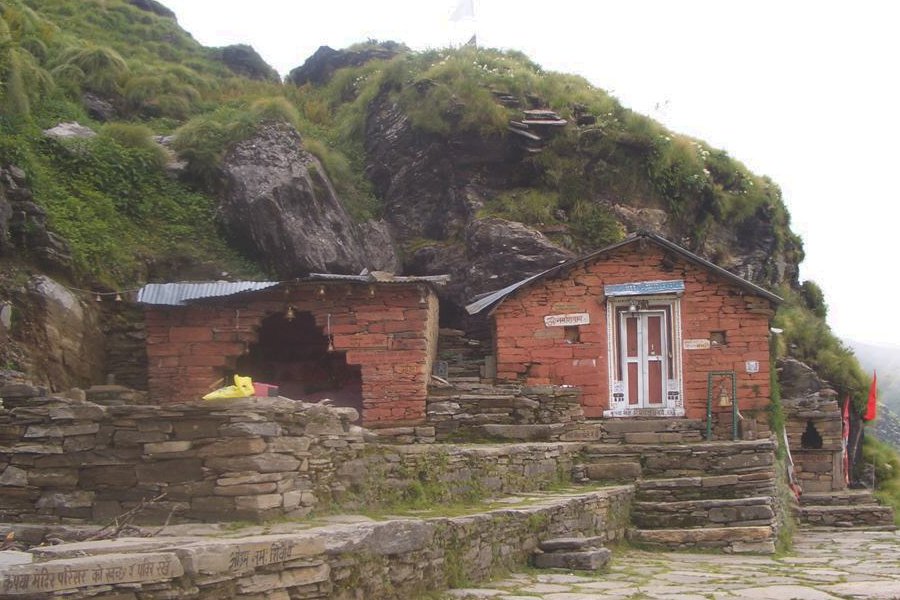
3. Rudranath Temple

Rudranath Temple
pic credit: Wikipedia

Overview

Rudranath Temple, another of the Panch Kedar temples, is located at an altitude of 2,286 meters. It is believed to be the place where Lord Shiva’s face is worshipped.

Highlights

  • Remote Location: The temple is accessed via a strenuous trek, ensuring a serene and undisturbed environment.
  • Scenic Trails: The path to Rudranath is adorned with lush meadows and dense forests.

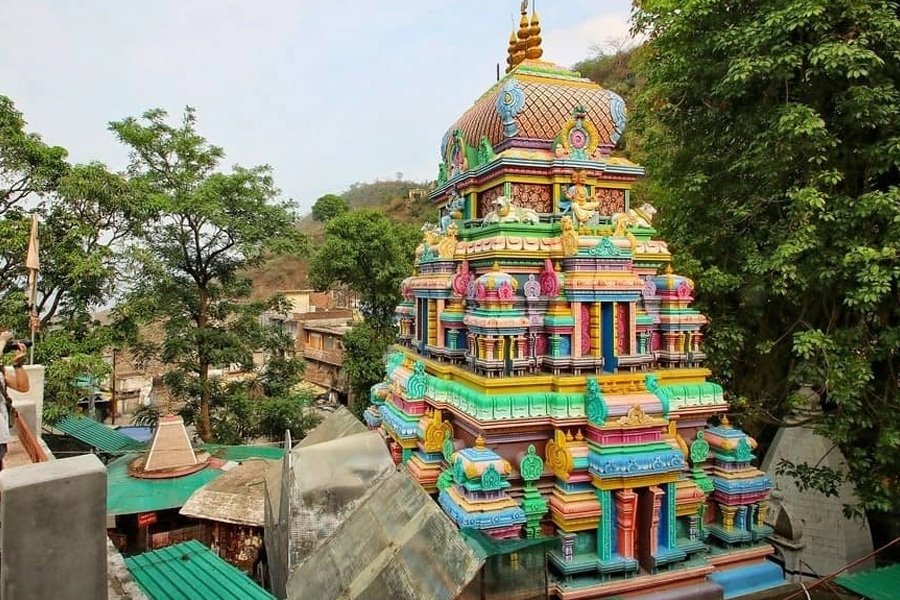
4. Neelkanth Mahadev Temple

pic credit: RISHIKESH.app

Overview

Situated near Rishikesh, Neelkanth Mahadev Temple is a significant pilgrimage site where Lord Shiva is believed to have consumed the poison that turned his throat blue.

Highlights

  • Picturesque Setting: Surrounded by dense forests and the confluence of rivers.
  • Accessible Location: A popular destination for both pilgrims and tourists visiting Rishikesh.

5. Triyuginarayan Temple

Triyuginarayan Temple
pic credit: Wikipedia

Overview

Triyuginarayan Temple, located in Rudraprayag district, is known for its perpetual fire, believed to have witnessed the divine marriage of Lord Shiva and Goddess Parvati.

Highlights

  • Perpetual Flame: The eternal flame in front of the temple is a major attraction.
  • Historical Significance: The temple’s association with the divine marriage makes it a revered site.

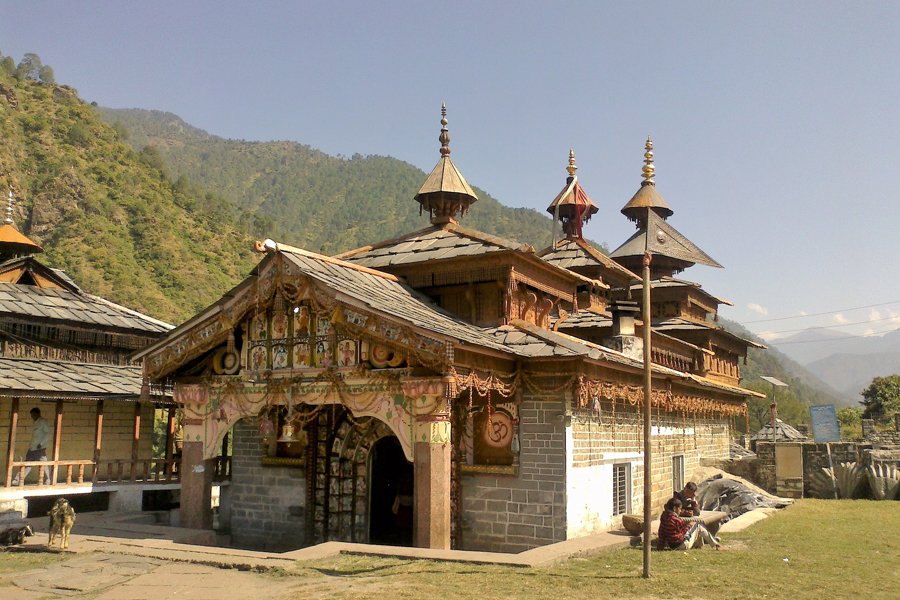
6. Mahasu Devta Temple

Mahasu Devta Temple
pic credit: Wikipedia

Overview

Located in the quaint village of Hanol, Mahasu Devta Temple is dedicated to Mahasu Devta, an incarnation of Lord Shiva. This temple is an architectural marvel of the Jaunsar-Bawar region.

Highlights

  • Unique Architecture: The temple exhibits a blend of Hindu and local architectural styles.
  • Cultural Significance: It serves as a cultural hub for the Jaunsari community.

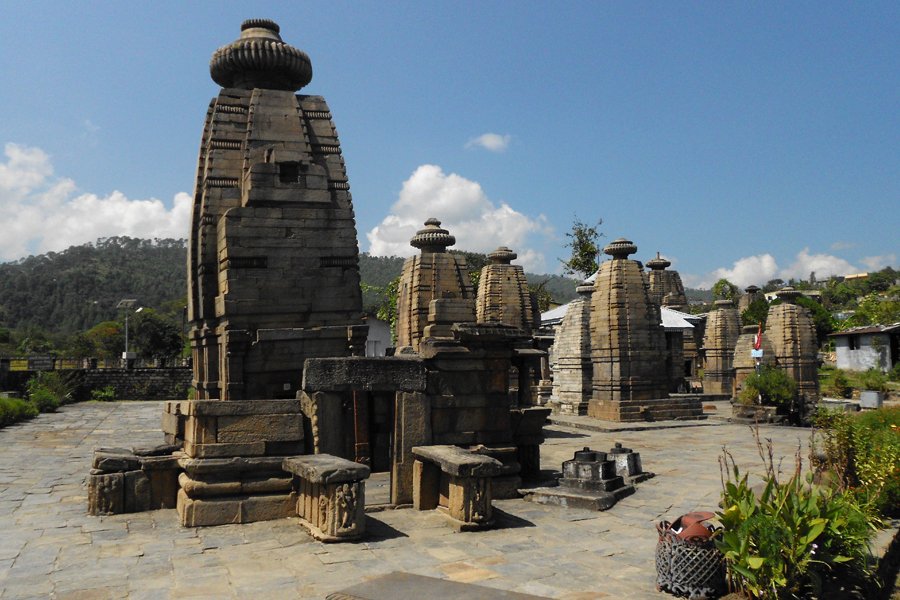
7. Baijnath Temple

Baijnath Temple
pic credit: Wikipedia

Overview

Baijnath Temple, situated in the Bageshwar district, is an ancient temple complex dedicated to Vaidyanath (Lord Shiva). It dates back to the 12th century.

Highlights

  • Ancient Architecture: The temple showcases intricate stone carvings and ancient inscriptions.
  • Historical Relevance: The temple complex is a testament to the Katyuri dynasty’s architectural prowess.

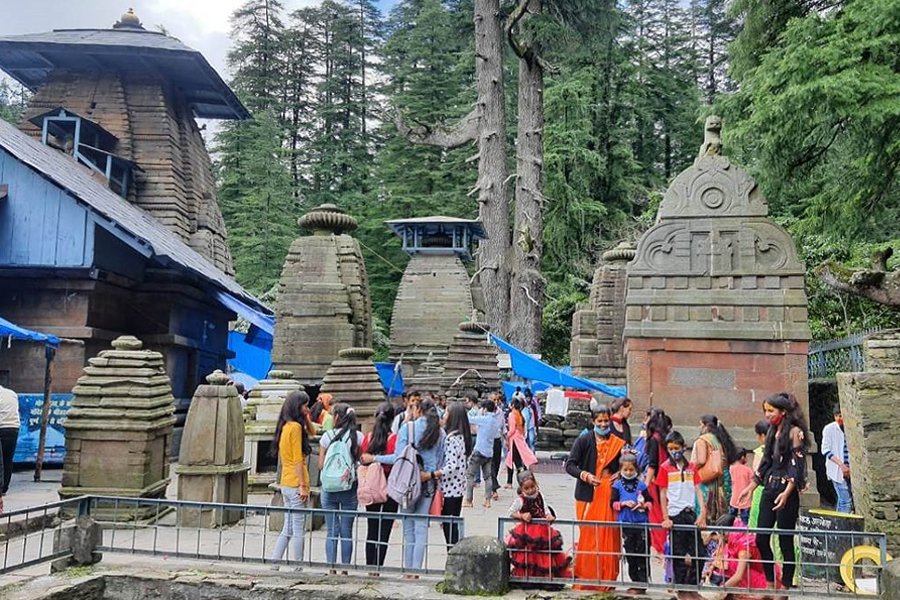
8. Jageshwar Temple

Jageshwar Dham Temple
pic credit: jagran

Overview

Jageshwar Temple, near Almora, is a complex of over 100 small temples, with the main temple dedicated to Lord Shiva. It is part of the 12 Jyotirlinga temples in India.

Highlights

  • Architectural Grandeur: The temple complex features exquisite stone carvings and wooden architecture.
  • Serene Ambiance: Nestled in a dense forest of deodar trees, the complex exudes a tranquil atmosphere.

9. Patal Bhuvaneshwar

Patal Bhuvaneshwar Cave Temple
pic credit: amarujala

Overview

Patal Bhuvaneshwar is a mystical cave temple dedicated to Lord Shiva, located in the Pithoragarh district. The cave is believed to be the abode of 33 crore deities.

Highlights

  • Mystical Experience: The cave temple offers a unique and mysterious pilgrimage experience.
  • Natural Beauty: The cave formations are both fascinating and spiritually significant.

10. Kaleshwar Mahadev Temple

Kaleshwar Mahadev Temple
pic credit: Temples of Uttarakhand

Overview

Kaleshwar Mahadev Temple, located in the town of Kaleshwar, is an ancient temple dedicated to Lord Shiva. It is believed to be the meditation site of Sage Kaleshwar.

Highlights

  • Spiritual Serenity: The temple is a peaceful retreat for meditation and prayer.
  • Historical Significance: The temple’s ancient roots add to its spiritual allure.

Conclusion

Uttarakhand’s Shiva temples offer a perfect blend of spirituality, history, and natural beauty. Each temple, with its unique significance and serene ambiance, invites pilgrims to immerse themselves in divine worship and reflection.

Whether you seek spiritual solace, architectural marvels, or simply the tranquility of the Himalayas, a visit to these Shiva temples in Uttarakhand promises a deeply enriching experience.

Plan your divine journey today and explore the spiritual heart of Devbhoomi.

Recommended read: Chardham Yatra Tour Package

Best Time to Visit Chardham: Complete 2026 Yatra Guide

Char Dham yatra packages

Want to visit Chardham but confused about the best time? This page helps you pick the best month for Chardham Yatra. It fits your health, budget, and time. It shows the best season to visit Char Dham with clear weather tips and safety notes. It also gives 4 Dham Yatra best time facts so you don’t get stuck on the road. Finally, it gives easy steps to plan and book your trip.

Chardham means four holy places in Uttarakhand: Yamunotri, Gangotri, Kedarnath, and Badrinath. People go for worship, peace, and nature. The temples sit high in the hills. So the best time to visit Chardham Yatra depends on snow, rain, and road access.

In most years, the best time to visit Char Dham Yatra is when snow melts and roads open. This is usually in late April and May. After that, the best season for Char Dham Yatra runs through early summer and then again in early autumn. If you want quiet time and the best month to visit Char Dham, September and early October are good. But some months are risky due to heavy rain or snow. So check the latest opening and closing dates before you book.

Read on to learn the best month for Chardham Yatra by helicopter and road, the safest season to visit Char Dham, and how to pick the best time for your trip.

Best Time to Visit: Month-by-Month Guide
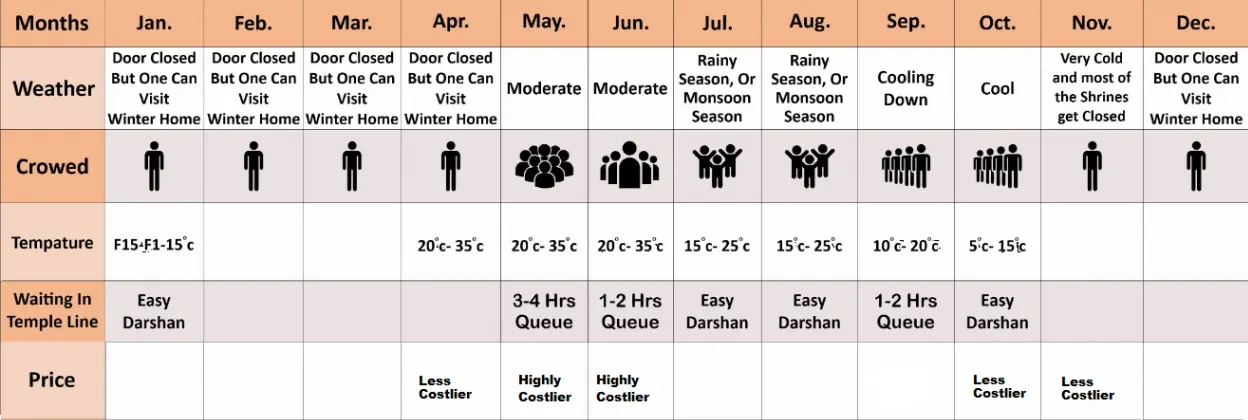
Table of Best Time to Visit Char Dham

Summer Season (April to June): The Most Preferred Time

Most pilgrims recommend visiting Chardham during summer. From late April to June, the roads open, the weather turns pleasant, and all four shrines—Yamunotri, Gangotri, Kedarnath, and Badrinath—welcome devotees. By the end of April, snow begins to melt, locals return, shops reopen, and the Yatra gains full pace.

Daytime temperatures stay comfortable, while evenings in Kedarnath and Badrinath turn chilly but manageable with light woolens. The absence of rain makes travel safer, with clear roads, steady treks, and smooth access to temples. Many devotees choose Akshaya Tritiya for the Yatra, as it marks temple openings and special rituals.

Why Summer is the Best Season:

  • Clear roads, no snow or rainfall issues
  • Easy availability of hotels, ponies, and guides
  • Kedarnath trek is less challenging
  • Temples appear fresh, vibrant, and spiritually charged

May brings heavy crowds due to school holidays and favorable weather. Those seeking a quieter experience can plan in late April or early June to avoid peak rush while enjoying ideal conditions.

Useful Tips:

  • Book hotels and taxis in advance
  • Carry warm clothes for evenings
  • Keep water, glucose, and ORS packets handy
  • Start treks early in the morning
  • Walk at your own pace and rest when needed

In short, summer offers the safest, smoothest, and most family-friendly time for Chardham Yatra. The entire route comes alive, and the temples radiate spiritual energy, making it the perfect season for first-time and returning Yatris alike.

Monsoon Season (July to Mid-September)

Monsoon is not the best time for Char Dham Yatra. From early July to mid-September, the mountains receive heavy rainfall, which often leads to landslides, roadblocks, and delays. Many travelers face interruptions, with some unable to complete the journey.

While some pilgrims still travel during this season, it is not suitable for everyone—especially families with children or elderly members. The main concern is road safety. Weather in the hills changes quickly; a clear morning can turn into a rainy afternoon, blocking routes without warning. Even helicopter services remain suspended during bad weather.

Common Challenges in Monsoon:

  • Landslides blocking roads for hours or days
  • Slippery treks, especially on the Kedarnath route
  • Wet and muddy paths making walking difficult
  • Medical aid taking longer to reach remote areas
  • Sudden delays and trip cancellations

Tips for Those Traveling in Monsoon:

  • Carry a raincoat, waterproof shoes, and extra clothing
  • Keep buffer days for unexpected delays
  • Avoid late-night travel or risky shortcuts
  • Choose stays in towns with better facilities
  • Check daily weather updates before moving

The Yatra during monsoon is possible but requires extra patience and preparation. For a smoother and safer journey, most pilgrims prefer to wait until the rains are over.

Autumn Season (Mid-September to November): The Peaceful Window

After the monsoon ends, autumn brings clear skies and calm weather to the Himalayas. From mid-September to November, the Chardham Yatra route feels peaceful and refreshing. The air is crisp, the paths dry, and the overall journey becomes more relaxed. For many, this is one of the most beautiful times to visit, free from crowds and weather-related worries.

The heavy summer rush is gone. The mountains look washed and clean, with blue skies above and trees turning shades of orange and yellow. The atmosphere feels serene, and even locals consider this time special. Days stay pleasant, mornings are cool, and nights gradually turn colder by late November. Snow hasn’t arrived yet, but you can sense winter approaching. Pilgrims who prefer quiet surroundings often choose this season.

Why Autumn is Ideal:

  • No heavy crowds like in May–June
  • Clear skies and stable weather
  • Dry trails make trekking easier
  • More time for darshan without being rushed
  • Hotels and services remain available at fair prices

Guides, ponies, taxis, and food stalls continue to operate until the official yatra closes in November. Autumn is also a good option for those who missed the summer season or want to avoid school holiday crowds. Photographers and nature lovers especially enjoy this period, as the landscape looks vibrant and colorful.

Tips for Autumn Pilgrims:

  • Carry warm clothes, socks, and gloves
  • Keep a torch for early sunsets
  • Begin your journey early to avoid cold nights
  • Stay near the dhams for convenience
  • Avoid late November, when snow becomes more likely

Autumn offers a quiet, clean, and scenic Chardham Yatra. If you want peaceful darshan with beautiful views and fewer people, this is the perfect time to travel.

Winter Season (December to March): Temples Remain Closed

From December to March, the Chardham temples remain shut as the entire region gets buried under heavy snow. Roads close, temperatures drop below freezing, and safe travel becomes impossible during these months.

As soon as November ends, winter sets in quickly. Cold winds sweep the mountains, water sources freeze, and even locals move downhill to survive the harsh conditions. Kedarnath and Badrinath get completely snowbound, leaving the towns deserted. During this time, temple priests shift the deities to their winter homes in villages like Ukhimath and Joshimath.

Why Temples Close in Winter:

  • Heavy snowfall blocks roads and pathways
  • Extreme cold with sub-zero temperatures
  • Unsafe treks due to icy and slippery routes
  • Helicopter and taxi services stop running
  • Locals migrate to lower altitudes for safety

The official Yatra season ends before winter arrives, ensuring pilgrims travel only when conditions are safe. However, worship doesn’t stop entirely. The deities are moved to their winter abodes, where rituals continue without interruption:

  • Lord Kedarnath is worshipped in Ukhimath
  • Lord Badrinath shifts to Joshimath
  • Goddess Yamunotri and Goddess Gangotri idols are placed in nearby villages

Devotees can still visit these winter homes to seek blessings until the temples reopen in spring.

Weather Conditions at Each Dham Throughout the Year

Popular CharDham Yatra Packages 2026
Dham Best Season Temperature Range Winter Status
Kedarnath May–June, Sept 0°C to 20°C Closed
Badrinath May–June, Sept–Oct 5°C to 25°C Closed
Gangotri May–June, Sept–Oct 10°C to 20°C Closed
Yamunotri May–June, Sept 10°C to 25°C Closed

Ideal or Best Time to Visit Char Dham Yatra in 2026

The best time for Char Dham Yatra is during summer, from May to June, when the weather stays pleasant and safe for travel. Another good period is from September to mid-November, after the monsoon ends and before the winter chill sets in. It is best to avoid monsoon due to frequent landslides and winter because of extreme cold and blocked routes.

Benefits of Visiting Char Dham at the Right Time:

  • Safer and risk-free journey
  • Minimal chances of unwanted delays
  • Comfortable travel with fewer uncertainties
  • Peaceful darshan at all four shrines

Plan your Yatra in April, May, or June to enjoy a smooth trip and create refreshing memories. Book your Char Dham Yatra package with a trusted travel agency for a well-organized journey from Haridwar or other starting points.

How to Plan a Chardham Yatra

A well-planned Yatra ensures a peaceful and enjoyable experience. Here are some tips to help you prepare:

  • Check temple opening dates 2–3 months before your trip and decide the best time to travel (May and June are ideal).
  • Choose the right mode of transport—road, train, or air—based on your convenience and study the route map in advance.
  • Pack wisely according to the season. Carry woolens for all months; heavier woolens are essential if traveling in October or November.
  • Carry a medical kit with basic medicines, painkillers, ointments, and your daily prescriptions, as medical shops are limited in the region.

Conclusion: When Should You Visit Char Dham?

In summary, most travelers find the best time to visit Chardham yatra falls between late April and June. Roads stay clear and temples remain open during these months. This makes it the best time to go for Char Dham yatra. However, if you prefer peaceful surroundings with smaller crowds, the best month for Chardham yatra is September through early October. When people ask about 4 dham yatra best time, we suggest April–June for complete temple access or September for peaceful journeys.

Keep in mind, the best time to visit Chardham yatra varies by traveler. Traveling with elders or kids? Select the best season for Char Dham yatra when roads are in good condition. Looking for budget options and available hotels? Monsoon offers lower prices, but it isn’t the best season to visit Char Dham. Always verify official temple opening and closing dates before making reservations. Whether you plan your chardham yatra by helicopter or by road, make bookings early and complete your registration.

Lastly, consider your health needs and travel preferences. Want beautiful mountain views and secure journeys? Choose the best month to visit Char Dham carefully. Seeking tranquility and easy temple visits? Go during less busy months. Simply put, understand your priorities, select the best time for Char Dham yatra that suits you, and enjoy your pilgrimage with safety and happiness.

Frequently Asked Questions

Q1. What is the best time to visit Kedarnath?

The best months to visit Kedarnath are May, June, September, and October.

Q2. How many days are required for the Char Dham Yatra?

By road, the Char Dham Yatra usually takes 12–15 days. If you choose to travel by helicopter, the journey can be completed in 4–6 days.

Q3. Is Char Dham Yatra difficult?

Yes, Char Dham Yatra is considered challenging because of steep treks and high altitude. Some travelers may face breathing issues. Heart patients, those with respiratory problems, and pregnant women are advised to avoid the Yatra. Always consult a doctor if you have medical concerns.

Q4. In which month is Kedarnath less crowded?

Kedarnath sees fewer visitors from June to September due to monsoon rains. However, this season is risky because of landslides, floods, and heavy downpours.

Q5. How much does a Char Dham Yatra by helicopter cost?

The average cost of Char Dham Yatra by helicopter is around ₹1,90,000 per person (exclusive of taxes). The trip covers Yamunotri, Gangotri, Kedarnath, and Badrinath in 6 days and 5 nights.

Q6. Which month is best to visit Badrinath?

Badrinath Temple opens in April and closes in October or mid-November. The best time to visit is April to June and September to October. Monsoon and winter should be avoided due to unsafe conditions.

Q7. Which Dham should I visit first?

It depends on your starting point, but traditionally the Yatra begins from Yamunotri, followed by Gangotri, Kedarnath, and Badrinath.

Q8. In which month does Kedarnath Temple open?

Kedarnath Temple usually opens in late April or early May and closes in October or mid-November, depending on weather conditions.

Q9. Can we trek at night in Kedarnath?

Yes, night trekking is allowed, but temperatures drop to 2–3°C or even below zero. If you cannot complete the trek late in the evening, you can take ponies or palkis, or stay overnight at camps in Jungle Chatti, Bheem Bali, or Linchauli.

Q10. Are kids allowed in Char Dham?

There is no official age restriction, but due to high altitude and breathing issues, it is generally recommended for children above 10 years of age.

Q11. Which is the best month to visit Gangotri?

The best time to visit Gangotri is in April and May. Summers here remain pleasant, with temperatures not exceeding 30°C, though nights stay very cold.

Q12. What is the best time to visit Badrinath?

May, June, September, and October are considered the best months for visiting Badrinath.

Q13. When is Kedarnath less crowded?

September and October are the months when Kedarnath experiences fewer crowds.

Q14. How much time do you need for Char Dham Yatra?

On average, the Char Dham Yatra takes around 11–12 days to complete by road.

Q15. What is the best way to reach Kedarnath?

The fastest and most convenient way to reach Kedarnath is by helicopter. You can also opt for a same-day Do Dham Yatra by helicopter.

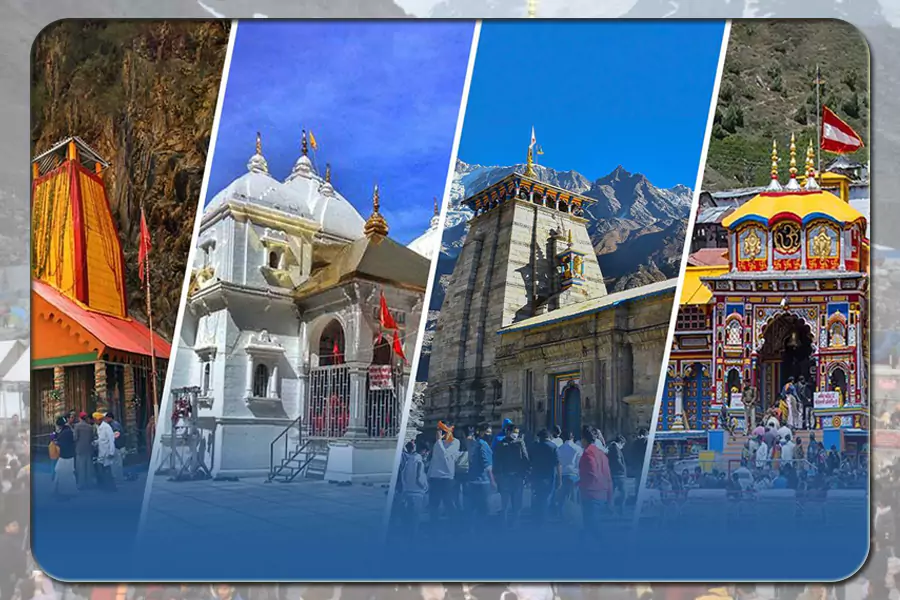
Places to Visit during Char Dham Yatra

Char Dham yatra packages

The Char Dham Yatra, one of the most revered pilgrimages in India, takes devotees through the majestic Himalayas to four sacred shrines: Yamunotri, Gangotri, Kedarnath, and Badrinath. Each site holds immense spiritual significance and offers breathtaking natural beauty, making the journey an unforgettable experience for every pilgrim.

Whether you are seeking spiritual solace or simply want to explore the serene landscapes of Uttarakhand, this guide will help you discover the must-visit places during your Char Dham Yatra.

1. Yamunotri

Yamunotri Temple

Yamunotri Temple: Dedicated to Goddess Yamuna, this temple is the starting point of the Char Dham Yatra. The temple is nestled amidst the stunning Garhwal Himalayas, and the journey to reach it is an adventure in itself.

Surya Kund: A hot spring near the Yamunotri Temple, Surya Kund is famous for its therapeutic properties. Pilgrims often cook rice and potatoes in its boiling waters, which are then offered as prasad.

Divya Shila: A rock pillar near the temple, which is worshipped before entering the main shrine.

2. Gangotri

Gangotri Temple

Gangotri Temple: The sacred temple dedicated to Goddess Ganga marks the origin of the holy Ganges River. The temple is set against a backdrop of magnificent snow-capped peaks, making it a sight to behold.

Gaumukh Glacier: The actual source of the Ganges, Gaumukh is located about 18 kilometers from Gangotri. The trek to Gaumukh is a challenging yet rewarding experience for adventure enthusiasts and devotees alike.

Bhagirathi Shila: A rock near the temple, believed to be the spot where King Bhagirath meditated to bring the Ganga to earth.

3. Kedarnath

Kedarnath Temple

Kedarnath Temple: One of the twelve Jyotirlingas of Lord Shiva, Kedarnath Temple is located at an altitude of 3,583 meters. The temple, surrounded by breathtaking mountains, exudes an aura of spirituality and tranquility.

Chorabari Tal (Gandhi Sarovar): A beautiful lake situated at a short distance from Kedarnath, where it is believed that Mahatma Gandhi’s ashes were immersed.

Vasuki Tal: A high-altitude lake that offers stunning views of the surrounding mountains. The trek to Vasuki Tal is an exhilarating experience for adventure seekers.

4. Badrinath

Badrinath Temple

Badrinath Temple: Dedicated to Lord Vishnu, Badrinath Temple is one of the most important pilgrimage sites in India. The temple is located on the banks of the Alaknanda River, surrounded by towering peaks.

Tapt Kund: A natural hot spring near the Badrinath Temple, where pilgrims take a holy dip before entering the shrine.

Neelkanth Peak: Known as the ‘Garhwal Queen,’ this peak provides a stunning backdrop to the Badrinath Temple. The sight of the sun rising over Neelkanth Peak is a sight to behold.

Mana Village: The last Indian village before the Tibetan border, Mana is a quaint settlement with a rich cultural heritage. Visit the Vyas Gufa and Ganesh Gufa, ancient caves with mythological significance.

5. Haridwar

Har Ki Pauri: The most famous ghat in Haridwar, where pilgrims gather to take a holy dip in the Ganges and participate in the Ganga Aarti, a captivating evening ritual.

Mansa Devi Temple: Perched atop the Bilwa Parvat, this temple is dedicated to Goddess Mansa Devi and offers panoramic views of Haridwar.

Chandi Devi Temple: Located on the Neel Parvat, this temple is dedicated to Goddess Chandi Devi. The trek to the temple is a fulfilling experience, and a cable car ride is also available for those who prefer it.

6. Rishikesh

Triveni Ghat: A sacred bathing ghat where the Ganga, Yamuna, and Saraswati rivers are believed to meet. The evening aarti at Triveni Ghat is a mesmerizing experience.

Laxman Jhula and Ram Jhula: Iconic suspension bridges over the Ganges that offer stunning views of the river and the surrounding hills. These spots are perfect for leisurely walks and soaking in the spiritual ambiance of Rishikesh.

Parmarth Niketan Ashram: One of the largest ashrams in Rishikesh, offering spiritual retreats, yoga classes, and the world-renowned Ganga Aarti.

7. Uttarkashi

Kashi Vishwanath Temple: An ancient temple dedicated to Lord Shiva, located on the banks of the Bhagirathi River. It is a significant stopover for pilgrims en route to Gangotri.

Shakti Temple: Home to a massive Trishul (trident) that is believed to be over 1500 years old. The temple is dedicated to Goddess Parvati.

Nachiketa Tal: A serene lake surrounded by dense forests, perfect for those seeking tranquility and a connection with nature.

8. Devprayag

Confluence of Alaknanda and Bhagirathi Rivers: Witness the spectacular sight where these two rivers merge to form the Ganges. The confluence is considered highly sacred.

Raghunathji Temple: A beautiful temple dedicated to Lord Rama, located at the confluence point.

Chandrabadani Temple: Situated on top of a hill, this temple offers panoramic views of the Garhwal Himalayas and the surrounding valleys.

9. Rudraprayag

Confluence of Alaknanda and Mandakini Rivers: Another significant confluence point on the Char Dham route. The merging of the rivers is a serene and picturesque sight.

Rudranath Temple: Dedicated to Lord Shiva, this temple is one of the Panch Kedar temples and holds great religious importance.

Koteshwar Mahadev Temple: A cave temple dedicated to Lord Shiva, located on the banks of the Alaknanda River.

10. Joshimath

Narasimha Temple: An ancient temple dedicated to Lord Narasimha, an incarnation of Lord Vishnu. It is the winter seat of Lord Badri.

Shankaracharya Math: Established by Adi Shankaracharya, this math is an important spiritual center and a must-visit for those interested in Vedanta philosophy.

Valley of Flowers and Hemkund Sahib: Though slightly off the Char Dham route, these sites are worth visiting for their unparalleled natural beauty and spiritual significance. The Valley of Flowers is a UNESCO World Heritage Site, and Hemkund Sahib is a revered Sikh pilgrimage site.

Conclusion

The Char Dham Yatra is not just a pilgrimage; it is a journey of self-discovery and an opportunity to witness the divine beauty of the Himalayas. Each destination offers a unique blend of spirituality, culture, and natural splendor. As you embark on this sacred journey, may you find peace, enlightenment, and a deeper connection with the divine.

Book Now: Char Dham Yatra Package