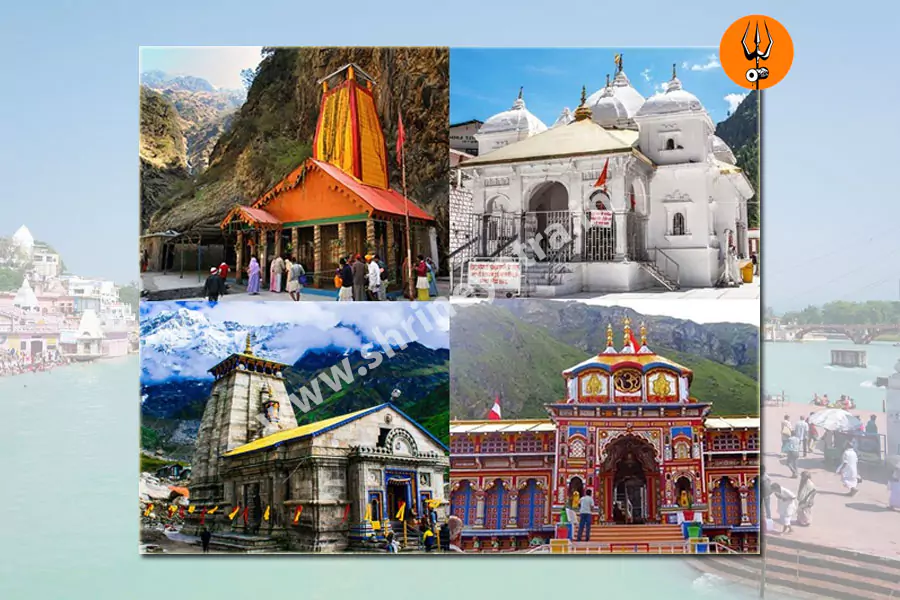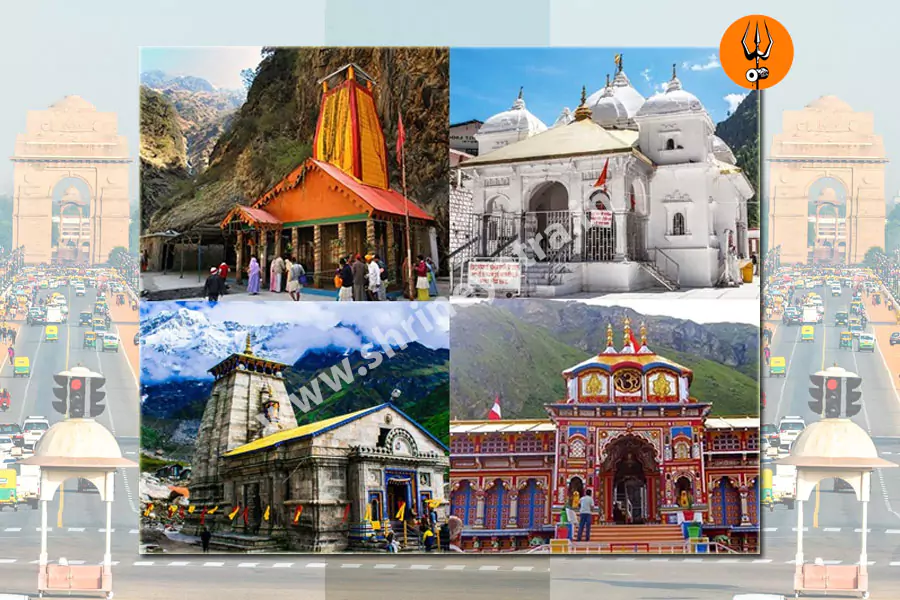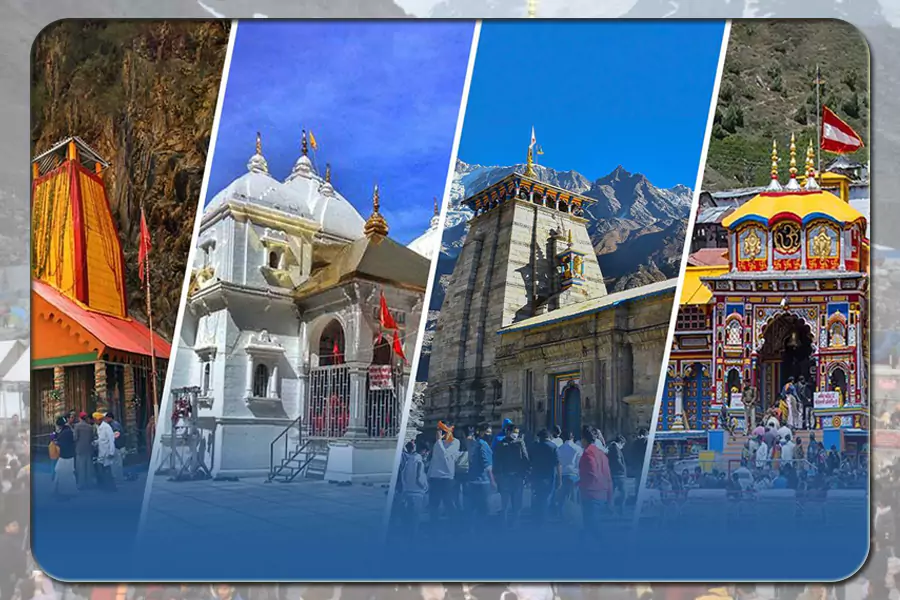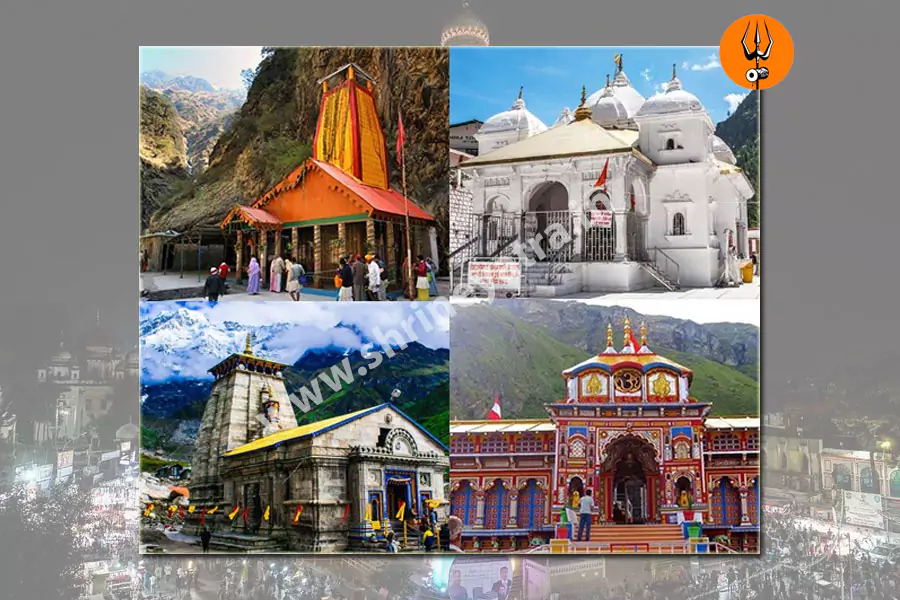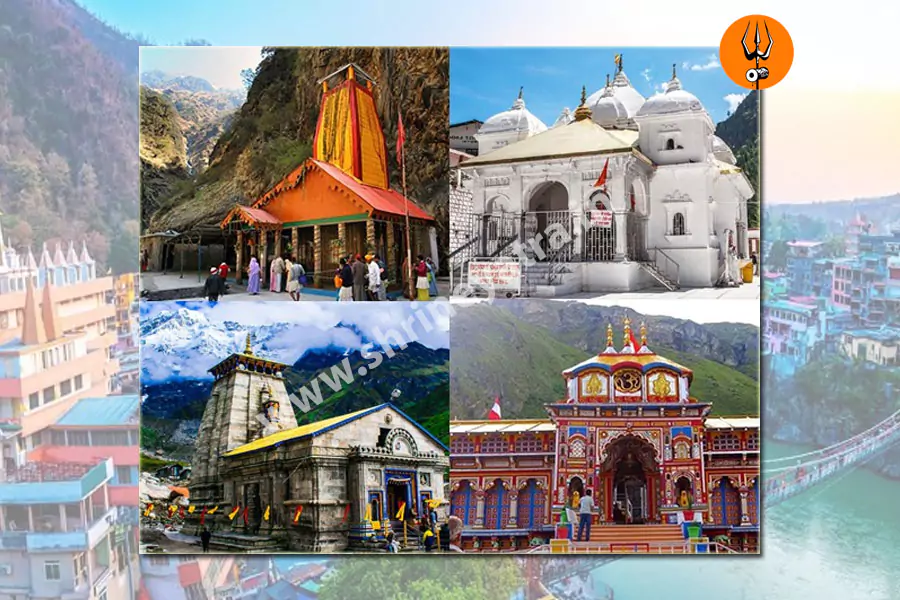

Is Char Dham Yatra Possible by Road?
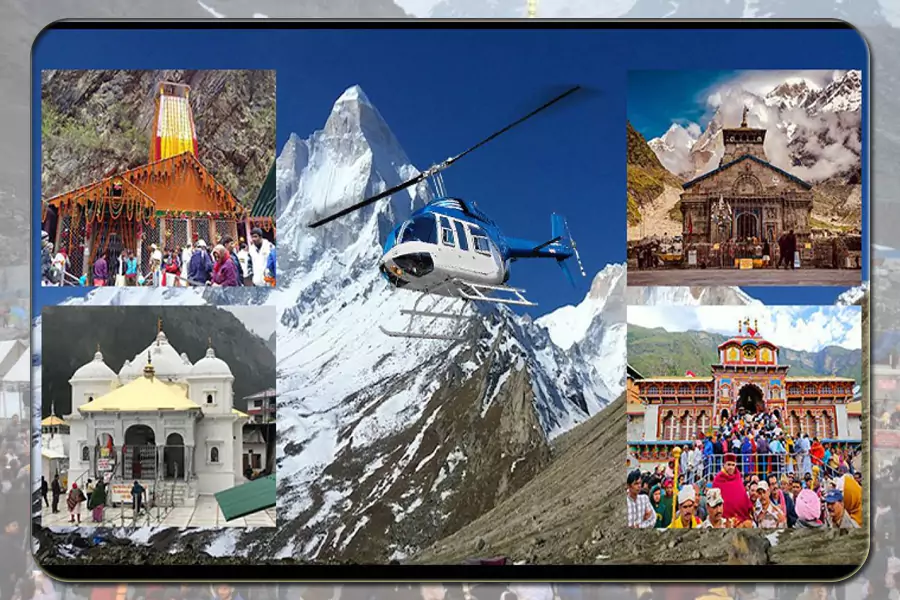
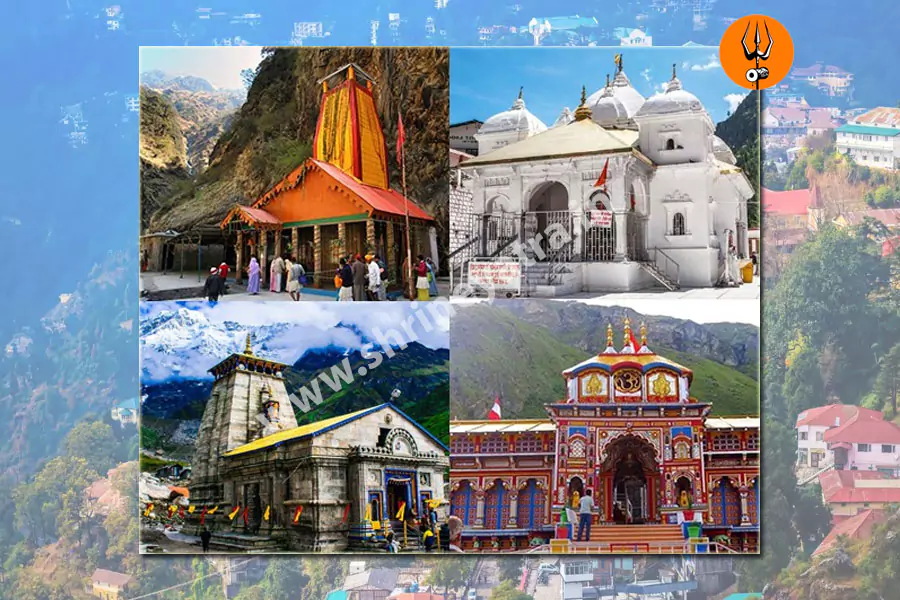
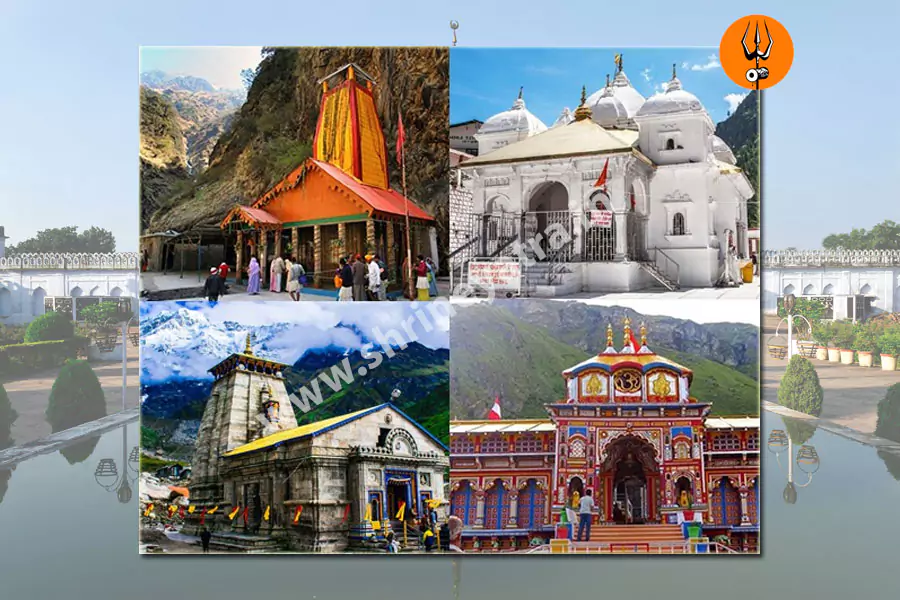
Quick Answer: Yes, Char Dham Yatra is completely possible by road. Three out of four shrines (Yamunotri, Gangotri, and Badrinath) have motorable roads reaching close to the temples. Only Kedarnath requires a 16-kilometer trek from Gaurikund, though even this final point connects by road to the main highway network.
Understanding the Road Connectivity to All Four Dhams
The Uttarakhand government has developed extensive road infrastructure connecting all four pilgrimage sites to the national highway system. Thousands of pilgrims complete the entire Yatra using only road transport each year.
Modern highways, regular bus services, and improved road conditions have transformed what was once an extremely difficult mountain journey into a manageable road trip. The journey still demands patience and preparation, but reaching each shrine by road remains entirely feasible.
The Main Highway Network
National Highway 58 (NH-58) serves as the primary artery connecting Rishikesh to the Char Dham region. This well-maintained highway branches into state roads leading to individual shrines.
From Rishikesh, the road network extends through Tehri, Uttarkashi, and then splits toward different destinations. Clear signage marks routes at major junctions, making navigation straightforward even for first-time visitors.
Road Access to Each Individual Shrine
Understanding the specific road situation for each shrine helps in planning realistic itineraries and setting appropriate expectations.
Yamunotri: Road Plus Short Trek
The motorable road reaches Janki Chatti, located 6 kilometers before Yamunotri temple. Regular taxis and buses ply between Rishikesh and Janki Chatti throughout the pilgrimage season.
The distance from Rishikesh to Janki Chatti covers approximately 210 kilometers, taking 8-9 hours in normal conditions. The road climbs steadily through mountain terrain, offering spectacular valley views.
From Janki Chatti, pilgrims walk 6 kilometers uphill to reach the shrine. This trek takes 3-4 hours depending on fitness levels. Ponies and palanquins are available for those unable to walk.
Gangotri: Direct Road Access
Gangotri enjoys the best road connectivity among all four shrines. Vehicles can reach within 500 meters of the temple complex, requiring only a short walk across a bridge.
The route from Rishikesh to Gangotri spans 250 kilometers, consuming 9-10 hours of driving time. The road quality varies but remains motorable throughout the season for all vehicle types.
Buses, shared jeeps, and private taxis operate regularly on this route. The final approach offers stunning views of the Bhagirathi River gorge and surrounding peaks.
Kedarnath: Maximum Trekking Required
Roads reach Gaurikund, which sits 16 kilometers before Kedarnath temple. This remains the most challenging access situation among the four shrines.
Gaurikund connects to Rishikesh via a 240-kilometer road journey taking 8-9 hours. The road passes through Rudraprayag and climbs steeply through forested mountain slopes.
The 16-kilometer trek from Gaurikund to Kedarnath presents the main challenge. However, helicopter services operate from nearby Phata and Sersi helipads for those preferring to avoid the walk entirely.
Badrinath: Complete Road Connectivity
Badrinath boasts excellent road access with vehicles reaching the town center near the temple. This makes it the most accessible shrine for pilgrims with mobility challenges.
The journey from Rishikesh to Badrinath covers 290 kilometers, requiring 10-11 hours of driving. The route passes through Joshimath, following the Alaknanda River through spectacular Himalayan scenery.
Government and private buses run daily services to Badrinath during pilgrimage season. The well-maintained road handles heavy traffic throughout peak months.
Complete Road Route Options
Pilgrims can choose between different circuit routes depending on their starting point and time availability.
Starting from Delhi
Most road journeys begin in Delhi, located 450 kilometers from Rishikesh. Overnight buses and trains connect Delhi to Haridwar or Rishikesh, the traditional gateways to Char Dham.
Driving from Delhi to Rishikesh takes 6-7 hours via NH-58. Starting early morning reaches Rishikesh by afternoon, allowing rest before beginning the mountain circuits the next day.
Book package: https://www.shrineyatra.in/chardham-yatra-package-from-delhi
Starting from Haridwar
Haridwar sits just 25 kilometers before Rishikesh and serves as an alternative starting point. Many pilgrims prefer beginning their journey from this sacred city on the Ganges plains.
All roads to the four shrines pass through or near Rishikesh regardless of where you start. This makes Rishikesh the natural base for organizing transport and supplies before heading into the mountains.
Book package: https://www.shrineyatra.in/chardham-yatra-package-from-haridwar
The Traditional Clockwise Circuit
The standard road route follows: Rishikesh → Yamunotri → Gangotri → Kedarnath → Badrinath → Rishikesh. This covers approximately 1,200 kilometers of mountain driving over 10-12 days.
Each leg involves returning to main highways before branching off to the next shrine. The route requires strategic planning to minimize backtracking and maximize efficient travel.
Types of Vehicles Suitable for the Journey
Different vehicle options suit different group sizes, budgets, and comfort preferences.
Private Cars and SUVs
Sedans can complete the entire circuit, though SUVs handle mountain roads more confidently. Good ground clearance helps navigate rough patches and broken sections.
Hiring a local driver familiar with mountain roads costs ₹3,000-₹5,000 per day including vehicle charges. Experienced drivers navigate narrow sections and sharp turns more safely than unfamiliar tourists.
Fuel availability exists in all major towns, but carrying extra fuel cans provides security on remote stretches. Petrol pumps sometimes run dry during peak pilgrimage season.
Shared Jeeps and Taxis
Shared Sumo and Bolero jeeps operate on fixed routes between major points. These accommodate 8-10 passengers and depart when full, making them economical options.
Fares range from ₹300-₹800 per person depending on distance. Shared vehicles take longer due to multiple passenger pickups but cost significantly less than private taxis.
Book seats early during peak season as demand exceeds supply on popular routes. Arrive at taxi stands before 6 AM for best availability.
Government and Private Buses
Uttarakhand Transport Corporation runs regular bus services to all accessible shrines. These provide the most economical option, with fares under ₹500 for most routes.
Buses depart early morning from Rishikesh and major towns. Advanced booking becomes essential during May and September when demand peaks dramatically.
Private luxury buses with better seating and fewer stops cost 50-100% more than government buses but offer greater comfort on long mountain journeys.
Road Conditions Throughout the Season
Mountain road conditions vary dramatically based on weather and seasonal factors.
Pre-Monsoon Season (April to June)
Roads remain in their best condition after winter maintenance work completes. Clear weather and minimal landslide risk make this the ideal time for road travel.
Traffic congestion becomes the main challenge during peak months of May and June. Popular routes experience traffic jams lasting several hours, especially on weekends and festival dates.
Carry sufficient water, snacks, and patience when traveling during peak season. Journey times can double due to traffic delays beyond the normal duration.
Monsoon Season (July to August)
Heavy rainfall triggers frequent landslides that block roads for hours or days. The government discourages pilgrimage during monsoons due to genuine safety concerns.
Roads become slippery and dangerous. Visibility drops during heavy rain, and fog obscures sharp turns. Only experienced mountain drivers should attempt monsoon journeys.
Many stretches get damaged by landslides and require emergency repairs. Vehicles sometimes get stranded for 12-24 hours waiting for road clearance.
Post-Monsoon Season (September to October)
Road conditions improve after monsoons end, though some damaged sections await permanent repairs. Clear skies return, offering spectacular mountain views during drives.
Traffic reduces compared to May-June peak, making journey times more predictable. This period offers the best balance of good roads, decent weather, and manageable crowds.
Night temperatures drop significantly in October. Carry warm clothing for early morning or late evening travel when temperatures can approach freezing.
Distance and Time Between Key Points
Realistic time estimates help in creating workable itineraries that do not leave you exhausted.
Rishikesh to Yamunotri (Janki Chatti)
- Distance: 210 kilometers
- Driving Time: 8–9 hours
- Route: Rishikesh → Chamba → Barkot → Janki Chatti
The road climbs steadily with numerous hairpin bends. The final 30 kilometers from Barkot to Janki Chatti proceeds very slowly due to narrow roads and sharp curves.
Yamunotri to Gangotri
- Distance: 220 kilometers (via return to main highway)
- Driving Time: 9–10 hours
- Route: Janki Chatti → Uttarkashi → Gangotri
This involves descending back to Uttarkashi on the main highway, then taking a separate road climbing to Gangotri. No direct road connects the two shrines.
Gangotri to Kedarnath (Gaurikund)
- Distance: 240 kilometers
- Driving Time: 10–11 hours
- Route: Gangotri → Uttarkashi → Rudraprayag → Gaurikund
The longest and most tiring road leg of the circuit. The route descends to Rudraprayag before climbing again to Gaurikund through winding mountain roads.
Kedarnath to Badrinath
- Distance: 220 kilometers (from Gaurikund)
- Driving Time: 8–9 hours
- Route: Gaurikund → Rudraprayag → Joshimath → Badrinath
This section offers some of the most spectacular scenery of the entire circuit. The road follows river valleys with snow peaks visible throughout the journey.
Badrinath to Rishikesh (Return)
- Distance: 290 kilometers
- Driving Time: 10–11 hours
- Route: Badrinath → Joshimath → Rudraprayag → Rishikesh
The return journey descends steadily from high mountains back to the plains. Most pilgrims feel relieved reaching Rishikesh after completing the circuit successfully.
Cost Breakdown for Road Journey
Budget planning requires understanding realistic costs for different travel modes.
Private Vehicle Costs
Hiring a private car with driver costs approximately ₹15,000–₹25,000 for the complete 10–12 day circuit. This includes vehicle charges, driver allowances, and fuel costs.
SUV rentals cost ₹20,000–₹35,000 for the same duration. Larger groups of 6–7 people find private vehicles more economical per person than individual bus tickets.
Parking fees at each shrine location add ₹50–₹100 per stop. Toll charges on major highways total approximately ₹500–₹800 for the complete circuit.
Public Transport Budget
Completing the entire Yatra using government buses costs ₹3,000–₹5,000 per person for all transport segments. Shared jeeps increase this to ₹5,000–₹8,000 per person.
Add ₹2,000–₹3,000 for short taxi rides at individual destinations where buses do not reach exactly to required points. Local transport within towns adds minor additional costs.
Public transport takes longer but saves substantial money, especially for solo travelers and small groups without negotiating power for private vehicle rates.
Additional Transport Expenses
Pony hire from Janki Chatti to Yamunotri costs ₹900–₹1,500 depending on season and availability. Palanquin charges reach ₹3,000–₹5,000 for the same route.
Helicopter tickets from Gaurikund to Kedarnath cost ₹4,000–₹7,000 one way depending on operator and booking timing. This eliminates the 16-kilometer trek entirely.
Budget an extra ₹3,000–₹5,000 per person for unexpected transport needs, vehicle breakdowns, or route changes due to road blocks.
Road Safety Considerations
Mountain driving presents unique hazards that require awareness and preparation.
Narrow Roads and Sharp Curves
Most Char Dham roads are single-lane with periodic passing points. Vehicles must back up when meeting on narrow sections, a maneuver requiring skill and patience.
Hundreds of hairpin bends characterize these mountain roads. Experienced drivers negotiate these confidently, but nervous passengers should sit in middle or back seats to reduce anxiety.
Horn usage becomes essential communication. Drivers honk before blind curves to warn approaching vehicles. This constant noise disturbs some pilgrims but serves crucial safety functions.
Landslide and Falling Rock Zones
Several stretches pass through unstable geological zones prone to landslides. Warning signs mark dangerous areas, though rocks can fall anywhere after heavy rain.
Never stop vehicles in marked landslide zones even for photos. Move through these sections quickly but carefully. Stay alert for unusual sounds indicating rock movement above.
If caught in a landslide, move forward or backward away from the slide zone immediately. Do not abandon your vehicle unless absolutely necessary for safety.
Vehicle Breakdown Risks
Remote mountain roads have limited breakdown assistance. Vehicles must maintain good mechanical condition before attempting the journey. Check brakes, tires, and engine cooling systems thoroughly.
Carry basic tools, spare tire, engine oil, and coolant. Mobile phone signals remain patchy in many areas, making self-sufficiency important.
Major towns have mechanics, but finding spare parts for less common vehicles can take days. Choose reliable vehicles and drivers with mountain experience to minimize breakdown risks.
Health Considerations During Road Travel
Long hours on winding mountain roads affect health in specific ways.
Motion Sickness Prevention
Winding roads with constant curves trigger motion sickness in many travelers. Sit in front seats for better visibility and less motion sensation. Look at distant mountains rather than nearby objects.
Take motion sickness medication 30 minutes before starting the journey. Ginger candy or tablets provide natural alternatives. Avoid reading or using phones during travel.
Request drivers to maintain steady speeds without sudden braking. Frequent short stops for fresh air help settle disturbed stomachs. Carry plastic bags for emergencies.
Altitude Adjustment During Drives
Roads climb from 300 meters at Rishikesh to over 3,000 meters at various shrines. This gradual ascent helps altitude acclimatization compared to flying directly to high elevations.
Headaches, nausea, and fatigue may develop as altitude increases. Drink plenty of water throughout the journey. Avoid alcohol and heavy meals during travel days.
Take short walks at rest stops to keep blood circulating. Deep breathing exercises help your body adjust to thinner air at higher elevations.
Fatigue Management
Journey times of 8–11 hours daily cause significant fatigue. Break long drives with hourly stops for stretching and refreshment. Do not attempt the entire circuit without rest days.
Split particularly long legs into two days if time permits. Spending nights at intermediate towns reduces daily driving stress and allows better acclimatization.
Drivers need rest too. Never pressure drivers to rush through dangerous sections. Tired drivers cause accidents on these unforgiving mountain roads.
Accommodation Along Road Routes
Strategic overnight stops make the road journey manageable and safe.
Overnight Towns Between Shrines
Barkot serves as the base for Yamunotri visits. Hotels range from budget lodges at ₹800 per night to decent hotels at ₹2,500–₹4,000.
Uttarkashi provides accommodation between Yamunotri and Gangotri segments. This town offers the widest variety of hotels and restaurants on the circuit.
Rudraprayag sits at the junction between Kedarnath and Badrinath routes. Many pilgrims overnight here while traveling between these two shrines.
Joshimath functions as the base for Badrinath visits and offers comfortable hotels with better amenities than most mountain towns.
Booking Strategy
Book accommodations in advance during peak season (May, June, September). Hotels fill completely, forcing late arrivals into expensive last-minute options or unsuitable lodging.
Many hotels in pilgrimage towns close during the off-season. Confirm opening dates before planning shoulder-season visits. Winter months see complete shutdowns in most locations.
Government tourist rest houses (PWD rest houses) offer budget options in most towns. These basic but clean facilities cost ₹500–₹1,200 per room and provide reliable standards.
Permits and Documentation Required
Carry proper documentation to avoid delays at various checkpoints.
Essential Documents for Indian Citizens
Valid photo identification suffices for Indian pilgrims. Aadhaar card, voter ID, passport, or driving license work equally well. Carry original documents, not photocopies.
Vehicle registration papers and insurance documents remain mandatory throughout the journey. Police check these at various points, especially near border areas.
Pollution certificates prove vehicle environmental compliance. Though enforcement varies, carrying valid certificates prevents unnecessary hassles with authorities.
Requirements for Foreign Nationals
International tourists need a passport and valid visa at all times. Registration at district police stations becomes mandatory in certain areas.
Restricted area permits are not required for the four main Char Dham shrines. However, rules change occasionally, so verify current requirements before traveling.
Some areas near the India–China border have photography restrictions. Respect posted signs and avoid photographing military installations or sensitive locations.
Best Time for Road Travel
Seasonal factors dramatically affect road journey experiences.
Optimal Months: May and September
May offers the best weather after shrine opening. Roads remain clear, vegetation looks fresh, and snow-capped peaks provide stunning backdrops.
September brings post-monsoon clarity. Crystal clear skies offer exceptional visibility. Waterfalls flow abundantly, adding beauty to the journey.
Both months see significant tourist traffic. Book early and expect crowds at popular viewpoints and hotels. Weekend travel becomes particularly congested.
Read more here: https://www.shrineyatra.in/best-time-to-visit-chardham
Avoiding Problem Periods
June sees increasing heat at lower altitudes and building monsoon clouds. While still manageable, conditions deteriorate toward month-end.
July and August bring monsoon rains, landslides, and road closures. Government agencies actively discourage travel during these months for legitimate safety reasons.
October brings dropping temperatures, especially at night. Carry warm clothing and prepare for possible early season snowfall at higher elevations.
Advantages of Road Journey Over Helicopter
Despite helicopter availability, road travel offers unique benefits worth considering.
Cost Savings
Road transport costs 60–80% less than helicopter packages for the complete circuit. Groups of 4–6 people find private vehicle costs very reasonable per person.
Budget travelers completing the Yatra by bus spend under ₹10,000 total including accommodation and meals. Helicopter packages start at ₹1,50,000 and climb higher.
Gradual Acclimatization
Driving from plains to mountains over several days allows your body to adjust naturally to altitude. Helicopter trips jump from 300 meters to 3,500+ meters in minutes, increasing altitude sickness risk.
Road travelers experience fewer altitude-related health problems. The gradual ascent prepares your body for thin air at shrine elevations.
Scenic Experience
Mountain roads pass through spectacular landscapes that helicopter passengers miss. Stop at viewpoints, waterfalls, and tea stalls along the route for photos and refreshment.
Interact with local mountain communities in towns and villages. This cultural exposure enriches the pilgrimage beyond just shrine visits.
Rivers, forests, and mountain vistas change constantly during road journeys. Each bend reveals new scenery that makes the journey itself a spiritual experience.
Challenges of Road Travel
Understanding difficulties helps in making informed decisions and preparing appropriately.
Time Investment
The road journey requires 10–15 days minimum compared to 2–3 days by helicopter. Working professionals and those with limited vacation time find this commitment difficult.
Long driving days can feel tedious. Entertainment options remain limited during hours of winding mountain roads. Bring books, music, or conversation to pass time.
Physical Stress
Sitting in vehicles for 8–11 hours daily causes back pain and stiffness. The Kedarnath trek adds significant physical exertion beyond road travel fatigue.
Older pilgrims and those with mobility issues struggle with long vehicle hours and minimal walking during rest stops. Consider physical limitations honestly before committing to road travel.
Unpredictability
Landslides, traffic jams, or vehicle breakdowns can disrupt carefully planned schedules. Build buffer days into itineraries for unexpected delays.
Weather changes quickly in mountains. Plans made in sunshine may require alteration when rain clouds gather. Flexibility becomes essential for stress-free road journeys.
Mobile Network and Communication
Staying connected presents challenges in remote mountain areas.
Network Availability
BSNL provides the most reliable mobile coverage on Char Dham routes. Airtel and Jio work in major towns but drop out in many remote stretches.
Purchase a BSNL SIM card in Rishikesh if your primary carrier lacks mountain coverage. This ensures communication capability throughout the journey.
Inform family members about communication gaps. Specify that not hearing from you for 24–48 hours does not indicate problems, just reflects normal network unavailability.
Using Connectivity Strategically
Download offline maps before leaving Rishikesh. Google Maps offline mode works when mobile data becomes unavailable in remote areas.
Take photos of important contact numbers and addresses. Access to online information disappears frequently during mountain travel.
Book next accommodation during stops in towns with connectivity. Waiting until arrival at remote locations leaves you dependent on available options without advance research capability.
Food and Dining During Road Journey
Mountain travel presents different dining situations than urban travel.
Meal Availability on Routes
Dhabas (roadside restaurants) serve simple vegetarian meals at regular intervals on main highways. Expect basic dal, rice, roti, and vegetable curry.
Food quality varies significantly. Choose busy establishments where food turnover keeps ingredients fresh. Empty restaurants often serve stale or reheated items.
Carry packaged snacks, biscuits, and energy bars for times when restaurants are closed or when you prefer not stopping. Long drives sometimes lack convenient dining options.
Water and Hydration
Buy sealed bottled water from reliable sources. Mountain streams look clean but may carry bacteria harmful to visitors unaccustomed to local water.
Carry sufficient water bottles in vehicles. Remote stretches lack shops for several hours. Dehydration worsens altitude symptoms and increases fatigue.
Avoid excessive tea and coffee despite their availability at every stop. Caffeine acts as a diuretic, actually increasing dehydration during long journeys.
Emergency Preparedness
Mountain regions require self-sufficiency that urban areas never demand.
Essential Items to Carry
First aid kit with bandages, pain relievers, antiseptic cream, and motion sickness medication. Add any personal prescription medications with extra quantities beyond expected needs.
Flashlights or headlamps prove essential when traveling after dark or during evening accommodation searches. Carry backup batteries.
Warm clothing layers remain necessary even during summer months. Temperatures drop dramatically after sunset at high altitudes.
Emergency Contact Numbers
Save local police, hospital, and tourist helpline numbers for each district. Uttarakhand State Disaster Response Force (SDRF) number should remain accessible throughout the journey.
Note down your hotel contacts at each stop. If separated from your group or vehicle, you need this information to reunite or seek help.
Your embassy or consulate contact number matters for foreign nationals facing serious difficulties beyond local authority capabilities.
Environmental Responsibility
Mountain roads pass through ecologically sensitive areas requiring careful behavior.
Keeping Mountains Clean
Do not throw any trash from vehicles. Carry garbage bags and dispose of waste properly in towns with collection systems.
Plastic pollution damages mountain ecosystems severely. Minimize single-use plastic purchases. Carry reusable water bottles and shopping bags.
Support businesses following environmental practices. Choose hotels with proper waste management and restaurants avoiding excessive packaging.
Respecting Local Communities
Mountain residents endure difficult living conditions while serving millions of pilgrims annually. Treat locals with respect and courtesy.
Pay fair prices for goods and services. Do not haggle excessively over small amounts that matter little to you but significantly to mountain vendors.
Follow local customs near religious sites. Dress modestly, speak quietly, and ask permission before photographing people or private property.
Making the Final Decision: Road or Helicopter?
Choose road travel if you have time, reasonable health, and interest in experiencing the complete pilgrimage journey. The road circuit offers richness that quick helicopter visits cannot match.
Select helicopters if time limitations make 10-15 days impossible, if health conditions prevent extended travel and trekking, or if budget constraints do not apply.
Many pilgrims combine both modes, traveling by road to some shrines and using helicopters for Kedarnath where trekking presents the biggest challenge. This hybrid approach balances time, budget, and experience.
Summary: Road Yatra Feasibility
Char Dham Yatra remains completely possible by road with proper planning and realistic expectations. Three shrines enjoy direct or near-direct road access, with only Kedarnath requiring a 16-kilometer trek from the roadhead.
The complete circuit demands 10-12 days, covers approximately 1,200 kilometers of mountain driving, and costs ₹25,000-₹40,000 per person depending on comfort choices.
Road travel provides gradual altitude acclimatization, cost savings compared to helicopters, scenic journey experiences, and opportunities for cultural interaction with mountain communities.
Challenges include long driving hours, unpredictable weather and road conditions, and significant time investment compared to helicopter options.
Thousands of pilgrims successfully complete the road journey annually. With proper vehicle selection, experienced drivers, flexible scheduling, and appropriate health precautions, the road pilgrimage offers a deeply satisfying spiritual experience that connects you with both the divine shrines and the magnificent Himalayan landscape.
Book #CharDham Package: https://www.shrineyatra.in/char-dham-packages