What Are the 4 Dham Yatra in India?
You must have heard of the Char Dham Yatra. It drives pilgrims toward spiritual fulfillment and connects them to divinity. But did you know there is also a Bada Char Dham Yatra? This grand spiritual circuit takes you through the beautiful geography of India from one corner to the other.
What Is Bada Char Dham Yatra?
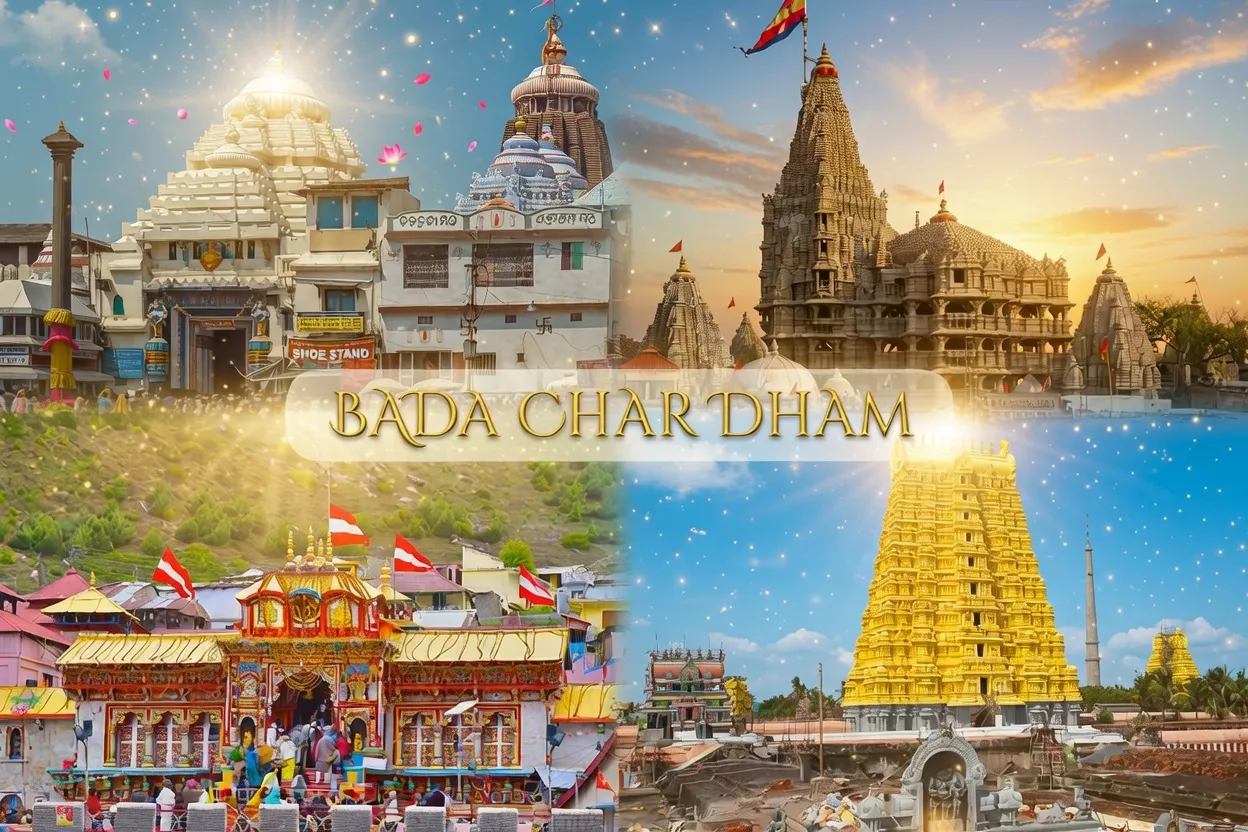
The Bada Char Dham is one of the holiest pilgrimages in Hinduism. Guru Adi Shankaracharya established this sacred yatra during the 8th century. His mission was to unite Bharat spiritually. Therefore, he placed four supreme temples at four significant corners of India. At Shrine Yatra, we help pilgrims explore these holy destinations with ease and devotion.
The four major destinations of Hindu pilgrimage are:
- Badrinath in the North, Uttarakhand
- Rameswaram in the South, Tamil Nadu
- Dwarka in the West, Gujarat
- Puri in the East, Odisha
Each of these four Hindu dhams holds deep importance. They show different aspects of the divine journey toward liberation from karma. Moreover, they offer freedom from the cycle of birth and death and help devotees attain peace. This is why the Bada Char Dham Yatra is not just a pilgrimage. It is a journey that offers knowledge, devotion, and detachment. Furthermore, people believe that anyone who completes this yatra with faith attains freedom from worldly ties.
So, if you want to explore all four destinations of the Bada Char Dham, this blog covers everything. You will find which God is related to Bada Char Dhams, why you should visit, the best time to visit Bada Char Dham, how to reach the revered locations, the history of the temples related to Bada Char Dhams, and much more. Keep reading further!
To Which God Do the Temples of Bada Char Dham Belong?
The holy journey to the Bada Char Dham Yatra connects devotees to the highest energies of the universe. These energies are Lord Vishnu and Lord Shiva. Out of the four divine sites, three temples are devoted to different forms of Lord Vishnu. Additionally, one temple glorifies the eternal essence of Lord Shiva.
- Badrinath Temple: This temple sits in Uttarakhand and is dedicated to Lord Vishnu. Here, Lord Vishnu meditated peacefully. Meanwhile, Goddess Laxmi protected him in the form of the Badri tree.
- Rameswaram Temple: This temple rests in the southern part of India. Here, devotees worship Lord Shiva as a Jyotirlinga. Moreover, Lord Rama himself established this sacred Jyotirlinga.
- Dwarkadish Temple: This magnificent temple sits in Dwarka, Gujarat. Devotees built it to honor Lord Krishna. He spent many precious years of his life in this holy city.
- Jagannath Puri Temple: This grand temple in Puri is the majestic home of Lord Jagannath. He is an incarnation of Lord Vishnu. Furthermore, it is famous for the stories of the grand Rath Yatra.
Together, these four temples create a spiritual balance. The protector Vishnu and the transformer Shiva represent unity in diversity. As a result, they offer devotees a clear path to liberation and wisdom. Let us now learn more about the Bada Char Dham temples, the best time to visit, and how to reach each destination. Shrine Yatra makes every step of this sacred journey smooth and memorable for you.
Bada Char Dham Temples of India
Below are the four sacred destinations of Bada Char Dham. You can visit these places for spiritual and religious upliftment. In addition, read important details about how to reach each site, when to visit, and other nearby places to explore.
Badrinath Dham – The Abode of Narayan in the Himalayas
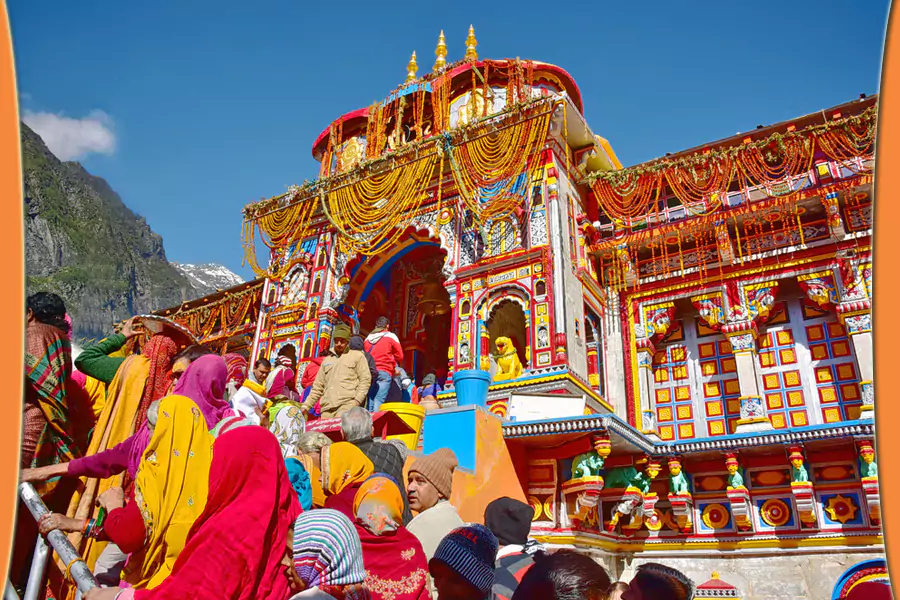
Badrinath sits on the banks of the Alaknanda River in the Chamoli district. It lies in the Garhwal Himalayas at a height of 3,133 metres. Moreover, it holds the position of the northernmost temple among all Bada Char Dham destinations.
Badrinath Temple is dedicated to Lord Vishnu. Devotees here worship his Badri avatar. Adi Shankaracharya originally established this temple in the 9th century. His goal was to revive the lost spirit of Hinduism.
People believe that Lord Vishnu meditated here for an eternity. Meanwhile, Goddess Lakshmi took the form of a Badri tree to shield him from harsh weather. This story gave the place its name, Badrinath. Furthermore, the temple shares a deep connection with the Pandavas from the Mahabharata. According to stories, they passed through Badrinath on their way to Swargarohini — people call it the gateway to heaven. Shrine Yatra helps thousands of pilgrims reach this divine spot every year.
- Nearby attractions: Tapt Kund, Vasudhara Falls, Narad Kund, Valley of Flowers, Hemkund Sahib, and Alkapuri Glacier.
- Major festivals: Badri-Kedar Festival, Mata Murti Ka Mela, Krishna Janmashtami, Diwali, Makar Sankranti, and Guachar Mela.
- Best time to visit: September to October (early winter season). However, the Badrinath Dham kapat/gate remains closed for 6 months, from May to June (summer).
How do I reach Badrinath Temple?
- By Road: Badrinath is well-connected by NH-7. Regular buses and taxis run from Rishikesh, Haridwar, and Dehradun. Furthermore, private vehicles can easily reach Joshimath and Badrinath.
- By Train: The nearest railway stations are Rishikesh (295 km) and Haridwar (320 km). From there, buses and taxis take you to Badrinath via Joshimath.
- By Air: The nearest airport is Jolly Grant Airport, Dehradun (310 km). Taxis and buses run from the airport to Badrinath via Rishikesh and Joshimath. Additionally, helicopter services are also available.
Rameswaram Temple – A Shivlinga That Even Lord Rama Worships
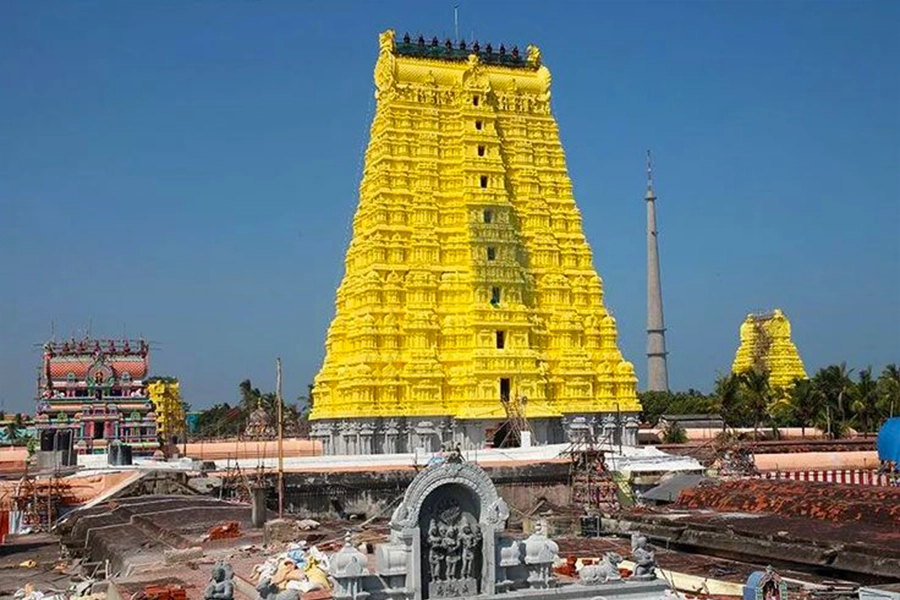
Rameswaram lies on Pamban Island in Tamil Nadu. It is a famous pilgrimage destination and home to the Ramanathaswamy Temple. Pilgrims know it for its impressive corridors and intricately designed sculptural pillars.
Hindus consider Rameswaram one of the holiest places in India. It also holds a proud spot among the Char Dham Yatra sites. People call it the “Varanasi of the South.” Moreover, it is the closest point to Sri Lanka from India.
Geological evidence tells us that the Rama Setu (bridge) once united India and Sri Lanka. Because of this history, the place has attracted travellers from all over the globe. This sacred town carries a deep connection to the epic Ramayana. Here, Lord Rama built the bridge to Lanka and worshipped Lord Shiva with devotion. Furthermore, the majestic Ramanathaswamy Temple houses one of the 12 Jyotirlingas. It also beautifully brings together Shaivism and Vaishnavism under one sacred roof. At Shrine Yatra, we arrange special packages for pilgrims who wish to feel this divine unity.
- Nearby attractions: Dhanushkodi, Agnitheertham, Ram Setu, Gandamadana Parvatham, Jada Theertam, Kalam National, and Pamban Bridge.
- Major festivals: Mahashivratri, Ramalinga Pratisha, Arudra Darshanam, Vasanthotsavam, Navratri, Thirukalyanam, and Dussehra.
- Best time to visit: October to April.
How do I reach Rameswaram Temple?
- By Road: Rameswaram is well-connected via NH-87. Buses, taxis, and private cars operate from Madurai, Chennai, and other cities. Moreover, the scenic Pamban Bridge adds wonderful charm to the journey.
- By Train: Rameswaram Railway Station connects to Chennai, Madurai, Coimbatore, and more. Daily Express and passenger trains cross the iconic Pamban Bridge. As a result, pilgrims reach this holy town comfortably.
- By Air: The nearest airport is Madurai (170 km). Regular flights connect Madurai to Chennai, Delhi, and Mumbai. Furthermore, taxis and buses from the airport take you directly to Rameswaram with ease.
Dwarka Temple – The Kingdom of Lord Krishna
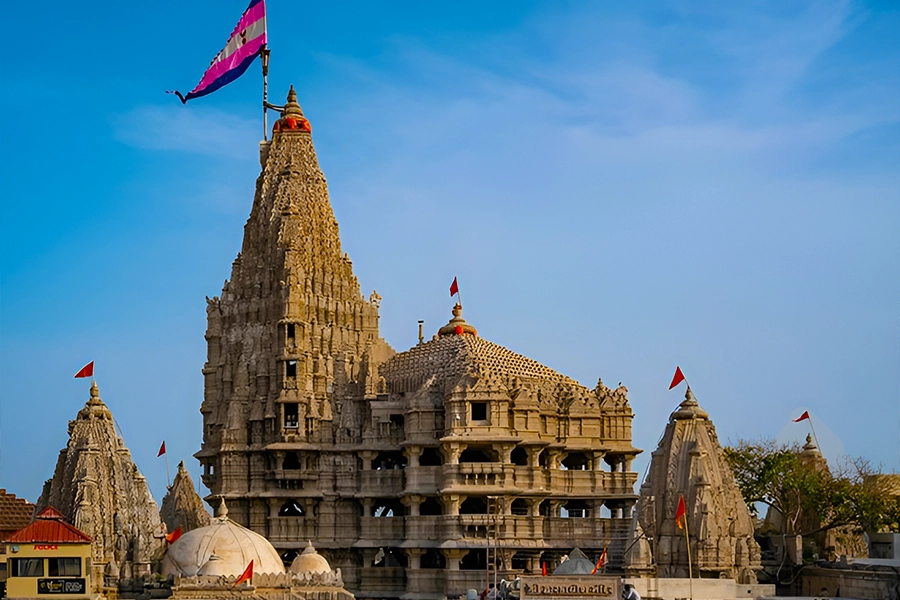
Dwarka is a holy city in Gujarat that beautifully brings together spirituality, history, and coastal charm. It sits on the western tip of Gujarat by the Arabian Sea. Additionally, it stays close to the Gulf of Kutch.
This town also holds the title of one of the Sapta Puris (seven sacred cities). It carries immense religious importance as the ancient kingdom of Lord Krishna. Furthermore, it proudly stands as a part of the Char Dham pilgrimage.
The Dwarkadhish Temple is dedicated to Lord Krishna as the “King of Dwarka.” It amazes every visitor with its five-storey structure. It also features 72 intricately carved pillars and stunning 16th-century architecture. Moreover, Dwarka forms a key stop on the Krishna Pilgrimage Circuit, which includes Vrindavan, Mathura, Barsana, Gokul, Govardhan, Kurukshetra, and Puri. You will also be amazed to know that the Government of India selected Dwarka as one of 12 heritage cities under the Heritage City Development and Augmentation Yojana (HRIDAY) scheme. Shrine Yatra guides every pilgrim through this magnificent city with proper care and planning.
- Nearby attractions: Dwarkadhish temple, Nageshwar Jyotirlinga, Bet Dwarka, Rukmini Devi Temple, Dwarka Beach, and Dwarka Lighthouse.
- Religious significance: Hindus believe it is the Mokasha Puri and Dwarkamai. Ancient scriptures like the Mahabharata mention it with great reverence.
- Major festivals: Krishna Janmashtami, Diwali, Holi, and Makar Sankranti.
- Best time to visit: October to March.
How do I reach Dwarkadhish Temple?
- By Road: Dwarka is well-connected via NH-51. You can drive or take buses from Ahmedabad, Rajkot, Jamnagar, or Porbandar. Moreover, state and private buses operate regularly on scenic highway routes.
- By Train: Dwarka Railway Station connects to major cities like Ahmedabad, Mumbai, Delhi, and Vadodara. Trains such as Saurashtra Mail and Okha Express run frequently. Therefore, they offer a comfortable travel option for pilgrims.
- By Air: The nearest airport is Jamnagar (about 130 km). Regular flights connect Mumbai, Delhi, and Ahmedabad to Jamnagar. Furthermore, taxis and buses from Jamnagar provide easy access to Dwarka.
Jagannath Puri – The Lord of the Universe in East India
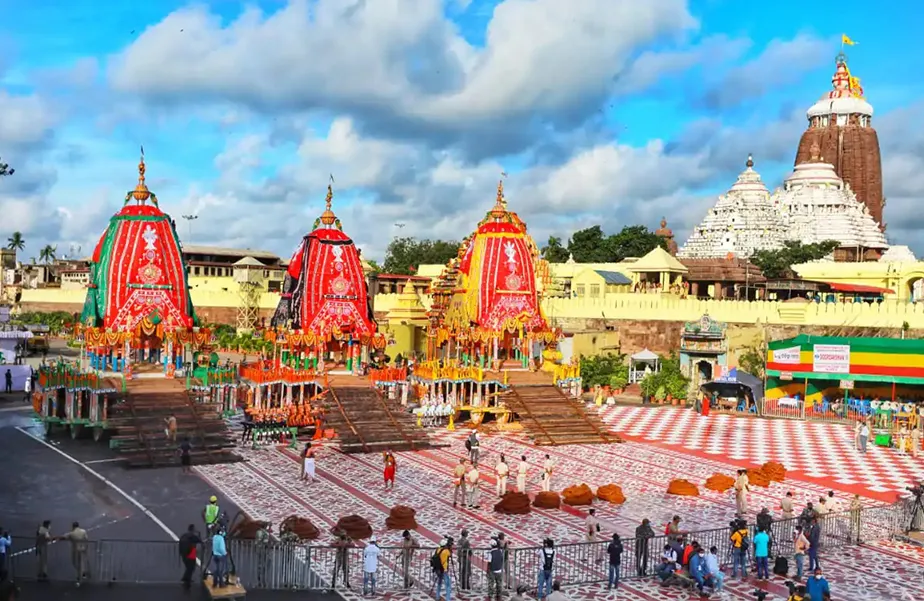
The sacred Bada Char Dham Yatra stays incomplete without visiting Jagannath Puri in Odisha. This revered coastal city sits along the clean shores of the Bay of Bengal. Moreover, it holds the status of one of the four divine cities associated with Lord Vishnu.
The place is known for the iconic Jagannath Temple, which devotees established during the 12th century. It is dedicated to Lord Jagannath (an avatar of Lord Vishnu), his brother Balabhadra, and sister Subhadra. People across India recognize this temple as a major centre of Vaishnavism. Furthermore, it attracts attention for its unique architecture, beautiful rituals, and the grand annual Rath Yatra festival.
A unique ritual called Nabakalebara takes place here every 12 years. During this event, the whole city goes into a blackout after midnight. People say that priests replace the wooden idols of Lord Jagannath, Balabhadra, and Subhadra with brand new ones. Additionally, the Sudarshana Chakra is also replaced at the same time.
Beyond its religious appeal, Puri enchants tourists with the peaceful Puri Beach and beautiful Chilika Lake. It also offers the bird-rich Nalabana Sanctuary and colorful arts like Pattachitra, sand sculptures, and classical Odissi dance. Moreover, sweet delights like Chhena Poda and Roshogolla make the visit even more special. Shrine Yatra creates special tour packages so that every visitor experiences the full magic of Jagannath Puri.
- Nearby attractions: Gundicha Temple, Pipili, and Sakshi Gopal Temple.
- Major festivals: Jagannath Rath Yatra, Damnak Chaturdashi, Akshaya Tritiya, Durga Puja, Kali Puja, Shiva Ratri, Snana Yatra, Sri Gundicha Yatra, Dakhinayan Yatra, Prarbana Yatra, Uttarayan, and Dola Purnima (Holi).
- Best time to visit: October to July. Rath Yatra happens every year during June and July. However, the city gets very crowded during this time. Therefore, plan your trip to Puri accordingly.
How do I reach Jagannath Puri Temple?
- By Road: Jagannath Puri is well-connected by NH-316. Regular buses and taxis run from Bhubaneswar (60 km), Cuttack, and nearby cities. Furthermore, self-driving is convenient via state and national highways.
- By Train: Puri Railway Station is just 2 km from the temple. It connects well with major Indian cities like Delhi, Kolkata, and Chennai. Moreover, regular superfast and express trains run throughout the year.
- By Air: The nearest airport is Biju Patnaik International Airport, Bhubaneswar (60 km away). From there, taxis, buses, and private cabs take you to Jagannath Puri within just 1.5 hours.
Differences Between Char Dham Yatra and Bada Char Dham Yatra
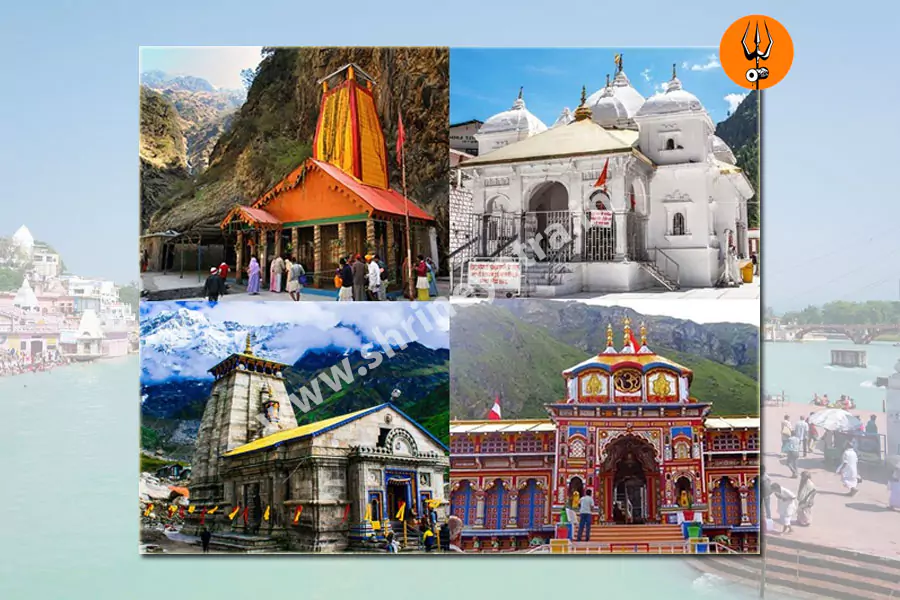
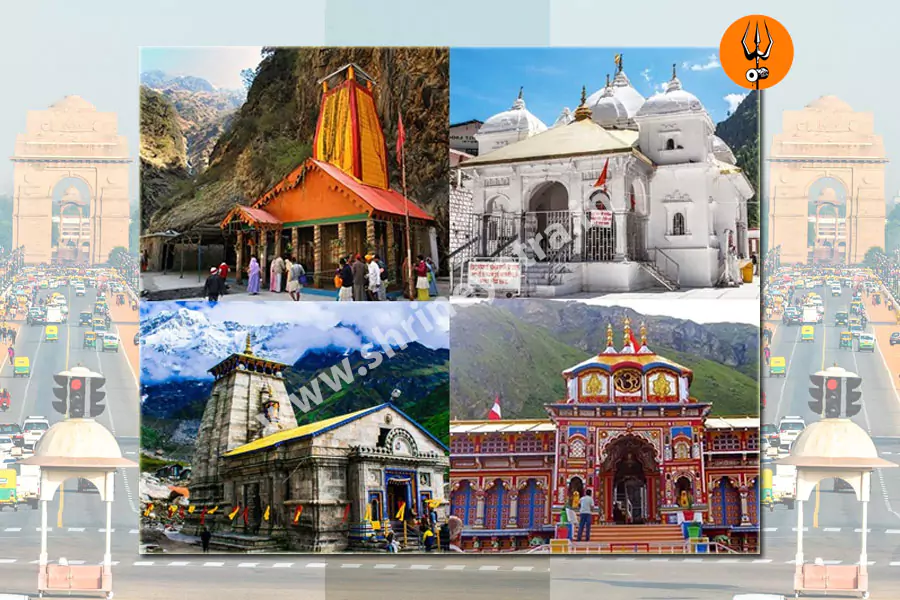
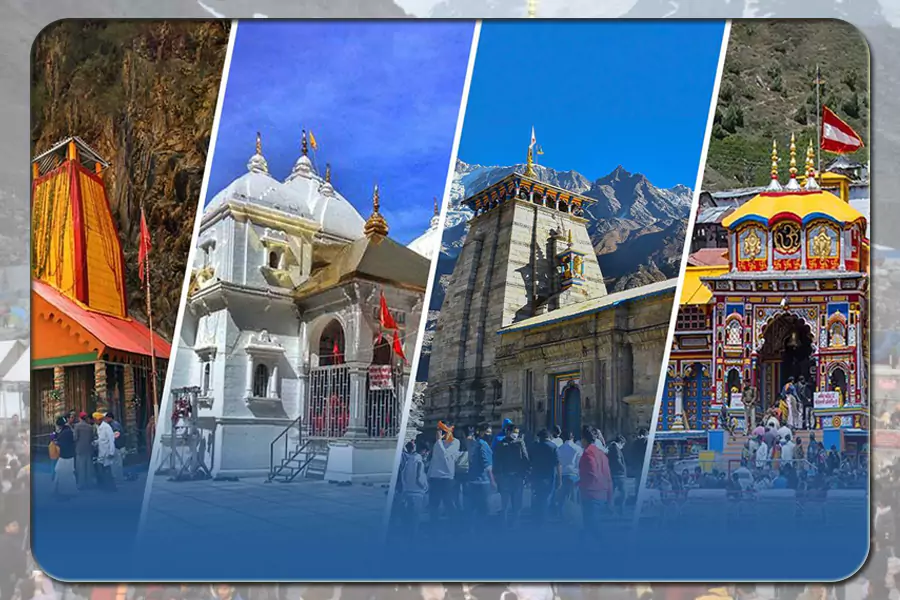
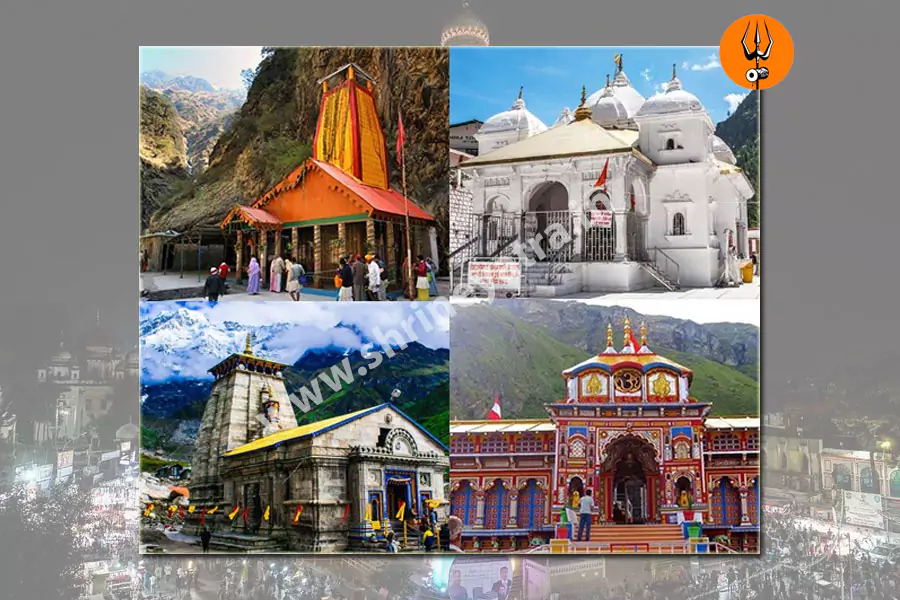
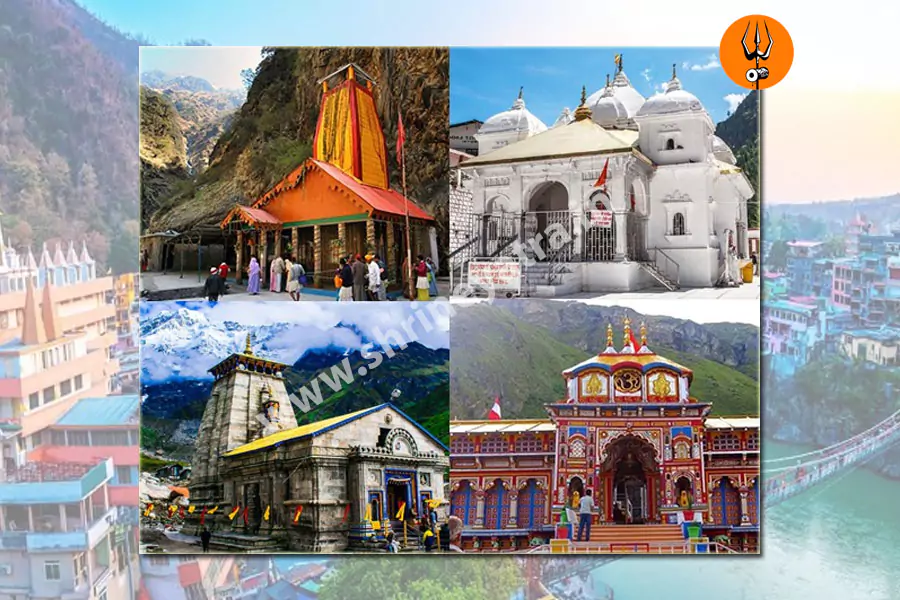
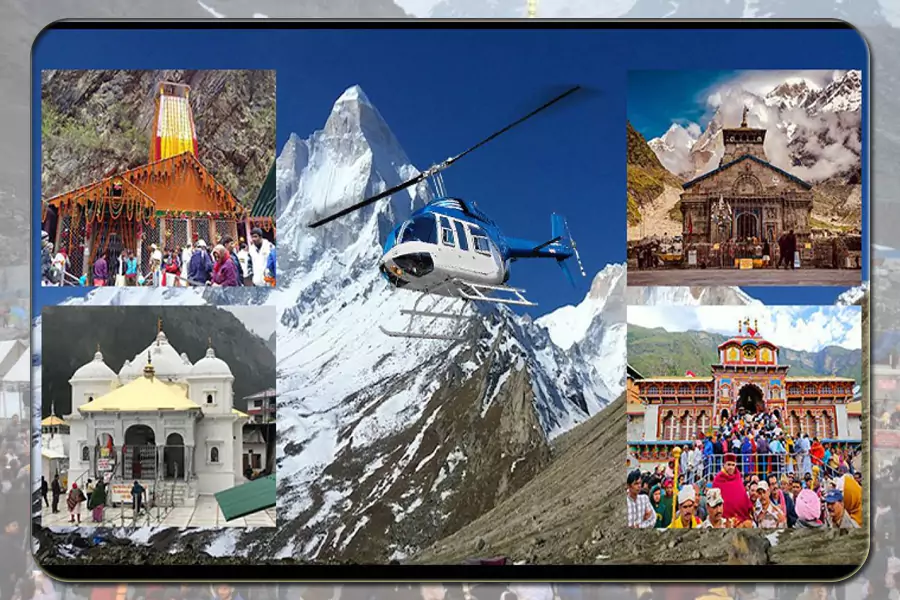
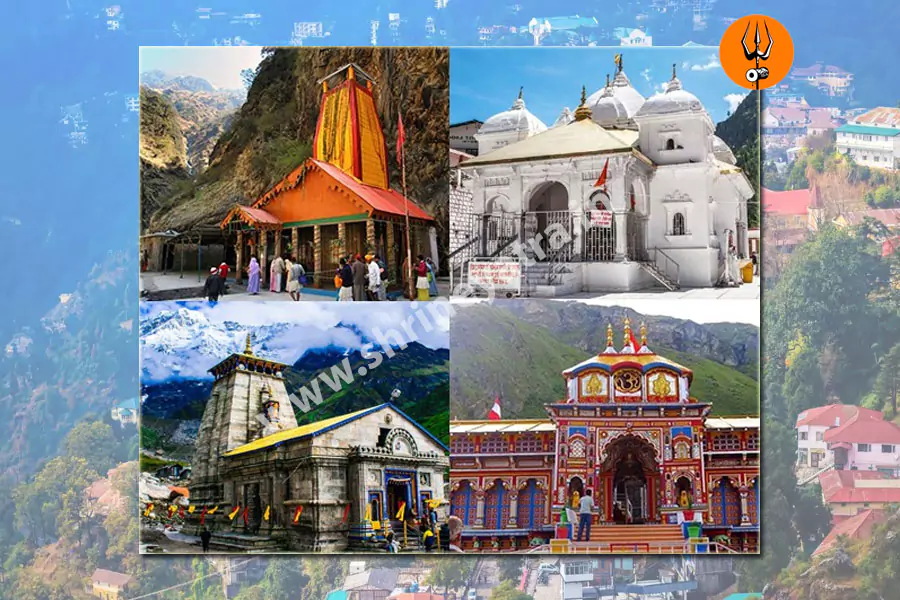
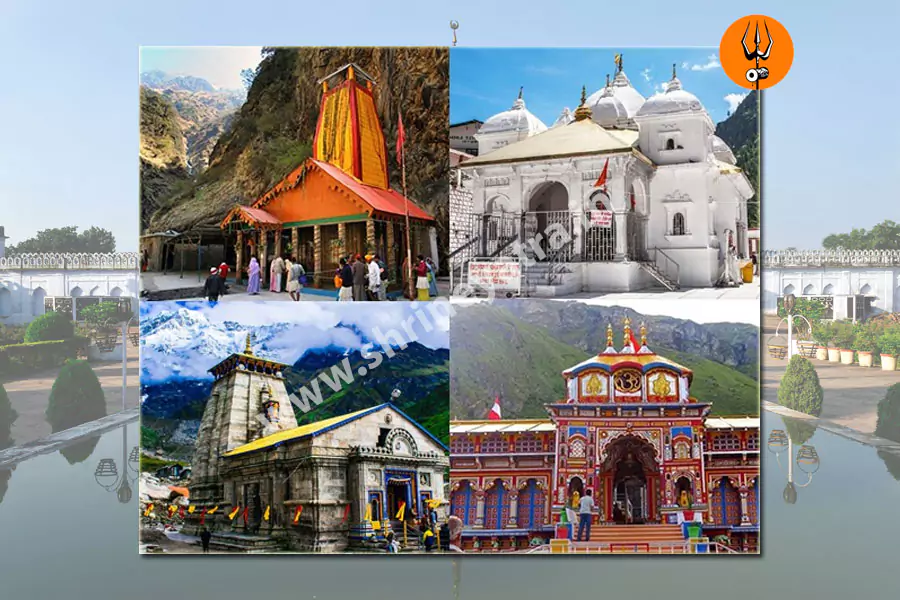
Chota Char Dham takes pilgrims to Badrinath, Kedarnath, Gangotri, and Yamunotri. The entire yatra covers around 1,600 km. Moreover, it begins from Haridwar or Rishikesh.
On the other hand, Bada Char Dham includes Badrinath (North), Rameswaram (South), Dwarka (West), and Jagannath Puri (East). This pan-India pilgrimage covers approximately 6,000 to 7,000 km. Furthermore, it connects India’s spiritual essence from all four directions.
Badrinath appears in both Chota Char Dham and Bada Char Dham Yatras. This is because it holds supreme importance in Vaishnavism. It lies in the north and symbolizes spiritual liberation for every pilgrim.
The significance of Chota Char Dham lies in its connection to rivers and mountains. As a result, it provides a closer spiritual experience with nature. In contrast, Bada Char Dham symbolizes unity in diversity. It connects devotees across India with different deities across all four sacred regions. Therefore, both yatras were established to spread spiritual awareness and unite Bharat’s religious spirit. Moreover, Badrinath serves as a divinely major bridge between both sacred journeys. Shrine Yatra helps pilgrims plan and complete both yatras with the highest level of comfort.
Travel Tips for Bada Char Dham Yatra
- Plan early: Book your transportation and accommodation well in advance. This yatra is long and highly popular, so it fills up fast.
- Choose the right season: The ideal months are October to March for Rameswaram, Dwarka, and Puri. However, for Badrinath, May to October works best.
- Carry all ID proofs: You will need them for hotel check-ins, temple darshans, and routine checks.
- Pack light but smart: Include cotton clothes, a few woollens, comfortable footwear, a raincoat, and toiletries.
- Stay hydrated and eat light: Avoid heavy meals and drink clean water. This helps you stay fit throughout your journey.
- Respect local customs: Maintain silence inside temples. Furthermore, follow dress codes by wearing traditional or Indian attire.
- Hire a local guide: A guide gives you historical insights. Additionally, they help you get smoother darshans at every temple.
- Keep emergency numbers handy: Stay aware of network connectivity, especially while travelling in remote areas.
- Carry cash: Some temples or small towns may not accept digital payments. Therefore, keep enough cash to avoid inconvenience.
- Be spiritually prepared: The journey is both physically and spiritually fulfilling. So, prepare your mind to absorb positive energy and let go of all worries before you begin.
At Shrine Yatra, we follow all these tips as a standard part of every package. As a result, you never have to worry about anything on this sacred path.
Conclusion
The Bada Char Dham Yatra is a profound spiritual journey. It unites devotees with the divine energies of Lord Vishnu and Lord Shiva across four sacred corners of India — Badrinath, Dwarka, Rameswaram, and Jagannath Puri. Adi Shankaracharya established this pilgrimage to spiritually integrate Bharat. As a result, it continues to offer religious fulfillment, inner peace, wisdom, and liberation to millions of pilgrims every year. Furthermore, from majestic temples and rich history to vibrant festivals and scenic beauty, each destination enriches the soul in a way that words can barely describe.
At Shrine Yatra, we take great pride in helping every devotee experience the full glory of the Bada Char Dham Yatra. We ensure ease, safety, and spiritual joy at every step. Therefore, let us walk this sacred path with you, every step of the way.