Best Time To Visit Kailash Mansarovar: A Complete Travel Guide
You can visit Kailash Mansarovar between May and September. The weather stays pleasant during these months. The roads remain open, and you can walk easily on the paths. Rain comes in July and August, but the temperature feels nice. May and June give you clear skies as snow melts away. September works great if you want quiet trails and fresh air after the rains.
Pick your travel dates carefully. You need good weather to enjoy this holy journey. This guide tells you when to go based on different seasons. You will learn about weather, roads, festivals, and what to pack.
Overview of Kailash Mansarovar Yatra
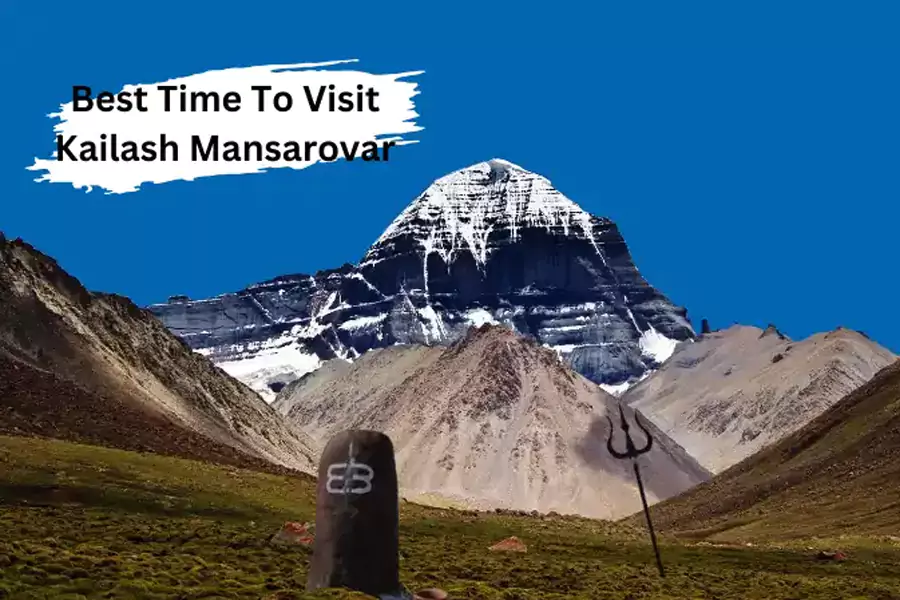
Kailash Mansarovar sits high in the Tibetan Himalayas. People from four religions—Hinduism, Buddhism, Jainism, and Bon—visit this sacred place. Hindus believe Lord Shiva lives on Mount Kailash. They also call it Mount Meru from ancient stories. Lake Mansarovar has holy water that cleans your soul.
This trip tests your body and spirit. You walk at very high places where the air feels thin. The paths challenge you, but millions still make this journey.
Kailash Mansarovar Yatra in Spring (March to April)
Spring starts the travel season to Kailash Mansarovar. Winter ends and the area becomes ready for visitors. The weather gets better, but early spring still brings some tough moments. You need experience and good planning.
Weather Conditions in Spring
- Daytime Temperatures: April brings mild days. The temperature reaches 5°C to 15°C. You can walk comfortably and do outdoor prayers.
- Nighttime Cold: Days feel warm, but nights stay very cold. The temperature drops below freezing. Pack warm clothes for sleeping.
- Transitional Climate: March and April change often. You might see frost and snow patches. The weather shifts quickly.
Terrain and Trekking Conditions
- Melting Snow: Snow starts melting on the walking paths. The trails become easier to cross as spring moves forward.
- Challenging Terrain: Melting snow makes the ground slippery and muddy. Walk carefully. You need strong legs and balance.
- Feasibility: The paths open up, but they demand effort. Build your stamina before coming. Practice walking on hills.
Spiritual and Scenic Appeal
- Blooming Landscape: Nature wakes up around you. Wildflowers appear on the hills. The sky clears and shows beautiful views. This makes your prayers feel more special.
- Peaceful Atmosphere: Fewer people travel in spring than summer. You get quiet time for thinking and meditation. The silence helps you connect with your spiritual side.
- Spiritual Renewal: Spring means new beginnings. This matches your inner journey toward peace and purity.
Challenges of Early Spring
- Road Accessibility: Some snow stays on roads in March and April. Rocks might fall and block paths. Keep your plans flexible.
- Unpredictable Weather: Weather changes without warning. Bring proper gear. Stay ready for anything.
Kailash Mansarovar Yatra in Summer (May to June)
Summer brings the most visitors to Kailash Mansarovar. The weather becomes stable and friendly. These months give you warm days and open roads. All mountain passes clear of snow and welcome travelers.
Weather Conditions
- Daytime Temperatures: Summer days feel pleasant. Temperatures stay between 15°C and 20°C. Walking becomes enjoyable in this warmth.
- Nighttime Chill: Nights remain cool but bearable. You still need warm clothes after sunset.
- Monsoon Influence: Rain season overlaps with your trip. The Tibetan plateau gets less rain than Nepal or India. You might see some showers that delay travel or close roads temporarily.
Accessibility and Trekking
- Open Routes: No snow blocks the high mountain passes. All traditional paths stay open. You can complete the full journey without obstacles.
- Travel Convenience: Long daylight gives you more walking time. You can finish daily goals easily and follow your schedule.
- Potential Weather Challenges: Rain falls suddenly in border areas. Roads might become wet and slippery. Keep extra days in your plan for delays.
Spiritual and Festive Atmosphere
- Major Religious Festivals: Important celebrations happen in summer. Saga Dawa and Guru Purnima bring colorful ceremonies and prayers. These festivals add joy to your pilgrimage.
- Crowds and Community: Many pilgrims arrive during this season. You meet fellow travelers and share experiences. The group energy lifts your spirits.
Scenic Beauty of Summer
- Lush Landscapes: Green plants cover the region. Alpine meadows bloom with bright flowers. The colors stand out against rocky mountains.
- Photographic Opportunities: Sunny days give crystal-clear views. You can take stunning photos of the Himalayas. The visibility reaches far across valleys and peaks.
Practical Advice for Pilgrims
- Prepare for Rain: Pack raincoats and waterproof bags. Protect your belongings from unexpected showers.
- Hydration and Sun Protection: Drink plenty of water. Use sunscreen and sunglasses. The strong sun at high altitude can burn your skin quickly.
- Flexible Scheduling: Add extra days to your plan. Weather near Nepal’s border might cause delays.
Kailash Mansarovar Yatra in Autumn (September to October)
Many call autumn the golden season for Kailash Mansarovar. You get pleasant weather, colorful scenery, and fewer crowds than summer. This season suits people who want peace and deep spiritual feelings.
Weather Conditions in Autumn
- Daytime Temperatures: Autumn days feel cool and fresh. Temperatures range from 10°C to 15°C. Walking stays comfortable throughout the day.
- Nighttime Chill: Nights turn quite cold. The temperature falls to -5°C or lower. Bring heavy blankets and warm sleeping bags.
- Stable Climate: The weather stays dry and predictable. You get excellent views for sightseeing and outdoor rituals.
Terrain and Travel Conditions
- Dry and Stable Paths: The ground stays dry and firm. Walking becomes safer and easier. The paths hold your footing well.
- Road Accessibility: Roads remain open during most of autumn. Watch for late October—snow might start falling on high passes. Time your visit accordingly.
Scenic and Spiritual Experience
- Golden Autumn Landscapes: Mountains glow with golden and orange colors. Leaves change and create beautiful views. The scenery enhances your spiritual mood.
- Quiet Atmosphere: Fewer pilgrims travel in autumn compared to busy summer months. You find peaceful spots for meditation. The silence deepens your connection to the sacred place.
- Comfortable Pilgrimage: The weather supports walking around Mount Kailash (parikrama) and other religious activities. Everything flows smoothly.
Practical Advice for Autumn Pilgrims
- Layered Clothing: Wear multiple layers. Remove or add clothes as temperature changes. This keeps you comfortable all day.
- Photography: Clear skies and vibrant colors make autumn perfect for taking pictures. Your photos will look amazing.
- Travel Timing: Start your journey early in the season. Avoid late October when snow begins falling again.
Months to Avoid: Winter Season (November to February)
Winter creates the hardest conditions at Kailash Mansarovar. Experts strongly advise against traveling during these months. The extreme cold makes the journey dangerous and exhausting. Most pilgrims skip winter completely.
Accessibility and Travel Restrictions
Closed Routes
Snow and landslides block roads and mountain passes. Nothing moves through these areas in winter.
Suspension of Services
Hotels, transport, and support services shut down. You find no help or facilities for travelers.
High Risks
- Frostbite: Damages your skin.
- Altitude sickness: Hits harder in winter.
- Hypothermia: Threatens your life.
- Cold-related illnesses: Become common.
Pilgrimage Status
Minimal Footfall
Almost nobody attempts this pilgrimage in winter. The risks outweigh any benefits.
Planned Suspension
Officials close the pilgrimage season. They reopen it in spring when conditions improve.
Visitor Advice
Avoid Winter Travel
Stay away from Kailash Mansarovar in winter unless you have expert mountaineering skills and special equipment.
Preparation for Extremes
Only trained professionals with survival gear should consider winter travel. You need special clothing, equipment, and medical supplies.
Additional Tips for Best Experience
- Acclimatization: Rest for several days when you first arrive. Let your body adjust to thin air. This prevents altitude sickness.
- Health Preparations: Carry medicine for altitude sickness. Drink lots of water. Eat balanced meals with enough calories.
- Clothing: Wear layers starting with thermal underwear. Add a windproof jacket on top. Keep waterproof outer clothes ready.
- Permits and Regulations: Get all Indian and Tibetan permits before leaving. Join government-organized groups—they handle paperwork and safety.
- Guides and Transport: Hire certified guides who know the area. They understand weather patterns and terrain changes.
- Physical Fitness: Exercise regularly before your trip. Do cardio workouts and build endurance. Your body needs strength for high-altitude walking.
- Packing Essentials: Bring sunscreen, good trekking shoes, walking sticks, first aid kit, and portable oxygen if needed.
- Respect Local Customs: Show respect at sacred sites. Keep the environment clean. Follow spiritual rules of the pilgrimage.
- Booking: Spring and autumn have fewer crowds—book normally. Summer gets packed—reserve your spot months ahead.
Spiritual and Cultural Highlights by Season
- Summer: Festivals like Saga Dawa showcase vibrant Tibetan Buddhist ceremonies. You witness colorful prayers and traditions.
- Spring: Represents renewal and rebirth. This mirrors your spiritual awakening during the journey.
- Autumn: Encourages meditation and reflection. The year winds down as nature displays its final beauty.
- Winter: Symbolizes inner spiritual work. Nature rests while you focus on internal growth.
Your travel timing shapes your spiritual experience. Match the season with your personal goals and physical ability.
Conclusion
Visit Kailash Mansarovar between late spring and early autumn (May to October). Each season offers something different:
| Season | Best Months | Weather | Pilgrimage Experience | Travel Conditions |
|---|---|---|---|---|
| Spring | March to May | Cold to mild, snow melting | Quiet, high crowds, awakening nature | Favorable due to mild temperature |
| Summer & Monsoon | June to August | Warm days, possible rains | Peak festival period, accessible routes | Most favorable, some rain risks |
| Autumn | September to October | Cool, stable, clear skies | Golden landscapes, fewer crowds | Excellent, watch for early snow late |
| Winter | November to February | Very cold, snowbound | Not recommended for pilgrimage | Routes mostly closed |
Plan your Kailash Mansarovar pilgrimage carefully. Think about weather, terrain, and spiritual timing. Spring and autumn give you peace and beauty. Summer brings festival energy and easy access. Winter remains extremely dangerous—avoid it.
This guide helps you choose the right time for your sacred journey. Prepare well for one of the most meaningful spiritual experiences in the world.