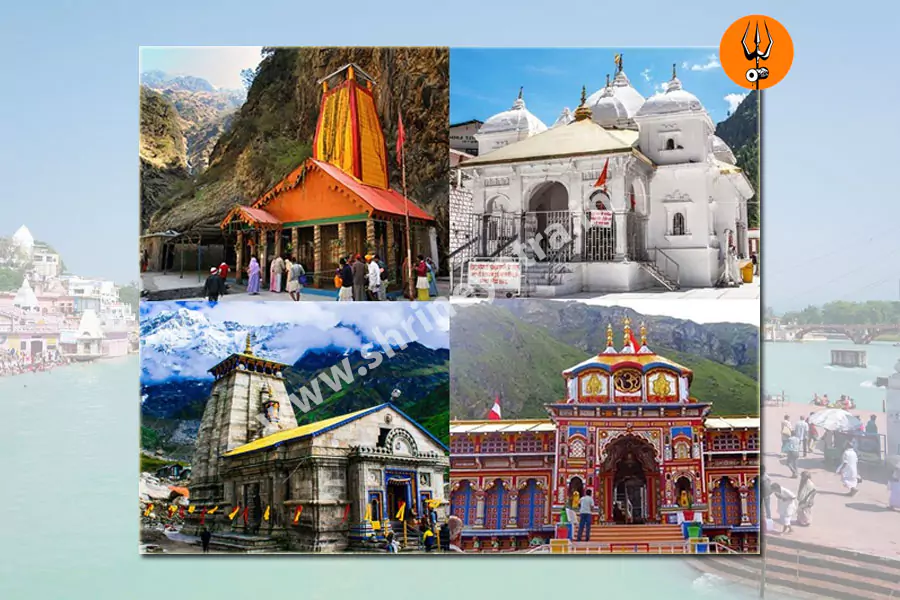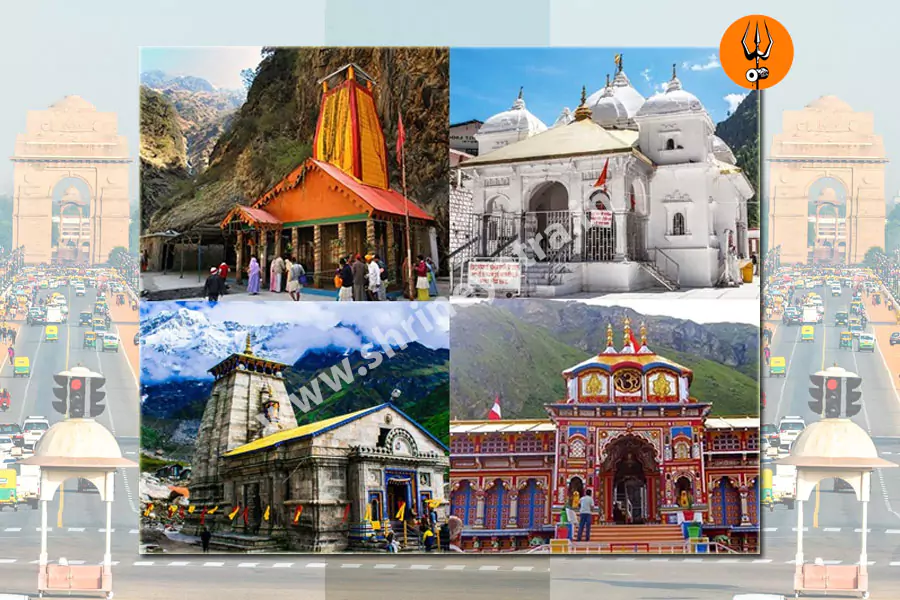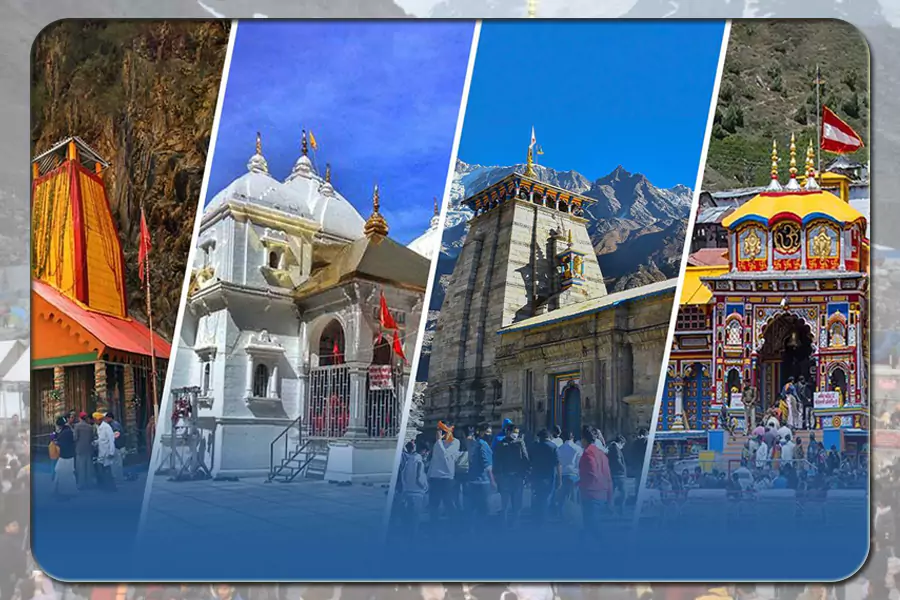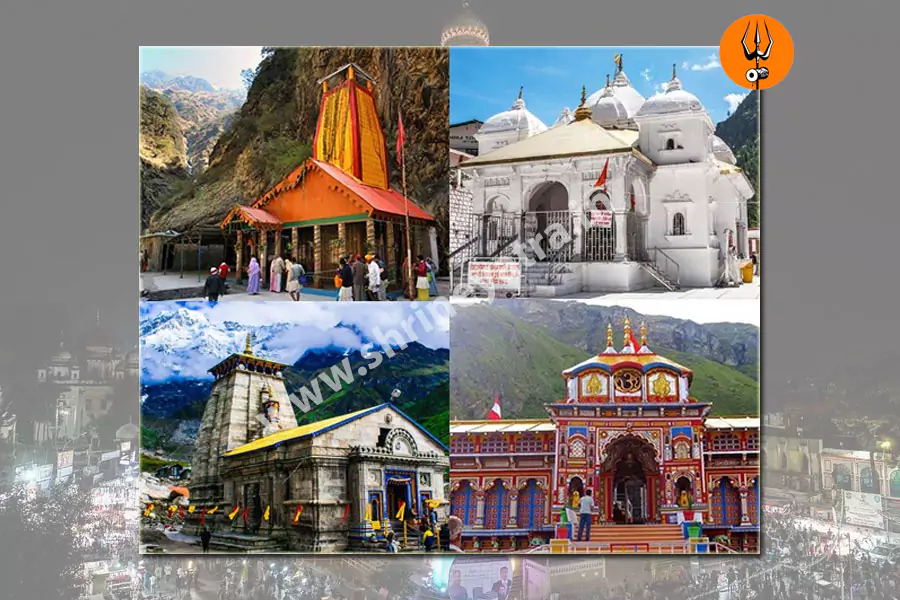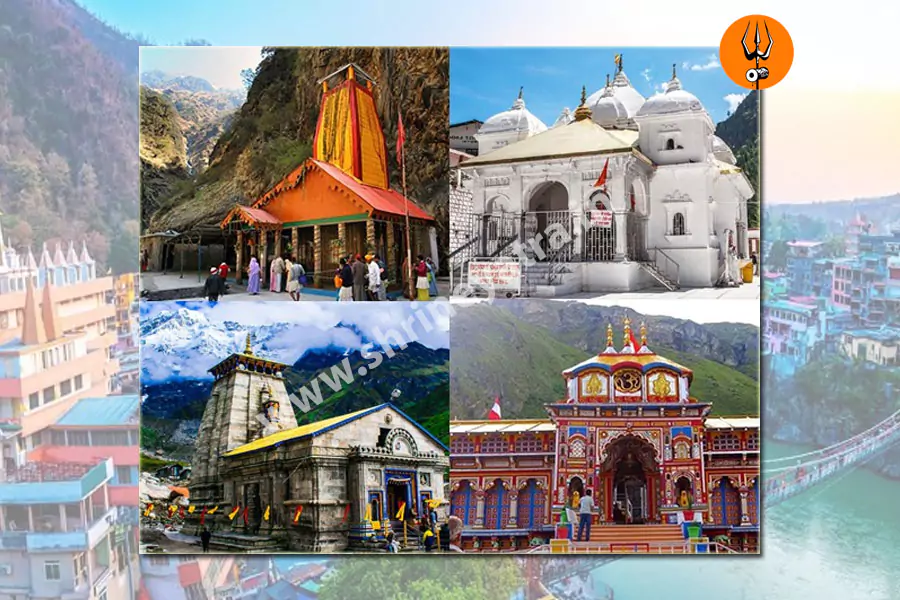
How many days are required for Char Dham Yatra?
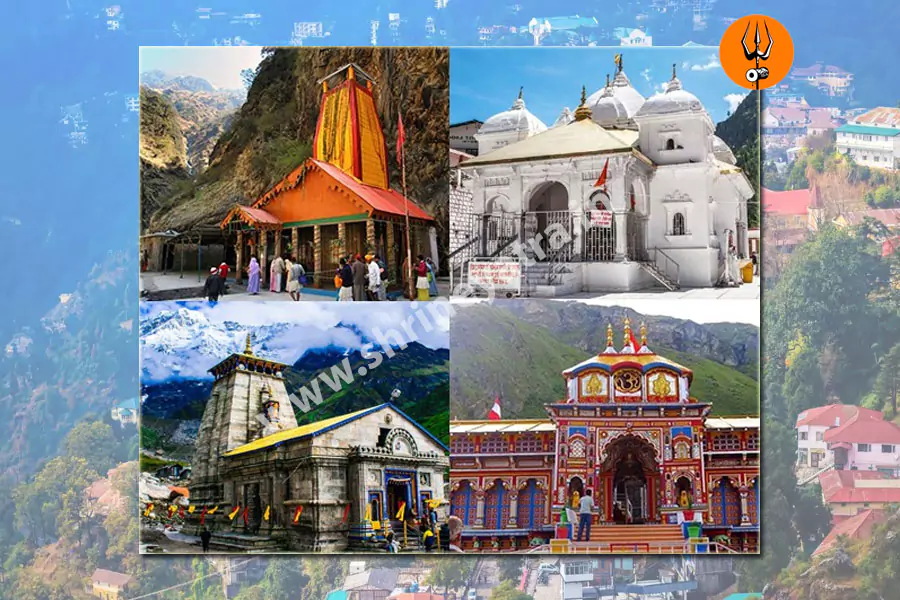
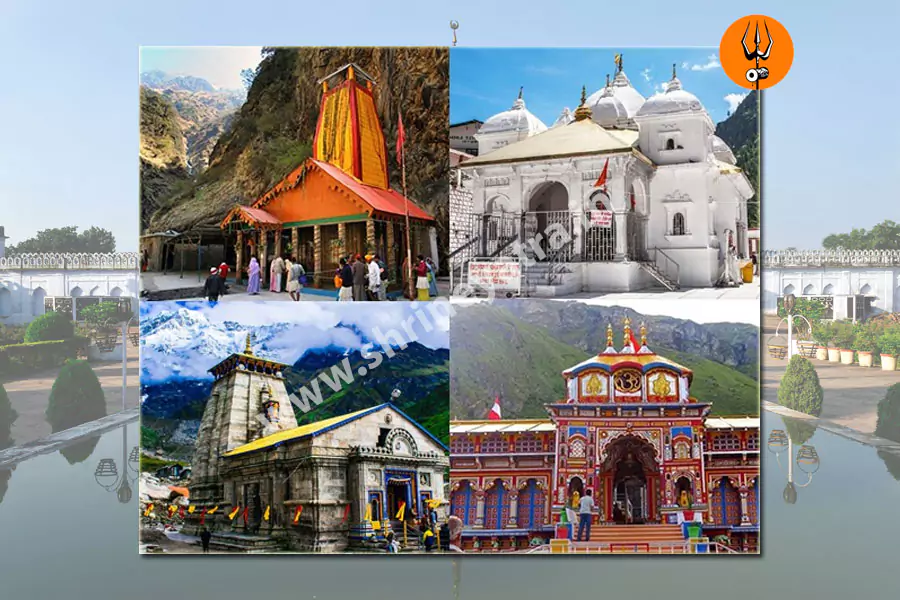
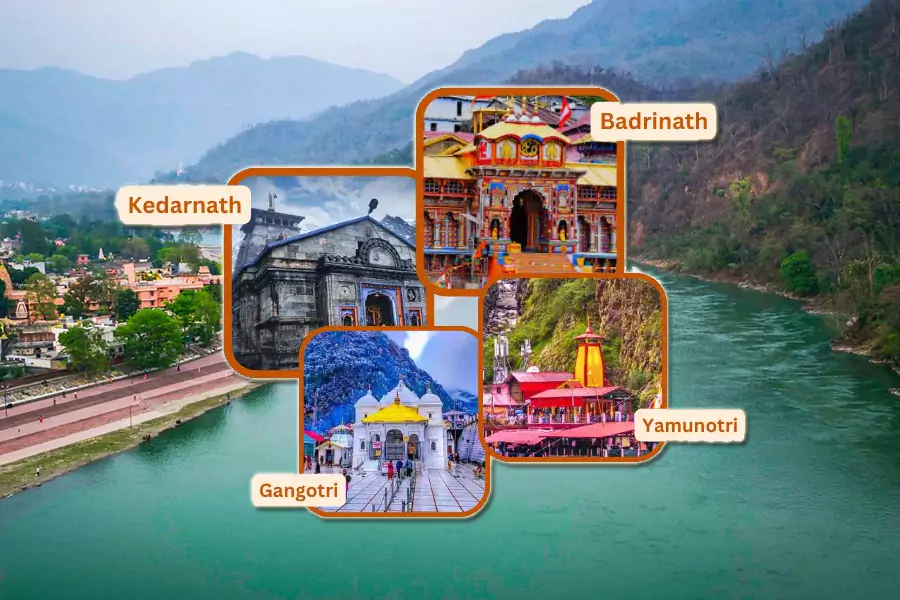
Quick Answer: The traditional Char Dham Yatra by road requires 10-12 days minimum for a comfortable journey visiting all four shrines. Helicopter packages complete the circuit in 2-3 days, while rushed road trips can be done in 7-8 days though this leaves travelers exhausted and allows minimal spiritual time at each shrine.
Standard Duration for Complete Circuit
Most pilgrims allocate 10-14 days for the complete Char Dham Yatra when traveling by road. This timeframe allows proper acclimatization, comfortable daily travel distances, adequate rest periods, and meaningful time at each sacred shrine.
The journey covers approximately 1,200 kilometers of mountain roads with significant altitude changes. Rushing through this circuit increases health risks, diminishes spiritual experience, and turns what should be a transformative pilgrimage into an exhausting race against time.
Why 10-12 Days Works Best
This duration balances multiple critical factors. Your body needs time to adjust to high altitudes ranging from 3,000 to 3,600 meters above sea level. Sudden altitude changes cause headaches, nausea, and breathlessness that proper acclimatization prevents.
Mountain driving takes significantly longer than plains travel. What looks like 200 kilometers on maps translates to 8-10 hours of actual driving through winding roads, sharp curves, and frequent traffic delays.
Each shrine deserves more than a rushed darshan. Spending several hours at each location for prayers, meditation, and absorbing the spiritual atmosphere makes the entire journey worthwhile.
Day-by-Day Breakdown for Standard 12-Day Itinerary
Understanding how each day unfolds helps in realistic planning and expectation setting.
Day 1: Arrival in Haridwar/Rishikesh
Reach Haridwar or Rishikesh by train, bus, or flight to Dehradun followed by road transfer. Most pilgrims arrive by evening and rest overnight.
Use this day for final supply purchases, vehicle arrangements, and acclimatization to the region. Attend evening Ganga Aarti at Har Ki Pauri in Haridwar or Triveni Ghat in Rishikesh for spiritual preparation.
Day 2: Rishikesh to Barkot (220 kilometers, 7-8 hours)
Begin the mountain journey early morning. Drive through Chamba and Mussoorie route or via Tehri Dam. The road climbs steadily into the Garhwal Himalayas.
Barkot serves as the base for Yamunotri visits. Check into hotel, rest after the long drive, and prepare for next day’s trek. Overnight in Barkot.
Day 3: Barkot to Yamunotri and Return
Drive 40 kilometers from Barkot to Janki Chatti (2 hours). Trek 6 kilometers uphill to Yamunotri temple (3-4 hours). Visit the shrine, take holy dip in thermal springs, and trek back to Janki Chatti.
Return to Barkot for overnight stay. This makes a long but manageable day with 6-7 hours of trekking and 4 hours of driving total.
Day 4: Barkot to Uttarkashi (100 kilometers, 4-5 hours)
Travel to Uttarkashi, a major town on the Bhagirathi River. This shorter driving day provides rest after yesterday’s trekking exertion.
Uttarkashi offers better accommodation and dining options than smaller towns. Visit Vishwanath Temple in the evening. Overnight in Uttarkashi.
Day 5: Uttarkashi to Gangotri and Return (100 kilometers one way, 4 hours each way)
Drive to Gangotri temple in the morning. The road follows the Bhagirathi River through stunning mountain scenery. Spend 2-3 hours at the shrine for prayers and exploration.
Return to Uttarkashi by evening. Some pilgrims prefer staying at Gangotri itself, though accommodation options remain more limited than Uttarkashi.
Day 6: Uttarkashi to Guptkashi (220 kilometers, 8-9 hours)
Long driving day descending back to the main highway, then climbing again toward Kedarnath region. Pass through Rudraprayag at the confluence of Alaknanda and Mandakini rivers.
Reach Guptkashi by evening. This town serves as the base for Kedarnath visits. Rest well for tomorrow’s challenging trek. Overnight in Guptkashi.
Day 7: Guptkashi to Gaurikund to Kedarnath (30 kilometers drive plus 16 kilometers trek)
Drive to Gaurikund early morning (1-2 hours). Begin the 16-kilometer uphill trek to Kedarnath. This takes 6-8 hours depending on fitness and weather conditions.
Reach Kedarnath by afternoon or evening. Check into accommodation near the temple. Attend evening aarti. Overnight in Kedarnath.
Day 8: Kedarnath Darshan and Return to Guptkashi
Wake early for morning darshan at Kedarnath temple. Spend a few hours at the shrine. Begin descent to Gaurikund (4-6 hours downhill trek).
Drive back to Guptkashi from Gaurikund. Rest after the strenuous two-day trekking effort. Overnight in Guptkashi.
Day 9: Guptkashi to Badrinath (190 kilometers, 7-8 hours)
Drive to Badrinath via Joshimath. The route offers spectacular views of Himalayan peaks and passes through important pilgrimage towns.
Reach Badrinath by evening. Check into hotel near temple complex. Attend evening aarti if energy permits. Overnight in Badrinath.
Day 10: Badrinath Darshan and Sightseeing
Full day at Badrinath for unhurried darshan and exploration. Visit Tapt Kund (hot springs), Brahma Kapal, and other nearby sacred sites.
Explore Mana Village, the last Indian village before Tibet border. Visit Vyas Gufa and Ganesh Gufa. Return to Badrinath for overnight stay.
Day 11: Badrinath to Rishikesh (290 kilometers, 10-11 hours)
Begin the return journey early morning. Long driving day descending from mountains back to plains. Pass through Joshimath, Rudraprayag, and Devprayag.
Reach Rishikesh by evening. Celebrate successful pilgrimage completion with final Ganga Aarti. Overnight in Rishikesh.
Day 12: Departure from Rishikesh
Morning free for rest or shopping for religious items and local products. Depart for onward journey to Delhi or home destinations.
Most pilgrims feel both physically exhausted and spiritually fulfilled after completing this traditional circuit successfully.
Shorter Itinerary Options
Time-constrained pilgrims can compress the journey, though this increases physical demands and reduces spiritual immersion.
9-Day Express Circuit
Cut rest days and combine some segments. Skip Uttarkashi overnight by directly going from Yamunotri to Gangotri. Reduce time at each shrine to minimum darshan requirements.
This works for younger, fitter pilgrims who can handle sustained exertion. Older travelers or those with health concerns should avoid this compressed schedule.
Day-by-day for 9-day circuit:
- Day 1: Reach Rishikesh
- Day 2: Rishikesh to Barkot
- Day 3: Yamunotri trek and return to Barkot
- Day 4: Barkot to Gangotri to Uttarkashi
- Day 5: Uttarkashi to Guptkashi
- Day 6: Trek to Kedarnath, overnight there
- Day 7: Return from Kedarnath to Guptkashi
- Day 8: Guptkashi to Badrinath
- Day 9: Badrinath to Rishikesh
7-Day Minimum Circuit
The absolute minimum timeline that covers all four shrines by road. Requires excellent health, favorable weather, and acceptance of minimal shrine time.
This rushed schedule eliminates all rest days and forces back-to-back long driving days. Only consider this if absolutely unavoidable time constraints demand it.
Most pilgrims regret taking such compressed circuits. The exhaustion diminishes the spiritual experience significantly.
Helicopter-Based Quick Circuits
Helicopter services eliminate road travel and trekking, dramatically reducing total time requirements.
2-Day Helicopter Package
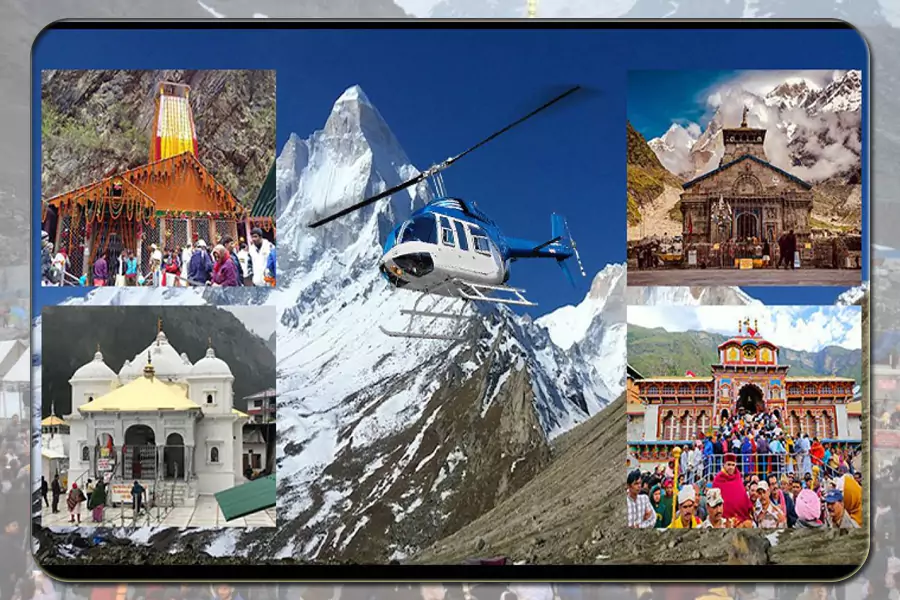
Premium helicopter packages visit all four shrines in just two days. Fly from Dehradun to Yamunotri, Gangotri, Kedarnath, and Badrinath in succession.
Spend 1-2 hours at each shrine for darshan and brief prayers. Return to Dehradun by evening of second day. This costs ₹1,60,000-₹2,50,000 per person.
Weather dependence becomes critical. Fog, rain, or high winds cancel flights, potentially disrupting the entire schedule.
3-Day Helicopter Circuit
More common helicopter itinerary allowing slightly more comfortable pacing. Includes overnight stays at Guptkashi and Badrinath.
Day 1: Dehradun to Yamunotri and Gangotri by helicopter, overnight in Guptkashi
Day 2: Helicopter to Kedarnath, darshan, fly to Badrinath, overnight there
Day 3: Badrinath darshan, return to Dehradun by helicopter
This provides marginally better spiritual time at each shrine while maintaining the speed advantage of air travel.
5-Day Hybrid Option
Combines helicopter for Kedarnath with road travel to other shrines. This addresses the most physically challenging segment with air travel while retaining the traditional journey experience.
Costs moderate compared to full helicopter packages. Allows acclimatization benefits of gradual road ascent while eliminating the demanding Kedarnath trek.
Many older pilgrims or those with knee problems choose this balanced approach successfully.
Factors That Affect Duration
Multiple variables influence actual time requirements beyond basic itinerary planning.
Weather and Road Conditions
Landslides during monsoon extend journey times unpredictably. Roads blocked for 6-12 hours while debris clears happen frequently in July-August.
Pre-monsoon months (May-June) offer best road conditions but face traffic congestion. Journey times may double due to long traffic jams on narrow mountain roads.
Post-monsoon season (September-October) balances good weather with manageable traffic, offering most predictable journey durations.
Physical Fitness Levels
Fit pilgrims trek faster and recover quicker from exertion. Someone completing the Kedarnath trek in 5 hours allows time that someone taking 8 hours does not have.
Slower trekkers must start earlier and may need additional rest days between physically demanding segments. Be honest about fitness when planning duration.
Age significantly impacts required time. Pilgrims over 60 benefit from adding 2-3 extra days to standard itineraries for adequate rest and recovery.
Spiritual vs Tourist Approach
Pilgrims seeking deep spiritual experience need more time at each shrine for meditation, prayers, and absorption of sacred atmosphere. This naturally extends the journey beyond minimum darshan times.
Tourist-oriented visits focusing on shrine visits as checklist items complete faster. Consider your primary motivation when deciding duration.
Group Size and Composition
Larger groups take longer for accommodation check-ins, meal stops, and coordination. Families with elderly members or children need more breaks and move more slowly.
Solo travelers or couples maintain faster pace and greater flexibility. Groups of 4-6 find good balance between companionship benefits and movement efficiency.
Transportation Mode
Private vehicles allow flexible timing and route adjustments. Shared jeeps and buses operate on fixed schedules that may not align perfectly with your preferred pace.
Reliable private vehicles complete the circuit faster than depending on public transport connections. Budget the extra cost against the time savings.
Seasonal Timing Considerations
Different months require different duration planning due to varying conditions.
Peak Season (May-June)
Traffic congestion adds 20-30% to normal driving times. Roads become parking lots during weekends and festival dates. Build buffer days for inevitable delays.
Accommodation becomes difficult without advance booking. Arriving late at destinations may waste hours searching for available rooms.
Shrine towns overflow with pilgrims. Expect longer waiting times for darshan at all locations. Standard 10-12 day itinerary barely suffices during peak months.
Off-Peak Season (September-October)
Roads remain clearer with less traffic. Journey times match or beat estimates more reliably. Standard itineraries feel more relaxed and manageable.
Hotels have better availability and rates. Less time wasted on accommodation searches. Shrine darshan queues move faster with fewer crowds.
10-day itinerary during off-peak season provides comparable experience to 12-13 days during May-June peak chaos.
Shoulder Season Challenges
Late April/early May sees unpredictable shrine opening dates due to snow conditions. Plan flexible dates or risk arriving before shrines open.
Late October/early November faces early winter snowfall threats. Shrines close when weather deteriorates, potentially before scheduled dates.
Add 1-2 buffer days when traveling during shoulder seasons to accommodate weather uncertainties.
Budget Impact on Duration
Financial constraints significantly influence feasible journey duration.
Budget Travel Takes Longer
Depending on public buses and shared jeeps means waiting for scheduled departures. Connections do not always align efficiently, creating gaps between segments.
Budget accommodation tends to be further from main roads and shrines. Extra time needed for commuting to and from cheaper hotels.
12-day journey for budget travelers might accomplish what 10 days achieves with private transport and central accommodations.
Comfort Travel Saves Time
Private vehicles depart on your schedule, not public transport timetables. Direct routes without intermediate passenger pickups save 1-2 hours per journey leg.
Hotels near shrine complexes eliminate commute time. Wake up, walk to temple, complete darshan quickly, and proceed to next destination efficiently.
Higher budget allows helicopter for Kedarnath, eliminating 2 full days of trekking and returning. This alone justifies 8-day completion versus 10-day minimum by road.
Health and Medical Factors
Pre-existing conditions or medical concerns necessitate longer, gentler itineraries.
Cardiac Conditions
Anyone with heart problems needs medical clearance before attempting high altitude pilgrimage. Extra rest days between shrines allow better cardiovascular adaptation.
14-16 day itineraries with frequent rest days work better than compressed 10-day schedules for those with cardiac concerns.
Respiratory Issues
Asthma, chronic bronchitis, or other lung conditions worsen at high altitudes. Gradual ascent over extended timeline reduces respiratory distress.
Carry prescribed medications and oxygen canisters. Plan extra days to accommodate potential breathing difficulties requiring slower pace.
Joint Problems
Knee or hip issues make the Kedarnath trek extremely challenging. Consider helicopter option for this segment, saving 2 days of painful trekking.
Arthritis sufferers need more recovery time between physically demanding segments. Add 2-3 rest days to standard itineraries.
Diabetes Management
Blood sugar control becomes trickier during sustained physical activity and irregular meal timing. Extra days allow better glucose management.
Carry sufficient medication supplies plus backups. Plan rest days that permit regular meal schedules and blood sugar monitoring.
Solo vs Group Travel Duration
Group composition affects required time in specific ways.
Solo Pilgrim Flexibility
Travel alone and adjust pace daily based on how you feel. Cut short or extend stays at each location without consulting others.
Solo travelers complete the circuit in 9-10 days more easily than groups requiring 11-13 days. Decision-making speed and single accommodation needs create efficiency.
Family Group Considerations
Families with children need frequent breaks, entertainment during long drives, and patience for slower walking speeds.
Elderly family members require rest days and shorter daily travel distances. 14-day itinerary works better than compressed 10-day schedule for multi-generation families.
Large Group Challenges
Groups of 10+ people take longer for everything: meals, accommodation check-ins, transportation coordination, and decision-making.
Large groups benefit from 13-15 day itineraries that allow comfortable pacing and accommodate inevitable coordination delays.
Organized Tour Packages
Fixed departure tour packages typically follow 10-12 day itineraries designed for average fitness levels. These work well for first-time pilgrims wanting structured experiences.
Tour schedules cannot be modified mid-journey. Ensure the set itinerary matches your physical capabilities before booking.
Adding Buffer Days
Smart pilgrims build contingency time into their plans for unexpected situations.
Why Buffer Days Matter
Landslides block roads unpredictably. Vehicle breakdowns happen. Someone in your group falls sick. Weather turns bad unexpectedly. Buffer days absorb these disruptions without ruining entire plans.
Pilgrims with exactly 10 days and flights booked on day 11 face severe stress when any delay occurs. Those with 12-day plans but 14 days available handle problems calmly.
Where to Add Buffers
Place buffer days after physically demanding segments like Kedarnath trek. If your body needs extra recovery time, the buffer day provides it without cascading schedule disruptions.
Schedule one buffer day mid-circuit (after Gangotri) and another near the end (at Badrinath). This distributes flexibility throughout the journey.
Using Unused Buffer Days
If everything proceeds smoothly and buffer days remain unused, spend extra time at favorite shrines, explore nearby attractions, or simply rest.
Badrinath vicinity offers Mana Village, Valley of Flowers National Park (requires additional trekking), and other sites worth exploration if time permits.
Combining Char Dham with Other Destinations
Some pilgrims extend trips to include additional sacred or tourist sites.
Adding Hemkund Sahib
This Sikh pilgrimage site near Badrinath requires 2 additional days minimum. The high altitude lake shrine sits at 4,600 meters with challenging trek access.
Extended circuit becomes 12-14 days total. Only attempt if physically fit and well-acclimatized to altitude.
Including Rishikesh Exploration
Spend 2-3 days in Rishikesh before or after the mountain circuit. Visit ashrams, attend yoga classes, experience river rafting, and explore Beatles Ashram.
This makes a 13-15 day complete trip combining spiritual pilgrimage with adventure tourism and cultural exploration.
Valley of Flowers Trek
June-September allows access to this UNESCO World Heritage Site. Requires 3-4 additional days for trekking and viewing the spectacular alpine meadows.
Total journey extends to 15-18 days when including Valley of Flowers with Char Dham circuit.
Permits and Documentation Time
Administrative requirements might add time to overall journey duration.
Registration Processes
Foreign nationals need police station registration at multiple points. This can take 1-2 hours at each location if offices are busy.
No special permits required for the four main shrines, but carrying proper documentation prevents delays at checkpoints.
Medical Certificates
Some tour operators require fitness certificates from doctors, especially for elderly pilgrims. Obtain these before departure to avoid time-consuming arrangements during the journey.
Cost Comparison Across Different Durations
Journey length directly impacts total expenditure across all categories.
7-Day Minimum Budget
Compressed schedule means fewer accommodation nights (saves ₹3,000-₹5,000) and reduced meal costs. However, rushing increases health risks and reduces experience quality.
Total costs: ₹15,000-₹20,000 per person for basic budget travel.
10-12 Day Standard Budget
Most economical balanced option. Adequate spiritual time without excessive accommodation and meal expenses.
Total costs: ₹20,000-₹30,000 per person for budget travel, ₹40,000-₹60,000 for comfortable mid-range travel.
14-15 Day Extended Budget
Extra days mean additional accommodation, meals, and opportunity costs from work leave. However, the leisurely pace maximizes spiritual benefits and safety.
Total costs: ₹25,000-₹35,000 for budget, ₹50,000-₹80,000 for comfortable travel.
Helicopter 2-3 Day Budget
Minimal accommodation and meal costs (₹5,000-₹8,000 total) but massive helicopter expenses (₹1,60,000-₹2,50,000).
Only feasible for high-budget pilgrims prioritizing time savings over cost considerations.
Professional Commitments and Leave Planning
Working professionals need strategic leave planning for Char Dham Yatra.
Minimum Leave Required
Plan for 12-14 days total including travel to/from Haridwar and the mountain circuit. This allows 2 weekend coverage if timed strategically.
Example: Leave Friday through following Tuesday (12 days) with weekends included covers adequate time without excessive leave consumption.
Festival Period Planning
Major Hindu festivals like Navratri or Janmashtami coincide with peak pilgrimage season. Using these holiday periods reduces leave requirements.
However, festival dates see maximum crowds, traffic, and accommodation pressures. Balance leave savings against crowd challenges.
Remote Work Options
Some pilgrims with remote work flexibility handle non-critical work tasks during evening hours at accommodations with internet connectivity.
This extends possible trip duration without consuming all annual leave. However, mountain internet reliability remains poor and unpredictable.
Recommendations for Different Pilgrim Types
Tailor duration to your specific situation and priorities.
First-Time Pilgrims
Choose standard 11-13 day itinerary. This provides adequate time without excessive commitment. Experience the traditional circuit completely before considering abbreviated versions.
Join organized tour packages that handle logistics, allowing you to focus on spiritual experience rather than travel planning.
Returning Pilgrims
Second or third time visitors can confidently attempt 8-9 day circuits. Familiarity with routes, shrine procedures, and accommodation options enables efficient movement.
Focus visits on favorite shrines, spending more time at personally significant locations rather than rushing equally through all four.
Elderly Pilgrims
Plan 14-16 days with frequent rest days. Consider helicopter for Kedarnath to eliminate the most physically demanding segment.
Travel during off-peak season (September-October) when cooler weather and fewer crowds make the journey more comfortable.
Family Pilgrimages
Allocate 13-15 days for families with children or elderly members. Slower pace accommodates everyone’s needs without stressing any individual.
Build flexibility for child entertainment during long drives and extra rest periods for older family members.
Budget Backpackers
Even with limited funds, do not compress below 10 days. The savings from eliminating 2-3 days accommodation do not justify the exhaustion and diminished experience.
Use budget accommodation and public transport throughout, but maintain adequate duration for safe, meaningful pilgrimage.
Making Your Final Decision
Consider these questions when deciding your Char Dham Yatra duration:
What is your primary motivation: spiritual growth or destination coverage? Spiritual focus needs more time at each shrine.
What is your realistic fitness level? Be honest. Overestimating capacity leads to miserable experiences and potential health crises.
How flexible is your schedule? Rigid return commitments create stress when inevitable delays occur. Buffer days provide peace of mind.
What is your budget range? Higher budgets enable time-saving options like helicopters and private transport, potentially reducing required days.
Who travels with you? Solo travel moves faster than groups. Families need more time than couples or friends.
Summary: Ideal Duration Recommendations
Standard Recommendation: 11-13 days for complete road journey covering all four shrines with adequate rest and spiritual time.
Minimum Acceptable: 9-10 days for fit, experienced travelers willing to accept compressed schedule and minimal rest.
Comfortable Recommended: 14-15 days for elderly pilgrims, families, or those wanting leisurely pace with exploration time.
Helicopter Option: 2-5 days depending on package chosen, suitable only for time-constrained, high-budget pilgrims.
First-Timer Ideal: 12 days allows complete traditional circuit without excessive exhaustion or rushed darshan experiences.
The Char Dham Yatra represents a once-in-lifetime spiritual journey for many pilgrims. Allocate sufficient time to experience it fully rather than rushing through as a checkbox exercise. The memories and spiritual benefits gained from unhurried pilgrimage last forever, while the few extra vacation days invested disappear quickly into life’s routine. Choose duration that honors both the sacred journey and your own well-being.
Book #Chardham package: https://www.shrineyatra.in/chardham-yatra-with-family-package