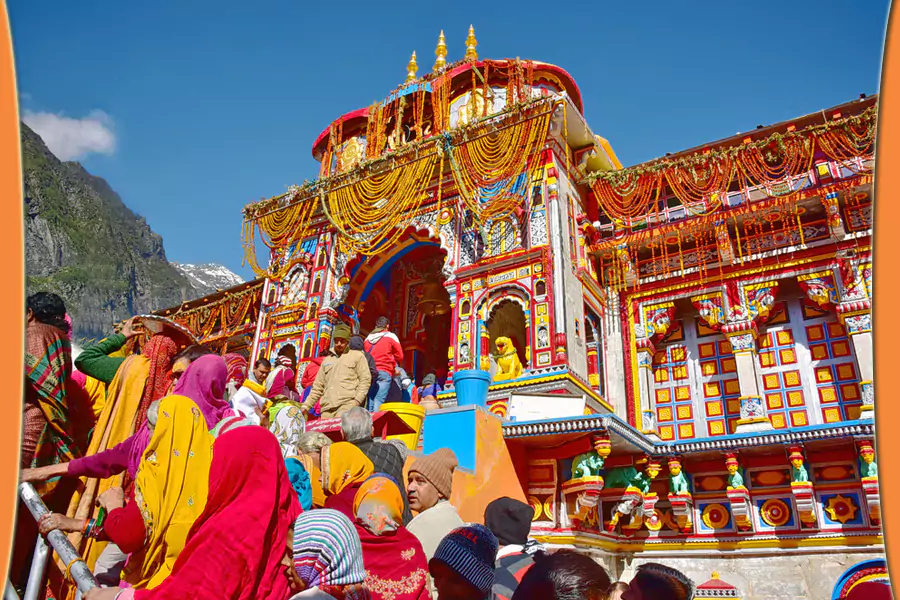
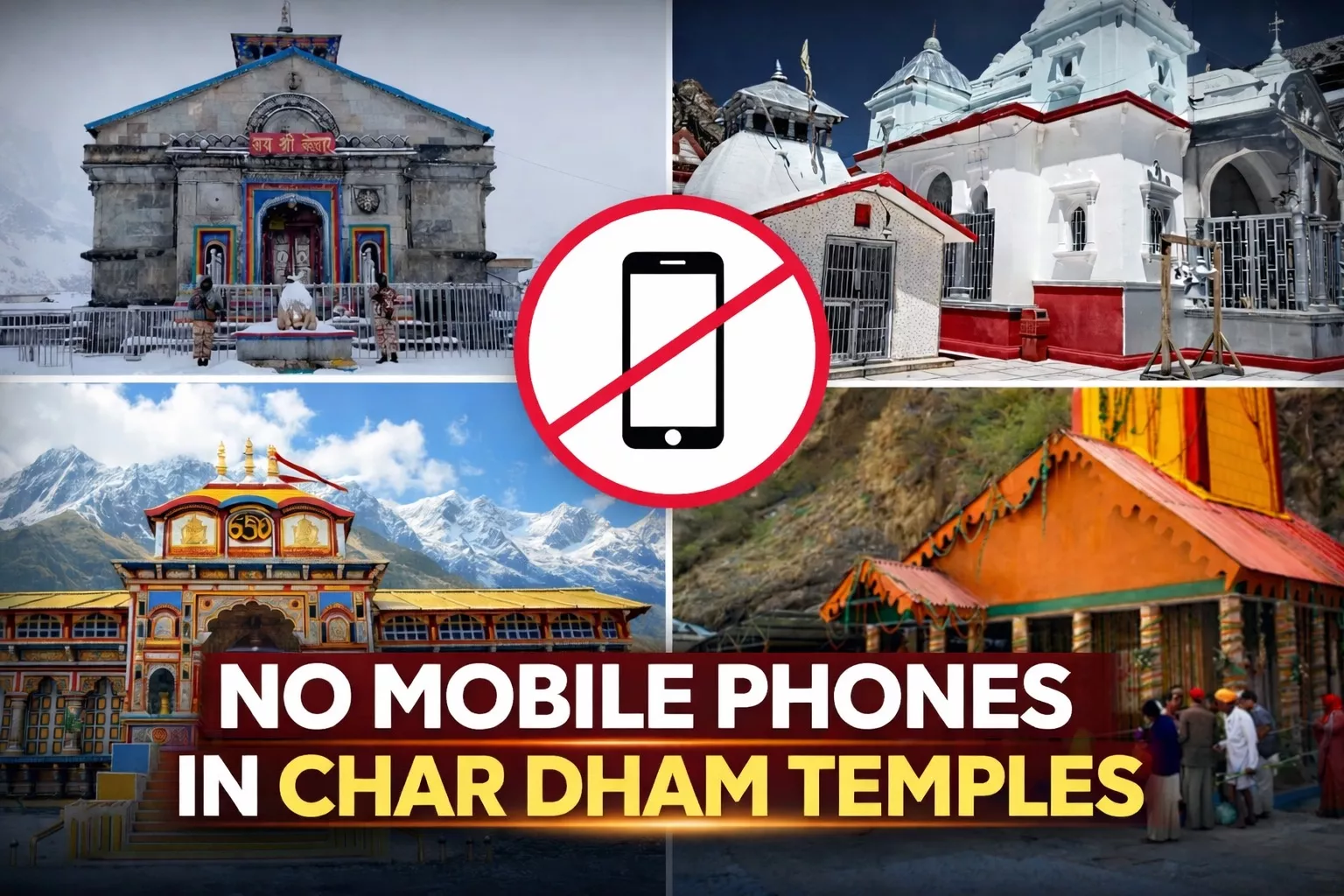
Char Dham Yatra 2026 Opening Dates! Check details

Best Time to Visit Yamunotri: Travel Guide, Attractions, & Complete Info

best time to visit yamunotri

Yamunotri, the sacred source of the Yamuna River and one of the revered Char Dhams in Uttarakhand, draws thousands of travelers every year. Wondering about the best time to visit Yamunotri? Timing your visit right is key to enjoying this serene destination fully. Let’s explore the ideal seasons, nearby attractions, and essential details to help you plan the perfect trip.


Overview of Yamunotri

Historical and Religious Significance

Yamunotri is one of the four sacred Char Dhams in Hinduism, dedicated to Goddess Yamuna. The Yamunotri Temple, nestled amidst the towering Himalayan peaks, is believed to cleanse devotees of their sins and ensure salvation.

Geography and Location

Located at an altitude of 3,293 meters, Yamunotri lies in the Uttarkashi district of Uttarakhand. The pristine surroundings and the snow-clad peaks of Bandarpoonch make it a tranquil and picturesque destination.


What is the Best Time to Visit Yamunotri?

Peak Season: April to June

The best time to visit Yamunotri is during the summer months when the weather is pleasant and the temple is accessible. Daytime temperatures range from 12°C to 20°C, making it perfect for sightseeing and trekking.

Off-Season: September to November

Post-monsoon, the region regains its beauty with lush greenery and clear skies. The temperatures remain moderate, ensuring a peaceful visit without heavy tourist crowds.

Avoid Monsoons and Winters

Monsoons (July to August) bring heavy rainfall, making the roads prone to landslides. Winters (December to March) are marked by heavy snowfall, which leads to the closure of the temple and trekking routes.

To ensure a hassle-free visit, check the Yamunotri opening and closing dates before planning your trip.


Weather Conditions in Yamunotri

  • Spring and Summer: Moderate and pleasant weather.
  • Monsoon: Risk of landslides and slippery trails.
  • Winter: Sub-zero temperatures with heavy snowfall.

How to Reach Yamunotri

By Air

The nearest airport is Jolly Grant Airport in Dehradun, approximately 210 km away.

By Train

Rishikesh and Haridwar are the nearest railway stations, with regular connections to major Indian cities.

By Road

Buses and taxis are available from Haridwar, Dehradun, and other Uttarakhand towns. The journey to Janki Chatti, the last motorable point, is breathtaking.

Trekking to Yamunotri

From Janki Chatti, a 6 km trek takes you to Yamunotri. Palkis and ponies are available for those unable to trek.


Nearby Attractions

  1. Janki Chatti
    Located just 6 km from Yamunotri, Janki Chatti is known for its therapeutic hot water springs. It serves as the starting point for the trek to Yamunotri and offers a serene ambiance with lush green surroundings. It’s a great place to relax and rejuvenate.
  2. Surya Kund
    This natural hot spring is one of the most famous attractions in Yamunotri. Devotees cook rice and potatoes in the boiling water of this kund, which is later offered as prasad at the temple. The kund also offers a unique geothermal experience for visitors.
  3. Divya Shila
    Positioned near Surya Kund, this sacred rock pillar is worshipped before entering the Yamunotri Temple. Devotees believe that offering prayers at Divya Shila purifies the soul and brings blessings.
  4. Hanuman Chatti
    Situated around 13 km from Yamunotri, Hanuman Chatti is a tranquil village surrounded by snow-capped mountains. It is an ideal spot for nature lovers and those seeking a peaceful escape.
  5. Saptrishi Kund
    For adventure enthusiasts, this glacier lake trek is a thrilling experience. Located at a high altitude, Saptrishi Kund is believed to be the original source of the Yamuna River and offers mesmerizing views of the surrounding Himalayan peaks.

Make the most of your visit to all four sacred Dhams with our complete Chardham tour package.


Places to See in Yamunotri

  1. Yamunotri Temple
    The Yamunotri Temple is the main attraction, dedicated to Goddess Yamuna. The temple’s location amidst towering mountains and the sound of the Yamuna River flowing nearby create a divine atmosphere.
  2. Yamuna River
    Witnessing the origin of the sacred Yamuna River at the Champasar Glacier is a spiritually uplifting experience. The pristine beauty of the area adds to the charm.
  3. Bandarpoonch Peak
    Visible from Yamunotri, this majestic snow-clad peak is a significant landmark in the region. It offers incredible photography opportunities and is a delight for mountain enthusiasts.
  4. Kharsali Village
    Known as the winter home of Goddess Yamuna, Kharsali is a quaint village located near Yamunotri. The village is rich in heritage and culture, featuring ancient temples and beautiful wooden architecture.

Cultural Significance

Yamunotri holds deep cultural and religious significance. The Yamuna River is considered the sister of Yama, the god of death, symbolizing compassion and salvation.


Travel Tips for Yamunotri

  • Carry warm clothing regardless of the season.
  • Stay hydrated and maintain a balanced diet during the trek.
  • Keep essential documents like ID proof handy.

Accommodations Near Yamunotri

Options include basic lodges and dharamshalas in Janki Chatti and Barkot. Early booking is advised during peak season.


Food Options in Yamunotri

Expect simple vegetarian meals in the region. Try local dishes like aloo puri and Kumaoni cuisine.


Why Visit Yamunotri?

For its unmatched combination of spiritual enlightenment and natural beauty, Yamunotri offers a soul-soothing experience.


Sustainability Practices for Travelers

  • Avoid littering and use eco-friendly products.
  • Support local businesses to boost the regional economy.

Conclusion

Yamunotri is not just a destination; it’s a journey of spirituality, serenity, and scenic beauty. The best time to visit Yamunotri ensures you experience the charm of the Himalayas without compromising on accessibility or comfort. From its iconic temple to breathtaking nearby attractions like Janki Chatti and Saptrishi Kund, Yamunotri offers something for every traveler.

So, whether you’re seeking a spiritual retreat, an adventurous trek, or a peaceful escape, Yamunotri promises an unforgettable experience. Start planning your trip today and immerse yourself in the divine aura of this sacred land.


FAQs About Visiting Yamunotri

  1. What is the ideal duration to visit Yamunotri?
    2–3 days are sufficient to explore Yamunotri and nearby attractions.
  2. Is Yamunotri accessible for elderly travelers?
    Yes, palkis and ponies make it easier for seniors to reach the temple.
  3. What are the costs of visiting Yamunotri?
    Costs vary based on transport and accommodation, starting at ₹5,000 per person.
  4. Are there medical facilities in Yamunotri?
    Basic medical assistance is available in Janki Chatti.
  5. Can I visit Yamunotri during monsoons?
    It’s not recommended due to safety concerns like landslides and slippery roads.

Best Time to Visit Devprayag: Top Attractions, Nearby Spots & Travel Guide

best time to visit devprayag

Devprayag, the sacred town where the rivers Alaknanda and Bhagirathi unite to form the holy Ganges, is a spiritual haven for seekers and a serene retreat for nature lovers. Its breathtaking landscapes and religious importance make it a must-visit destination. Knowing the best time to visit Devprayag can significantly enhance your experience, whether you’re seeking tranquility, adventure, or spiritual fulfillment.

Why Visit Devprayag?

Devprayag stands as a testament to India’s rich spiritual heritage. It’s a pilgrimage spot for many and a treasure trove of natural beauty for adventurers. The mesmerizing Sangam, ancient temples, and thrilling activities like trekking and river rafting make it a must-visit destination.

Why Timing Matters?

Seasons play a crucial role in defining the charm of Devprayag. Each season offers a unique ambiance, but factors like weather, accessibility, and activities vary. Let’s dive into what each season has in store.


Weather and Seasonal Guide

The best time to visit Devprayag depends on the experiences you seek. Here’s a breakdown by season:

Summer (March to June)

Summer is a fantastic time to visit Devprayag, as the weather remains pleasant with temperatures ranging between 18°C and 30°C. The clear skies and warm days make it ideal for sightseeing, trekking, and exploring temples.

Activities to Enjoy

  • Visiting the Sangam and temples.
  • Riverbank picnics under clear skies.

Monsoon (July to September)

Monsoon brings heavy rainfall, making travel tricky due to slippery roads and potential landslides. While the greenery is at its peak, the risks often outweigh the rewards.

Why Avoid Monsoon?

  • Roadblocks due to landslides.
  • Limited outdoor activities.

Winter (October to February)

Winter transforms Devprayag into a picturesque wonderland with temperatures dropping to around 5°C. The chilly air and scenic views create a perfect setting for spiritual pursuits and peaceful getaways.

Top Winter Activities

  • Early morning temple visits.
  • Enjoying the crisp mountain air and serene landscapes.

Wondering when to plan your trip? Check out the Best Time to Visit Uttarakhand for detailed insights.


Climate Overview

Devprayag experiences moderate summers, cold winters, and heavy monsoons. Here’s what you should pack:

  • Spring/Summer: Light cotton clothes, sunscreen, comfortable shoes.
  • Autumn/Winter: Warm clothes, jackets, gloves, and thermals.

Top Places to See in Devprayag

Raghunathji Temple

A prominent spiritual site dedicated to Lord Rama, this temple is a blend of divine energy and architectural brilliance.

Sangam of Alaknanda and Bhagirathi Rivers

The sacred confluence is the highlight of Devprayag, offering a peaceful and spiritually uplifting experience.

Chandrabadni Temple

Perched atop a hill, this temple not only holds religious significance but also offers panoramic views of the Garhwal Himalayas.

Dashrathshila

Believed to be the meditation site of King Dashrath, this serene spot combines mythology with natural beauty.


Top Places to Visit in Devprayag

Sangam

Witness the divine confluence of rivers Alaknanda and Bhagirathi.

Raghunath Temple

Dedicated to Lord Rama, this ancient temple is a must-visit.

Chandrabadni Temple

Situated atop a hill, this temple offers panoramic views and spiritual tranquility.


Nearby Attractions

Srinagar (Uttarakhand)

A historical town with temples, markets, and scenic spots just an hour’s drive away.

Rishikesh

Famous for its yoga retreats and adventure sports, Rishikesh is a lively town close to Devprayag.

Rudraprayag

Another confluence town, where the Mandakini and Alaknanda rivers meet, is worth a visit.


Adventure Activities

Devprayag is a hotspot for adventure enthusiasts:

  • River Rafting: Experience the thrill of rafting on the Ganga.
  • Trekking: Explore trails that lead to breathtaking views.

How to Reach Devprayag

By Air

The nearest airport is Jolly Grant Airport in Dehradun, about 90 km away. Taxis are readily available for the onward journey.

By Train

The closest railway station is Rishikesh, approximately 70 km from Devprayag.

By Road

Devprayag is well-connected by road, with buses and taxis from major cities like Haridwar, Rishikesh, and Dehradun.


Tips for Traveling to Devprayag

Packing Essentials

  • Light clothing for summer; warm layers for winter.
  • Comfortable walking shoes.

Safety Tips

  • Check weather updates before traveling.
  • Avoid monsoon travel due to landslide risks.

Local Culture and Traditions

Devprayag is steeped in rituals and festivals, offering a glimpse into its vibrant culture. Don’t miss tasting local delicacies like aloo ke gutke and singori.


Accommodation Options

Budget-Friendly Stays

  • Guesthouses and dharamshalas near temples.

Mid-Range Hotels

  • Comfortable stays with modern amenities.

Luxury Resorts

  • High-end accommodations with scenic views.

Tips for a Smooth Visit

  • Stay hydrated and carry essential medicines.
  • Respect local customs and dress modestly while visiting temples.
  • Avoid monsoon visits due to landslides and road blockages.

Conclusion

Devprayag offers a soulful experience with its spiritual charm, natural splendor, and thrilling adventures. Whether you visit in spring for the vibrant blooms or in winter for a peaceful retreat, the best time to visit Devprayag depends on your preferences. Pack your bags and let this heavenly destination rejuvenate your mind and soul.

Plan your visit with a reliable Chardham Tour Package to cover all destinations comfortably.


FAQs

1. What is the ideal duration of a trip to Devprayag?
Two to three days are perfect to explore the main attractions and soak in the serene vibes.

2. Are there accommodations near Devprayag?
Yes, options range from budget lodges to mid-range hotels offering comfortable stays.

3. Can solo travelers visit Devprayag safely?
Absolutely, the town is safe and welcoming for solo travelers.

4. What’s the significance of the confluence in Devprayag?
It marks the origin of the holy Ganges and holds immense spiritual importance.

5. Is Devprayag suitable for adventure seekers?
Yes, trekking and exploring nearby hills offer a dose of adventure for enthusiasts.

6. What are the must-visit attractions in Devprayag?
The Sangam, Raghunath Temple, and Chandrabadni Temple are must-visits.

7. How many days are sufficient for a Devprayag trip?
A 2-3 day trip is ideal to explore Devprayag and nearby attractions.

8. What are the transportation options within Devprayag?
Local taxis and shared autos are available for easy commuting.

9. Are there any restrictions for visitors during monsoons?
Monsoons are risky due to landslides and flooding; it’s best to avoid visiting during this time.

Best Time to Visit Uttarkashi: Top Attractions, Nearby Spots & Travel Guide

Best Time to Visit Uttarkashi

Uttarkashi, a serene town in the Uttarakhand state of India, is a paradise for nature lovers and spiritual seekers alike. Known as the gateway to the sacred Char Dham Yatra, this picturesque destination offers an unmatched combination of tranquility and adventure. The best time to visit Uttarkashi depends on the purpose of your visit, whether it’s exploring pristine landscapes, embarking on treks, or visiting ancient temples. From lush green valleys in summer to snow-capped peaks in winter, Uttarkashi has something for everyone year-round.

Importance of Timing Your Visit

The charm of Uttarkashi lies in its dynamic landscape, from lush green valleys to snow-capped mountains. Timing your visit ensures you experience the best of its offerings, be it trekking, sightseeing, or spiritual activities.


Seasonal Guide to Visiting Uttarkashi

Summer (March to June)

Weather and Activities: The summer season in Uttarkashi is perfect for exploring its lush surroundings. With temperatures ranging between 15°C and 30°C, this period is ideal for trekking, camping, and sightseeing.

Best Festivals to Witness: Ganga Dussehra, a vibrant celebration honoring the holy river Ganga, takes place during summer.

Monsoon (July to September)

Advantages of Visiting in Monsoon: Monsoons rejuvenate the landscape, turning the valleys into lush green havens. This is an excellent time for photographers and nature enthusiasts.

Challenges During Rainy Season: While the scenery is breathtaking, travelers should be cautious due to landslides and slippery roads.

Winter (October to February)

Snowfall and Winter Beauty: Winter transforms Uttarkashi into a snowy wonderland. With temperatures dipping as low as -2°C, it’s a magical time for those who love snow.

Popular Winter Activities: Skiing, snow trekking, and cozying up in quaint accommodations are some favorite winter activities.


Top Attractions in Uttarkashi

Gangotri Temple

One of the most significant temples in Hinduism, the Gangotri Temple is dedicated to Goddess Ganga. Visiting this temple is an integral part of the Char Dham Yatra.

Dodital Lake

This tranquil freshwater lake, surrounded by dense oak forests, is a trekker’s paradise. The lake is believed to be the birthplace of Lord Ganesha.

Yamunotri Temple

As one of the Char Dhams, the Yamunotri Temple holds immense spiritual importance. It is also the starting point for the sacred Yamuna River.

Nehru Institute of Mountaineering (NIM)

Adventure enthusiasts will love visiting NIM, a premier institute offering training in mountaineering, trekking, and other outdoor activities.

Vishwanath Temple

Dedicated to Lord Shiva, this ancient temple is a must-visit for spiritual travelers. Its stunning architecture and peaceful ambiance make it a highlight of Uttarkashi.

If you’re planning a spiritual journey, consider opting for a comprehensive Chardham tour package that covers Uttarkashi and other sacred sites.


BOOK YOUR PACKAGE NOW


Nearby Attractions to Explore

Harsil Valley

Known for its apple orchards and serene ambiance, Harsil Valley is a hidden gem. The breathtaking views and unspoiled nature make it a perfect escape.

Dayara Bugyal

This high-altitude meadow is one of the most picturesque trekking destinations in Uttarakhand. Covered with wildflowers in summer and snow in winter, it’s an ideal spot for camping and photography.

Kedar Tal

A glacial lake surrounded by towering peaks, Kedar Tal is a challenging trek that rewards visitors with unparalleled views and a sense of accomplishment.

Maneri Dam

A short drive from Uttarkashi, this dam on the Bhagirathi River is a peaceful spot for picnics and nature walks.


Things to Do in Uttarkashi

Trekking

Explore trails like the Dodital Trek, Dayara Bugyal Trek, and Kedar Tal Trek for thrilling adventures.

Camping

Set up your camp near Dodital Lake or Dayara Bugyal to experience Uttarkashi’s natural beauty under a starlit sky.

Attend Local Festivals

Participate in cultural events like Magh Mela and Ganga Dussehra to immerse yourself in the local traditions and spirituality.

River Rafting and Kayaking

The Bhagirathi River offers exciting opportunities for water sports, including river rafting and kayaking.

Wildlife Spotting

Head to the Govind Wildlife Sanctuary to spot diverse flora and fauna, including snow leopards and Himalayan black bears.


How to Reach Uttarkashi

By Road

Uttarkashi is well-connected by road, with regular bus services and private taxis from major cities like Dehradun, Rishikesh, and Haridwar.

By Rail

The nearest railway station is Rishikesh, located about 145 km away. From there, you can hire a taxi or board a bus to reach Uttarkashi.

By Air

The closest airport is Jolly Grant Airport in Dehradun, approximately 170 km from Uttarkashi. Taxis and buses are readily available from the airport.


Accommodation Options

Budget-Friendly Stays

Several guesthouses and budget hotels cater to economical travelers, offering basic amenities at reasonable rates.

Mid-Range Hotels

Mid-range accommodations provide a blend of comfort and affordability, with decent facilities and great views.

Luxury Resorts

For a more lavish experience, luxury resorts in Uttarkashi offer premium amenities, including spa services, gourmet dining, and personalized services.


Tips for Planning Your Trip

Packing Essentials

Carry season-appropriate clothing, sturdy trekking shoes, a first-aid kit, and power banks for a hassle-free experience.

Health and Safety

Acclimatize to the altitude if needed and stay hydrated. Avoid overexertion during treks.

Cultural Sensitivity

Respect local customs, dress modestly, and maintain decorum while visiting temples and holy sites.

To ensure a comfortable trip, learn more about the best time to visit Uttarakhand and enjoy its serene beauty.


Conclusion

Uttarkashi offers a unique blend of spirituality, adventure, and natural beauty, making it a destination worth visiting. The best time to visit Uttarkashi depends on your preferences, whether you’re drawn to its lush greenery in summer, vibrant landscapes during monsoon, or snowy vistas in winter. From exploring iconic temples to trekking through breathtaking trails, Uttarkashi promises an unforgettable experience for every traveler.


FAQs

When is the best time to visit Uttarkashi for trekking?
The summer months (March to June) are ideal for trekking, offering clear skies and pleasant weather.

What are the must-visit places in Uttarkashi?
Gangotri Temple, Dodital Lake, Yamunotri Temple, Vishwanath Temple, and Kedar Tal are some must-visit spots.

How can I reach Uttarkashi from Dehradun?
You can reach Uttarkashi by road via buses or taxis. It’s a scenic drive of approximately 6-7 hours.

Are there good accommodation options available in Uttarkashi?
Yes, you’ll find options ranging from budget-friendly guesthouses to luxury resorts, catering to all types of travelers.

What festivals can I experience in Uttarkashi?
Ganga Dussehra, Magh Mela, and other local festivals offer a glimpse into the region’s rich cultural heritage.

Best Time to Visit Rudraprayag | Weather, Attractions & Travel Guide

best time to visit rudraprayag

Rudraprayag, a serene town in Uttarakhand, is a treasure trove of natural beauty and spiritual significance. Whether you’re a nature lover or seeking a peaceful getaway, knowing the best time to visit Rudraprayag is crucial to make the most of your trip. Surrounded by the majestic Himalayas and lush greenery, this destination offers something special for every traveler.


What is the best time to visit Rudraprayag?

The ideal time to visit Rudraprayag depends on what you’re looking for. Summers (March to June) are perfect for sightseeing and outdoor activities, with pleasant weather. Monsoons (July to September) bring lush landscapes but can be risky due to landslides. Winters (October to February) offer stunning snowy vistas, making it a haven for solitude seekers.


Summer in Rudraprayag (March to June)

  • Why Visit in Summer?
    The weather is mild, ranging from 15°C to 30°C, making it comfortable for exploring temples and trekking.
  • Activities:
    • Visit Kedarnath for a spiritual experience.
    • Explore nearby trekking trails like Chopta and Tungnath.

Monsoon in Rudraprayag (July to September)

  • Pros: The monsoon brings life to the region, with waterfalls and greenery at their peak.
  • Cons: Frequent landslides and slippery roads can pose risks.
  • Safety Tips: Always check weather conditions and road updates before planning your trip.

Winter in Rudraprayag (October to February)

  • What Makes Winter Special?
    Winter transforms Rudraprayag into a snowy paradise, with temperatures dropping to -5°C in higher regions.
  • Festivals to Enjoy: Makar Sankranti and local fairs add a cultural touch.
  • Activities: Snow trekking and serene temple visits.

Nearby Attractions in Rudraprayag

  1. Kedarnath: A spiritual landmark, located amidst the snow-capped Himalayas.
  2. Koteshwar Temple: A cave temple on the banks of the Alaknanda River.
  3. Chopta: Known as the “Mini Switzerland of Uttarakhand,” ideal for trekking.
  4. Deoria Tal: A pristine lake offering reflections of the Chaukhamba peaks.

If you’re planning a visit to Kedarnath as part of your spiritual journey, explore our comprehensive Chardham Tour Package for a seamless experience.


How to Reach Rudraprayag

  • By Road: Well-connected via NH 58 to major cities like Rishikesh and Haridwar.
  • By Train: The nearest railway station is Rishikesh, approximately 140 km away.
  • By Air: The closest airport is Jolly Grant Airport in Dehradun, around 155 km away.

Accommodation Options

From budget-friendly lodges to luxury resorts, Rudraprayag caters to all types of travelers. Popular options include riverside camps and family-run guesthouses that provide a warm, homely experience.


Local Cuisine to Explore

Savor the taste of traditional Garhwali dishes like Aloo ke Gutke, Phaanu, and Mandua ki Roti at local eateries.


Tips for Traveling to Rudraprayag

  • Carry warm clothing, especially in winter.
  • Always keep an umbrella and waterproof shoes for monsoon visits.
  • Respect local traditions and maintain cleanliness.

Cultural Significance of Rudraprayag

Known as one of the Panch Prayags, Rudraprayag holds immense spiritual value. Witnessing local festivals and rituals here adds a unique dimension to your journey.


Adventure Activities in Rudraprayag

Thrill-seekers can indulge in trekking, camping, and exploring the rugged terrains of Chopta and Tungnath.


Conclusion

Rudraprayag is a perfect blend of spirituality, adventure, and natural beauty. The best time to visit Rudraprayag depends on your preferences, but every season offers unique experiences. Whether you’re trekking through lush landscapes or soaking in the serene vibes of ancient temples, Rudraprayag will leave you mesmerized.


FAQs

  1. What is the best time to visit Rudraprayag for trekking?
    Summer and early winter are ideal for trekking, with clear trails and pleasant weather.
  2. Are there any luxury accommodations in Rudraprayag?
    Yes, Rudraprayag offers a range of luxury hotels and resorts catering to high-end travelers.
  3. Is it safe to visit Rudraprayag during monsoon?
    While the scenery is stunning, landslides are common. Plan cautiously.
  4. What are the must-visit temples in Rudraprayag?
    Kedarnath and Koteshwar Temple are highly recommended for spiritual seekers.
  5. How many days are enough for a trip to Rudraprayag?
    A 3–4 day trip is sufficient to explore major attractions and nearby areas.

Best Time to Visit Joshimath | Top Attractions & Travel Guide

best time to visit joshimath

Joshimath, a serene Himalayan town in Uttarakhand, is a treasure trove of natural beauty, spiritual significance, and adventure. It is a year-round destination offering unique experiences for every season. Deciding on the best time to visit Joshimath depends on what you seek, be it snow-capped peaks, vibrant festivals, or tranquil trekking trails. This guide will help you plan your trip to Joshimath while exploring nearby attractions, things to do, and essential travel tips.


Why Visit Joshimath?

Joshimath is more than a gateway to famous destinations like Badrinath and Auli. Its rich history, stunning landscapes, and myriad activities make it a standalone destination for nature lovers, spiritual seekers, and adventure enthusiasts alike.


Ideal Seasons to Explore Joshimath

Spring (March to April)

Spring brings a refreshing charm to Joshimath with blooming flowers and mild weather, perfect for sightseeing and leisurely walks.

Summer (May to June)

Escape the scorching heat of the plains and enjoy the cool Himalayan climate. This season is great for families and adventure lovers alike.

Monsoon (July to September)

The monsoon enhances the town’s lush greenery, creating a mystical ambiance. However, travel during this season requires caution due to possible landslides.

Autumn (October to November)

Autumn is ideal for clear skies and breathtaking views of the surrounding peaks. It’s also a festive time, adding vibrancy to your trip.

Winter (December to February)

Winter blankets Joshimath in snow, making it a paradise for snow enthusiasts and those visiting nearby Auli for skiing.

Find out the Best Time to Visit Uttarakhand and plan your trip around the perfect season for outdoor adventures and spiritual exploration.


Nearby Attractions in Joshimath

Narsingh Temple

A significant religious site, this temple is believed to be the winter abode of Lord Badrinath. Its intricate architecture and spiritual ambiance draw devotees year-round.

Auli

Renowned for its skiing slopes, Auli is just 16 km from Joshimath. Take a cable car ride to enjoy panoramic views of the snow-covered Himalayas.

Vishnuprayag

Experience the serene confluence of the Alaknanda and Dhauliganga rivers. Surrounded by lush greenery, it’s an ideal spot for photography and relaxation.

Kalpavriksha

Believed to be over 1,200 years old, this ancient banyan tree holds immense spiritual value. It’s a peaceful spot to connect with nature and history.

Tapovan

Famous for its hot springs and trekking opportunities, Tapovan is perfect for adventure lovers and those seeking rejuvenation.

Chenab Lake

Hidden amidst dense forests, Chenab Lake is a pristine spot for nature enthusiasts. The serene surroundings make it perfect for picnics and photography.

Bhavishya Badri

Part of the Panch Badri circuit, Bhavishya Badri is a lesser-known gem near Joshimath. The trek to this temple is an adventure in itself, offering stunning vistas.

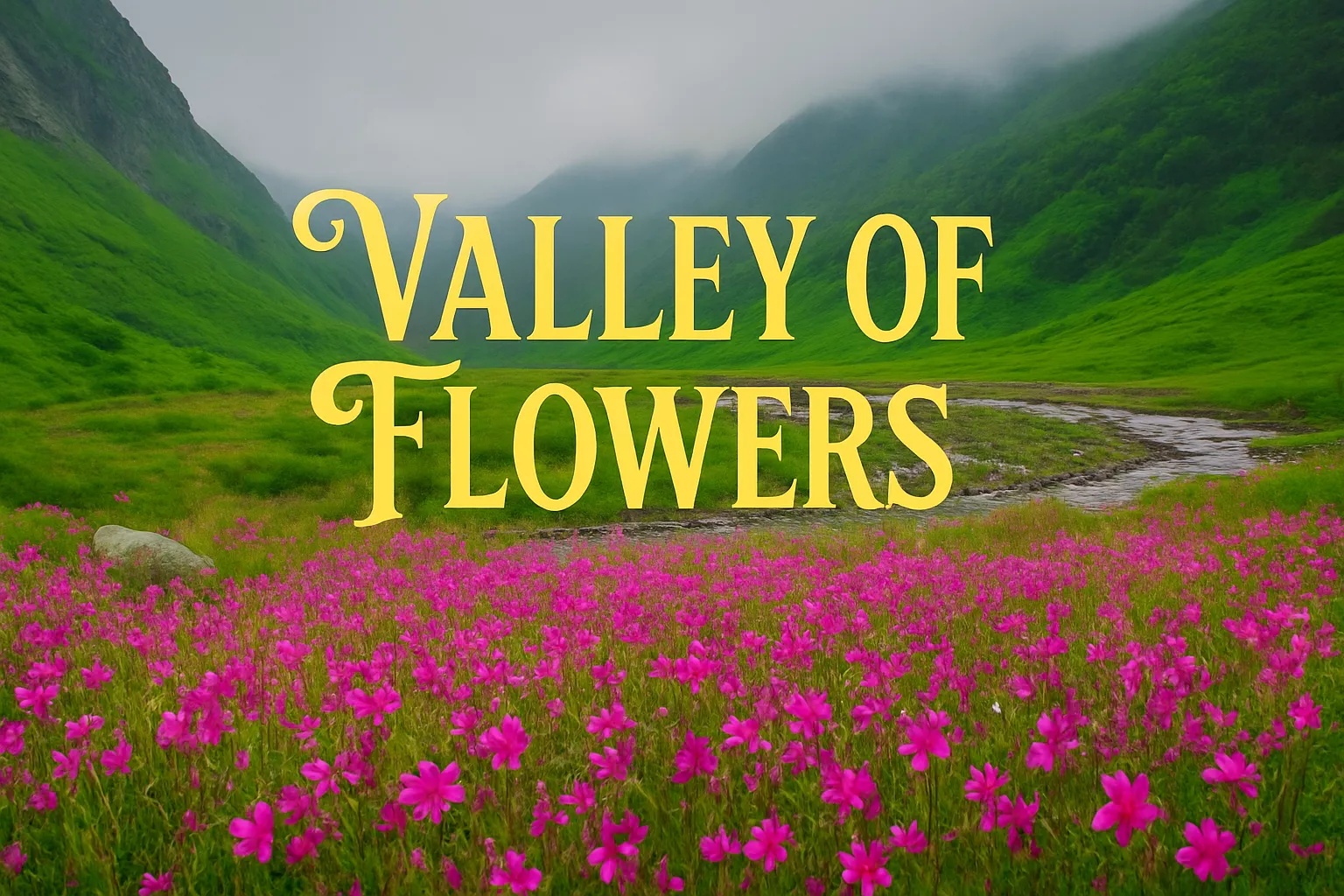
Valley of Flowers National Park

A UNESCO World Heritage Site, this park is a paradise of vibrant blooms and exotic fauna. It’s a must-visit during the monsoon season.

Hemkund Sahib

Located close to Joshimath, this sacred Sikh pilgrimage site is surrounded by glacial lakes and towering peaks. The trek to Hemkund Sahib is as rewarding as the destination itself.

Nanda Devi National Park

Part of the Nanda Devi Biosphere Reserve, this park offers unparalleled biodiversity and stunning trekking routes. It’s perfect for eco-tourists and adventure enthusiasts.


Activities to Do in Joshimath

Trekking Trails

Explore renowned trails like Kuari Pass, Nanda Devi Base Camp, and Valley of Flowers. Each trek offers unique experiences and breathtaking scenery.

Skiing in Auli

Auli is one of India’s premier skiing destinations, making it a must-visit during winter.

Cable Car Ride

Enjoy Asia’s longest cable car ride between Joshimath and Auli for stunning views of the surrounding peaks.

Camping and Stargazing

Set up camp under the clear Himalayan skies and immerse yourself in the tranquility of nature.

Spiritual Visits

From ancient temples to serene monasteries, Joshimath offers a rich spiritual experience.


How to Reach Joshimath

Joshimath as a gateway to Badrinath (one of the Char Dhams).

By Road

Joshimath is well-connected by road to major cities like Rishikesh and Haridwar. State-run and private buses, along with taxis, are easily available.

By Train

The nearest railway station is Haridwar, approximately 275 km away. From there, you can hire a cab or take a bus.

By Air

Jolly Grant Airport in Dehradun is the closest airport, around 270 km from Joshimath. Taxis and buses are available for onward travel.

Explore our comprehensive Chardham Tour Package for a hassle-free spiritual journey through the sacred Char Dhams of Uttarakhand.


Tips for Visiting Joshimath

Packing Essentials

Carry warm clothes, sturdy shoes, and basic medicines, especially during winter.

Best Places to Stay

Options range from budget guesthouses to luxurious resorts, ensuring something for everyone.

Local Cuisine to Try

Don’t miss traditional Garhwali dishes like aloo ke gutke and chainsoo dal.


Conclusion

Joshimath is a captivating blend of natural beauty, spiritual significance, and adventure, making it a must-visit destination in Uttarakhand. Whether you’re planning a peaceful retreat, an adventurous escapade, or a spiritual journey, Joshimath has something special for everyone. The best time to visit Joshimath depends on your preferences, but its charm remains timeless. Plan your trip now to explore the many wonders of this Himalayan gem.


FAQs

1. When is the best time to visit Joshimath for skiing?
December to February is ideal for skiing in nearby Auli.

2. Are there budget-friendly accommodations in Joshimath?
Yes, Joshimath offers a range of accommodations to suit different budgets.

3. Is Joshimath accessible during monsoons?
While the town is accessible, landslides during monsoons can make travel risky.

4. What are some must-try local dishes in Joshimath?
Try traditional Garhwali cuisine, including aloo ke gutke and mandua roti.

5. Can I visit Joshimath with family?
Absolutely! Joshimath is family-friendly, offering something for all age groups.

Best Time to Visit Pahalgam – Top Attractions, Activities & Travel Guide

best time to visit pahalgam

Pahalgam, often called the “Valley of Shepherds,” is a paradise nestled in the heart of Kashmir. Known for its pristine beauty, lush meadows, and snow-capped mountains, this charming town offers a perfect escape from the hustle and bustle of daily life. Whether you’re a nature lover, an adventure enthusiast, or someone seeking tranquility, Pahalgam has something magical to offer all year round. But when is the best time to visit Pahalgam?

Let’s explore everything from its captivating attractions to thrilling activities and handy travel tips to make your trip unforgettable!


Best Time to Visit Pahalgam

Summer Season (March to June)

Pahalgam comes alive during summer with its pleasant weather. Temperatures range from 11°C to 25°C, making it ideal for sightseeing, trekking, and enjoying nature.

Monsoon Season (July to September)

Though Pahalgam receives moderate rainfall, the monsoon season enhances the natural beauty with lush greenery and a refreshing ambiance. However, travel plans may be affected by occasional roadblocks.

Winter Season (October to February)

If you’re a fan of snow, winter is the perfect time to visit. With temperatures dropping to -5°C, the region transforms into a snowy wonderland. It’s ideal for skiing and other winter sports.


Nearby Attractions in Pahalgam

Betaab Valley

This iconic valley is known for its stunning beauty and was named after the Bollywood movie “Betaab.” It’s perfect for picnics and photography.

Aru Valley

Aru Valley offers breathtaking views and is a starting point for many treks. It’s a haven for adventure enthusiasts.

Lidder River

Flowing through Pahalgam, this river is ideal for rafting and fishing. The soothing sound of the river adds to the town’s charm.

Sheshnag Lake

This high-altitude lake is a must-visit for its serene environment and mythological significance.


Popular Places to See in Pahalgam

Baisaran Hills

Nicknamed “Mini Switzerland,” Baisaran Hills is a lush meadow surrounded by dense pine forests and snow-capped mountains. This place is ideal for picnics and offers breathtaking views of the Himalayan ranges. A visit here during the best time to visit Pahalgam ensures an unforgettable experience.

Kolahoi Glacier

Kolahoi Glacier is the crowning jewel for trekkers visiting Pahalgam. Located at an altitude of 4,700 meters, this glacier offers magnificent views and a thrilling adventure. If you’re planning your Pahalgam trip in summer, the trek to Kolahoi Glacier is highly recommended.

Tulian Lake

Situated at an altitude of 3,684 meters, Tulian Lake is known for its turquoise waters and serene surroundings. It’s a challenging yet rewarding trek, best undertaken when the weather in Pahalgam is clear and pleasant.

Mamleshwar Temple

One of the oldest temples in the region, Mamleshwar Temple is dedicated to Lord Shiva. Its ancient architecture and spiritual aura make it a must-visit spot for anyone exploring Pahalgam.

Avantipur Ruins

A short drive from Pahalgam takes you to the Avantipur Ruins, which reflect the grandeur of ancient Kashmiri architecture. This historical site is a delight for history buffs and photographers alike.

Pahalgam Golf Course

Set amidst scenic landscapes, the Pahalgam Golf Course offers a unique golfing experience. Its lush greenery and well-maintained facilities attract both amateurs and professional players.


How to Reach Pahalgam

By Air

The nearest airport is Srinagar International Airport, around 95 km from Pahalgam. From there, taxis are readily available.

By Train

The closest railway station is Jammu Tawi, located 255 km away. You can take a bus or hire a taxi to reach Pahalgam.

By Road

Pahalgam is well-connected by road and can be accessed via private or public transport from Srinagar or Jammu.


Things to Do in Pahalgam

Trekking and Hiking

Pahalgam is a haven for trekkers, with trails that cater to beginners and experienced hikers alike. Some of the most popular treks include the Kolahoi Glacier Trek and the Tarsar Marsar Lake Trek. Whether you’re visiting during summer or winter, trekking in Pahalgam provides unparalleled views and a sense of accomplishment.

Rafting in Lidder River

The Lidder River offers exciting white-water rafting opportunities. Adventure enthusiasts visiting Pahalgam can enjoy thrilling rapids amidst stunning natural surroundings.

Horse Riding

Explore Pahalgam’s scenic meadows and valleys on horseback. Horse riding is a popular activity, especially in places like Baisaran Hills and Aru Valley. It’s an experience that combines adventure with relaxation.

Camping Under the Stars

For nature lovers, camping in Pahalgam is an absolute must. Several campsites near Betaab Valley and Aru Valley allow visitors to enjoy a night under the stars, surrounded by pristine beauty.

Fishing and Angling

The Lidder River and Sheshnag Lake are ideal for fishing and angling enthusiasts. Spend a relaxing day by the water, soaking in the tranquility of Pahalgam.

Skiing and Snowboarding

During the winter months, Pahalgam transforms into a hub for winter sports. Skiing and snowboarding on the snow-covered slopes attract adventure lovers from all over the world.

Photography and Bird Watching

Pahalgam is a paradise for photographers and bird watchers. Capture the beauty of the Himalayan landscapes or spot unique bird species like Himalayan Monals and Golden Eagles.

Explore Local Markets

Pahalgam’s local markets offer a range of souvenirs, including Kashmiri handicrafts, woolens, and dry fruits. Don’t forget to take home some Pashmina shawls or saffron, which the region is famous for.


Best Travel Tips for Pahalgam

Packing Essentials

Carry warm clothing, comfortable shoes, and sunscreen.

Local Cuisine to Try

Don’t miss out on Rogan Josh, Kashmiri Pulao, and Kahwa tea.

Safety Precautions

Always check the weather forecast and stay updated on local guidelines.

Accommodation Options in Pahalgam

Luxury Resorts

For a lavish stay, Pahalgam has several luxury resorts offering premium amenities.

Budget-Friendly Hotels

There are many affordable hotels that provide comfortable stays.

Homestays

For a more local experience, opt for homestays with warm hospitality.


Conclusion

Pahalgam is a destination that offers something for everyone, from adventure and spirituality to relaxation. The best time to visit Pahalgam depends on what you want to experience. Whether it’s the lush greenery of summer, the tranquil rains of monsoon, or the snowy charm of winter, Pahalgam promises unforgettable memories.


If you’re planning a trip to Pahalgam, consider extending your journey to include the Amarnath Yatra. Check out our detailed Amarnath Yatra Package for hassle-free travel, comfortable accommodations, and expert guidance to one of the most sacred pilgrimages in India.


FAQs.

1. Is Pahalgam safe for tourists throughout the year?
Yes, Pahalgam is generally safe for tourists. However, the best time to visit Pahalgam is during the summer and autumn months when the weather is pleasant. Winter travelers should check road and weather conditions due to snowfall.
2. Are there any adventure sports in Pahalgam?
Absolutely! Pahalgam offers activities like trekking, white-water rafting, horse riding, skiing, and fishing, catering to adventure enthusiasts.
3. What type of accommodation is available in Pahalgam?
Pahalgam offers a variety of accommodations, including luxury resorts, mid-range hotels, budget stays, and guesthouses. Advance booking is recommended during peak seasons.
4. How many days are enough to explore Pahalgam?
Typically, a 2-3 day trip is sufficient to explore the major attractions and enjoy activities in Pahalgam. However, adventure seekers might need more time for trekking or other outdoor pursuits.

5. Can I visit Pahalgam as part of the Amarnath Yatra?
Yes, Pahalgam is a major base for the Amarnath Yatra. Pilgrims and travelers often include a visit to Pahalgam in their itinerary to enjoy its scenic beauty before or after the yatra.

Here’s Some More FAQs.

1. What should I pack for a trip to Pahalgam?
Pack according to the season. In summer, carry light woolens for chilly evenings. In winter, pack heavy woolens, snow boots, and thermal wear. Essentials like sunscreen, a hat, and comfortable walking shoes are recommended year-round.
2. Are there ATMs and medical facilities in Pahalgam?
Yes, Pahalgam has ATMs and basic medical facilities. However, for advanced healthcare services, you may need to visit Srinagar, which is approximately 90 km away.
3. Is Pahalgam suitable for family vacations?
Yes, Pahalgam is perfect for family vacations. Its serene environment, scenic beauty, and activities like horse riding and nature walks make it enjoyable for all age groups.
4. What is the distance between Pahalgam and Srinagar?
Pahalgam is around 90 kilometers from Srinagar, and it takes approximately 2.5 to 3 hours to travel by road.
5. Are there any cultural events or festivals in Pahalgam?
Yes, festivals like Baisakhi and Navroz are celebrated with enthusiasm in the region. Visitors during these times can witness the local culture and traditions.
6. What is the ideal duration to explore Pahalgam?
Three to four days are enough to explore Pahalgam and its nearby attractions.
7. Is Pahalgam safe for solo travelers?
Yes, Pahalgam is safe for solo travelers with proper planning and precautions.
8. Can we visit Pahalgam during the monsoon season?
Yes, but be prepared for occasional roadblocks due to rainfall.
9. What are the must-try dishes in Pahalgam?
Rogan Josh, Kashmiri Pulao, and Kahwa tea are must-try delicacies.
10. Are there any special permits required to visit?
No special permits are needed for Pahalgam, but check for specific guidelines if trekking.

Top Places to Visit in Nainital: Complete Travel Guide

Places to Visit in Nainital

If you’re dreaming of a getaway surrounded by lush green hills, shimmering lakes, and a cool, pleasant climate, then Nainital is the perfect destination. Located in the beautiful state of Uttarakhand, Nainital is one of India’s most cherished hill stations, drawing tourists with its serene atmosphere, stunning landscapes, and historical charm. This guide will walk you through the top places to visit in Nainital, nearby attractions, and everything you need to know about reaching this scenic spot.

If you’re planning a trip to Uttarakhand, don’t miss our guide to the Haridwar to Chardham Travel Guide for a seamless journey.

Top 10 Places to Visit in Nainital

1. Naini Lake

Naini Lake is undoubtedly the most iconic attraction in Nainital. Shaped like a kidney, this serene lake is surrounded by hills and offers boating options for tourists. Whether you prefer a peaceful rowboat ride or want to take in the views while walking along the lake, Naini Lake is a must-see.

2. Naina Devi Temple

Located near the northern shore of Naini Lake, the Naina Devi Temple is dedicated to Goddess Naina Devi and holds immense religious significance. The temple is believed to be one of the 51 Shakti Peethas. The temple’s spiritual atmosphere, combined with its stunning location overlooking the lake, makes it a must-visit for both pilgrims and tourists alike.

3. Snow View Point

For the most breathtaking views of the snow-covered peaks of the Himalayas, Snow View Point is unbeatable. Located at a height of 2270 meters, it offers panoramic views of Nanda Devi, Nanda Kot, and other peaks. You can take a cable car ride to reach the point for a truly memorable experience.

4. Tiffin Top (Dorothy’s Seat)

Tiffin Top, also known as Dorothy’s Seat, is a vantage point located at a height of 2290 meters, offering a spectacular panoramic view of Nainital. Named after the wife of a British official, Dorothy, it is a popular spot for a short trek, especially for those who enjoy photography.

5. Naini Peak

The highest point in Nainital, Naini Peak stands at 2,615 meters above sea level. Known for its bird’s-eye view of the town, Naini Peak provides spectacular views of the surrounding landscapes, including the snow-covered peaks of the Himalayas.

6. The Mall Road

For a leisurely stroll, shopping, or dining, The Mall Road is the heart of Nainital’s bustling life. This picturesque road stretches along the Naini Lake, offering a variety of shops, cafes, and eateries. Whether you’re looking for souvenirs or trying out local snacks, Mall Road is the place to be.

7. Bhimtal Lake

Located just a short distance from Nainital, Bhimtal is a tranquil town with a beautiful lake. Boasting a serene atmosphere, Bhimtal is often considered a quieter alternative to Naini Lake. You can enjoy boating here, or simply relax in the peaceful surroundings.

8. Sattal Lake

Sattal, which means “seven lakes,” is a unique spot located about 21 kilometers from Nainital. It’s known for its natural beauty and tranquility. Ideal for those who want to escape the hustle and bustle, it’s a great place for nature lovers, bird watchers, and photographers.

9. Naina Peak

As one of the highest peaks in Nainital, Naina Peak offers an unforgettable view of the town and the surrounding mountains. It’s a great place for a hike, and the panoramic vistas are worth the effort. Naina Peak is ideal for outdoor lovers and adventure seekers.

10. The Himalayan Botanical Garden

A hidden gem, the Himalayan Botanical Garden in Nainital houses a variety of flora, especially plants native to the region. The garden is a peaceful retreat for those who enjoy nature and a must-visit for anyone interested in botany.


Nearby Attractions to Explore Around Nainital

Nainital is surrounded by a number of other hill stations and attractions that you can explore during your visit.

1. Ranikhet
Located about 60 km from Nainital, Ranikhet is a beautiful hill station that offers magnificent views of the Himalayas. Known for its lush green meadows, quiet atmosphere, and colonial charm, Ranikhet is a great place to unwind.

2. Almora
A scenic hill station about 63 km from Nainital, Almora is famous for its culture, history, and panoramic views of the Himalayas. Almora offers a glimpse into the local culture with its traditional handicrafts, temples, and vibrant markets.

3. Pangot
Pangot is a small village located 15 km from Nainital, known for its bird-watching opportunities. With over 200 species of birds, it’s an excellent destination for bird enthusiasts and nature lovers.

4. Jim Corbett National Park
If you’re an animal lover or enjoy wildlife, Jim Corbett National Park is a fantastic day trip from Nainital, located about 66 km away. The park is home to the Bengal tiger and offers jungle safaris for an unforgettable wildlife experience.

If you’re planning a trip to Uttarakhand, don’t miss our guide to the best time to visit Uttarakhand for a seamless journey.


Things to Do in Nainital

  • Indulge in adventure activities like paragliding and trekking.
  • Take peaceful nature walks around Naini Lake.
  • Explore vibrant local markets for souvenirs and handmade crafts.

How to Reach Nainital

By Air:
The nearest airport to Nainital is the Pantnagar Airport, which is around 70 km away. However, it’s a small airport, and flights might be limited. For more frequent connectivity, you can fly into New Delhi and take a bus or train to Nainital.

By Train:
The nearest railway station is Kathgodam, located around 34 km from Nainital. Kathgodam is well-connected to major cities like Delhi, Lucknow, and Kolkata.

By Road:
Nainital is well-connected by road to nearby cities like Delhi, Dehradun, and Moradabad. You can drive or take a bus to reach Nainital comfortably.


Best Time to Visit Nainital

Summer Season

From March to June, the weather is pleasant, making it the ideal time for sightseeing and outdoor activities.

Winter Season

November to February is perfect for those who love chilly weather and snow-covered landscapes.


Where to Stay in Nainital

From budget-friendly guesthouses to luxury resorts, Nainital offers a variety of accommodation options to suit every traveler’s needs.


Tips for a Memorable Trip to Nainital

  • Carry warm clothing, especially during winter.
  • Plan your itinerary to include nearby attractions.
  • Try local delicacies like Bal Mithai and Aloo Ke Gutke.

Conclusion: A Perfect Travel Destination for Nature Lovers

Nainital is a dream destination for travelers seeking both relaxation and adventure. From the iconic Naini Lake to the serene beauty of Sattal, it offers a perfect mix of natural beauty, spirituality, and adventure. Whether you want to enjoy a peaceful boat ride, trek to a mountain peak, or simply explore the charming streets, places to visit in Nainital are bound to leave you mesmerized.

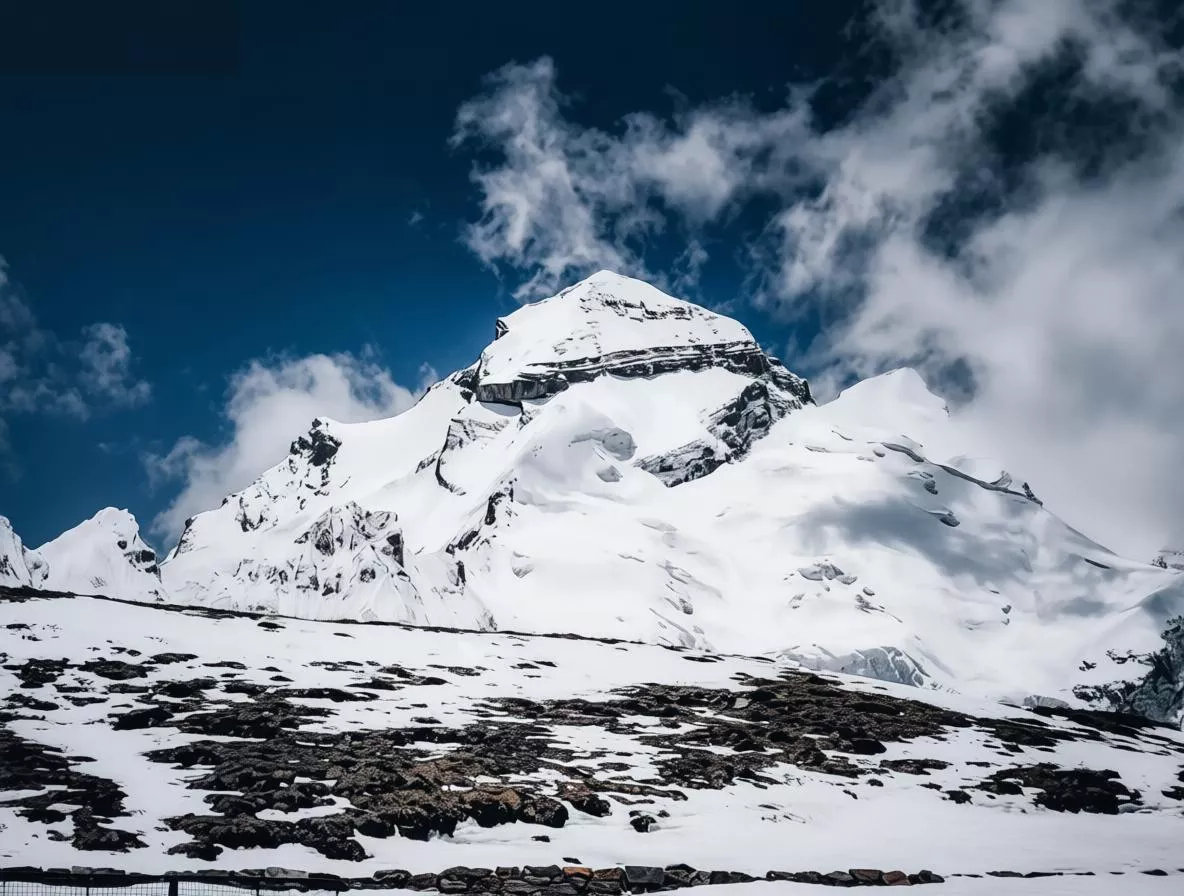
Uttarakhand offers more than just natural beauty. Discover its spiritual charm through treks like the Adi Kailash Yatra, rich in cultural and religious significance.


FAQs About Places to Visit in Nainital

1. What are the best places to visit in Nainital with kids?
Some of the best kid-friendly spots in Nainital include Naini Lake, Tiffin Top, Snow View Point, and Bhimtal Lake, where kids can enjoy boating and scenic views.

2. Is Nainital safe for solo travelers?
Yes, Nainital is considered safe for solo travelers. However, as with any popular tourist destination, it’s always advisable to stay cautious and avoid isolated areas after dark.

3. How can I reach Nainital from Delhi?
You can reach Nainital from Delhi by bus (6-7 hours), train (from Kathgodam), or flight (via Pantnagar Airport).

4. What is the best time to visit Nainital?
The best time to visit Nainital is from March to June for pleasant weather, or from November to February if you want to experience snowfall.

5. What are some offbeat places to visit in Nainital?
Offbeat attractions include Pangot (for bird-watching), Kilbury (a lesser-known spot for nature walks), and the hidden gems of the Himalayan Botanical Garden.

6. How many days are enough for a trip to Nainital?
A 3-4 day trip is ideal to explore Nainital and nearby attractions.

7. Are there any adventure activities in Nainital?
Yes, activities like trekking, paragliding, and boating are popular in Nainital.

8. Can I visit Nainital during the monsoon season?
While monsoons bring lush greenery, heavy rains may cause travel disruptions. Plan accordingly.

Best Time to Visit Sonmarg: A Complete Travel Guide

best time to visit sonmarg

Located in the mesmerizing Kashmir Valley, Sonmarg, which means “Meadow of Gold,” is a serene hill station known for its breathtaking landscapes, snow-capped mountains, and lush green meadows. The best time to visit Sonmarg largely depends on your preference for weather and activities. Whether you want to enjoy snowfall or explore its pristine trails, Sonmarg offers something for every traveler.

Why Sonmarg is a Must-Visit Destination

From its majestic glaciers to the shimmering rivers and tranquil lakes, Sonmarg is a paradise for nature lovers, adventure seekers, and photography enthusiasts. The destination is also a gateway to Ladakh, making it an essential stop for explorers.

Overview of the Climate in Sonmarg

Sonmarg experiences a typical alpine climate with cold winters, moderate summers, and a lush spring season. This variety ensures that the region offers distinct experiences year-round.


Best Time to Visit Sonmarg by Season

Spring (March to May)

Spring transforms Sonmarg into a floral wonderland. The snow begins to melt, revealing vibrant greenery and blooming flowers. Temperatures range between 6°C and 15°C, making it ideal for sightseeing and light trekking.

Summer (June to August)

Summer is the peak tourist season in Sonmarg. The weather is pleasant, with temperatures ranging from 10°C to 25°C. This is the best time for camping, trekking, and visiting glaciers like Thajiwas.

Autumn (September to November)

Autumn offers crisp air and fewer crowds. The temperature during this time is comfortable, ranging from 4°C to 15°C. The golden hues of the trees make for a picturesque backdrop.

Winter (December to February)

Winter in Sonmarg is a snowy wonderland. With temperatures dropping below freezing, this season is perfect for experiencing snowfall and engaging in snow sports. However, road connectivity may be affected.


Nearby Attractions in Sonmarg

Thajiwas Glacier

A popular spot for trekking and sledding, the glacier offers stunning views of ice-capped mountains. The best time to visit Sonmarg for exploring Thajiwas Glacier is during the summer, when the trails are accessible, and the scenery is at its best. The glacier is just 3 km from the main town, making it a convenient yet rewarding excursion.

Zoji La Pass

This high-altitude pass connects Kashmir to Ladakh and provides breathtaking panoramic views of the Himalayas. Visiting Zoji La Pass is an adventure, as it’s one of the highest and most challenging passes in the region. The pass is best visited in late spring or early summer.

Baltal Valley

Baltal is a beautiful camping site and the starting point for the Amarnath Yatra. It offers lush green pastures and stunning views of the surrounding mountains. Baltal is also an excellent spot for adventure enthusiasts interested in camping and trekking.

Vishansar and Krishansar Lakes

These alpine lakes are a trekker’s delight, surrounded by towering peaks and lush meadows. The clear waters of the lakes reflect the surrounding landscapes, creating an unforgettable sight. These spots are ideal for photographers and those looking to explore offbeat trails.

Yusmarg

Located a few hours from Sonmarg, Yusmarg is another hidden gem known for its sprawling meadows and dense forests. It’s an excellent destination for day trips and picnics.

Nilagrad River

Famous for its reddish waters believed to have healing properties, this river is a must-visit. The confluence of the Nilagrad River with the Indus offers a picturesque setting that adds to the region’s charm.


Places to See in Sonmarg

Golden Meadow (Sonmarg)

The town’s main attraction, the Golden Meadow, is a tranquil place to relax and soak in nature’s beauty. The vast expanse of green pastures with the backdrop of snow-clad mountains makes it an ideal picnic spot.

Amarnath Cave Base Camp

Sonmarg serves as a base camp for pilgrims heading to the holy Amarnath Cave. This spiritual site attracts visitors from across the globe, making it one of the region’s key highlights.

Gangbal Lake

Located on the Harmukh Mountain, Gangbal Lake is another picturesque spot near Sonmarg. The trek to this lake offers breathtaking views, making it a must-visit for adventure lovers.

Sarbal Village

For those who enjoy exploring rural life, Sarbal Village offers an authentic experience of Kashmiri culture and hospitality.


Activities to Enjoy in Sonmarg

Trekking and Camping

Sonmarg is a trekker’s paradise, offering trails like the Gangbal Trek and Thajiwas Glacier Trek. Camping under the starry sky, surrounded by nature, is an unforgettable experience. Treks in the area are suitable for both beginners and seasoned adventurers, making it accessible for all.

Adventure Sports

Enjoy activities like sledding, skiing, and river rafting for an adrenaline rush. In summer, rafting along the Sind River is a thrilling activity, while winter offers opportunities for skiing and snowboarding.

Horse Riding

Horse rides to Thajiwas Glacier or other nearby spots are popular among visitors. It’s a fun and unique way to explore the region.

Photography and Sightseeing

With its picturesque landscapes, Sonmarg is a dream destination for photographers. From the snow-draped peaks to the serene lakes and vibrant meadows, every corner of Sonmarg is worth capturing.

Fishing

The Sind River is famous for trout fishing, attracting anglers from far and wide. The peaceful environment and clear waters make it a delightful activity.


How to Reach Sonmarg

By Air

The nearest airport is Sheikh ul-Alam International Airport in Srinagar, approximately 80 km from Sonmarg. Taxis and buses are readily available.

By Train

The nearest railway station is Jammu Tawi, located about 300 km away. From there, you can hire a cab or take a bus to Sonmarg.

By Road

Sonmarg is well-connected by road and can be reached via the Srinagar-Leh Highway. Private taxis and buses are commonly used.


Accommodation Options in Sonmarg

Luxury Hotels

Upscale options include hotels with stunning views and world-class amenities.

Budget-Friendly Stays

Affordable guesthouses and lodges cater to budget travelers.

Camping Sites

For nature lovers, camping under the starry skies is a unique experience.


Travel Tips for Visiting Sonmarg

  • Best Travel Gear: Pack warm clothing, trekking shoes, and sunscreen.
  • Health and Safety Precautions: Stay hydrated and acclimatize to the altitude.
  • Local Customs and Culture: Respect local traditions and avoid littering.

Conclusion

Sonmarg is a treasure trove of natural beauty and adventure. Whether you’re drawn to its snowy winters or vibrant summers, this destination promises unforgettable memories. The best time to visit Sonmarg depends on what you want to experience—be it the vibrant meadows, snowy glaciers, or thrilling adventures. With its nearby attractions, abundant activities, and stunning places to see, Sonmarg is truly a haven for travelers. Plan your trip today and let the “Meadow of Gold” leave you spellbound.


FAQs

1. What is the best time to visit Sonmarg for snowfall?
The winter season (December to February) is ideal for experiencing snowfall.

2. Are there good trekking routes in Sonmarg?
Yes, trails like the Gangbal Trek and Thajiwas Glacier Trek are popular among trekkers.

3. How far is Sonmarg from Srinagar?
Sonmarg is approximately 80 km from Srinagar, about a 2-hour drive.

4. What is Sonmarg famous for?
Sonmarg is known for its scenic meadows, glaciers, and adventure sports like trekking and skiing.

5. Is Sonmarg safe for solo travelers?
Yes, Sonmarg is safe for solo travelers. Just follow basic safety precautions.

Check out our Amarnath Yatra by Helicopter for an efficient travel option, or dive into our Luxury Amarnath Yatra Package for an all-inclusive spiritual retreat.

Recommended read: Best Time to Visit Kashmir

Fly High: Char Dham Helicopter Package Unveiled – What You Need to Know!

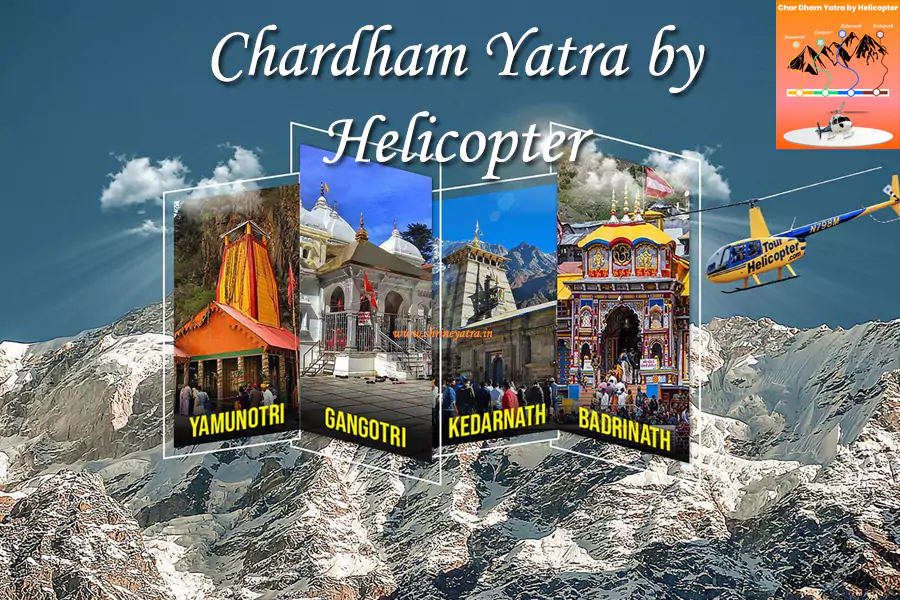
Chardham Yatra by Helicopter

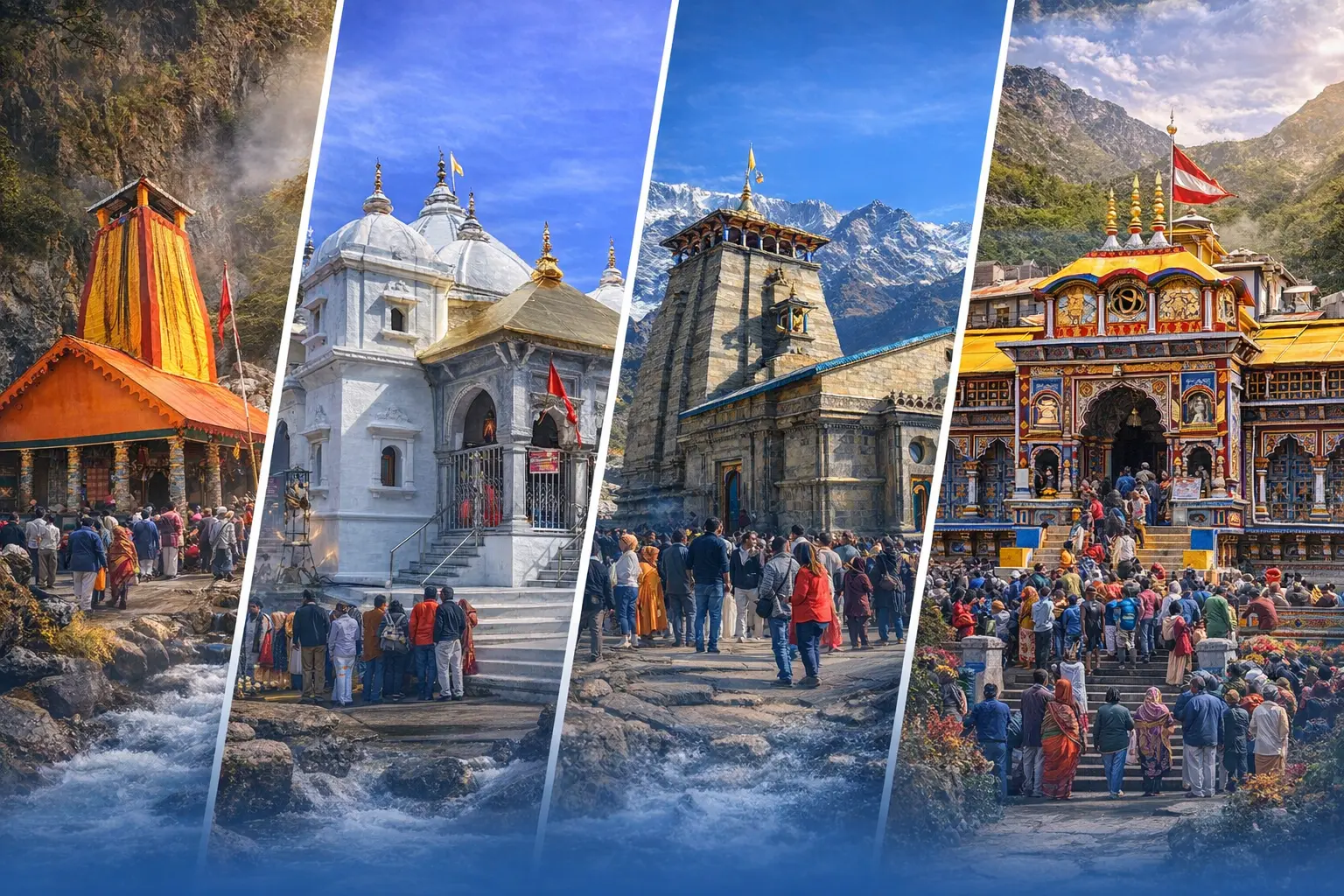
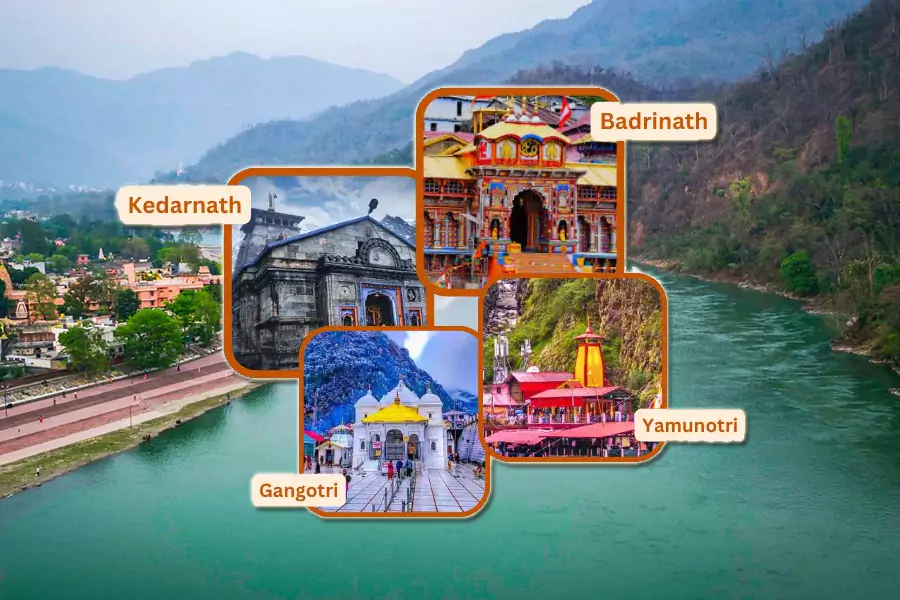
The Char Dham Yatra, a revered journey in Hinduism, covers four sacred shrines—Yamunotri, Gangotri, Kedarnath, and Badrinath. For those seeking a hassle-free and efficient experience, the Char Dham Helicopter Package has become a popular choice. This premium travel option ensures convenience and luxury, making the journey accessible even for those with time constraints or physical challenges.


What Is a Char Dham Helicopter Package?

A Char Dham by Helicopter Package is a specially curated travel plan designed to make the yatra comfortable and time-efficient. It includes helicopter rides to all four shrines, allowing travelers to bypass long road journeys and challenging terrains. This package is ideal for those who prioritize comfort, time savings, and a seamless experience.


Inclusions in the Char Dham Helicopter Package

Helicopter Rides

The centerpiece of the package is the helicopter service that connects Dehradun, the starting point, to all four shrines. The routes are designed to provide breathtaking aerial views of the Himalayas while significantly cutting travel time.

Accommodation Arrangements

Travelers enjoy comfortable accommodations in premium hotels or guesthouses near the shrines. These accommodations ensure a restful stay after spiritually enriching visits.

Meals Provided

Meal plans typically include breakfast, lunch, and dinner, featuring hygienic and vegetarian options that align with the religious significance of the journey.

VIP Darshan Facilities

The package often includes VIP darshan, allowing you to skip long queues and enjoy an unhindered spiritual experience.

Ground Transportation

Ground transfers between helipads and shrines are included. Comfortable vehicles are provided for local sightseeing and short-distance travel.

Professional Guides

Expert guides accompany travelers, offering insights into the history and spiritual importance of each dham, enhancing the overall experience.


Exclusions in the Char Dham Helicopter Package

Personal Expenses

Souvenirs, personal shopping, and any non-included meals or snacks must be covered by the traveler.

Additional Travel Costs

Airfare or train tickets to Dehradun are not part of the package. Travelers need to make their own arrangements to reach the starting point.

Entry Fees and Special Rituals

While VIP darshan is included, costs for specific rituals, pujas, or temple entry fees are not covered.

Medical and Emergency Costs

Insurance and emergency services, such as evacuation, are usually excluded. These must be arranged separately.


Advantages of Choosing a Char Dham Helicopter Package

  • Time Efficiency: Helicopter rides significantly reduce travel time, making the yatra feasible for those with tight schedules.
  • Comfort: Avoid long, arduous road trips and enjoy a seamless journey.
  • Convenience: Ideal for elderly travelers or those with physical limitations.

Things to Keep in Mind

Weather Dependence

Helicopter services are subject to weather conditions. Delays or cancellations are possible, so it’s essential to have flexible travel plans.

Limited Baggage Allowance

Travelers are advised to pack light due to strict baggage weight limits on helicopter flights.

Booking in Advance

Due to high demand during peak season, early booking is recommended to secure your spot and avoid last-minute hassles.


Who Should Consider This Package?

The Char Dham Helicopter Package is perfect for:

  • Travelers with limited time
  • Elderly individuals or those with physical challenges
  • Luxury travelers seeking a premium experience

Cost of Char Dham Helicopter Packages

The cost varies based on the package provider, duration, and inclusions. Typically, prices range from ₹2.25 lakh to ₹2.5 lakh per person.


How to Choose the Right Provider?

When selecting a package provider:

  • Look for reputable companies with positive reviews
  • Compare inclusions and exclusions
  • Ensure clear cancellation and refund policies

Conclusion

The Char Dham Helicopter Package is a game-changer for modern travelers seeking a convenient and luxurious way to undertake this sacred journey. By understanding the inclusions and exclusions, you can choose a package that best suits your needs and preferences. Whether for spiritual enrichment, time efficiency, or physical comfort, this package offers unparalleled benefits. Ready to explore? Book your Char Dham Helicopter Package today and embark on a memorable spiritual adventure.


FAQs

  1. What is the duration of the Char Dham Helicopter Yatra?
    Typically, the yatra is completed in 5–6 days, depending on the package.
  2. Are there any restrictions on age or health for travelers?
    There are no strict restrictions, but travelers should consult their doctor if they have medical conditions.
  3. How do I handle cancellations due to bad weather?
    Most providers offer rescheduling or partial refunds. Check the policy before booking.
  4. Can I customize the package as per my needs?
    Many providers offer customizable options. Discuss your requirements while booking.
  5. What are the payment options for booking?
    Providers typically accept online payments, including credit/debit cards, net banking, and UPI.

Recommended page: Best Time to Visit Chardham by Helicopter

Things to Do in Badrinath – Top Attractions, Activities & Travel Guide

things to do in badrinath

If you’re planning a trip to the Himalayas, exploring things to do in Badrinath should be at the top of your list. This spiritual hub, famous for the Badrinath Temple, offers more than just divine blessings. From serene landscapes and adventurous treks to nearby attractions and local culture, Badrinath is a perfect blend of spirituality and adventure. Whether you are looking for the best time to visit Badrinath or the best places to visit in Badrinath, this guide covers everything to help you plan an unforgettable journey.


How to Reach Badrinath?

By Air

The nearest airport is Jolly Grant Airport in Dehradun, around 310 km away. After landing, you can hire a taxi or take a bus to Badrinath. Helicopter services to nearby helipads are also available during the pilgrimage season.

By Train

Rishikesh Railway Station, approximately 293 km from Badrinath, is the closest railhead. From Rishikesh, regular buses and taxis are available to reach the destination.

By Road

Badrinath is well-connected by road, and driving here is an experience in itself, offering stunning views of the mountains. Buses and taxis are available from Haridwar, Rishikesh, and Dehradun. Private vehicles can also be hired for a more personalized journey.

Pro Tip: Check the road conditions during the monsoon season as landslides can disrupt travel.


Top Attractions in Badrinath

Badrinath Temple

The iconic Badrinath Temple, dedicated to Lord Vishnu, is the main attraction. Known for its ancient architecture and spiritual ambiance, it is a must-visit for all travelers. Don’t miss the evening aarti for a divine experience.

Tapt Kund

Located near the temple, Tapt Kund is a natural hot water spring where devotees take a holy dip before offering prayers. The waters are believed to have healing properties.

Neelkanth Peak

A towering snow-covered peak visible from Badrinath, Neelkanth Peak is a sight to behold. It’s a favorite for photography enthusiasts and nature lovers.


Nearby Attractions

Mana Village

Just 3 km from Badrinath, Mana Village is India’s last village near the Tibetan border. Explore its stone houses, ancient caves like Vyas Gufa and Ganesh Gufa, and interact with the friendly locals.

Vasudhara Falls

A scenic 5 km trek from Mana Village leads to Vasudhara Falls, a 400-ft high waterfall surrounded by lush greenery. It’s believed that the water touches only those who are pure at heart.

Charan Paduka

A challenging yet rewarding trek leads to Charan Paduka, a rock said to bear the footprints of Lord Vishnu. This site offers panoramic views of the surrounding valley.

Satopanth Lake

A sacred lake about 25 km from Badrinath, Satopanth Lake is a serene spot for trekking and camping. Its triangular shape adds to its mystical charm.

Pandukeshwar

Located 20 km before Badrinath, Pandukeshwar is an ancient temple site associated with the Pandavas from the Mahabharata.

While exploring nearby gems like Satopanth Lake and Charan Paduka, check out more details about the best places to visit in Badrinath.


Activities to Do in Badrinath

Trekking and Hiking

Badrinath is a haven for trekkers. Popular trails include the trek to Vasudhara Falls, Satopanth Lake, and Neelkanth Base Camp.

Spiritual Meditation and Yoga

The serene environment of Badrinath makes it an ideal place for meditation and yoga. Find a quiet spot by the Alaknanda River and reconnect with yourself.

Explore Local Markets

Discover unique handicrafts, woolen clothes, and religious souvenirs in the small markets of Badrinath. Don’t forget to try local snacks like sweet jalebi and aloo puri.

Photography

From the majestic Neelkanth Peak to the serene Alaknanda River, Badrinath is a paradise for photographers.


Best Time to Visit Badrinath

The best time to visit Badrinath is from May to June and September to October. During these months, the weather is pleasant, and all routes are accessible. To know more, check out our detailed guide on the Best Time to Visit Badrinath.

Seasonal Breakdown

  • Summer (May to June): Pleasant weather and open temple doors.
  • Monsoon (July to September): Lush greenery but with risks of landslides.
  • Winter (October to April): Extreme cold and temple closure.

Accommodation Options in Badrinath

Hotels and Guesthouses

Badrinath offers a variety of accommodation options ranging from budget-friendly hotels to luxurious guesthouses.

Dharamshalas and Ashrams

For a spiritual experience, consider staying in a dharamshala or ashram. These accommodations provide basic facilities at affordable rates.


Travel Tips for Badrinath Visitors

  • Carry enough warm clothing, especially during the evening and early morning hours.
  • Stay hydrated and acclimatize to the high altitude.
  • Always check weather conditions before planning your trip.
  • Respect local culture and follow the guidelines at temples and sacred sites.

Conclusion

Badrinath is a treasure trove of spirituality, natural beauty, and adventure. Whether you’re visiting the holy Badrinath Temple, exploring nearby attractions like Mana Village and Vasudhara Falls, or enjoying activities like trekking and yoga, there’s something for everyone. Start planning your trip today with a reliable Badrinath Tour Package and create memories that last a lifetime.


FAQs

What is the best time to visit Badrinath?
The best time to visit is between May-June and September-October, when the weather is ideal and the temple is open.

How can I reach Badrinath?
You can reach Badrinath by air, train, or road. The nearest airport is Jolly Grant in Dehradun, and the closest railway station is Rishikesh.

What are the best places to visit in Badrinath?
Some of the best places include the Badrinath Temple, Tapt Kund, Mana Village, Vasudhara Falls, and Charan Paduka.

Are there trekking options near Badrinath?
Yes, you can trek to places like Vasudhara Falls, Satopanth Lake, and Neelkanth Base Camp.

Can senior citizens visit Badrinath comfortably?
Yes, with proper planning and support, senior citizens can visit Badrinath. Options like helicopter services can make the journey easier.

How far is Mana Village from Badrinath?
Mana Village is just 3 km from Badrinath and can be reached easily by road or on foot.

What are the accommodation options in Badrinath?
From budget guesthouses to spiritual dharamshalas, there are plenty of options for every traveler.