Char Dham Yatra 2026 Opening Dates! Check details

Things to Do in Kedarnath: Explore Temple, Trekking & Scenic Beauty

things to do in kedarnath

Kedarnath, a jewel in the Garhwal Himalayas of Uttarakhand, is one of the most spiritually revered destinations in India. Famous for its ancient Kedarnath Temple dedicated to Lord Shiva, this region is also a haven for nature enthusiasts and adventure seekers. Whether you want to immerse yourself in devotion, marvel at the serene landscapes, or indulge in thrilling activities, Kedarnath offers something unique for everyone. Let’s explore the incredible things to do in Kedarnath, nearby attractions, and all the essential travel details you need for an unforgettable trip.


Exploring Kedarnath Temple

History of Kedarnath Temple

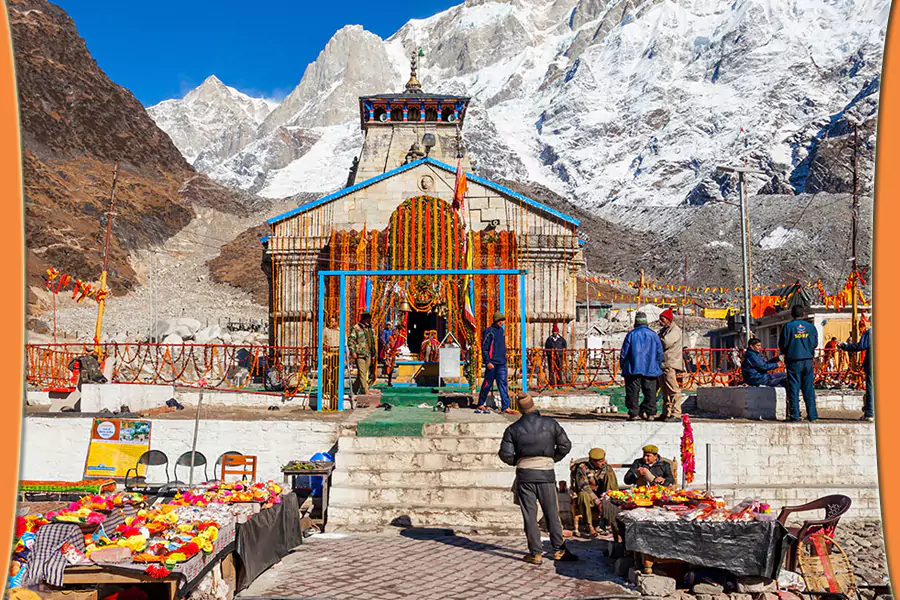
The Kedarnath Temple, one of the twelve Jyotirlingas, holds immense significance in Hinduism. Built by the Pandavas and revived by Adi Shankaracharya in the 8th century, this stone structure stands as a testament to devotion and architectural brilliance.

Religious Significance

Dedicated to Lord Shiva, the temple attracts devotees seeking spiritual solace and blessings. The legends associated with Kedarnath Temple, such as the Pandavas’ quest for forgiveness, enhance its mystical charm.

Architecture and Design

The temple’s sturdy stone construction is complemented by its serene surroundings. Nestled amidst snow-capped peaks, its simplicity and resilience inspire awe among visitors.

Read more about the Best Places to Visit in Kedarnath.


Nearby Attractions in Kedarnath

Gandhi Sarovar

Located just a 3 km trek from Kedarnath, Gandhi Sarovar (Chorabari Tal) is a pristine glacial lake. The trek to this spot offers mesmerizing views of the Himalayas, making it a must-visit for nature lovers.

Vasuki Tal Lake

Situated 8 km from Kedarnath, Vasuki Tal is a high-altitude lake surrounded by towering peaks. It’s an ideal destination for trekking enthusiasts and provides a tranquil escape.

Bhairavnath Temple

A short hike from Kedarnath Temple, Bhairavnath Temple is known for its panoramic views and spiritual significance. It is believed that Bhairavnath protects the region, especially during harsh winters when Kedarnath Temple is closed.

Chorabari Glacier

The source of the Mandakini River, Chorabari Glacier is a trekker’s delight. It’s a great spot for adventure seekers looking to explore the raw beauty of the Himalayas.

Triyuginarayan Temple

Located around 25 km from Kedarnath, this temple is famous as the site of Lord Shiva and Goddess Parvati’s celestial marriage. The eternal flame burning here is a highlight.


Activities to Do in Kedarnath

Participate in Spiritual Rituals

Attend the morning and evening aarti at Kedarnath Temple. The divine atmosphere created by the chanting of mantras and the glow of oil lamps is an unforgettable experience.

Trekking Adventures

The Kedarnath trek from Gaurikund is a thrilling journey through dense forests and scenic landscapes. Nearby treks like Vasuki Tal and Chorabari Glacier add to the excitement.

Camping in the Himalayas

Camping near Kedarnath is an incredible experience. With the backdrop of snow-capped mountains and the soothing sound of the Mandakini River, it’s a perfect way to connect with nature.

Explore Local Culture

Interact with locals to understand the unique culture and traditions of the Garhwal region. Their stories and warmth will enrich your trip.

Check out Kedarnath Tour Packages.


How to Reach Kedarnath

By Air

The nearest airport is Jolly Grant Airport in Dehradun, about 238 km away. From there, taxis and buses are available to reach Gaurikund, the base camp for Kedarnath.

By Train

Rishikesh Railway Station is the closest, situated around 216 km from Kedarnath. From here, buses and private taxis provide convenient connectivity.

By Road

Regular buses operate from major cities in Uttarakhand to Gaurikund. Self-driven cars or hired cabs are also popular options.

Trekking to Kedarnath

The trek from Gaurikund to Kedarnath spans 16 km. The route is well-marked and offers facilities like food stalls and resting points. Pony and palanquin services are available for those needing assistance.


Best Time to Visit Kedarnath

The summer months (May to June) and post-monsoon season (September to November) are the most favorable times to visit Kedarnath. The weather during these periods is pleasant and ideal for trekking and sightseeing.

Discover the Best Time to Visit Kedarnath.


Tips for Travelers

  • Pack Wisely: Carry warm clothing, sturdy footwear, and rain gear.
  • Health Precautions: Acclimatize to the altitude and stay hydrated.
  • Start Early: Begin treks early to avoid harsh weather.
  • Respect Nature: Avoid littering and follow eco-friendly practices.

Accommodation Options in Kedarnath

Accommodations in Kedarnath range from budget-friendly dharamshalas to mid-range hotels. Gaurikund also offers numerous stay options for travelers. Booking in advance is recommended during peak seasons.


Local Food and Cuisine

Savor traditional Garhwali dishes such as aloo ke gutke and mandua ki roti. Small eateries in Kedarnath and Gaurikund serve simple, wholesome meals that reflect the local flavors.


Unique Experiences in Kedarnath

  • Witness the grandeur of the Kedarnath Aarti.
  • Meditate amidst the tranquility of the Himalayas.
  • Capture stunning photographs of the Mandakini River and surrounding peaks.

Eco-Tourism in Kedarnath

Support sustainable tourism by avoiding plastics, respecting local customs, and engaging with initiatives that protect the fragile ecosystem of Kedarnath.


Medical Facilities and Emergency Services

Basic medical services are available at Kedarnath and Gaurikund. In case of emergencies, helicopter evacuation services can be arranged.


Shopping in Kedarnath

Purchase religious souvenirs, handcrafted items, and locally made woolens from the shops in Kedarnath and Gaurikund. These make great keepsakes or gifts.


Conclusion

Kedarnath is more than just a religious destination; it is a place where adventure, spirituality, and natural beauty come together in harmony. From the awe-inspiring Kedarnath Temple to the thrilling treks through the Himalayan landscape, there is something for every kind of traveler. Whether you’re seeking a spiritual experience, an adventurous trek, or simply want to immerse yourself in the breathtaking beauty of the region, things to do in Kedarnath promise to leave you with unforgettable memories. Plan your trip today and explore all that this incredible destination has to offer!

Plan your trip with the Best Kedarnath Tour Packages.


FAQs

1. What is the best time to visit Kedarnath?
The ideal time to visit is between May to June and September to November for pleasant weather.

2. How can I reach Kedarnath?
You can reach Kedarnath via air, train, or road to Gaurikund, followed by a 16 km trek.

3. Are there accommodations near Kedarnath Temple?
Yes, there are several dharamshalas and hotels near Kedarnath Temple and in Gaurikund.

4. What are the must-visit attractions near Kedarnath?
Some must-visit attractions include Gandhi Sarovar, Vasuki Tal, Bhairavnath Temple, and Triyuginarayan Temple.

5. What activities can I do in Kedarnath besides visiting the temple?
You can enjoy trekking, camping, exploring local culture, and attending spiritual rituals at Kedarnath.

6. How challenging is the Kedarnath trek?
The 16 km trek is moderately challenging but manageable with proper preparation.

7. Can elderly people visit Kedarnath safely?
Yes, with adequate planning and assistance, elderly visitors can enjoy the journey.

Best Time to Visit Auli – Seasonal Guide, Attractions, and Travel Tips

Best Time to Visit Auli

Auli, located in the Chamoli district of Uttarakhand, India, is one of the most sought-after destinations for nature lovers and adventure enthusiasts. Known for its breathtaking views of the Himalayan ranges, Auli offers an incredible experience throughout the year. Whether you’re seeking the perfect skiing destination or a tranquil summer retreat, Auli provides unmatched beauty and charm. The best time to visit Auli largely depends on your preference for snow activities, trekking, or simply enjoying its serene landscapes.


Why Auli is a Must-Visit Destination?

Auli is famous for its skiing slopes, trekking trails, and spiritual significance. Whether you’re gazing at the towering peaks like Nanda Devi or enjoying the serene Chenab Lake, Auli never fails to amaze. With its reputation as a premier destination for skiing in India, Auli attracts adventurers and families alike. The lush greenery and snow-clad peaks create a magical environment that’s perfect for rejuvenation.

  • Location: Situated in Uttarakhand, Auli lies at an elevation of approximately 2,800 meters above sea level.
  • Famous For: Skiing, trekking, and panoramic views of peaks like Nanda Devi and Mana Parvat.

What is the Best Time to Visit in Auli?

The best time to visit Auli depends on what you seek:

The best time to visit Auli depends on the kind of experience you’re seeking. Here’s a seasonal breakdown:

Winter (December to February)

The winter season is ideal for snow lovers. The slopes are covered with a thick blanket of snow, making it the perfect time for skiing and snowboarding.

  • Snow Activities and Skiing: Auli’s ski slopes are some of the finest in India, attracting professionals and beginners alike. The Skiing Festival held in January is a highlight for thrill-seekers.

Summer (March to June)

Summer brings pleasant weather, making it perfect for sightseeing and trekking. The lush green meadows and blooming flora add to the beauty of the region.

  • Trekking Trails and Scenic Views: Trails like Kuari Pass and Gorson Bugyal are ideal during this time. The clear skies also offer stunning views of Himalayan peaks.

Monsoon (July to September)

While monsoons bring moderate to heavy rainfall, they also transform Auli into a green paradise. The surroundings become vibrant, offering a refreshing change.

  • Lush Green Landscape: Although landslides may pose challenges, the post-monsoon freshness is worth experiencing.

Autumn (October to November)

Autumn marks the transition into winter, with crisp air and clear skies. It’s an excellent time to prepare for winter sports or explore trekking routes.

If you’re planning a broader trip to the region, check out our detailed guide on the Best Time to Visit Uttarakhand for an overview of seasonal highlights across the state.


How to Reach Auli?

Auli is well-connected and accessible by multiple modes of transport:

  • By Air:The closest airport is Jolly Grant Airport in Dehradun, approximately 300 km from Auli. From the airport, taxis and buses are readily available.
  • By Train:The nearest railway station is in Haridwar, around 280 km away. From there, you can hire a taxi or take a bus to reach Auli.
  • By Road:Auli is well-connected to major cities like Delhi, Haridwar, and Rishikesh. Regular buses and taxis are available from these locations to Joshimath, from where a short drive or ropeway ride takes you to Auli.
  • Ropeway: The Auli Ropeway, one of Asia’s longest, offers a scenic and thrilling journey from Joshimath to Auli.

Top Things to Do in Auli

Auli caters to all kinds of travelers with its diverse activities:

  1. Skiing:Auli’s well-maintained slopes are perfect for skiing. If you’re a beginner, there are training courses available to help you get started. Winter sports enthusiasts consider Auli the best place in India for skiing.
  2. Trekking Trails:

    Auli serves as the base for some iconic treks like the Kuari Pass and Tapovan. These trails offer a mix of adventure and panoramic views.

  3. Camping:Set up camp under the starlit sky for an unforgettable experience. Popular camping spots include Gurso Bugyal and Tali Lake.
  4. Auli Artificial Lake: Visit this picturesque man-made lake, especially in winter, when it’s surrounded by snow.
  5. Explore Nanda Devi National Park: A UNESCO World Heritage Site, it’s home to rare flora and fauna.
  6. Exploring Local Cuisine
    Delve into traditional Garhwali dishes like Aloo ke Gutke, Jhangora Kheer, and Bal Mithai. These flavors add a unique touch to your trip.
  7. Photography
    Capture the beauty of snow-covered peaks, lush meadows, and serene lakes. Auli is a paradise for photographers.


Nearby Attractions to Explore

Extend your trip to Auli by visiting these nearby gems:

  1. Joshimath
    Located just 16 km from Auli, Joshimath is a spiritual hub and the winter seat of Lord Badri. It’s also the gateway to many trekking routes.
  2. Nanda Devi National Park
    A UNESCO World Heritage Site, this park is home to diverse flora and fauna. The majestic Nanda Devi Peak can be viewed from here.
  3. Valley of Flowers
    A short journey from Auli takes you to this enchanting valley, famous for its vibrant alpine flowers. It’s open from June to October.
  4. Chenab Lake
    This offbeat destination near Auli is perfect for a peaceful retreat. The pristine lake is surrounded by dense forests and offers unmatched tranquility.
  5. Gurso Bugyal
    This lush meadow, just 3 km from Auli, is an excellent spot for picnics and photography. It provides panoramic views of Trishul, Dron, and Nanda Devi peaks.
  6. Tapovan
    Known for its hot springs, Tapovan is a serene spot to relax and rejuvenate. It’s an excellent place to experience nature’s healing touch.

Auli is just one of the many gems Uttarakhand has to offer. Discover more in our comprehensive list of the Best Places to Visit in Uttarakhand.


Where to Stay in Auli?

Luxury Resorts

For a lavish stay, options like The Cliff Top Club and GMVN Ski Resort offer premium amenities and stunning views.

Budget Stays

Budget travelers can opt for guesthouses and affordable hotels in Auli or Joshimath.

Homestays and Camps

Experience the local lifestyle by staying in cozy homestays. Alternatively, adventure lovers can opt for camping under the stars.


Packing Tips for Auli Visit

Winter Essentials

Pack heavy woolens, thermal wear, gloves, and snow boots. Don’t forget sunglasses to protect against snow glare.

Summer Gear

Light cotton clothing, sunscreen, trekking shoes, and hats are essential for a summer trip.

Rainy Season

Carry waterproof jackets, umbrellas, and quick-drying clothes if you’re visiting during the monsoons.


Safety Tips for Visiting Auli

  • Check weather updates before planning your trip.
  • Keep a first aid kit and essential medications handy.
  • Follow local guidelines and avoid trekking during heavy snowfall or rains.
  • Stay hydrated and carry snacks for energy during treks.

Travel Tips for Auli

  • Clothing: Carry warm layers during winter and comfortable trekking gear in summer.
  • Health Precautions: Stay hydrated to avoid altitude sickness.
  • Advance Booking: Reserve accommodation and skiing gear in advance during peak season.
  • Local Cuisine: Try Garhwali delicacies like chainsoo and aloo ke gutke.

Conclusion

Auli is a destination that offers an ideal blend of adventure, natural beauty, and cultural experiences. Whether you’re skiing down its slopes, trekking to its scenic spots, or simply relaxing amidst its serene landscapes, Auli promises memories that last a lifetime. The best time to visit Auli, whether for skiing or trekking, ensures a fulfilling experience. Plan your trip wisely, choose the best time to visit based on your preferences, and explore all that this Himalayan gem has to offer.


FAQs

1. What is Auli most famous for?
Auli is renowned for its skiing slopes and panoramic Himalayan views.

2. Is Auli safe to visit during monsoon?
While the monsoon enhances natural beauty, landslides may pose risks. Plan carefully.

3. Can beginners try skiing in Auli?
Yes, Auli offers beginner-friendly slopes and skiing lessons.

4. Which is better for skiing: Gulmarg or Auli?
Both are excellent, but Auli’s quieter ambiance makes it ideal for those seeking solitude.

5. What makes Auli unique compared to other hill stations?
Its world-class skiing facilities, coupled with serene landscapes and cultural richness, set it apart.

6. What is the best time for skiing in Auli?
December to February is the ideal time for skiing due to consistent snowfall.

7. What are some must-visit nearby attractions?
Joshimath, Chenab Lake, and Gurso Bugyal are top picks near Auli.

8. How can I reach Auli by air?
Jolly Grant Airport in Dehradun is the nearest airport, around 300 km away.

Best Time to Visit Chopta: Complete Travel Guide & Attractions

best time to visit chopta

Chopta, fondly called the “Mini Switzerland of India,” is a slice of paradise in Uttarakhand’s Garhwal Himalayas. Known for its pristine meadows, majestic peaks, and spiritual significance, it attracts travelers from across the globe. But if you’re wondering about the best time to visit Chopta, this guide has got you covered. From trekking to spiritual sojourns, Chopta has something for everyone, and knowing when to visit can enhance your experience.


Seasonal Breakdown: When to Visit Chopta?

1. Summer in Chopta (April to June)

Why Visit in Summer?

The weather is pleasant, with temperatures ranging between 10°C and 25°C. The meadows bloom with vibrant flowers, making this the ideal season for trekking and sightseeing.

Highlights:

  • Trekking to Tungnath Temple and Chandrashila Peak.
  • Camping under clear skies with breathtaking Himalayan views.
  • Birdwatching, including spotting the Himalayan Monal.

2. Monsoon in Chopta (July to September)

Why Visit in Monsoon?

Chopta turns into a lush green haven during monsoon. While the rains add to its charm, they also bring challenges like slippery trails and landslides.

Highlights:

  • Perfect for nature enthusiasts who want to witness Chopta’s vibrant greenery.
  • Photographers can capture surreal landscapes drenched in rain.

3. Winter in Chopta (October to March)

Why Visit in Winter?

If snow-covered landscapes excite you, winter is the best time to visit Chopta. With temperatures dropping as low as -15°C, it’s a wonderland for snow lovers.

Highlights:

  • Snow trekking to Tungnath and Chandrashila.
  • Enjoying the serene, crowd-free environment.
  • Ideal for photographers seeking snow-clad vistas.

Top Activities to Enjoy in Chopta

1. Trekking Adventures

Chopta is a gateway to some of Uttarakhand’s most scenic trekking trails:

  • Tungnath Trek: Explore the highest Shiva temple in the world.
  • Chandrashila Peak: A summit trek offering 360-degree views of Himalayan ranges.

2. Camping

Set up your tent amidst lush meadows or snowy landscapes. Camping in Chopta is an unmatched experience, perfect for connecting with nature.

3. Birdwatching

Chopta is part of the Kedarnath Wildlife Sanctuary, home to numerous bird species, including the Himalayan Monal and Koklass Pheasant.

4. Yoga and Meditation

The tranquil surroundings of Chopta make it an excellent destination for spiritual retreats, yoga, and meditation.


Nearby Attractions Around Chopta

1. Tungnath Temple

A spiritual highlight of Chopta, Tungnath Temple is the highest Shiva temple in the world. The serene trek leading to this ancient temple is a must for both adventurers and devotees.

2. Chandrashila Peak

The trek to Chandrashila, meaning “Moon Rock,” rewards travelers with panoramic views of the Garhwal and Kumaon ranges, including peaks like Nanda Devi.

3. Deoria Tal

A high-altitude lake located 20 km from Chopta, Deoria Tal is famous for its crystal-clear reflections of Chaukhamba peaks. It’s a picturesque spot for camping and photography.

4. Ukhimath

This town is the winter seat of Kedarnath, where idols from Kedarnath Temple are worshipped during the colder months. Ukhimath is also rich in folklore and tradition.

5. Rohini Bugyal

An untouched meadow near Chopta, Rohini Bugyal offers mesmerizing views of the surrounding valleys and peaks. It’s ideal for picnics and short treks.

6. Kalimath

Situated near Chopta, this Shakti Peeth is revered for its spiritual significance. Kalimath Temple is surrounded by stunning views of the Himalayas.

7. Madhmaheshwar Temple

Located about 40 km from Chopta, this temple is one of the Panch Kedar shrines and is accessible via a scenic trek.

8. Sonamarg – The Meadow of Gold

Sonamarg is an enchanting destination known for its golden meadows and towering glaciers. If you’re planning an extended trip, you might want to explore nearby Himalayan treasures like Tungnath, the world’s highest Shiva temple.

  • Activities: Trekking, trout fishing, and camping.

Curious about when to visit Tungnath? Read our guide on the Best Time to Visit Tungnath for a memorable trip.

9. Yusmarg – The Hidden Gem

A serene escape near Srinagar, Yusmarg is perfect for those seeking solitude amidst nature. If you’re exploring the beauty of the Indian Himalayas, Uttarakhand offers a plethora of destinations to discover.

  • Activities: Hiking, picnics, and enjoying breathtaking views.

Learn about the Best Time to Visit Uttarakhand to make the most of your Himalayan adventure.


Tips for Planning Your Chopta Trip

Pack Smart:

  • Summer: Lightweight clothing, trekking shoes, and sunscreen.
  • Winter: Heavy woolens, thermals, and sturdy snow boots.
  • Monsoon: Waterproof gear and quick-dry clothes.

Travel Options:

  • Nearest Airport: Jolly Grant Airport, Dehradun (226 km).
  • Nearest Railhead: Haridwar Railway Station (240 km).
  • Road Connectivity: Regular buses and taxis connect Chopta to major cities.

Best Accommodations:

  • Choose from eco-friendly campsites, budget-friendly lodges, and guesthouses. Pre-book during peak seasons to secure your stay.

Try Local Cuisine:

  • Relish traditional dishes like Pahadi Rajma, Mandua ki Roti, and Aloo ke Gutke.

Conclusion

Chopta is an all-season destination with something to offer every traveler. From trekking to spiritual pursuits, this Himalayan haven has it all. Whether you prefer the vibrant meadows of summer, the lush greenery of monsoon, or the snowy wonderland of winter, Chopta promises a memorable journey. Plan your trip thoughtfully to make the most of your time in this serene retreat.


FAQs

  1. What is the best time to visit Chopta for trekking?
    March to June and October to November are ideal for trekking.
  2. Can Chopta be visited during the monsoon season?
    Yes, but travel with caution as roads can be prone to landslides.
  3. How far is Deoria Tal from Chopta?
    Deoria Tal is approximately 20 km from Chopta.
  4. What are the must-visit attractions near Chopta?
    Tungnath Temple, Chandrashila Peak, Deoria Tal, and Rohini Bugyal are must-visit spots.
  5. Are there family-friendly activities in Chopta?
    Yes, camping, nature walks, and exploring nearby temples are perfect for families.
  6. Is Chopta safe during the monsoon season?
    While Chopta is accessible, the monsoon can make trekking trails slippery and roads prone to landslides. Proceed with caution.
  7. How to reach Chopta?
    The nearest airport is Jolly Grant Airport, Dehradun, and the closest railway station is Haridwar. From there, buses and taxis can take you to Chopta.
  8. What are the must-visit nearby attractions in Chopta?
    Tungnath Temple, Chandrashila Peak, Deoria Tal, and Ukhimath are some must-visit places near Chopta.
  9. Can Chopta be visited with family?
    Yes, Chopta is a family-friendly destination with easy treks and serene surroundings.

Best Time to Visit Kashmir | Seasonal Guide & Top Attractions

best time to visit kashmir

Kashmir, often referred to as “Paradise on Earth,” offers unparalleled natural beauty, from snow-capped mountains to serene lakes and blooming gardens. But, when is the best time to visit Kashmir? The answer lies in what you wish to experience—snowy adventures, romantic escapes, family vacations, or tranquil sightseeing. This guide will cover everything you need to know, including the best times to visit, seasonal activities, nearby attractions, and even packing tips for your journey.


Why Timing Is Key for Your Kashmir Trip?

Kashmir transforms with every season. Spring brings vibrant blooms, summer offers lush greenery, autumn paints the valleys golden, and winter wraps the region in a snowy blanket. Planning your trip based on these seasonal changes ensures you get the most out of your experience.


Seasons in Kashmir: When Is the Best Time to Visit?

Spring (March to May)

  • Why Visit: The valley comes alive with colorful flowers, especially in Srinagar’s famous tulip gardens.
  • Activities: Visit Mughal Gardens, enjoy a Shikara ride on Dal Lake, and capture the beauty of almond blossoms.

Summer (June to August)

  • Why Visit: Escape the summer heat and enjoy the cool, pleasant climate.
  • Activities: Trekking, river rafting, and exploring scenic valleys like Betaab Valley and Aru.

Autumn (September to November)

  • Why Visit: Golden Chinar trees and crisp weather make this the perfect time for photography.
  • Activities: Visit apple orchards, stroll through saffron fields, and enjoy cultural festivals.

Winter (December to February)

  • Why Visit: For snow lovers, this is the ideal time to visit. The landscapes turn into a winter wonderland.
  • Activities: Skiing in Gulmarg, snowboarding, and experiencing the frozen Dal Lake.

Best Time to Visit Kashmir for Specific Activities

For Honeymoon Couples

If you’re looking for a romantic snowy escape, winter is perfect. The snow-covered landscapes of Gulmarg and Pahalgam create a dreamy atmosphere for honeymooners.

  • Season: Winter (December to February).
  • Highlights: Romantic snow-covered landscapes, cozy stays in houseboats, and dreamy Gondola rides.

For Snow Adventures

For snow enthusiasts, Gulmarg is a must-visit during this time. It’s one of the premier ski destinations in India.

  • Season: December to March.
  • Highlights: Skiing, snowboarding, and snow treks in Gulmarg and Pahalgam.

For Family Vacations

Families will enjoy these months due to the pleasant weather, blooming gardens, and outdoor activities. The lush green valleys and colorful flowers make this season family-friendly.

  • Season: Spring and Summer (March to August).
  • Highlights: Tulip Festival, picnics by riversides, and exploring kid-friendly attractions.

For Cultural Enthusiasts

  • Season: Autumn (September to November).
  • Highlights: Witness traditional Kashmiri festivals, visit saffron fields, and explore local markets.

Things to Do in Kashmir by Season

Spring Activities

  • Stroll through the Mughal Gardens like Shalimar Bagh and Nishat Bagh.
  • Enjoy the colorful Tulip Festival in April.

Summer Activities

  • Trek to Kolahoi Glacier or Sonamarg.
  • Go river rafting in Lidder River at Pahalgam.

Autumn Activities

  • Capture the beauty of golden Chinar trees in your photographs.
  • Visit apple orchards for fresh produce and scenic views.

Winter Activities

  • Ski or snowboard in Gulmarg.
  • Take a ride on the frozen Dal Lake or enjoy snow treks.

Nearby Attractions You Shouldn’t Miss

1. Gulmarg – The Meadow of Flowers

Located just 50 kilometers from Srinagar, Gulmarg is a year-round destination offering scenic beauty and adventure activities. During winter, it transforms into a skiing paradise, while in summer, it’s adorned with colorful meadows.

  • Must-See Spots: Gulmarg Gondola (one of the world’s highest cable cars), Khilanmarg Valley, and St. Mary’s Church.
  • Activities: Skiing, snowboarding, trekking, and horse riding.

2. Pahalgam – A Haven for Nature Lovers

Pahalgam, situated at the confluence of the Lidder River and Sheshnag Lake, is a tranquil escape surrounded by lush greenery and towering mountains. It’s also a starting point for the famous Amarnath Yatra.

  • Must-See Spots: Betaab Valley, Aru Valley, and Lidder River.
  • Activities: River rafting, camping, and nature photography.

If you’re interested in exploring this spiritual journey, check out our Amarnath Package for a hassle-free pilgrimage experience.

3. Sonamarg – The Meadow of Gold

Sonamarg, meaning “Meadow of Gold,” is a high-altitude destination known for its breathtaking glaciers and pristine rivers. It’s a base for several treks, including the popular Thajiwas Glacier trek.

  • Must-See Spots: Thajiwas Glacier, Zoji La Pass, and Nilagrad River.
  • Activities: Trekking, trout fishing, and camping.

4. Yusmarg – The Hidden Gem

A lesser-explored gem, Yusmarg is about 50 kilometers from Srinagar. Its serene meadows and dense pine forests make it a perfect spot for a peaceful retreat.

  • Must-See Spots: Doodhganga River and Nilnag Lake.
  • Activities: Day hikes, horse riding, and picnic outings.

5. Vaishno Devi Temple – A Spiritual Pilgrimage

Located near Katra in Jammu, the Vaishno Devi Temple is a sacred site visited by millions every year. Though outside Kashmir, it’s a common stop for those extending their journey.

  • Highlights: Trekking to the temple or taking a helicopter ride for darshan.

6. Dachigam National Park – Wildlife Sanctuary

Situated close to Srinagar, Dachigam National Park is a haven for wildlife enthusiasts. It is home to the endangered Hangul (Kashmiri stag) and various other species.

  • Must-See Spots: Marsar Lake and the wildlife reserve.
  • Activities: Wildlife safaris and bird watching.

7. Leh-Ladakh – An Adventurer’s Paradise

If you’re seeking adventure, extending your trip to Leh-Ladakh is a must. Known for its stark landscapes, Buddhist monasteries, and challenging roads, it’s a destination for thrill-seekers.

  • Must-See Spots: Pangong Lake, Nubra Valley, and Thiksey Monastery.
  • Activities: Biking, trekking, and stargazing.

8. Srinagar – The Heart of Kashmir

No trip to Kashmir is complete without exploring Srinagar. It’s famous for its lakes, gardens, and vibrant markets.

  • Must-See Spots: Dal Lake, Nigeen Lake, and the Mughal Gardens.
  • Activities: Shikara rides, shopping for Kashmiri handicrafts, and trying local delicacies.

9. Aharbal Waterfall – Kashmir’s Niagara

Located in the Kulgam district, Aharbal Waterfall is a spectacular sight, often referred to as the “Niagara of Kashmir.”

  • Highlights: A mesmerizing waterfall surrounded by pine forests.
  • Activities: Photography, picnics, and short treks.

10. Manasbal Lake – A Tranquil Escape

Manasbal Lake, about 30 kilometers from Srinagar, is one of the least explored yet most beautiful lakes in Kashmir.

  • Highlights: Crystal-clear waters, lotus blooms, and a serene atmosphere.
  • Activities: Boating, bird watching, and relaxing by the lake.

Packing Tips for Kashmir in Different Seasons

Spring and Summer

  • Light woolens for cool evenings.
  • Sunscreen and comfortable walking shoes.

Autumn

  • Layered clothing for chilly mornings and evenings.
  • A camera to capture the vibrant landscapes.

Winter

  • Heavy woolens, gloves, and snow boots.
  • Moisturizer to protect against the cold.

Conclusion

The best time to visit Kashmir depends on your preferences. Whether it’s the blooming gardens of spring, the adventure-packed summers, the golden hues of autumn, or the snowy charm of winter, Kashmir has something for everyone. Plan your visit wisely to make the most of this enchanting destination.


FAQs

  1. What is the best month to visit Kashmir for snow?
    December to February offers the best snowfall for skiing and snowboarding.
  2. Is Kashmir suitable for a summer vacation?
    Absolutely! The cool weather and lush valleys make it an ideal escape from the summer heat.
  3. Can I experience snow in March?
    Yes, higher-altitude regions like Gulmarg and Pahalgam may still have snow in March.
  4. What are the best family-friendly activities in Kashmir?
    Shikara rides, garden tours, and picnics by riversides are great for families.
  5. What should I pack for a winter trip to Kashmir?
    Heavy woolens, gloves, and snow boots are a must for the cold weather.
  6. What is the best time to visit Kashmir for adventure activities?
    June to September is ideal for trekking and river rafting, while December to March is perfect for snow sports.
  7. Which season is best for a family trip to Kashmir?
    Spring (March to May) and summer (June to August) are the most family-friendly seasons.
  8. Can I experience snow in Kashmir in November?
    While snow is rare in November, higher altitudes like Gulmarg might experience early snowfall.
  9. What should I pack for a winter trip to Kashmir?
    Heavy woolens, snow boots, gloves, and thermal layers are essential for winter travel.
  10. Is the Tulip Festival worth visiting?
    Absolutely! The Tulip Festival in April showcases vibrant blooms and is a highlight of spring in Kashmir.

Best Time to Visit Valley of Flowers | Complete Seasonal Guide

best time to visit valley of flowers

Nestled in the pristine Nanda Devi Biosphere Reserve of Uttarakhand, the Valley of Flowers is a UNESCO World Heritage Site famed for its vibrant meadows and lush alpine flora. If you’ve ever wondered about the best time to visit Valley of Flowers, this guide will take you through everything you need to know, from the perfect season for blooming flowers to tips for an unforgettable trek.

While exploring the Valley of Flowers, you might also want to consider adding the Char Dham Yatra Packages to your Uttarakhand travel plans for a holistic experience.


Why Is the Valley of Flowers Famous?

The Valley of Flowers trek is one of India’s most scenic routes, featuring a kaleidoscope of rare Himalayan blooms like blue poppies, Brahma Kamal, and anemones. Its rich biodiversity and tranquil atmosphere make it a bucket-list destination for nature enthusiasts, photographers, and adventure seekers.


Seasonal Guide: Best Time to Visit Valley of Flowers

Spring (March to May)

While spring begins the thawing process in the region, flowers are yet to bloom. However, it’s a serene time to enjoy quiet trails and snow-capped vistas.

Summer (June to August)
This is the most recommended time and widely regarded as the best time to visit Valley of Flowers. The snow melts, giving way to a riot of colors as the flowers begin to bloom. The weather is pleasant, and the trekking routes are fully accessible.

Monsoon (July to September)
Monsoon brings peak blooming to the valley. July and August are the ultimate months for flower lovers, with the landscape transforming into a vibrant paradise. However, trekking during this time requires extra precautions due to slippery trails.

Autumn (October to November)
The flowers may have withered, but autumn offers spectacular clear skies and golden landscapes. This is an offbeat time for those seeking solitude.

Winter (December to February)
The valley is completely snowbound and inaccessible during winter.


Month-by-Month Breakdown for Visiting the Valley of Flowers

June: Start of the Blooming Season
The early summer months bring the first wave of blossoms. While the flowers are just beginning to bloom, the trekking routes are at their most pristine.

July: Vibrant Meadows in Full Bloom
By mid-July, the valley is a colorful mosaic of countless flower species. This is one of the best times to visit the Valley of Flowers for breathtaking views and photography.

August: Peak Bloom and Monsoon Beauty
August is the peak blooming period. Despite the frequent rains, this is when the valley displays its most enchanting hues. Carrying proper rain gear is essential.

September: End of the Blooming Season
As the flowers begin to fade, the clear post-monsoon skies offer stunning views of the surrounding mountains. It’s a quieter time for trekking.


Reasons Summer Is Ideal for Visiting the Valley of Flowers

Peak Blooming Season
The valley comes alive in June, with flowers like marigolds, daisies, and orchids carpeting the landscape.

Comfortable Weather
Temperatures during summer are moderate, making it an ideal time for trekking and exploring the valley.

Easier Accessibility
The snow has melted, opening up trekking paths and making travel more manageable for visitors.


Monsoon Magic: Why It’s Worth the Risk

While monsoon trekking can be challenging, the rewards are unmatched. The vibrant bloom during July and August is unparalleled, making this period the best time to visit Valley of Flowers for a once-in-a-lifetime experience.


Essential Tips for Trekking in the Valley of Flowers

Entry Permits and Fees

Permits are mandatory to enter the Valley of Flowers National Park. They can be obtained at the entrance gate.

Trekking Essentials

  • Comfortable and waterproof trekking shoes
  • Rain gear and warm clothing
  • Ample water and snacks
  • A first-aid kit and trekking poles

Local Accommodation

Stay at Ghangaria, the nearest base camp with basic accommodations and local food options.


Nearby Attractions

While the Valley of Flowers is a spectacular destination, there are several other gems in Uttarakhand that you can explore during your trip:

  1. Hemkund Sahib:
    Located just a short trek away from the Valley of Flowers, Hemkund Sahib is a serene and spiritually significant Sikh Gurudwara. It is a must-visit for its tranquil surroundings and rich history.
  2. Badrinath Temple:
    One of the Char Dham destinations, Badrinath Temple, is a spiritual haven just a few hours from the Valley of Flowers. Its stunning location and religious significance make it a key highlight of any Uttarakhand journey. Learn more about the Badrinath Temple and its importance in Hinduism.
  3. Kedarnath Trek:
    Adventure enthusiasts can extend their journey to include the Kedarnath Trek, a challenging yet rewarding trail that leads to one of the holiest shrines in India.
  4. Adi Kailash Yatra:
    If you’re intrigued by spiritual treks, the Adi Kailash Yatra offers a serene alternative with breathtaking views of the sacred Mount Kailash.
  5. Char Dham Yatra:
    The Luxury Char Dham Yatra Package offer a complete spiritual experience through Uttarakhand, including Gangotri, Yamunotri, Kedarnath, and Badrinath, making it a journey worth considering alongside your Valley of Flowers trek.

These nearby attractions ensure that your trip to Uttarakhand is not just a visit to the Valley of Flowers but a holistic experience of nature, spirituality, and adventure.


Conclusion

The Valley of Flowers is not just a destination—it’s an experience that immerses you in the beauty of nature. While the best time to visit Valley of Flowers is during the summer and monsoon months, every season has its charm. Whether you’re a trekking enthusiast or a nature lover, this breathtaking valley promises memories that will last a lifetime.

If you’re planning a trip to Uttarakhand, don’t miss our guide to the Haridwar to Chardham Travel Guide for a seamless journey.


FAQs

1. What is the best time to visit the Valley of Flowers for photography?
July and August are ideal for capturing the vibrant bloom and lush landscapes.

2. Can I visit the Valley of Flowers during winter?
No, the valley is inaccessible due to heavy snowfall from December to February.

3. How challenging is the trek to the Valley of Flowers?
The trek is moderately challenging, requiring a basic level of fitness.

4. Are there guides available for the trek?
Yes, local guides can be hired at Govindghat or Ghangaria for assistance.

5. Is the Valley of Flowers trek suitable for beginners?
Yes, with proper preparation, beginners can enjoy this trek.

Best Time to Visit Tungnath – Seasonal Guide & Travel Tips

Best Time To Visit Tungnath

Wondering about the best time to visit Tungnath? This sacred site, nestled in the majestic Himalayas, draws visitors for its spiritual significance and stunning natural beauty. Timing your visit is crucial to ensure you experience Tungnath in all its glory, whether you’re trekking to the highest Shiva temple or soaking in the scenic views. Factors like weather, trekking conditions, and temple access determine the ideal time to explore this heavenly destination. Let’s delve into the details to plan the perfect trip.


About Tungnath

Historical and Spiritual Significance

Tungnath, the highest of the Panch Kedar temples, holds immense religious importance. Dedicated to Lord Shiva, it is believed to have been built over a thousand years ago. This temple is not just a spiritual haven but also a testament to the rich heritage of Hinduism.

Location and Accessibility

Located in Uttarakhand’s Rudraprayag district at an elevation of 3,680 meters, Tungnath is a short trek from Chopta, often referred to as the “Mini Switzerland of India.” The journey to Tungnath is as captivating as the destination, with picturesque trails and panoramic mountain views.


Seasonal Overview for Visiting Tungnath

Summer (April to June)

Summer is considered the best time to visit Tungnath. The snow begins to melt, revealing vibrant greenery and clear skies. With temperatures ranging from 10°C to 20°C, the weather is perfect for trekking and temple visits.

Monsoon (July to September)

The monsoon transforms the region into a lush green paradise. However, heavy rains can cause landslides and make trekking trails slippery, posing challenges. For adventurous travelers seeking solitude, this season can still be appealing.

Autumn (October to November)

Autumn offers crisp air, clear views of the Himalayas, and fewer crowds. The cool and pleasant weather makes it another ideal time for trekking and photography.

Winter (December to March)

During winter, the temple is closed due to heavy snowfall, but the snow-covered trails attract adventure enthusiasts for snow trekking. Temperatures can drop below freezing, so proper gear is essential.

If you’re planning a broader trip, understanding the best time to visit Uttarakhand can help you align your travel plans with the region’s prime seasons.


Best Time for Trekking Enthusiasts

For trekking enthusiasts, the best time to visit Tungnath is during summer and autumn. The trails are dry, the weather is stable, and the views are unparalleled. Ensure you carry trekking poles, sturdy boots, and sufficient water for a comfortable experience.


Best Time for Spiritual Seekers

The Tungnath temple typically opens in May and closes around November before winter sets in. Visiting during these months allows spiritual seekers to witness rituals and soak in the divine energy of this sacred site.


Flora and Fauna Highlights by Season

Summer Blooms and Greenery

Summer reveals a colorful array of flowers, including the famous rhododendrons. The meadows come alive with lush greenery, creating a mesmerizing sight.

Autumn Colors and Wildlife Sightings

In autumn, the golden hues of the landscape contrast beautifully with the snow-capped peaks. You may also spot Himalayan birds and small mammals along the trails.


Weather Conditions at Tungnath Throughout the Year

  • Summer: Pleasant temperatures (10°C to 20°C) and clear skies.
  • Monsoon: Heavy rainfall with risks of landslides.
  • Autumn: Cool and dry, with clear views and moderate temperatures.
  • Winter: Sub-zero temperatures and heavy snowfall.

Monsoon Warnings and Safety Tips

Visiting during monsoon requires caution due to slippery trails and potential landslides. Always:

  • Check weather forecasts before starting the trek.
  • Carry rain gear and waterproof bags.
  • Trek in groups or with a local guide for safety.

Winter Adventures at Tungnath

While the temple remains closed, winter offers unique experiences like snow trekking and breathtaking views of the snow-covered landscape. Ensure you have thermal wear, snow boots, and trekking equipment to navigate the challenging terrain.


Photography Opportunities

Tungnath is a photographer’s paradise. The best time to visit Tungnath for photography is during summer and autumn when the landscapes are vibrant, and the skies are clear. Don’t miss capturing the sunrise and sunset from Tungnath or nearby Chandrashila Peak.


Packing Tips Based on Seasons

  • Summer: Light layers, sunscreen, and trekking essentials.
  • Monsoon: Raincoat, waterproof backpack, and sturdy boots.
  • Autumn: Warm layers and camera gear.
  • Winter: Thermal wear, gloves, and snow gear.

Travel Tips for Visiting Tungnath

  • Accommodation: Stay in Chopta for easy access to Tungnath. Options range from budget stays to eco-friendly lodges.
  • Transport: The nearest railway station is Haridwar, and Jolly Grant Airport in Dehradun is the closest airport. Local buses and taxis connect to Chopta.
  • Guides: Hiring a local guide enhances your experience with insights into the region’s history and culture.

Consider combining your Tungnath visit with a Chardham Yatra with Tungnath Tour Package for a spiritually enriching and well-organized journey.


Nearby Attractions to Explore

Chandrashila Peak

A short trek from Tungnath, Chandrashila Peak offers panoramic views of the Himalayas, including Nanda Devi and Trishul.

Deoria Tal

A tranquil lake surrounded by lush forests, Deoria Tal is perfect for camping and photography.


Cultural Insights and Local Festivals

Tungnath’s region is rich in culture, with festivals like Maha Shivratri celebrated with great enthusiasm. Participating in local customs adds a unique dimension to your visit.


Conclusion

The best time to visit Tungnath depends on your preferences—whether it’s the vibrant greenery of summer, the serene beauty of autumn, or the snowy adventures of winter. Each season offers something unique, making Tungnath a year-round destination worth exploring. Plan your trip wisely and create memories to cherish for a lifetime.


FAQs

1. What is the best time to visit Tungnath temple?
The temple is best visited between May and November when it is open and accessible.

2. Can I visit Tungnath during the monsoon?
Yes, but it’s risky due to landslides and slippery trails. Proceed with caution.

3. Is Tungnath open in winter?
No, the temple closes in winter due to heavy snowfall. However, the trek remains open for snow trekking enthusiasts.

4. What is the difficulty level of the Tungnath trek?
The trek is moderate and suitable for beginners with basic fitness levels.

5. Are there accommodations near Tungnath?
Yes, Chopta offers a variety of accommodations, including budget stays and eco-friendly lodges.

For detailed packages, visit our Chardham Tour Package by Road page.

Discover the Historical and Cultural Links of Badrinath | A Complete Guide

Historical and Cultural Links of Badrinath

Badrinath, one of the most revered pilgrimage destinations in India, holds a unique position due to its historical and cultural links. Known for its rich past and profound spiritual significance, this sacred site offers a glimpse into India’s vibrant heritage. From its mention in ancient scriptures to its continued relevance in modern Hinduism, the historical and cultural links of Badrinath are unparalleled.


The Religious Foundation of Badrinath

Badrinath is renowned for its religious importance, primarily as the abode of Lord Vishnu. According to legends, Lord Vishnu meditated here in the guise of a hermit, under the Badri tree. This deep connection forms the foundation of the historical and cultural links of Badrinath, making it a spiritual epicenter for devotees.

For official temple opening dates, refer to Uttarakhand Tourism.


Historical Origins

Badrinath finds mention in ancient scriptures like the Vedas, Puranas, and Mahabharata. Adi Shankaracharya, the great Indian philosopher, played a pivotal role in reviving this site in the 8th century, establishing it as a key destination for spiritual seekers.


Architectural Significance

The Badrinath Temple is a marvel of North Indian temple architecture. Its striking facade, adorned with colorful carvings, stands out against the snow-capped peaks. The sanctum, with its intricately designed idol of Lord Vishnu, symbolizes the artistic and spiritual mastery of ancient India.


Festivals and Cultural Significance of Badrinath

The vibrant festivals celebrated in Badrinath, such as Badri Kedar Utsav, underscore its cultural significance. These events, rooted in centuries-old traditions, are a testament to the enduring historical and cultural links of Badrinath.


Cultural Practices and Festivals

Badrinath is alive with festivals like the Mata Murti Ka Mela and Badri Kedar Utsav, which showcase the region’s vibrant cultural heritage. Devotees engage in time-honored rituals, connecting deeply with their spiritual roots.


Badrinath as Part of the Chardham Yatra

As one of the four sacred sites in the Chardham Yatra, Badrinath is indispensable for those seeking moksha (liberation). This pilgrimage forms a spiritual journey that unites millions in devotion.


Legends Surrounding Badrinath

The story of Nar-Narayan’s penance and the tale of Lord Vishnu transforming into a hermit underlines the spiritual gravitas of Badrinath. These legends continue to inspire devotion and awe.


Impact of Geography on Its Cultural Links

Set against the majestic backdrop of the Himalayas, Badrinath’s location amplifies its spiritual significance. The natural beauty enhances the aura of peace, making it a haven for meditation and self-discovery.


Badrinath in Indian Literature and Art

From the verses of ancient scriptures to modern artistic interpretations, Badrinath has been a muse for poets, writers, and artists, celebrating its grandeur and sanctity.


Role in Modern-Day Hinduism

In contemporary times, Badrinath remains a vital part of Hindu identity, symbolizing faith, devotion, and the unbroken link between past and present traditions.


Preservation of Heritage

Efforts by local authorities and devotees ensure the preservation of Badrinath’s historical and cultural essence. Restoration projects and eco-friendly practices aim to maintain its sanctity.


Badrinath in Global Context

Badrinath attracts visitors from across the globe, fostering cultural exchanges and showcasing India’s spiritual heritage on the world stage.


Tourism and Its Impact

While pilgrimage tourism boosts the local economy, it also presents challenges. Striking a balance between tourism and preservation is crucial for sustaining Badrinath’s legacy.


Spiritual Experience for Visitors

A visit to Badrinath is more than a journey; it’s a transformative experience. The serene environment, coupled with devotional activities, leaves a lasting impression on every visitor.


Conclusion

Badrinath is not just a place; it’s a spiritual phenomenon that transcends time. Its historical and cultural links make it an invaluable jewel of India’s heritage. Preserving Badrinath ensures that its legacy continues to inspire generations.


FAQs

  1. Why is Badrinath important in Hinduism?
    Badrinath is considered the abode of Lord Vishnu and a vital part of the Chardham Yatra, symbolizing spiritual salvation.
  2. What is the history of the Badrinath Temple?
    The temple’s origins trace back to ancient scriptures and were revived by Adi Shankaracharya in the 8th century.
  3. How does Badrinath connect to the Chardham Yatra?
    It is one of the four sacred sites in the Yatra, representing spiritual purification and liberation.
  4. What are the main festivals celebrated in Badrinath?
    Festivals like Mata Murti Ka Mela and Badri Kedar Utsav highlight its cultural vibrancy.
  5. Is Badrinath significant for non-Hindu visitors?
    Yes, its historical, architectural, and cultural significance attracts visitors from all backgrounds.

For detailed packages, visit our Badrinath Yatra Packages page.

Best Time to Visit Chardham by Helicopter – Seasonal Guide & Tips

Best Time to Visit Chardham by Helicopter

The Chardham Yatra, one of the most revered pilgrimages in India, holds immense spiritual significance for Hindu devotees. Covering the four sacred shrines of Yamunotri, Gangotri, Kedarnath, and Badrinath, this journey is considered a once-in-a-lifetime spiritual experience. Opting for a helicopter to visit Chardham is not just about convenience—it’s an opportunity to marvel at the breathtaking Himalayan landscapes while saving time and effort. However, knowing the Best Time to Visit Chardham by Helicopter is crucial for a seamless experience.


The best time to visit Chardham by helicopter depends on seasonal weather conditions and your travel preferences. With carefully planned helicopter packages for Chardham Yatra, you can avoid hassles and enjoy a seamless journey to the sacred temples.


What is Chardham Yatra?

The Chardham Yatra refers to a spiritual pilgrimage to the four sacred temples situated in the Garhwal region of Uttarakhand. These shrines—Yamunotri, Gangotri, Kedarnath, and Badrinath—are believed to cleanse the soul and pave the way to salvation. Each Dham represents a specific deity and holds deep religious significance, attracting millions of devotees annually.


Why Choose Helicopter for Chardham Yatra?

Traveling by helicopter transforms the challenging pilgrimage into a comfortable journey. Here’s why it’s a preferred option:

  • Time Efficiency: Complete the entire yatra in just 1–2 days compared to 10–12 days by road.
  • Scenic Views: Soar over snow-clad peaks and lush valleys for a once-in-a-lifetime aerial experience.
  • Ease of Access: Ideal for elderly devotees or those with physical limitations.

When Is the Best Chardham by Air Travel Season?

Each Chardham by air travel season comes with unique benefits. For example, the summer season (April–June) is ideal for travelers who prefer pleasant weather and uninterrupted helicopter services. However, understanding the weather guide for Chardham Yatra ensures you make the most of your journey.

Best Time to Visit Chardham by Helicopter

The Best Time to Visit Chardham by Helicopter depends on weather conditions, temple openings, and service availability. Let’s explore the seasons:


Summer Season (April to June)

This is the most popular time for Chardham Yatra:

  • Weather: Pleasant temperatures ranging from 15°C to 30°C.
  • Accessibility: All temples are open, and helicopter services operate seamlessly.
  • Highlights: Snow-capped peaks and vibrant green landscapes make this an enchanting time to visit.
  • Pros: Pleasant weather, all temples open, clear skies ideal for helicopter travel.
  • Cons: High tourist influx; booking helicopters and accommodations can be challenging.

Monsoon Season (July to September)

While the monsoon season brings lush greenery, it’s not the ideal time for helicopter journeys:

  • Challenges: Heavy rainfall often leads to landslides and disrupted helicopter services.
  • Risks: Poor visibility and slippery terrain can cause delays.

Autumn Season (October to November)

Autumn offers another excellent window for Chardham by helicopter:

  • Weather: Crisp air and clear skies with temperatures ranging from 10°C to 20°C.
  • Scenic Beauty: Post-monsoon freshness enhances the beauty of the region.
  • Pros: Scenic beauty post-monsoon, fewer crowds, and better availability of helicopter services.
  • Cons: Temperature dips significantly in the evenings.

Factors Influencing the Best Time to Visit

To make the most of your helicopter journey, consider these factors:

  • Weather Conditions: Clear skies are essential for helicopter operations.
  • Temple Openings: Ensure all shrines are accessible.
  • Service Availability: Book well in advance as demand peaks during the summer and autumn months.
Season Best Features Drawbacks
Summer (April–June) Pleasant weather, clear skies, ideal for helicopter travel High demand, crowded
Monsoon (July–September) Lush greenery, scenic views Unpredictable weather, landslides
Autumn (October–November) Crisp weather, fewer crowds Cold mornings and evenings
Winter (December–March) Yatra mostly closed; temples inaccessible Harsh winter conditions

Ideal Months for Chardham Helicopter Tour

The ideal months for a helicopter journey are:

  • April and May: The start of the yatra season with pleasant weather.
  • October: Perfect for those seeking a quieter, more serene experience post-monsoon.

Planning Your Helicopter Yatra

Planning to explore Chardham by helicopter? Understanding the seasons and helicopter packages for Chardham Yatra can help you plan a stress-free trip.

  • Advance Booking: Secure your tickets months ahead due to high demand.
  • Reliable Operators: Choose licensed operators for safety and quality services.

For detailed packages, visit our Chardham Helicopter Yatra Packages page.

Booking early helps secure the best deals on Chardham helicopter tour costs. Additionally, choosing reputed helicopter services for Chardham Yatra ensures safety, comfort, and VIP access at temples.


What to Expect During Your Helicopter Journey?

  • Duration: The entire tour takes 1–2 days, with each Dham visited in hours.
  • Services: Operators provide VIP darshan, meals, and ground transfers.

How to Prepare for Your Chardham Helicopter Trip?

Preparation is key:

  • Essentials: Warm clothes, comfortable shoes, and basic medication.
  • Health Tips: Stay hydrated and avoid heavy meals before the flight.

Advantages of Helicopter Yatra Over Road Travel

  • Time-Saving: Avoid the long and strenuous road journey.
  • Comfort: No worries about roadblocks or altitude sickness.

Budget Considerations for Helicopter Yatra

Understanding the Chardham helicopter tour cost is essential for planning. Prices may vary depending on the season, operator, and inclusions like VIP darshans and meals. While helicopter tours are costlier, they offer unparalleled convenience. Prices typically range between ₹2.25–₹2.5 lakh per person. Book during early seasons for better deals.


Conclusion

Choosing the Best Time to Visit Chardham by Helicopter ensures a hassle-free and spiritually enriching experience. Summer (April–June) and autumn (October–November) are the best seasons for this heavenly journey. Plan ahead, choose a reliable service provider, and prepare for a pilgrimage that will stay etched in your memory forever.


FAQs

Q1. What is the best month for Chardham Yatra by helicopter?
April, May, and October are the best months for helicopter travel.

Q2. How long does the Chardham helicopter journey take?
The journey usually takes 5–6 days to complete.

Q3. Are there health restrictions for helicopter travel?
Individuals with severe health conditions should consult a doctor before traveling.

Q4. Can children and elderly individuals travel by helicopter?
Yes, it’s a safe and comfortable option for all age groups.

Q5. How much does a Chardham helicopter package cost?
The cost ranges between ₹2.25–₹2.5 lakh per person, depending on the operator and services.

Q6. Is helicopter travel to Chardham safe during monsoon?
While helicopter services operate during monsoon, unpredictable weather may cause delays or cancellations. It’s best to plan during clear weather months for safety.

Q7. How far in advance should I book my Chardham helicopter tour?
Book at least 2–3 months in advance to secure your seat during peak seasons (April–June and October).

Q8. What documents are required for helicopter travel to Chardham?
You’ll need an ID proof (like Aadhaar or passport) and booking confirmation to board the helicopter.

Q9. Are there any weight restrictions for Chardham helicopter tours?
Yes, most services impose weight limits, usually around 70–75 kg per passenger. Additional weight may incur extra charges.

Q10. Can elderly individuals travel to Chardham by helicopter?
Absolutely! Helicopter services are ideal for senior citizens, as they minimize physical strain during the journey.

For budget packages, visit our Chardham Yatra Packages by Road page.

Top Places to See During Amarnath Yatra | Ultimate Travel Guide 2026

Places to See During Amarnath Yatra

The Amarnath Yatra is not just a pilgrimage; it’s an immersive experience that introduces travelers to the majestic beauty of Kashmir. While the sacred Amarnath Cave is the central highlight, there are several places to see during Amarnath Yatra that add depth to the journey. These scenic spots and cultural landmarks make the yatra more enriching and memorable.

Looking for a hassle-free experience? Check out our detailed Amarnath Yatra packages designed for your convenience.


Must-Visit Destinations Along the Amarnath Yatra Route

The Amarnath Yatra is not just a journey of spiritual devotion but also an exploration of the mesmerizing beauty and cultural heritage of Kashmir. Along the route, pilgrims and travelers can visit enchanting destinations like Pahalgam, known as the gateway to the yatra, and Baltal, a scenic base camp offering panoramic views. Other must-visit spots include the serene Sheshnag Lake, the picturesque Chandanwari, and the mystical Panchtarni, each exuding its own unique charm. These destinations not only enhance the spiritual experience but also provide a glimpse into the breathtaking landscapes and rich traditions of the region.


1.) The Sacred Amarnath Cave

The Amarnath Cave is the heart of the yatra, where devotees come to witness the naturally formed ice Shivling. This sacred site is deeply tied to Lord Shiva and holds immense spiritual significance. Nestled at an altitude of 3,888 meters, reaching the cave is a once-in-a-lifetime experience.


2.) Pahalgam: A Gateway Among Places to See During Amarnath Yatra

Pahalgam serves as the starting point for the Amarnath Yatra and is renowned for its pristine beauty. From the lush green meadows to the tranquil Lidder River, Pahalgam offers an idyllic retreat.

3.) Aru Valley and Betaab Valley

Aru Valley is a paradise for nature lovers, with its verdant meadows and serene ambiance. Betaab Valley, famous for its Bollywood connections, captivates visitors with its mesmerizing landscapes.


4.) Baltal: A Scenic Base Camp

Baltal, another popular base camp, is ideal for trekkers and adventure enthusiasts. This picturesque spot offers panoramic views and is a shorter route to the Amarnath Cave for those seeking a challenging trek.


5.) Chandanwari: A Picturesque Stop

Chandanwari marks the beginning of the trek to Amarnath from Pahalgam. Known for its serene snow bridges and breathtaking surroundings, it’s a perfect place for photography and relaxation.


6.) Sheshnag Lake: A Breathtaking Spot to Visit During the Yatra

Sheshnag Lake, named after the mythical serpent, is a stunning high-altitude lake surrounded by snow-capped mountains. Its turquoise waters and spiritual significance make it a must-visit spot.


7.) Panchtarni: A Natural Wonder

Located just 6 km from the Amarnath Cave, Panchtarni is the final camping site for pilgrims. This picturesque spot, surrounded by five streams, is steeped in spirituality and natural beauty.

While planning your Amarnath Yatra itinerary, include serene locations like Panchtarni and Sheshnag Lake, which are some of the best places to visit near Amarnath.


8.) Sonamarg: Meadow of Gold

Sonamarg is known for its golden meadows and stunning glaciers. Adventure seekers can indulge in trekking and sledding here. It’s also a great spot to unwind before or after the yatra.


9.) Srinagar: A Cultural Retreat

The capital city of Srinagar is a blend of natural beauty and cultural heritage. From the iconic Dal Lake with its serene Shikara rides to the lush Mughal Gardens, Srinagar is a must-visit destination. For a complete overview of the pilgrimage, refer to our Amarnath Yatra travel guide.


10.) Martand Sun Temple

This ancient temple dedicated to the Sun God is an architectural marvel. Its historical and spiritual significance adds depth to the yatra experience.


11.) Lidder River

Flowing through Pahalgam, the Lidder River is perfect for rafting and relaxation. Its crystal-clear waters provide a refreshing experience for visitors.


12.) Vaishno Devi Temple

Located nearby, the Vaishno Devi Temple is another significant pilgrimage site. Many devotees combine visits to these two holy shrines.


13.) Aharbal Waterfalls

Dubbed the Niagara of Kashmir, Aharbal Waterfalls is a hidden gem that offers a spectacular view of cascading waters amidst lush greenery.


14.) Lolab Valley

Lolab Valley, often called the Land of Love and Beauty, is a pristine spot that provides a serene escape with its untouched landscapes and vibrant flora.


Conclusion

Exploring the places to see during Amarnath Yatra is as spiritually rewarding as the pilgrimage itself. From the mystical Sheshnag Lake to the cultural vibrance of Srinagar, each location adds its own charm to the yatra. Including these stops in your journey ensures a blend of spirituality, nature, and adventure, making your trip unforgettable.

For a complete package of the pilgrimage, refer to our Amarnath Yatra Package by Helicopter.


FAQs

  1. What is the best time to visit Amarnath Cave?
    The best time is during the annual yatra season from June to August.
  2. What are the best scenic spots during the Amarnath Yatra?
    The best scenic spots during the Amarnath Yatra include Sheshnag Lake, a serene turquoise lake surrounded by mountains; Panchtarni, a picturesque meadow at the base of the Amarnath Cave; and the stunning views along the trek, including glaciers and lush valleys.
  3. How difficult is the trek to Amarnath Cave?
    The trek varies in difficulty depending on the route—Pahalgam or Baltal.
  4. Can I visit these places without participating in the yatra?
    Yes, most of these locations are open to all tourists.
  5. What should I pack for the Amarnath Yatra?
    Warm clothes, trekking gear, raincoats, and essential medications are a must.
  6. Are there medical facilities along the yatra route?
    Yes, there are medical camps set up for pilgrims along the route.

Best Time to Visit Amarnath | Ultimate Guide for 2026 Yatra

Best Time to Visit Amarnath

The holy shrine of Amarnath holds immense spiritual and religious importance for Hindus. Nestled in the serene Himalayas, the Amarnath cave is believed to be the earthly abode of Lord Shiva, making it a top destination for devotees and adventure seekers alike. If you’re planning a trip, understanding the best time to visit Amarnath is essential for a safe and fulfilling journey.

Overview of Amarnath Yatra

Significance of Amarnath Cave in Hinduism

The Amarnath cave is home to the naturally formed ice Shiva Linga, which symbolizes Lord Shiva. Every year, thousands of devotees undertake the arduous journey to seek blessings at this sacred site.

Annual Pilgrimage to the Holy Shrine

The Amarnath Yatra is an annual pilgrimage that attracts devotees worldwide. Managed by the Shri Amarnath Shrine Board (SASB), the yatra is usually open for a limited period during summer.

Ideal Seasons for Amarnath Yatra

Summer Season (May to June)

The Yatra officially begins in late May or early June. During this time, the weather is relatively mild, making it ideal for trekking.

Benefits of Starting Early

Visiting in early summer allows you to avoid peak crowds and enjoy the serene surroundings at your own pace.

Monsoon Season (July to August)

While July and August mark the peak pilgrimage months, the weather can be unpredictable due to heavy rainfall.

Key Events During the Monsoon Period

The monsoon season coincides with significant Hindu festivals like Shravan Purnima, enhancing the spiritual ambiance.

Weather Conditions at Amarnath

Temperature Variations

Temperatures in the region can range from 20°C during the day to sub-zero levels at night, even in summer.

Challenges Due to High Altitude

The cave is situated at an altitude of 3,888 meters, requiring travelers to acclimatize properly to avoid altitude sickness.

Amarnath Yatra Routes

Pahalgam Route

This traditional route is longer but offers scenic views and is ideal for those seeking a less challenging trek.

Baltal Route

A shorter but steeper route, suitable for those with limited time but willing to endure a rigorous climb.

Learn more about the Amarnath Yatra Route.

Importance of Planning Your Trip

Booking Ahead for the Yatra

Advance bookings for accommodations, helicopter rides, and permits are highly recommended.

Health and Fitness Preparation

Regular cardio and strength training can help you endure the physical challenges of the trek.

Registration Process for Amarnath Yatra

Documents Required

A valid photo ID and a medical certificate are mandatory for registration.

Online vs. Offline Registration

The SASB facilitates both online and offline registrations, allowing flexibility for participants.

Learn more about the Amarnath Yatra Registration.

Peak Times During Amarnath Yatra

Shravan Purnima and Raksha Bandhan

These auspicious days see a surge in devotees, adding to the spiritual fervor.

Key Rituals and Celebrations

Special prayers and rituals are performed during these times, offering a unique experience for participants.

Off-Peak Advantages

Fewer Crowds

Visiting during non-peak days ensures a quieter and more meditative experience.

Enhanced Spiritual Experience

Fewer distractions allow for a deeper spiritual connection and appreciation of the surroundings.

Safety Tips for the Yatra

High-Altitude Health Precautions

Carry prescribed medications, stay hydrated, and avoid overexertion to combat altitude sickness.

Weather and Clothing Essentials

Layered clothing, waterproof gear, and sturdy trekking shoes are vital for the journey.

Amarnath Yatra Packages

Choosing the Right Travel Package

Budget-Friendly Options

Various travel agencies offer economical packages, including basic amenities and guided treks.

Luxury and Comfortable Packages

For a hassle-free experience, luxury packages include helicopter rides, premium accommodations, and VIP darshans.

Explore our Amarnath Yatra Package.

Explore our Amarnath Yatra Package by Helicopter.

Environmental Responsibility During the Yatra

Keeping the Surroundings Clean

Respect the environment by avoiding littering and following the “carry-in, carry-out” policy.

Following Local Guidelines

Adhering to the SASB’s instructions ensures a safe and smooth pilgrimage.

Spiritual Journey Beyond Amarnath

Nearby Attractions

Extend your trip to visit nearby destinations like Pahalgam, Sonmarg, and Srinagar.

Continuing the Himalayan Pilgrimage

Combine your Amarnath Yatra with other spiritual treks in the Himalayas for a holistic experience.

Common Mistakes to Avoid

Ignoring Weather Updates

Stay updated on weather forecasts to avoid unnecessary risks during your journey.

Last-Minute Planning

Procrastination can lead to missed opportunities and limited travel options.

Personal Experience of Amarnath Yatra

Stories from Previous Travelers

Many travelers share tales of divine intervention and personal transformation, making the journey unforgettable.

Conclusion

The best time to visit Amarnath depends on your preferences for weather, crowd levels, and spiritual experiences. Early summer offers a serene and less crowded environment, while the monsoon season amplifies the spiritual energy with its festive atmosphere. Proper planning, preparation, and awareness can ensure a safe and fulfilling pilgrimage.


FAQs

  1. What is the best month to visit Amarnath?
    The best months are June and July, offering favorable weather and a complete pilgrimage experience.
  2. Is it safe to visit Amarnath during monsoon?
    While monsoon adds to the spiritual ambiance, it also brings risks like landslides and slippery trails. Proper precautions are essential.
  3. How to register for the Amarnath Yatra?
    Registration can be done online or offline through authorized centers with valid documents.
  4. Can senior citizens participate in the Yatra?
    Yes, but they must ensure their health and fitness levels meet the trek’s demands.
  5. What are the essentials to carry for the journey?
    Warm clothing, waterproof gear, trekking shoes, snacks, and a first-aid kit are must-haves.