
Popular Devi Temples in Uttarakhand
Visitors travel to the Devi temples spread across Uttarakhand not just to see beautiful places, but because they find a special connection to the Goddess. Pilgrims journey from nearby cities and even fly in from different countries to receive the Goddess’s blessings. The Goddess’s energy touches people’s hearts deeply and motivates them to live better lives. Because of this spiritual importance, Uttarakhand earns the name Devbhoomi, which means “the land of Gods,” and it holds many sacred temples. The Shakti Peethas, special holy sites, make this region particularly important.
Legend Behind Shakti Peeths
At a grand ceremony called Yagna, Sati’s father Daksha spoke harsh words about her. This hurt Sati so deeply that she decided to give her life by jumping into the fire.
When Shiva learned about Sati’s death, anger filled his heart. He punished Daksha but then showed forgiveness and brought him back to life. Shiva picked up Sati’s body and performed Tandava, a powerful dance that showed his grief and rage.
To stop the destruction, Vishnu cut Sati’s body into many pieces. Each place where a piece landed became holy, filled with the Goddess’s power. People call these locations Shakti Peethas, and they built temples in each place to remember Sati’s sacrifice.
Here you will discover the list of famous Devi temples to learn where you can visit.
01. Naina Devi Temple, Nainital
The Naina Devi Temple in Nainital stands as a famous Shakti Peeth where countless people come to worship with sincere devotion. Goddess Naini Devi receives worship at this temple, which sits near the beautiful Nainital Lake. Visitors to this sacred temple notice something special—instead of a full statue of the Goddess, worshippers bow only before her two eyes.
Stories tell us that when Shiva carried Sati’s burnt body through the mountains, her eyes fell at this exact location. Around the temple, you will find many shops where you can buy offerings and items needed for prayer.
Timings: 6 am to 10 pm
02. Mansa Devi Temple, Haridwar
People believe that Mansa Devi took birth from a thought in Shiva’s mind. Every single day, hundreds of worshippers arrive at this sacred temple, known as a Siddha Peeth—a place where the Goddess grants wishes to those who ask. Many say that when you pray with a clean and honest heart, Mansa Devi answers your deepest wishes. This is why countless followers tie sacred threads around a small shrine inside the temple grounds as part of their special prayer ritual.
Mansa Devi Temple stands on the peak of Bilwa Hill in Haridwar. It ranks as one of the five most important pilgrimage stops (Panch Teerths) that people visit in Haridwar. Years ago, people had to climb the steep hill to reach the temple, which left them tired. Today, a special ropeway called Udan Khatola carries visitors up the hill easily, and they enjoy wonderful views of Haridwar below them.
Inside this temple, two different statues receive worship. One shows the Goddess with eight arms, and another shows her with three heads and five arms.
Timings: 5 am to 9 pm
03. Chandi Devi Mandir, Haridwar
The Mansa Devi and Chandi Devi temples sit very close to each other. Hindu stories describe them as two different appearances of the same Goddess. You will find Chandi Devi Temple near Mansa Devi Temple, positioned on Neel Parvat in Haridwar. It holds a spot among the five major pilgrimage places (Panch Teerths) in the city. People say that Adi Shankaracharya placed the Goddess’s statue here in the 8th century AD. However, builders constructed the temple’s current form in 1929 when King Suchat Singh from Kashmir decided to build it.
Old stories describe how the demons Shumbh and Nishumbh took control of Indra’s kingdom. When Shumbh saw Goddess Parvati, he wanted to marry her because of her beauty, but she refused him. So Shumbh sent his soldiers, Chand and Mund, to attack her. The Goddess changed into Chandika to defeat these demons. The battle took place on Neel Parvat, and that is why people built the Chandi Devi Temple there.
Timings: 6 am to 8 pm
04. Maya Devi Temple, Haridwar
Long ago, people called Haridwar “Mayapuri,” naming it after Goddess Maya, who receives worship here. The temple holds statues of Goddess Maya, Goddess Kali, and Goddess Kamakhya for worshippers to pray to. During Navratri celebrations and the Kumbh Fair, countless devotees visit Maya Devi Temple to ask for blessings.
Ancient tales say that Sati’s heart and navel fell at this location. The Goddess receives worship with three heads and four arms. Builders created this temple in the 11th century, making it one of Haridwar’s oldest sacred places.
Timings: 6:30 am to 12 noon, 3 pm to 9 pm
05. Yamunotri Temple, Uttarakhand
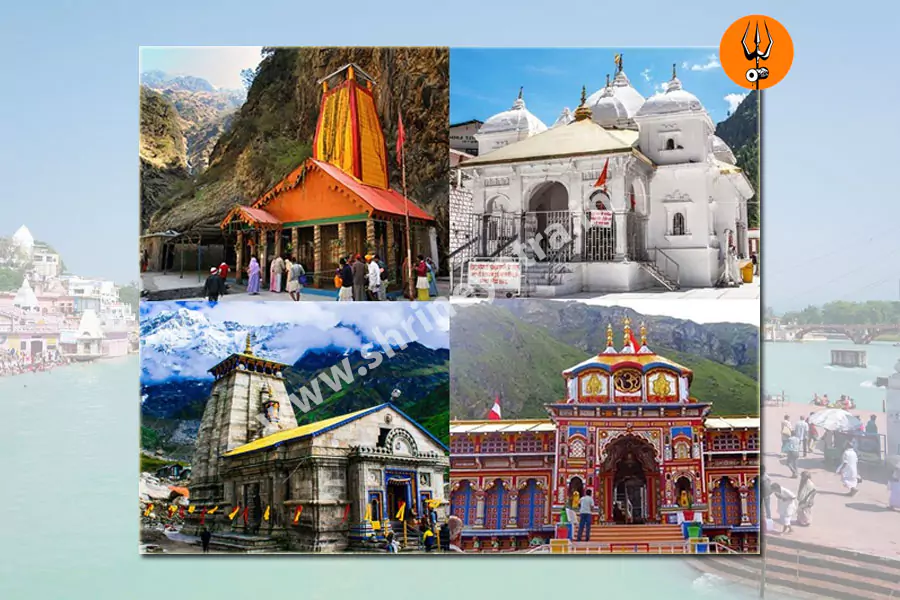
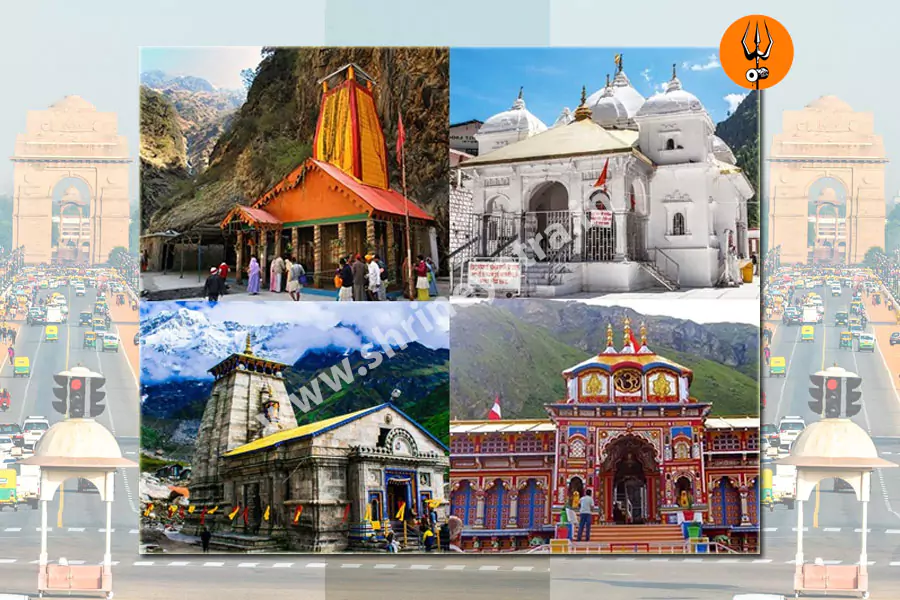
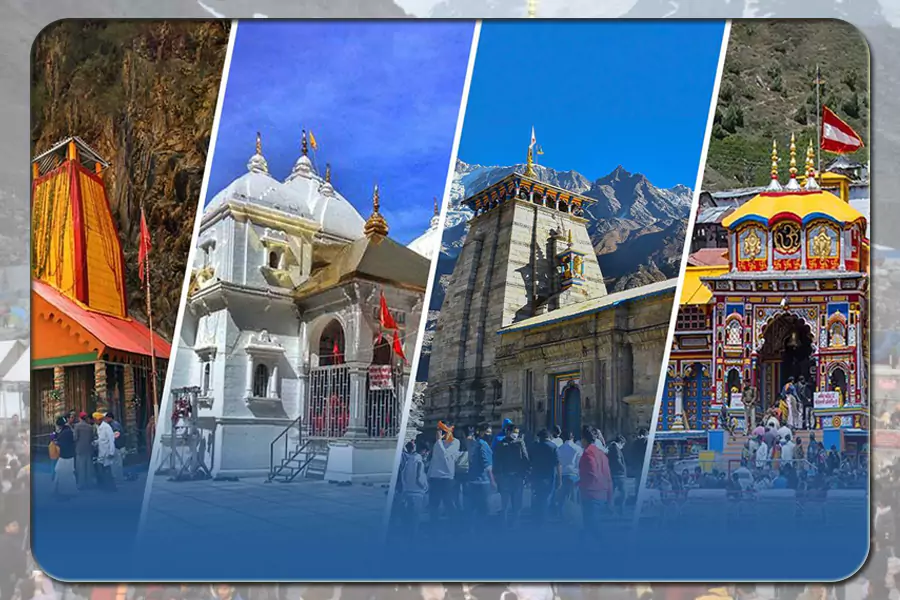
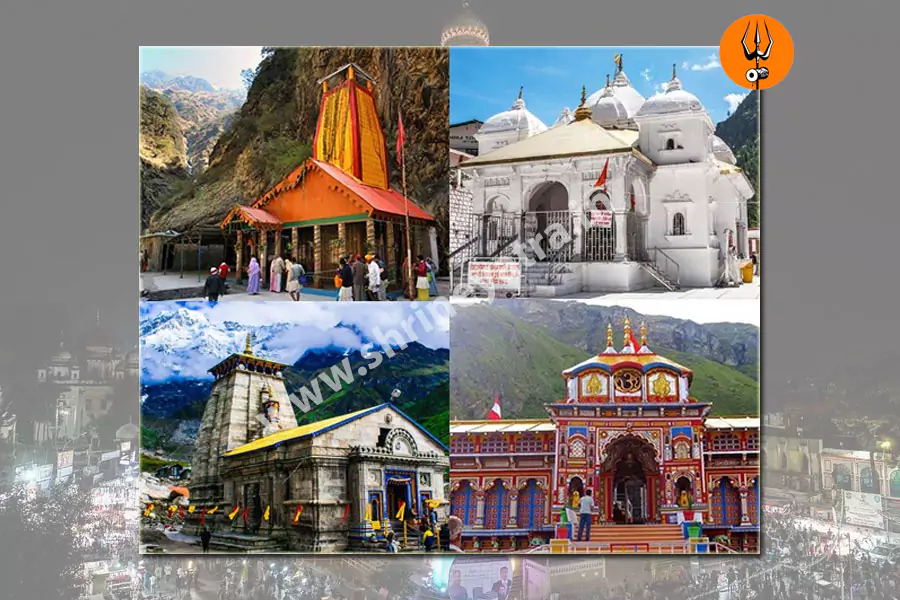
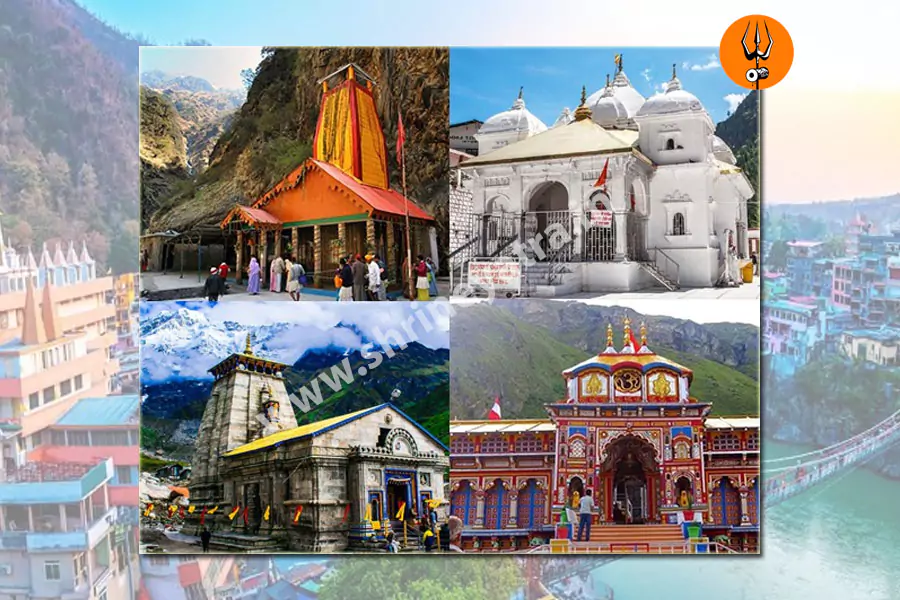
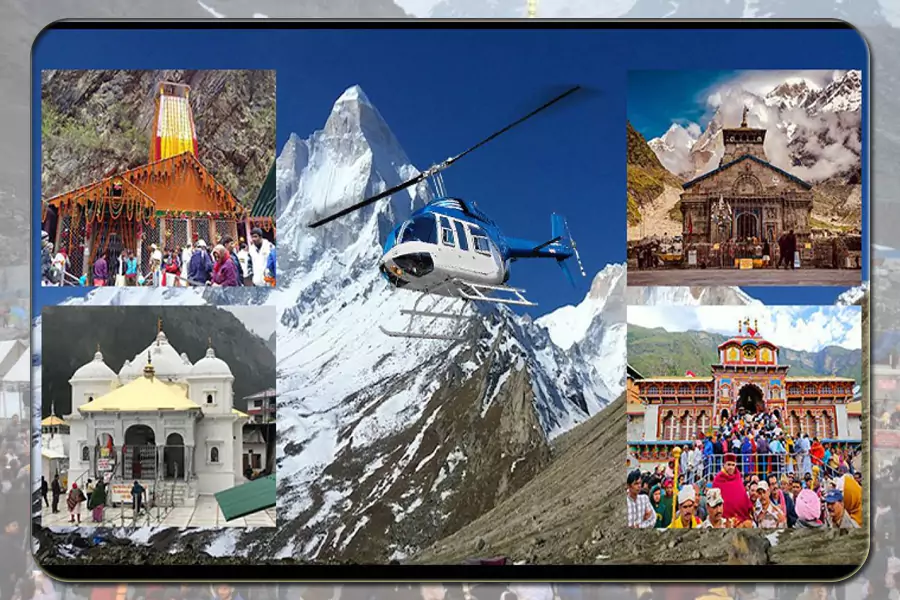
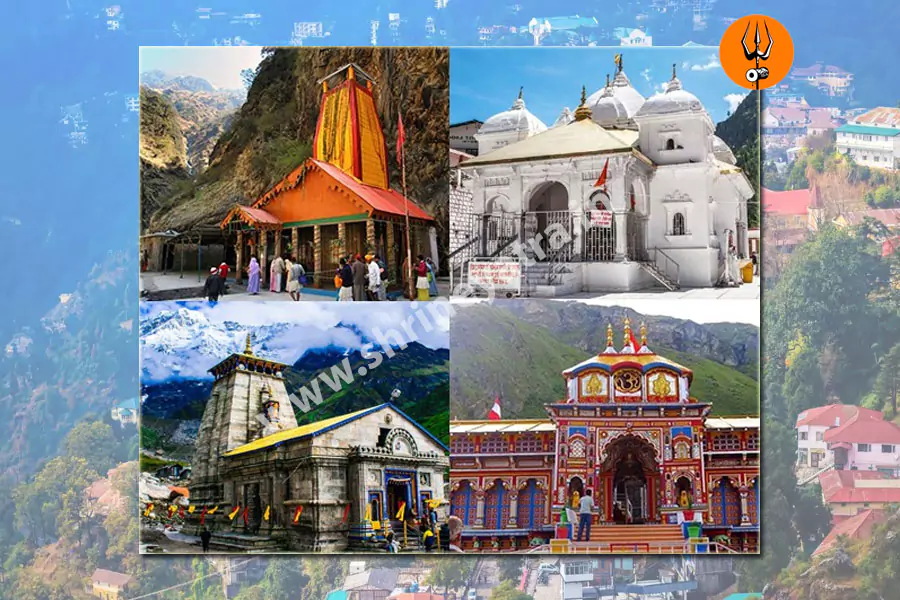
The famous Char Dham Yatra pilgrimage journey begins with a visit to Yamunotri temple, which honors the Yamuna River. Builders placed this temple right next to the Yamuna River. Some visitors walk further to find the place where the river first starts flowing.
The walk to Yamunotri temple requires some hard work. You must hike 6 km uphill starting from Jankichatti. But when you see the crystal-clear waters of the Yamuna River and look at the mountain scenery all around you, your tiredness disappears completely.
Timings: 6:00 am to 8:00 pm
06. Gangotri Temple, Uttarakhand
Gangotri Temple ranks second among the Char Dham Yatra shrines that pilgrims visit. Builders made this temple to honor the importance of the River near where she actually begins at Gaumukh glacier. The Bhagirathi, the river’s main stream, starts its journey at Gangotri. Ancient myths describe King Bhagirath as someone who prayed and did difficult practices to free his ancestors from a curse that kept them from reaching heaven. The heavenly river Ganga answered his prayers and came down to earth. Her pure waters wash away the mistakes people made in their past lives.
The Gangotri shrine sits just 4 km away from Uttarkashi. It comes second in the shrines that pilgrims visit during the Char Dham Yatra journey.
Timings: 4:00 AM to 2:00 PM and 3:00 PM to 9:00 PM
07. Dhari Devi Temple, Rudraprayag
Do you know that Dhari Devi serves as the guardian Goddess of the entire Uttarakhand state? People also call on her as the main protector of those walking the Char Dham pilgrimage path. The temple shows the powerful form of Shakti as Dhari Devi, while people worship her lower half as Kali at Kalimath. Something interesting happens here—the temple’s Goddess changes from appearing as a young girl into an old woman all in one day. This reminds people of how everything in the world changes and does not stay the same forever.
This honored Shakti Peeth sits on the pretty banks of the River Alaknanda. The river’s strong current shows the fierce power of Goddess Shakti as well. Since this temple stands on the way to Badrinath along the Rudraprayag-Srinagar road, pilgrims traveling for Char Dham bow respectfully to the Mother before they continue on their journey.
08. Kalimath, Rudraprayag
People say that the lower half of the Devi worshipped as Dhari Devi lives in the holy shrine at Kalimath. Worshippers pray to Kali using her Sri Yantra instead of a regular statue in this temple. This stands as one of the few temples, and likely the only one, where people worship Goddess Lakshmi and Goddess Saraswati together alongside Maa Kali. The village of Kalimath lies between Guptakashi and Ukhimath. Stories say that the famous Sanskrit writer Kalidas came from this very village.
Kalimath temple holds special importance as both a siddha Peeth and a Shakti Peeth. Any person who wishes to connect deeply with Shakti must visit this location.
Timings: 6 am to 12 pm, 2 to 7 pm
09. Surkanda Devi Temple, Dhanaulti
If you visit the Dhanaulti hill station, you should not skip a visit to Surkanda Devi Temple and breathe in its sacred atmosphere. Visitors reach this temple after walking about 3 km from Kadukkai, a small village nearby. This temple marks the spot where Goddess Sati’s head fell. The place rings with strong spiritual power. Mix this with the beautiful views of the hills and thick forests surrounding the temple, and you discover a wonderful place that makes both your spirit and heart feel peaceful. From the hilltop, you will see amazing views of the nearby Himalayan valleys and mountain peaks.
Timings: 7 a.m. to 5 p.m
10. Chandrabadani Devi Temple, Tehri Garhwal
Chandrabadani Devi’s temple sits on top of the powerful Chandrabadani mountain. Stories about the shrine say that Goddess Sati’s upper body fell at this location. Many tridents scattered across the ground belonged to her, according to legends. From the mountain peak, you see wonderful views of nearby mountains including Badrinath, Kedarnath, and Surkanda. The scenery looks so beautiful that visitors hate to leave this heaven-like location. The temple also stands out because it does not have a regular statue for worship. Instead, people pray to the sacred Shri Yantra. To reach this temple, you must drive to Jamnikhal, which sits 31 km from Devprayag. Then you drive another 7 km and walk uphill for 1 km before entering the sacred grounds of Chandrabadani Temple.
Timings: 6:00 am to 7:00 pm
11. Gaurikund Temple, Gaurikund
The path to Kedarnath during the Char Dham pilgrimage starts at a location called Gaurikund. This sacred ground experienced the amazing change of Uma from a simple girl who loved her beloved to Goddess Parvati, the awakened form of Shakti herself. Stories say that the Goddess performed difficult spiritual exercises at the sacred pond called Gaurikund (the entire village takes its name from this pond) to make this change happen. A cave temple for the Devi stands nearby. Another legend says that Devi Parvati created Lord Ganesha from soap bubbles at this very location. Could any place hold more holiness than this?
Timings: 4:00 AM to 9:00 PM
12. Kasar Devi Temple, Almora
For many years, artists, writers, nature lovers, and spiritual seekers have journeyed to Kasar Devi village near Almora. A Goddess temple stands in Kasar Devi village, built around the 2nd century. Many famous visitors including Swami Vivekananda, Anandamayi Ma, and Timothy Leary, together with writers like D.H. Lawrence and the author of “The Tibetan Book of the Dead,” traveled to this place because they sensed the powerful spiritual force here.
The Kasar Devi Temple sits in a location where Earth’s magnetic pull becomes very strong. Scientists at NASA have studied this place and confirmed that the magnetic power here differs from other areas. Visitors who meditate at this temple report feeling intense spiritual energy. A special meditation room in the temple lets people sit quietly and refresh their minds.
Timings: 5:00 am to 8:00 pm
13. Anusuya Devi Temple, Chamoli
You will find the lovely Anusuya Devi Temple and Atri Muni Ashram located 12 km from the town of Gopeshwar. The Temple stands surrounded by thick, green forests. A beautiful waterfall drops nearby as well. Anusuya Devi receives worship at this temple. Stories about her tell of her faithfulness to her husband—so great that even the Goddesses felt jealous. They sent their husbands to try to distract her from her dedication. When the trinity, disguised as holy men, asked Anusuya Devi to give them food while wearing light clothes, she used her spiritual powers to turn them into babies so she could feed them as a mother would. The Goddesses had to ask Anusuya Devi to change them back to their original forms as grown men. She agreed after the saint-avatar Dattatreya (who represents Brahma, Vishnu, and Mahesh) gave her a special blessing.
Timings: 5:00 am to 8:00 pm
14. Nanda Devi Temple, Munsiyari
Nature itself serves as her greatest temple. You understand this truth when you visit the simple temple built in the beautiful hill station of Munsiyari. The incredible views of the Panchachuli peaks and Gori Ganga from the mountain where the temple sits lift your heart toward the heavens. Experience her blessing inside the temple’s shrine, and in every beautiful thing she shows you!
Timings: 6:00 am to 8:00 pm
15. Jhula Devi Temple, Ranikhet
The small Jhula Devi Temple looks truly wonderful covered with thousands of bells that worshippers have attached. Devotees tie bells after the Devi answers their wishes and prayers. The area where the temple now stands once held many wild creatures. An interesting story explains how the temple came to exist. Goddess Durga appeared to a village person in a dream and told him to dig up her statue from a special spot. When he found it and dug it up, people built a temple right there. At Jhula Devi Temple, people trust that Mata Devi grants the wishes of those who pray to her.
Timings: 6:00 am to 7:00 pm
Conclusion
The Devi temples spread across Uttarakhand hold special meaning for people everywhere. Visitors discover peace, strength in their faith, and wonderful energy at these places. Each temple—like Naina Devi, Jhula Devi, or Kasar Devi—carries its own special story and importance. Pilgrims from every corner of India and visitors from nations far away come to these temples to pray, find quiet peace, and feel close to the Goddess. Rivers, mountains, and forests surround these sacred shrines, making them not just holy places but also beautiful spots to see. This is why people call Uttarakhand “Devbhoomi,” the land where the Gods make their home.