How New Temple Entry Rules for Non-Hindus Will Affect Char Dham Travel in 2026
The Char Dham stands as one of India’s most sacred pilgrimage sites. The word “Char Dham” means four holy places in the Hindi language. These four important temples sit in the beautiful Himalayan mountains of Uttarakhand state. Millions of visitors travel to these temples every year to pray and experience the spiritual energy of these ancient places.
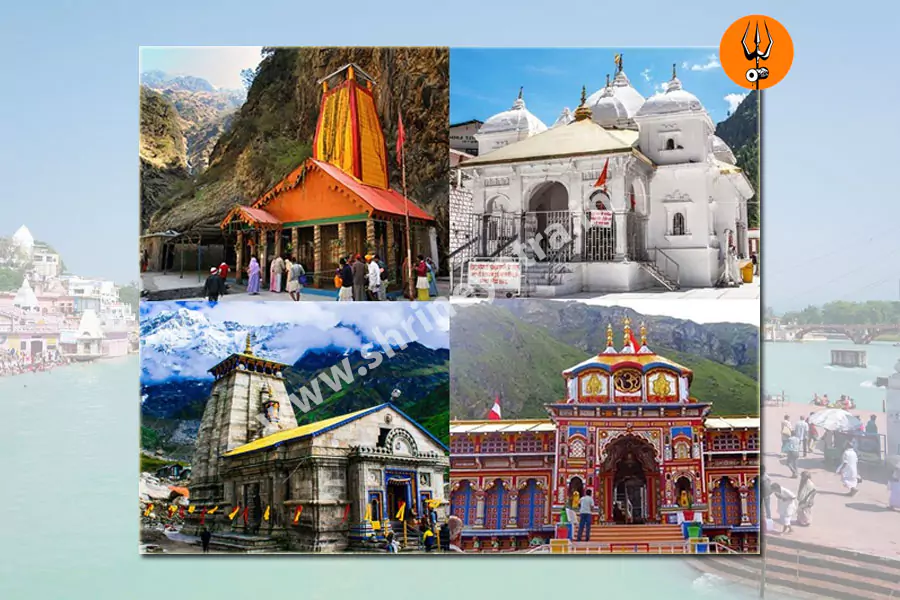
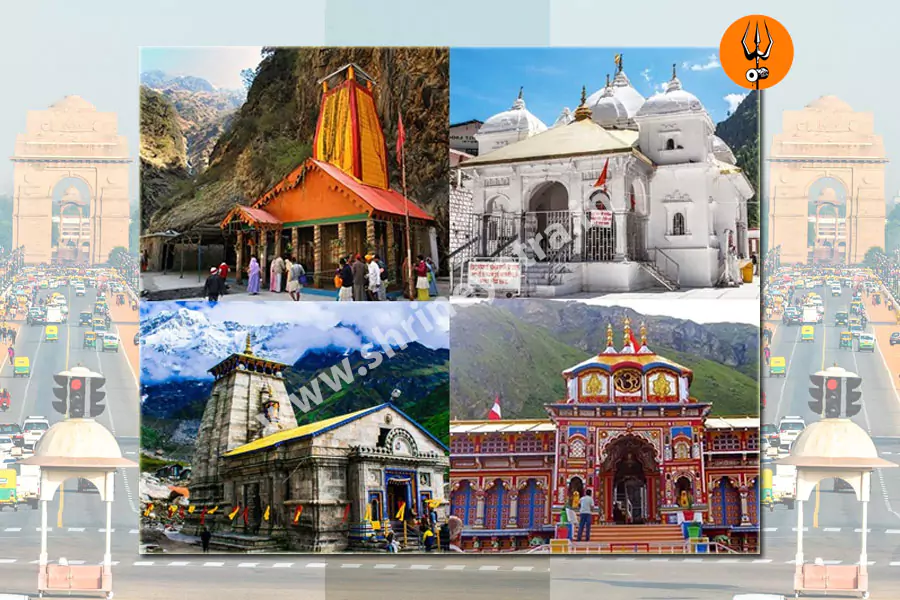
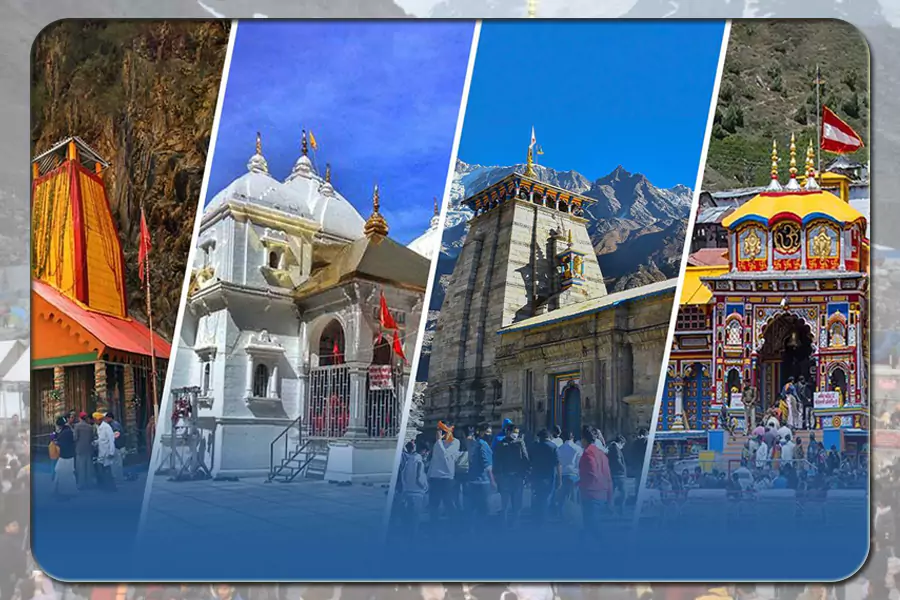
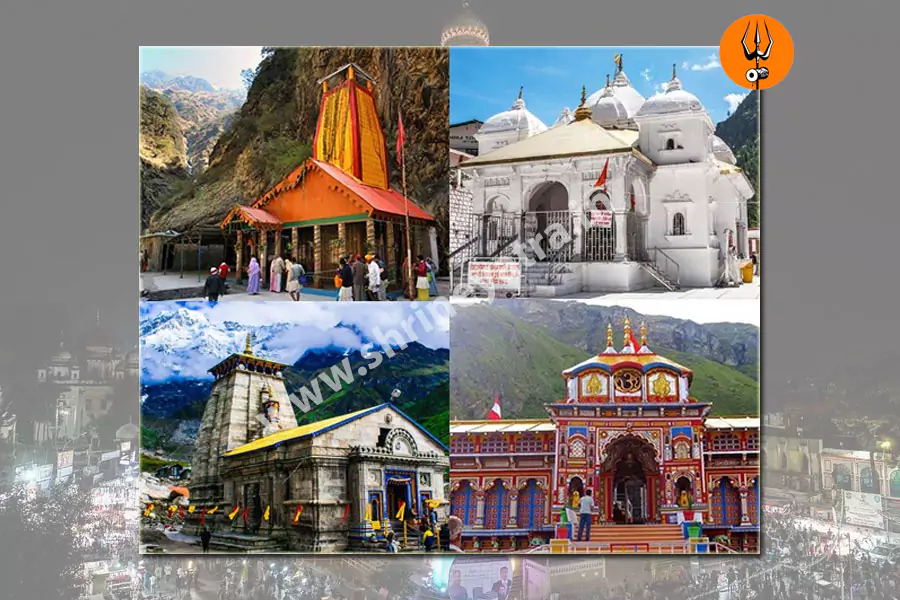
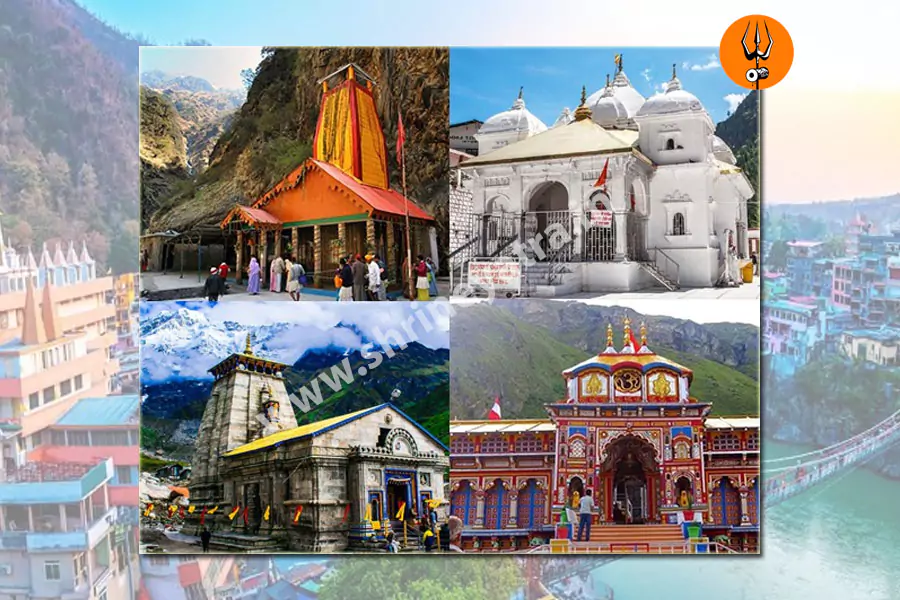
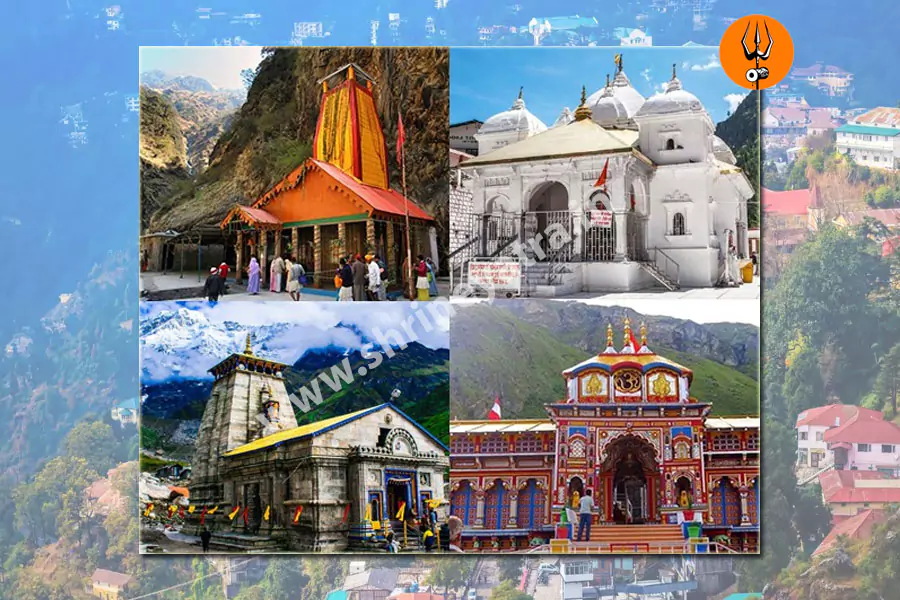
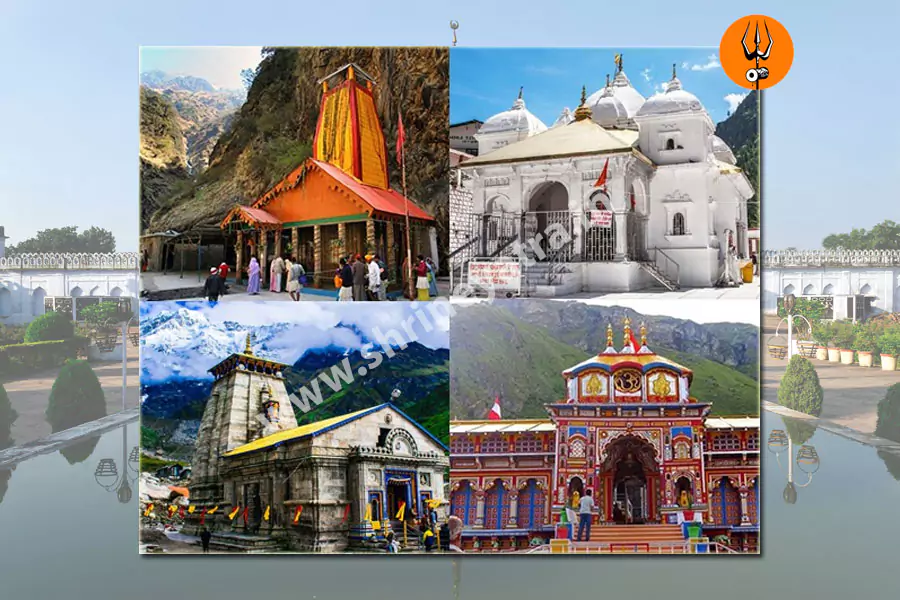
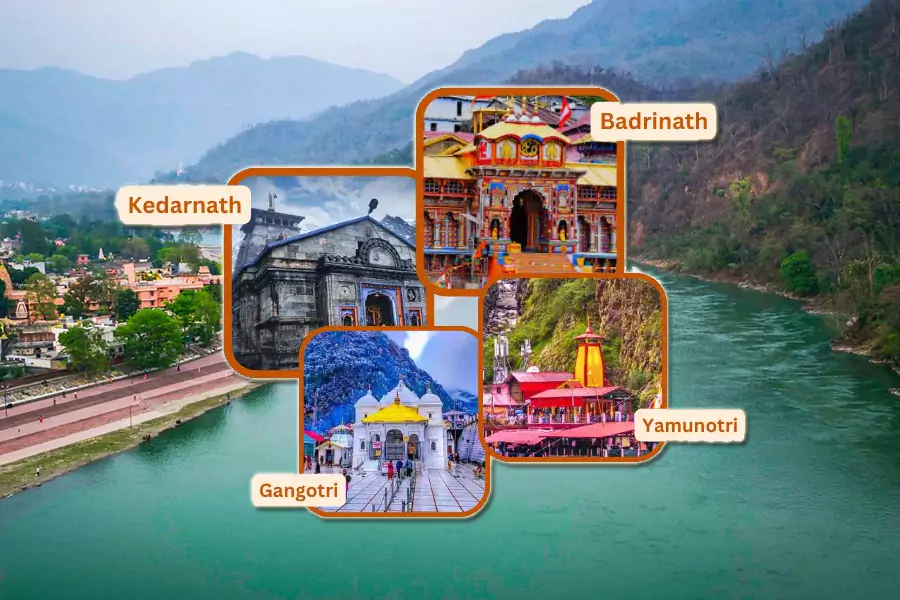
The four temples that make up the Char Dham are Badrinath, Kedarnath, Gangotri, and Yamunotri. Each temple holds special religious significance for followers of the Hindu faith. Badrinath Temple houses a famous statue of Lord Vishnu and attracts massive crowds. Kedarnath Temple stands at a high altitude and draws devoted pilgrims who climb steep mountain paths. Gangotri Temple marks the source of the sacred Ganga River. Yamunotri Temple sits near the origin of the Yamuna River.
Visitors from different religions and countries have journeyed to these temples for centuries. People travel there to appreciate the natural beauty, understand the culture, and feel connected to something greater than themselves. Families and spiritual seekers make the difficult mountain trek to reach these special places.
The New Rules Taking Effect
The group that manages the Badrinath and Kedarnath temples recently made a big announcement. The Badrinath-Kedarnath Temple Committee (BKTC) decided to change the entry rules starting in 2026. These leaders declared that visitors who follow religions other than Hinduism will no longer be able to enter these two temples.
Hemant Dwivedi, who leads the temple committee, confirmed this important decision. He explained that only people who practice the Hindu faith will receive permission to visit the Badrinath and Kedarnath temples in the future. The committee plans to vote on this proposal at their next board meeting to make it official.
This new rule will affect millions of travelers and visitors around the world. The temples will also check visitors more carefully at the entrance gates to make sure only Hindu pilgrims can pass through. Guards and staff members will ask visitors about their religious beliefs before allowing them inside.
When These Rules Begin
The temples close during winter months because of heavy snow and extreme cold in the mountains. The Badrinath Temple will reopen its doors on April 23, 2026, after staying closed for six months. Kedarnath Temple will announce its reopening date during the Maha Shivratri festival celebration. Gangotri and Yamunotri temples plan to open on April 19, 2026, which falls on the festival of Akshaya Tritiya.
These reopening dates mark when the new entry rules will officially start. Travelers who want to visit these temples must plan their trips carefully. Families that include members of different faiths will need to think about how this change affects their travel plans.
How This Affects Different Travelers
Millions of people who follow other religions will not be able to visit these temples anymore. Hindu families will still enjoy full access to all four temples. Visitors from foreign countries who don’t practice Hinduism will need to find other sacred sites to explore instead.
Tour companies that arrange trips to the Char Dham will face challenges. Many tourism businesses have guided people from all religions to these temples for many years. These companies will need to change their business plans and focus only on Hindu travelers.
The Indian government faces difficult questions about how to enforce these new rules. Officials must think about how this change affects India’s image around the world. Many countries welcome visitors of all religions to their most important places. This new rule represents a different approach that some people support and others question.
Families with members of different religions will experience disappointment and sadness. Grandparents who follow Hinduism won’t be able to share this experience with grandchildren who practice other faiths. Friends from different religious backgrounds can no longer journey together on this spiritual adventure.
Reactions from Different Groups
Religious leaders, politicians, and community members have shared mixed reactions to this announcement. Some people who follow Hinduism believe this rule honors and protects these ancient temples. They feel that limiting entry to practicing Hindus preserves the spiritual purity of these sacred spaces.
Other leaders have criticized this decision strongly. Political figures have called the rule “completely wrong” and said it goes against the values written in India’s Constitution. These critics argue that temples should welcome people of all faiths who come with respect in their hearts.
The debate raises important questions about religious freedom and inclusion. People discuss whether temples should belong to everyone or only to specific groups. This discussion happens across India and impacts how people think about religion, respect, and sharing sacred spaces.
Tourism and Travel Impact
The tourism industry in Uttarakhand will experience significant changes because of this new rule. Thousands of tour guides, hotel workers, and restaurant staff depend on pilgrims and visitors from all religions. These workers may find fewer job opportunities when visitor numbers drop.
Smaller towns near the temples rely heavily on money that visitors spend at hotels, shops, and restaurants. These communities might struggle economically if fewer people visit the area. Local businesses that depend on tourism will need to adapt and find new customers.
Travel companies that organize trips to the Char Dham must change their advertising and booking systems. Many websites currently show photos of people from different religions visiting these temples together. These companies must update their information and explain the new rules to customers around the world.
Countries that receive Indian tourists may wonder if their temples will also receive restrictions. International visitors sometimes feel hurt when they cannot access sites in other nations. This situation might make future travel between countries more complicated.
Planning Your Visits Wisely
Families should think carefully about whether they want to visit the Char Dham before or after these rules take effect. People who follow religions other than Hinduism may want to plan trips before April 2026. Those who follow Hinduism can visit anytime, but the temples will be busier during the opening months.
Hindu families should book trips early because many pilgrims will want to visit during the first season. Hotels and tour guides may run out of space quickly. Travelers should arrange transportation and accommodations several months ahead of their journey.
Visitors who don’t follow the Hindu faith should research other spiritual and cultural destinations in India. Many temples, mosques, churches, and gurudwaras welcome visitors of all religions throughout the country. Other mountains, rivers, and historical sites offer beautiful experiences for spiritual seekers.
Families with members of different religions might consider visiting other Himalayan temples or spiritual centers. India has thousands of holy places that people of all faiths can visit together. These trips can be just as meaningful and memorable as visiting the Char Dham.
Questions People Ask
Many travelers and families have questions about these new rules. People want to know exactly when the rules start and how officials will enforce them. Families ask whether young children will receive the same restrictions as adults.
Travel companies wonder whether they can appeal or challenge this decision. Some tourism workers question whether the government will support the temples financially if fewer visitors arrive. Community leaders discuss whether this rule makes sense for protecting these historic places.
Everyone wonders how this situation will develop in the future. Will other temples in India adopt similar rules? Will the government step in to change or confirm this decision? Will the rules remain in place for many years, or will leaders reconsider this approach?
These big questions affect families, businesses, and communities. People must stay informed about updates and changes to these travel rules.
Moving Forward
The Char Dham temples have welcomed visitors for centuries. These sacred places have inspired millions of people through their beauty, history, and spiritual power. The new entry rules represent an important change in how people access these temples.
Communities in Uttarakhand will adjust to this change and find new ways to welcome visitors. Tourism businesses will develop strategies to serve Hindu travelers and families. People of all religions will think deeply about what these rules mean for their country and their faith.
Travelers should plan their visits carefully and respect the decisions that temple leaders have made. Whether people support or question these new rules, everyone can appreciate the importance of these ancient temples in Indian culture and religion.
The future of travel to the Char Dham is changing. Visitors must understand these new guidelines and adjust their plans accordingly. This situation reminds everyone that rules and access to important places can change, and travelers must always stay informed and prepared.
Book here package: https://www.shrineyatra.in/chardham-yatra-package-from-haridwar