
How to Prepare Physically for Chardham Yatra?
Quick Answer: Start preparing 2-3 months before your Chardham Yatra with daily 30-45 minute walks, breathing exercises, and leg-strengthening workouts. Build stamina gradually, practice walking on inclines, and consult your doctor for a complete health checkup before departing.
Understanding the Physical Demands of Chardham Yatra
The Chardham pilgrimage tests your body in ways that regular travel never does. High altitudes, long treks, unpredictable weather, and basic facilities combine to create significant physical challenges.
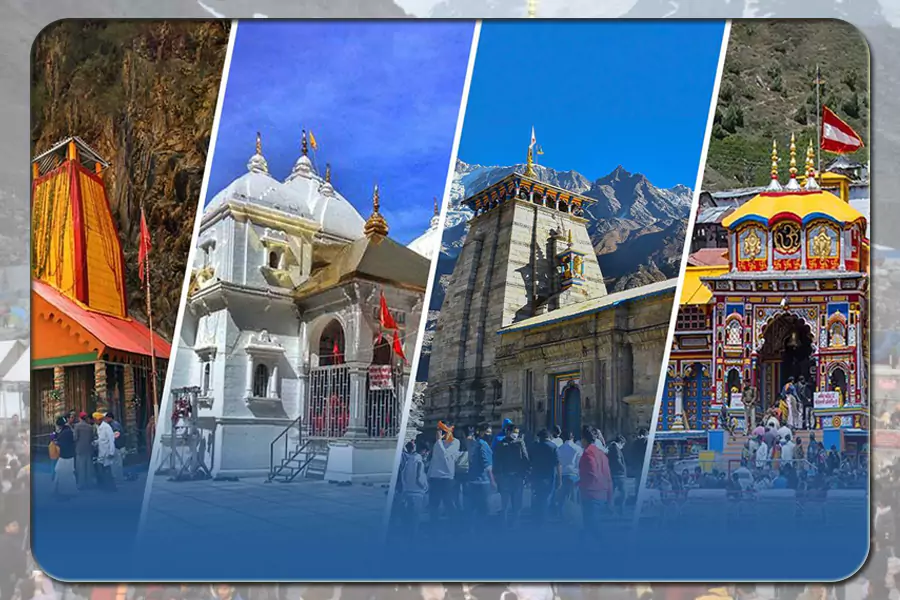
Kedarnath requires a 16-kilometer uphill trek at over 3,500 meters altitude. Yamunotri demands a 6-kilometer climb through steep mountain paths. Even the motorable shrines involve hours of winding mountain roads that can trigger motion sickness and fatigue.
Why Physical Preparation Makes the Difference
Unprepared pilgrims often struggle with altitude sickness, exhaustion, knee pain, and breathing difficulties. Many abandon the journey midway or require medical evacuation. Proper preparation transforms this demanding pilgrimage into a manageable and spiritually fulfilling experience.
Your body needs time to build cardiovascular endurance, leg strength, and lung capacity. Three months of focused training prepares you better than years of casual fitness activities.
Start Your Training Timeline
Begin preparation at least 8-12 weeks before your scheduled departure date. This timeline allows gradual fitness building without risking injury from overtraining.
Weeks 1-4: Building the Foundation
Start with 20-30 minute daily walks on flat terrain. Focus on maintaining a steady pace without stopping. Your body needs to develop basic endurance before tackling more challenging exercises.
Add simple leg exercises three times per week. Squats, lunges, and calf raises strengthen muscles that bear the load during mountain trekking. Begin with 2 sets of 10 repetitions and increase gradually.
Weeks 5-8: Increasing Intensity
Extend walking duration to 45-60 minutes daily. Find routes with mild slopes or stairs to simulate uphill climbing. Your breathing becomes labored on inclines, training your lungs for thin mountain air.
Incorporate jogging intervals if your fitness level permits. Alternate between walking and light jogging to boost cardiovascular capacity. This prepares your heart for sustained exertion at high altitudes.
Double your leg workout intensity. Progress to 3 sets of 15-20 repetitions for all exercises. Add wall sits and step-ups to target different muscle groups used during trekking.
Weeks 9-12: Peak Training Phase
Walk for 60-90 minutes daily, preferably on hilly terrain. Carry a backpack weighing 5-7 kilograms to simulate the load you will carry during the pilgrimage. This conditions your back and shoulders for sustained weight bearing.
Practice continuous uphill walking for 30-45 minutes without breaks. This mirrors the Kedarnath trek’s demands most accurately. Your legs burn and breath shortens initially, but persistence builds remarkable stamina.
Take one long walk weekly covering 10-12 kilometers with elevation changes. This full-day practice run reveals any footwear issues, chafing problems, or stamina gaps that need addressing before departure.
Essential Cardiovascular Exercises
Heart and lung fitness determines how well you handle altitude and extended physical activity. Strong cardiovascular systems deliver oxygen efficiently even when air thins at 3,000+ meters.
Walking: The Foundation Exercise
Daily walking remains the single most important preparation activity. Walk briskly enough to raise your heart rate but maintain the ability to hold a conversation. This “conversational pace” builds endurance without exhausting you.
Vary your routes to include flat roads, stairs, and slopes. Urban pilgrims can use building staircases, climbing 10-15 floors daily to strengthen legs and lungs simultaneously.
Swimming for Full-Body Conditioning
Swimming develops lung capacity exceptionally well. The controlled breathing required during swimming trains your body to use oxygen efficiently. Swim 30-40 minutes three times weekly if pool access permits.
Swimming also provides low-impact cardio that protects joints from the pounding that running delivers. Older pilgrims particularly benefit from this gentler conditioning method.
Cycling for Leg Strength and Stamina
Cycling builds powerful leg muscles while improving cardiovascular fitness. Ride for 45-60 minutes on varied terrain, incorporating hills whenever possible. The sustained leg work mirrors trekking demands closely.
Stationary bikes work equally well for those without safe outdoor cycling routes. Adjust resistance settings to simulate uphill riding and challenge yourself progressively.
Leg-Strengthening Workouts
Your legs carry you through every step of the Chardham Yatra. Strong leg muscles prevent injuries, reduce fatigue, and make steep climbs manageable.
Squats: The Complete Lower Body Exercise
Squats strengthen thighs, glutes, and core muscles simultaneously. Stand with feet shoulder-width apart, lower your body as if sitting in a chair, then return to standing position.
Start with bodyweight squats, performing 3 sets of 15 repetitions. Progress to holding dumbbells or water bottles for added resistance. Focus on proper form over speed to prevent knee injuries.
Lunges: Building Balance and Strength
Lunges develop single-leg strength and balance crucial for uneven mountain trails. Step forward with one leg, lowering your back knee toward the ground, then return to standing position.
Perform walking lunges covering 20-30 steps per set. This dynamic movement pattern closely resembles the alternating leg work required during trekking.
Calf Raises: Preventing Ankle Fatigue
Strong calves stabilize ankles on rocky paths and reduce strain during downhill walking. Stand on a step with heels hanging off the edge, rise onto your toes, then lower slowly.
Complete 3 sets of 20 repetitions daily. This simple exercise prevents the burning calf pain that plagues many pilgrims during long descent sections.
Step-Ups: Simulating Uphill Climbing
Find a sturdy bench or box 30-40 centimeters high. Step up with one leg, bring the other leg up, then step down. Repeat for 3 sets of 15 repetitions per leg.
This exercise directly mimics the repeated stepping motion of uphill trekking. Add a backpack for increased difficulty as your departure date approaches.
Breathing Exercises for Altitude Preparation
Thin mountain air contains less oxygen than plains regions. Training your lungs to function efficiently with reduced oxygen helps prevent altitude sickness dramatically.
Pranayama: Ancient Breathing Techniques
Practice Anulom Vilom (alternate nostril breathing) for 10-15 minutes daily. This yogic breathing technique expands lung capacity and improves oxygen absorption efficiency.
Sit comfortably, close your right nostril, inhale deeply through the left nostril, then close the left nostril and exhale through the right. Repeat this cycle rhythmically for maximum benefit.
Deep Breathing Exercises
Lie flat on your back with one hand on your chest and another on your belly. Breathe deeply so your belly rises while your chest remains relatively still. This diaphragmatic breathing maximizes oxygen intake.
Practice 5 minutes of deep breathing three times daily. This trains your body to breathe correctly under stress, reducing the panic that altitude-induced breathlessness can trigger.
Breath-Holding Practice
After exhaling completely, hold your breath for as long as comfortable. This exercise increases your tolerance for reduced oxygen availability. Start with 20-30 second holds and gradually increase duration.
Never push yourself to discomfort during breath-holding. The goal involves gentle conditioning, not extreme challenges that might cause dizziness or fainting.
Flexibility and Stretching Routines
Flexible muscles and joints reduce injury risk on uneven mountain terrain. Daily stretching prevents the muscle soreness that extended walking causes.
Morning Stretching Sequence
Dedicate 10-15 minutes each morning to full-body stretching. Focus on hamstrings, quadriceps, hip flexors, and calf muscles that work hardest during trekking.
Hold each stretch for 20-30 seconds without bouncing. Breathe deeply into the stretch, allowing muscles to release tension gradually. Rushing through stretches reduces their effectiveness significantly.
Yoga for Overall Flexibility
Yoga combines flexibility, strength, and breathing practice perfectly suited for pilgrimage preparation. Practice basic poses like Downward Dog, Warrior poses, and Triangle pose three times weekly.
Even 20 minutes of simple yoga sessions build the core strength and balance that technical mountain paths demand. Many pilgrims discover yoga benefits extend far beyond physical preparation.
Post-Walk Stretching
Always stretch after your training walks. Warm muscles stretch more safely and effectively than cold ones. Focus extra attention on any areas feeling tight or sore.
This cooldown routine prevents next-day stiffness and accelerates recovery between training sessions. Consistency matters more than intensity in stretching practice.
Weight Management for Easier Trekking
Excess body weight significantly increases the difficulty of uphill trekking and altitude adjustment. Every extra kilogram multiplies the energy demands placed on your heart and legs.
Setting Realistic Weight Goals
Calculate your Body Mass Index (BMI) and aim for the healthy range of 18.5-24.9. Losing even 5-10 kilograms before the pilgrimage makes a noticeable difference in your trekking experience.
Create a modest calorie deficit through increased exercise and reduced portion sizes. Extreme dieting weakens your body when you need strength building instead.
Nutrition for Training and Weight Management
Eat balanced meals rich in whole grains, lean proteins, fresh vegetables, and fruits. These foods provide sustained energy for training while supporting gradual weight loss.
Reduce processed foods, sugary snacks, and fried items that add empty calories without nutritional value. Stay hydrated throughout your training period to support metabolism and recovery.
Building Mental Toughness
Physical preparation alone does not guarantee success. Mental resilience helps you push through difficult moments when your body wants to quit.
Visualization Techniques
Spend 10 minutes daily visualizing yourself completing challenging sections of the pilgrimage. Imagine climbing steadily toward Kedarnath, breathing rhythmically, and reaching the shrine successfully.
This mental rehearsal builds confidence and prepares your mind for the sustained effort required. Athletes use visualization extensively because it genuinely improves performance.
Embracing Discomfort During Training
Resist the urge to stop whenever training becomes uncomfortable. Push slightly beyond your comfort zone regularly to expand your physical and mental limits.
This controlled exposure to difficulty teaches your brain that discomfort passes and you can handle more than you think. This mindset proves invaluable during the actual pilgrimage.
Health Checkup and Medical Clearance
Schedule a comprehensive medical examination 6-8 weeks before departure. This provides time to address any health issues discovered during testing.
Essential Medical Tests
Request complete blood count, blood sugar, lipid profile, kidney function, and liver function tests. These reveal underlying conditions that might cause problems at high altitudes.
Get an electrocardiogram (ECG) to check heart health. Cardiac issues become dangerous in mountains where medical facilities remain basic and evacuations take hours.
Check blood pressure regularly if you have hypertension. High-altitude conditions can affect blood pressure unpredictably, requiring medication adjustments.
Consulting Specialists
Visit a cardiologist if you have any heart-related concerns or are over 50 years old. Mountains stress cardiovascular systems significantly, making professional clearance essential.
Orthopedic consultation benefits those with knee, hip, or back problems. A specialist can recommend specific exercises or braces that enable safer trekking despite existing issues.
Pulmonologists should evaluate anyone with asthma, chronic bronchitis, or other respiratory conditions. Altitude exacerbates breathing problems, requiring careful planning and medication adjustments.
Medication and Supplement Preparation
Certain medications help prevent altitude sickness and manage common pilgrimage ailments. Consult your doctor about appropriate options.
Altitude Sickness Prevention
Acetazolamide (Diamox) helps prevent acute mountain sickness when taken before reaching high altitudes. Discuss dosing schedules with your doctor based on your planned itinerary.
Some doctors recommend starting Diamox one day before reaching altitude and continuing for the first few days at elevation. Side effects include increased urination and tingling sensations.
Iron and Vitamin Supplements
Iron supplementation improves oxygen-carrying capacity, helping your body cope with reduced oxygen at altitude. Start iron supplements 4-6 weeks before departure if your doctor recommends them.
Vitamin B complex supports energy metabolism during sustained physical activity. Multivitamins ensure adequate micronutrient intake when eating unfamiliar foods during the pilgrimage.
Footwear Selection and Breaking In
Proper trekking shoes prevent blisters, provide ankle support, and protect feet during long mountain walks. Never attempt the Chardham Yatra in new or unsuitable footwear.
Choosing the Right Trekking Shoes
Select waterproof trekking shoes with good ankle support and aggressive tread patterns. Visit specialized outdoor stores where staff can assess your foot type and recommend appropriate options.
Shoes should fit snugly but allow wiggle room for toes. Your feet swell during long walks, so shoes that fit perfectly in the store may feel tight after hours of trekking.
Breaking In Your Footwear
Wear new trekking shoes during all training walks for at least 4-6 weeks before departure. This molds the shoes to your feet and reveals any fit problems before they cause blisters on the pilgrimage.
Walk in your trekking shoes with the socks you plan to use during the Yatra. The shoe-sock combination needs breaking in together for optimal comfort.
Training in Different Weather Conditions
Mountain weather changes rapidly, exposing you to rain, cold, and intense sun within single days. Train in various weather conditions to prepare your body for these variations.
Cold Weather Conditioning
Take training walks during early morning hours when temperatures remain cool. This acclimates your body to functioning well in cold mountain environments.
Practice layering clothing during training. Learn which combinations keep you comfortable during exertion without overheating or getting chilled when you stop moving.
Rain Walking Practice
Walk deliberately during rainy days rather than skipping training. Wet conditions test your footwear, reveal clothing weaknesses, and build mental toughness for challenging weather.
Mountain trails become slippery during rain. Practicing careful foot placement on wet surfaces reduces fall risk during the actual pilgrimage.
Special Considerations for Different Age Groups
Physical preparation needs vary based on age, fitness level, and existing health conditions. Tailor your training program accordingly.
Preparation for Seniors (60+ Years)
Older pilgrims need longer preparation periods, ideally 4-5 months. Focus on gentle, consistent training rather than high-intensity workouts that risk injury.
Walking remains the core exercise, supplemented with chair-based leg strengthening and gentle yoga. Swimming provides excellent low-impact conditioning for joints sensitive to running or jumping.
Consider hiring ponies or palanquins for the Kedarnath trek if the 16-kilometer walk seems overwhelming. No shame exists in using available assistance to complete your spiritual journey safely.
Training for Younger Pilgrims
People under 40 with reasonable baseline fitness can prepare effectively in 6-8 weeks. Higher intensity training builds strength and stamina quickly in younger bodies.
Include hill sprints, trail running, and weighted backpack training. Challenge yourself more aggressively than older pilgrims to build robust fitness reserves.
Preparation During Pregnancy
Pregnant women should consult obstetricians before attempting Chardham Yatra. High altitude poses risks to both mother and baby, making this pilgrimage inadvisable during pregnancy for most women.
If medical clearance is obtained, limit physical exertion significantly and consider helicopter services that eliminate trekking requirements entirely.
Practice Treks Before Departure
Schedule one or two full-day practice treks 2-3 weeks before departure. Choose local hills or nature trails that simulate pilgrimage conditions.
What Practice Treks Reveal
These trial runs expose footwear problems, inappropriate clothing choices, and fitness gaps while you still have time to address them. Blisters discovered on practice treks save you from suffering them during the actual pilgrimage.
Test your backpack loading strategy. Experiment with weight distribution and pack organization to find the most comfortable configuration for extended carrying.
Practice your eating and hydration schedule. Discover what foods settle well during activity and how much water you need to maintain energy levels.
Final Week Preparation
Reduce training intensity during the final week before departure. Your body needs recovery time to arrive at the pilgrimage fresh rather than exhausted from training.
Tapering Exercise Volume
Cut training duration by 50% during the week before leaving. Take short, gentle walks to maintain mobility without accumulating fatigue. Trust that the fitness you built over previous months will carry you through.
Focus on stretching, rest, and proper nutrition during this recovery week. Sleep 7-8 hours nightly to ensure complete physical and mental readiness.
Last-Minute Health Checks
Monitor your health carefully during the final week. Address any emerging cold, cough, or digestive issues immediately before they worsen during travel.
Stop eating heavy, spicy, or unfamiliar foods three days before departure. Keep digestion smooth and predictable to avoid stomach problems when you reach the mountains.
Packing Your Medical Kit
Assemble a comprehensive first-aid kit containing medications for common ailments encountered during mountain pilgrimages.
Essential Medications to Carry
Pain relievers like ibuprofen or paracetamol for headaches and muscle soreness. Motion sickness tablets for winding mountain roads. Anti-diarrheal medication for upset stomachs.
Carry altitude sickness medication prescribed by your doctor. Include any personal prescription medications in original packaging with extra supplies beyond your planned duration.
Pack antiseptic cream, bandages, blister treatment supplies, and muscle pain relief gel. These items address minor injuries before they become major problems.
Realistic Expectations and Backup Plans
Even perfect preparation cannot guarantee problem-free pilgrimage experiences. Weather, road conditions, or unexpected health issues may require itinerary adjustments.
Knowing When to Stop
Listen to your body throughout the pilgrimage. Severe headaches, extreme breathlessness, or chest pain signal serious problems requiring immediate attention and possible descent.
No shrine visit justifies risking your life or permanent health damage. Spiritual merit comes from sincere effort, not from pushing beyond safe limits when your body sends clear warning signals.
Alternative Options for Completing the Yatra
Pony and palanquin services operate on all trekking routes. Using these services allows pilgrimage completion for those unable to walk entire distances.
Helicopter services reach all four shrines, eliminating trekking requirements completely. While expensive, these flights make the Yatra accessible for people with physical limitations.
Summary: Your Preparation Checklist
Start training 2-3 months before departure with daily walks and leg strengthening exercises. Build gradually to 60-90 minute walks on varied terrain while carrying a loaded backpack.
Practice breathing exercises daily to improve lung capacity for high-altitude conditions. Include regular stretching and flexibility work to prevent injuries.
Schedule complete medical checkups and get clearance from specialists if you have existing health conditions. Break in trekking shoes thoroughly during training walks.
Complete one or two practice treks before departure. Reduce training intensity during the final week to arrive fresh and energized.
Pack appropriate medications and maintain realistic expectations about your physical capabilities. Remember that proper preparation transforms the challenging Chardham Yatra into an achievable and deeply rewarding spiritual journey.