
Amarnath Yatra 2026 – Everything You Need to Know Before You Go
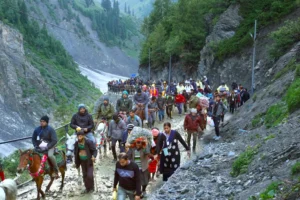
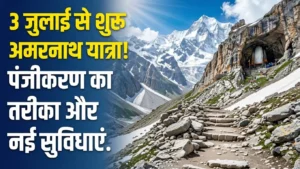
Every year, thousands of devoted pilgrims walk through the snow-covered mountains of Kashmir to reach one of the most sacred shrines in India – the Amarnath Cave. The Amarnath Yatra 2026 gives devotees a wonderful chance to seek the blessings of Lord Shiva and witness the miracle of a naturally formed ice Shivalinga. This holy journey takes place high up in the Himalayan mountains at an altitude of about 12,756 feet. Whether you are a first-time visitor or a returning pilgrim, this guide covers everything you need to know about the Amarnath Yatra 2026 — from important dates and registration to routes, packing tips, and safety rules.
What is Amarnath Yatra?
The Amarnath Yatra is a deeply spiritual pilgrimage that millions of Hindus undertake every year. Pilgrims travel to the Amarnath Cave, located in the Kashmir Himalayas, to see a naturally forming ice Shivalinga — an image of Lord Shiva made entirely of ice. This ice Shivalinga grows and shrinks with the phases of the moon, which makes it truly magical and divine.
Devotees believe that visiting this holy cave washes away all sins and brings great peace and blessings into their lives. The cave also holds a special place in Hindu mythology, as it is believed that Lord Shiva revealed the secret of immortality to Goddess Parvati at this very spot.
Amarnath Yatra 2026 Dates
The Amarnath Yatra 2026 is scheduled to begin on July 1, 2026, and conclude on August 28, 2026, coinciding with the auspicious festival of Raksha Bandhan. The Yatra begins on the auspicious day of Skanda Shashti as per the Hindu calendar and concludes on Shravan Purnima, which falls on Raksha Bandhan. The entire Yatra lasts approximately 45 to 47 days, giving pilgrims enough time to plan and complete their journey comfortably.
Here is a quick look at the important dates:
- Yatra Start Date: July 1, 2026
- Yatra End Date: August 28, 2026
- Registration Start: April 14, 2026
- Total Duration: Approx. 45–47 days
Amarnath Yatra 2026 Registration
Registration is the most important step before starting the Amarnath Yatra. Registration is mandatory and operates on a first-come, first-served basis. Without a valid registration permit, no pilgrim can enter the Yatra route. So pilgrims must complete their registration well in advance to secure their preferred travel date.
Who Can Register?
- Persons with age below 13 years and above 70 years are not allowed
- Pregnant women with more than 6 weeks of pregnancy are not allowed
- All other healthy individuals between 13 and 70 years of age can apply for registration
Online Registration Process
Pilgrims can register from the comfort of their home by following these simple steps:
- Visit the official website of the Shri Amarnathji Shrine Board (SASB) at jksasb.nic.in
- Click on “Yatra Permit Registration” under Online Services
- Read the guidelines carefully and agree to the terms
- Fill in your full name, date of birth, gender, mobile number, email ID, and address
- Upload your Compulsory Health Certificate (CHC), a valid photo ID, and a passport-size photograph
- Select your preferred route — Pahalgam or Baltal — and choose your travel date
- Pay the registration fee of approximately ₹220 using UPI, debit card, or net banking
- Download your Yatra Registration Confirmation Slip
Offline Registration Process
For offline registration, you need to pay a fee of Rs.220 per person. You can make the offline registrations through Jammu & Kashmir Bank, Punjab National Bank, State Bank of India (SBI) and YES Bank at any of the branches across India.
Documents Required for Registration
Every pilgrim must carry these essential documents at the time of registration:
- Compulsory Health Certificate (CHC) — issued by an SASB-authorized doctor or hospital
- Valid Government Photo ID — Aadhaar card, passport, voter ID, or driving license
- Passport-size Photographs — 2 to 4 recent photographs against a light background
- Mobile Number — for OTP verification during online registration
Note: Read in the details about how to register for Amarnath?
What is a Compulsory Health Certificate (CHC)?
The Amarnath Cave sits at a very high altitude where the air is thin and the temperature drops very low. To make sure every pilgrim stays safe, the SASB makes it mandatory for all pilgrims to carry a Compulsory Health Certificate (CHC).
A CHC ensures a pilgrim is not suffering from a serious health condition which can be life-threatening at high altitudes. Your registration gets rejected if you don’t have a valid CHC.
The CHC can only be issued by SASB-authorised hospitals or medical institutions. One obtained from private clinics or family doctors is considered invalid. Pilgrims must visit the official SASB website to find the list of authorized hospitals in their state.
Daily Pilgrim Limit for Amarnath Yatra 2026
The Shri Amarnathji Shrine Board puts a limit on the number of pilgrims allowed each day to ensure safety and avoid overcrowding on the mountain trails. 7,500 pilgrims would be allowed to register for Shri Amarnath Yatra 2026 per day per route. This means the Pahalgam-Chandanwari Track and the Sonamarg-Baltal Track would each be allowed to have 7,500 registrations for pilgrims each day. This limit is separate from those who travel by helicopter.
Routes to Amarnath Cave
Two main routes lead devotees to the holy Amarnath Cave. Pilgrims can choose either route based on their fitness level and personal preference.
1. Pahalgam Route (Traditional Route)
The Pahalgam route is the longer and more traditional path to the Amarnath Cave. While longer, it offers a gentler and more scenic walk. Pilgrims pass through beautiful meadows, sparkling rivers, and snow-covered landscapes. This route passes through Chandanwari base camp, the stunning Sheshnag Lake, and the Panchtarni camp before reaching the cave. Most first-time pilgrims and senior citizens prefer this route.
2. Baltal Route (Shorter Route)
The Baltal route covers about 14 km and takes pilgrims directly to the cave in a shorter time. However, the path is steep and physically challenging. The trek is not just about religion — it’s an adventure filled with breathtaking landscapes, spiritual vibes, and a once-in-a-lifetime kind of experience. Young and physically fit pilgrims usually prefer the Baltal route.
Helicopter Services
Pilgrims who find trekking difficult can also book a helicopter service from both the Pahalgam and Baltal routes. The helicopter takes pilgrims to Panjtarni, which is close to the cave, saving time and physical effort. However, helicopter tickets must be booked separately through the official SASB portal or authorized operators.
RFID Card — Your Travel Identity
Every registered pilgrim receives an RFID (Radio Frequency Identification) Card at the start of the Yatra. Pilgrims must complete registration through the Shri Amarnathji Shrine Board portal and obtain an RFID Card, which serves both as ID and tracking device. This card helps authorities track each pilgrim’s location and respond quickly in case of any emergency.
What to Pack for Amarnath Yatra 2026
Packing the right things makes a huge difference on this high-altitude journey. Here is a simple packing checklist for pilgrims:
Clothing and Gear:
- Thick woolen clothes and thermal inners
- Waterproof rain jacket or poncho
- Strong, comfortable trekking shoes with a good grip
- Warm socks, gloves, and a woolen cap
- Sunglasses to protect eyes from snow glare
Food and Health Supplies:
- Light snacks like dry fruits, energy bars, and biscuits
- A water bottle (drink at least 5 liters of fluids per day)
- A basic first-aid kit with medicines for altitude sickness, fever, and pain
- Walking stick or trekking pole for support
Important Documents:
- Yatra registration permit
- RFID card
- Original government photo ID
- Compulsory Health Certificate (CHC)
Food Rules During Amarnath Yatra 2026
The SASB has set strict food guidelines to keep pilgrims healthy during the Yatra. Pilgrims are encouraged to eat light, sattvik (pure vegetarian) meals that are easy to digest and suitable for high-altitude exertion. The Yatra routes have many free food stalls called Langars run by volunteers and religious organizations. These langars serve hot vegetarian meals to all pilgrims free of cost.
Non-vegetarian food, alcohol, and tobacco products are completely banned on the Yatra routes. Pilgrims must respect these rules to maintain the sanctity of the pilgrimage.
Health and Safety Tips for Amarnath Yatra 2026
The mountains of Kashmir are beautiful, but they also demand respect and careful preparation. Here are some important health and safety tips every pilgrim must follow:
Before the Yatra:
- Start a preparatory morning/evening walk, about 4–5 km per day, at least a month prior to the Yatra
- Practice deep breathing exercises and yoga, especially pranayama, to improve your body’s oxygen efficiency
- Get a full medical check-up and obtain your CHC from an authorized doctor
During the Yatra:
- Drink lots of water to combat dehydration and headaches — about 5 litres of fluid per day
- Consume plenty of carbohydrates to reduce fatigue and maintain energy levels
- Walk slowly and take regular rest breaks to let your body adjust to the high altitude
- Never walk alone — always stay with your group
- Descend immediately to a lower elevation if you start having altitude illness symptoms
- In case of any signs of High Altitude Sickness or any other discomfort, immediately contact the nearest medical facility located at every 2 km
Things to Avoid:
- Don’t drink alcohol, caffeinated drinks, or smoke
- Do not use plastic bags — plastic use is strictly banned in the region and is punishable by law
- Do not ignore warning signs from your body. Rest when needed
- Do not register through unauthorized agents
How to Reach the Base Camps?
Most pilgrims start their Amarnath Yatra journey from Jammu, which is the main gateway city.
From Jammu to Pahalgam: Pilgrims travel by road from Jammu to Pahalgam, which takes approximately 5 to 6 hours. From Pahalgam, the trek to the cave begins.
From Jammu to Baltal (via Srinagar): Pilgrims travel from Jammu to Srinagar and then onwards to Sonamarg and Baltal by road. From Baltal, the shorter but steeper trek begins.
Trains and flights connect many major cities in India to Jammu. Pilgrims traveling from Delhi, Mumbai, or other big cities can book trains to Jammu Tawi railway station and then travel by road to the base camp.
Note: Read in the details about how to reach Amarnath Cave?
Types of Registration Available
The SASB offers three types of registration to serve pilgrims with different needs:
Individual Registration: This registration is meant for solo travelers or groups of fewer than 10 people. Each person must submit their own documents and health certificate.
Group Registration: Groups of 10 or more people can register together under group registration. This makes the process easier for large families and organized pilgrimage groups.
NRI Registration: Non-Resident Indians who plan to travel from abroad to attend the Amarnath Yatra can register under this special category with their valid foreign travel documents.
Spiritual Significance of Amarnath Yatra
The Amarnath Yatra holds a very special place in Hindu religion and culture. The legend of Amarnath recounts Lord Shiva revealing cosmic secrets in the cave. Pilgrims chant “Bam Bam Bhole” in devotion.
The ice Shivalinga inside the cave forms completely naturally without any human effort. It grows larger during the waxing phase of the moon and shrinks during the waning phase. The Holy Cave Shrine of Shri Amarnathji has the devout flock in the month of Shravan (July–August), where the image of Lord Shiva in the form of a Lingam is formed naturally of ice as a stalagmite, and which waxes and wanes with the moon.
Many pilgrims say that the moment they see the ice Shivalinga, they feel an overwhelming sense of peace and spiritual connection. The journey itself — through rivers, meadows, and mountains — feels like a moving prayer.
Important Tips for First-Time Pilgrims
If you plan to attend the Amarnath Yatra 2026 for the first time, keep these tips in mind:
- Register early — slots fill up very fast, especially for popular dates in early July when the ice Shivalinga is at its largest
- Choose the Pahalgam route if you are a senior citizen, first-timer, or someone who wants a gentle and scenic trek
- Train your body at least one month before the Yatra by walking 4–5 km every day
- Carry warm clothes even if the weather seems mild — mountain temperatures drop very sharply at night and during rain
- Respect the rules set by the SASB regarding food, plastic use, and safety protocols
- Book travel and accommodation early as hotels and transport fill up quickly during the Yatra season
- Download the official SASB app to get real-time updates, weather alerts, and emergency contact information
Note: Do’s and Don’ts for Amarnath Yatra 2026: Complete Guide
Frequently Asked Questions (FAQs) About Amarnath Yatra 2026
Q: When does the Amarnath Yatra 2026 start and end?
A: The Amarnath Yatra 2026 starts on July 1, 2026, and ends on August 28, 2026.
Q: When does registration open for Amarnath Yatra 2026?
A: Registration opens on April 14, 2026, and closes based on slot availability.
Q: What is the age limit for Amarnath Yatra 2026?
A: Only pilgrims between 13 years and 70 years of age can participate.
Q: Can pregnant women attend the Amarnath Yatra?
A: No, pregnant women — especially those with more than 6 weeks of pregnancy — cannot attend the Yatra.
Q: How much does registration cost?
A: The registration fee is approximately ₹220 per person.
Q: How many pilgrims can register per day?
A: 7,500 pilgrims can register per day per route (Pahalgam and Baltal routes separately), excluding helicopter travelers.
Q: Is helicopter service available for Amarnath Yatra 2026?
A: Yes, helicopter services operate from both Pahalgam and Baltal routes to Panjtarni, near the cave.
Q: What is an RFID card?
A: The RFID card is a tracking card issued to every registered pilgrim. It helps authorities locate pilgrims and ensure their safety during the Yatra.
Q: Which route is better — Pahalgam or Baltal?
A: The Pahalgam route is longer but gentler and more scenic, suitable for first-timers and senior citizens. The Baltal route is shorter but steeper, better suited for physically fit individuals.
Q: Can I visit Amarnath Cave after July 20?
A: While the cave remains open until August 28, the ice Shivalinga is fully formed and at its best in early July. After July 20, the lingam begins to melt and may not be fully visible.
Conclusion
The Amarnath Yatra 2026 stands as one of the most magnificent and spiritually fulfilling journeys a person can take in their lifetime. From the snow-draped peaks of Kashmir to the divine glow of the ice Shivalinga inside the sacred cave, every step of this pilgrimage fills the heart with devotion and wonder. The SASB works hard every year to make this journey safe, organized, and accessible for lakhs of pilgrims from across India and the world.
If you plan to join the Amarnath Yatra 2026, start your preparations today. Get your health check-up done, gather your documents, and register early through the official SASB website before slots fill up. Walk with faith, follow all safety guidelines, take care of your health, and respect the sacred mountain environment. The blessings of Lord Shiva await every devoted pilgrim who takes this incredible journey with an open heart and pure soul.
Note: All dates mentioned above are tentative and subject to official confirmation by the Shri Amarnathji Shrine Board (SASB). Pilgrims must check the official SASB website at jksasb.nic.in for the latest and most accurate information before making any travel plans.