Top 15 Ancient Temples in Uttarakhand – History & Guide
Uttarakhand earns its special nickname “Devbhoomi,” which means “Land of the Gods” in the local language. People call it this name because this beautiful mountain state holds some of the most sacred and oldest temples in all of India. These temples sit high in the Himalayan mountains, surrounded by forests, rivers, and breathtaking views. When you visit these holy places, you discover not only beautiful buildings made from stone but also fascinating stories that people have shared for thousands of years. Both pilgrims who come to pray and travelers who want to learn about history find these temples truly special. They show us how people built amazing structures long ago without modern tools and machines.
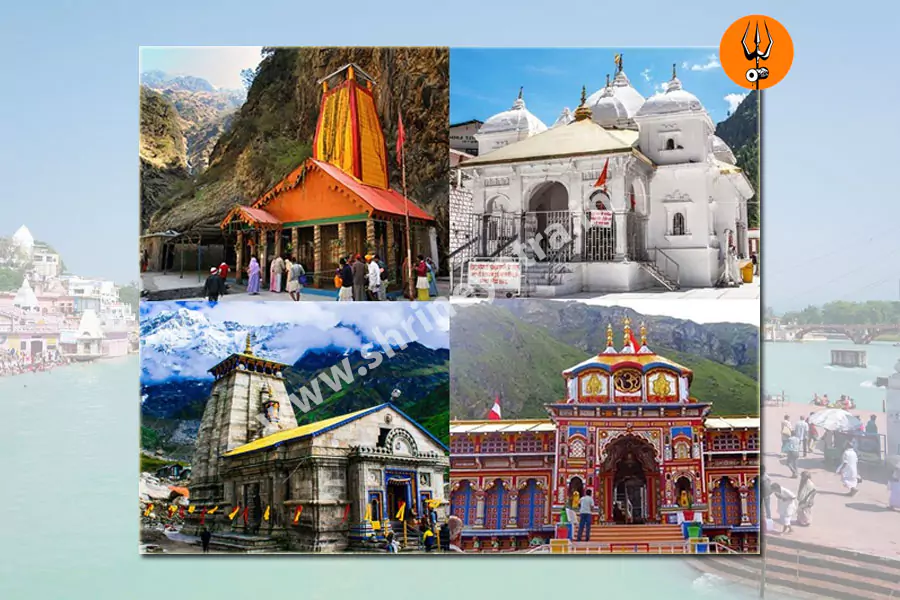
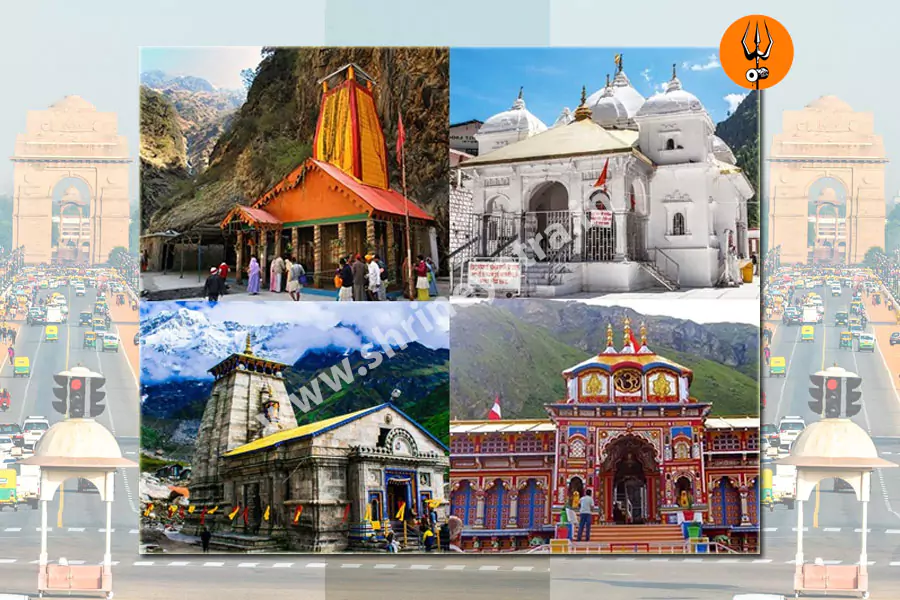
1. Kedarnath Temple
Location: Kedarnath
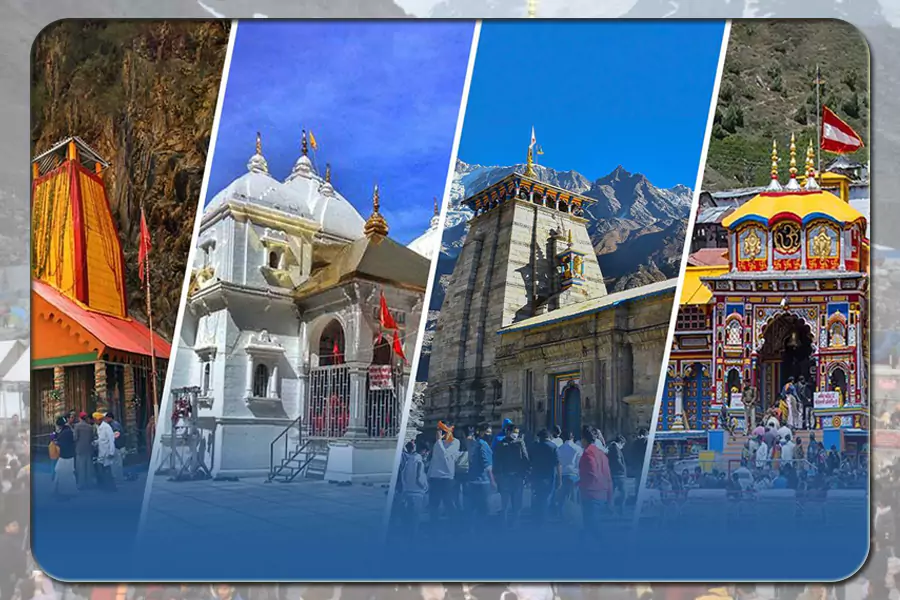
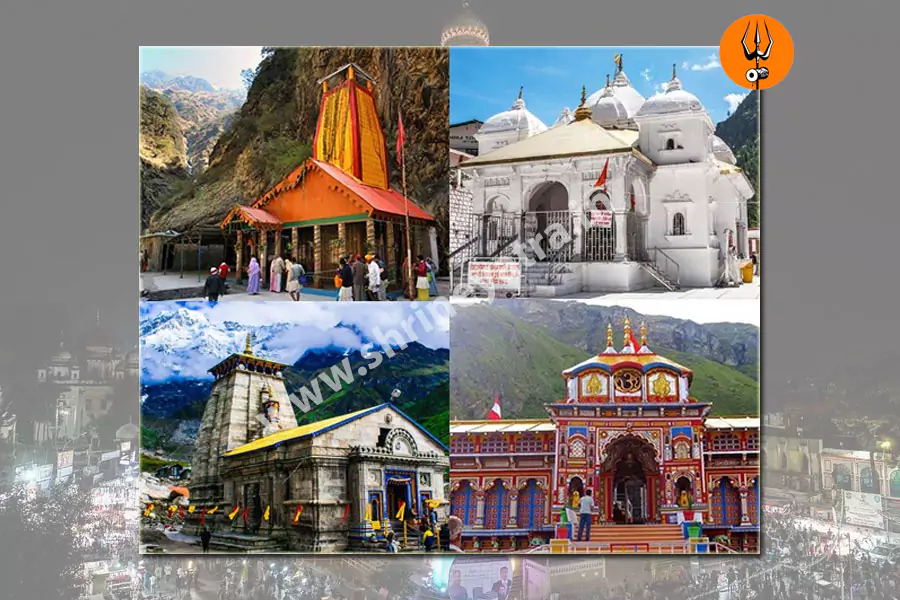
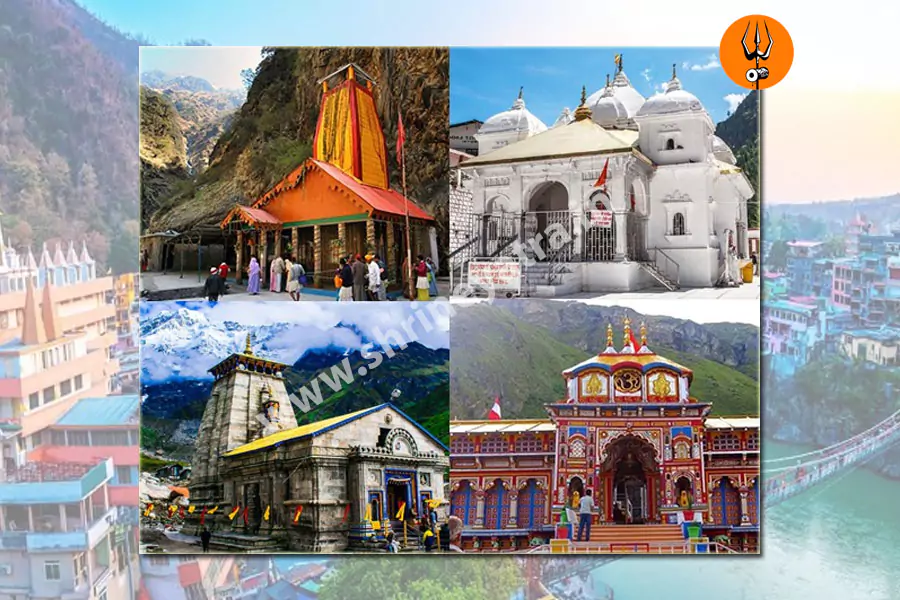
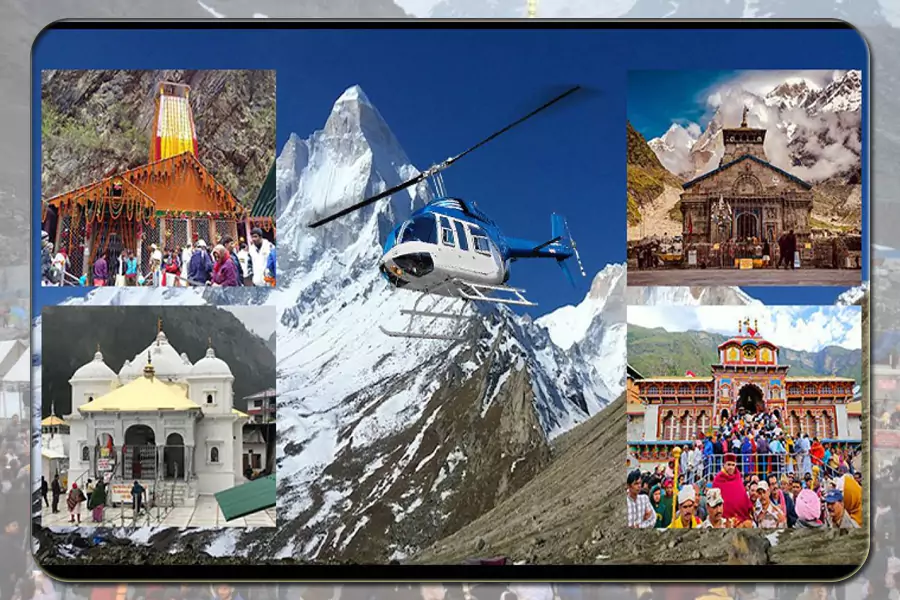
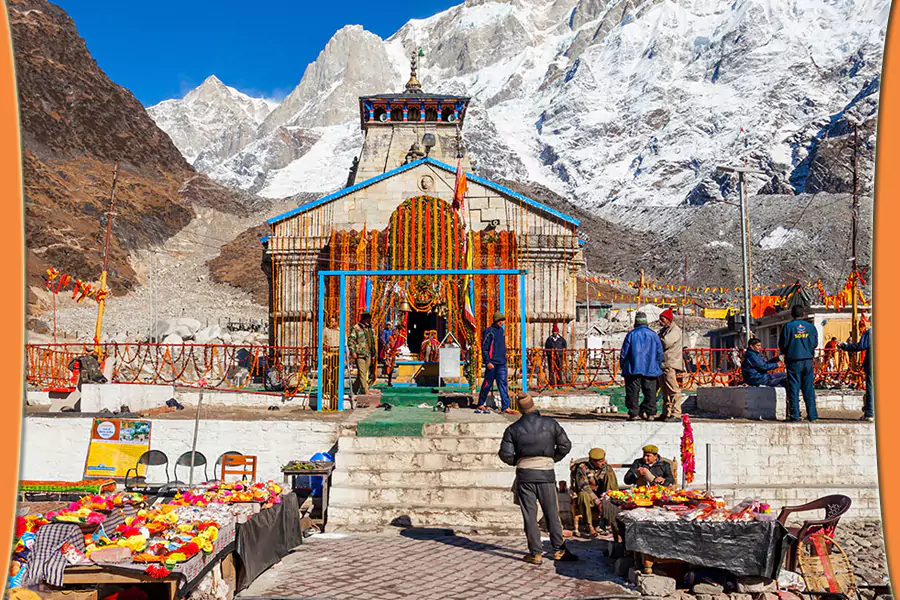
Why It Matters: This temple honors Lord Shiva and sits as one of the twelve most important Shiva temples in India. Pilgrims travel here as part of a sacred journey called the Char Dham Yatra. The temple stands at a height of 3,583 meters above sea level, which makes it higher than many mountains people see from airplanes. Snowy peaks surround the temple, and the cold waters of the Mandakini River flow nearby. Standing there makes people feel they are touching the sky and the heavens above.
Historical Background: Ancient stories tell us that the Pandavas, five heroic brothers from a famous Indian story called the Mahabharata, originally built this temple. Later, in the 8th century, a great teacher and thinker called Adi Shankaracharya brought new life to this temple and made it even more important. He taught spiritual lessons that millions of people still follow today.
2. Badrinath Temple
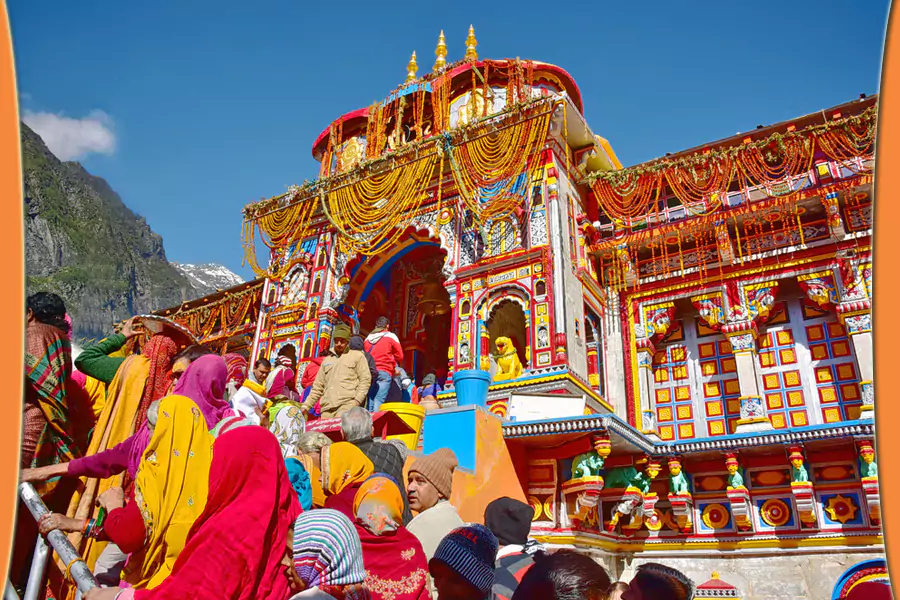
Location: Badrinath
Why It Matters: This sacred temple dedicates itself to Lord Vishnu, one of the most important gods in Hindu beliefs. Like Kedarnath, this temple forms another essential stop on the Char Dham Yatra journey. The temple sits at 3,133 meters high, where the fresh waters of the Alaknanda River rush past. Every year, hundreds of thousands of visitors come here to seek blessings and feel connected to something greater than themselves.
Historical Background: In the 9th century, Adi Shankaracharya established this temple to strengthen people’s faith and bring communities together. The location next to the river created a perfect spot for people to perform their religious rituals and prayers. The temple has remained in the same place for over a thousand years, watching over the valleys below.
3. Tungnath Temple

Location: Tungnath
Why It Matters: Here stands the highest temple dedicated to Lord Shiva anywhere in the world. This remarkable temple climbs to an altitude of 3,680 meters, so high that climbers often struggle to catch their breath. The temple belongs to a group of five temples called the Panch Kedar circuit, which all honor Lord Shiva in different ways. People trek through mountain paths and forests to reach this place, and the journey itself feels as sacred as the temple.
Historical Background: Historians believe this temple is over a thousand years old, making it incredibly ancient. Stories from the Mahabharata connect this temple to the Pandava brothers, the same heroes from the story of Kedarnath. The temple’s old stone walls tell stories of centuries of pilgrims who walked the same paths we walk today.
4. Jageshwar Temples
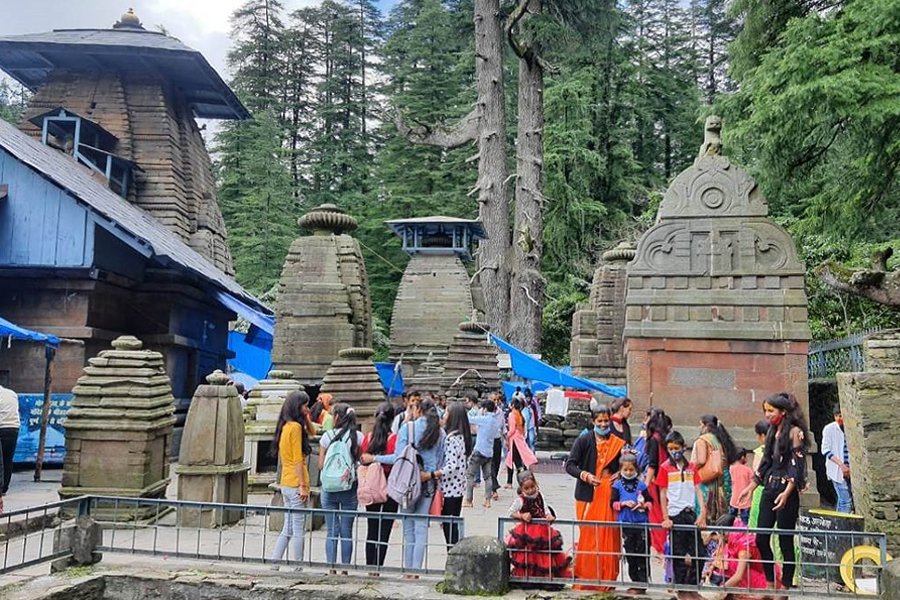
Location: Almora
Why It Matters: Instead of just one temple, Jageshwar features an amazing collection of approximately 124 temples, all carved from beautiful stone and dedicated to Lord Shiva. Imagine walking through more than one hundred temples in one place! These temples stand together in an ancient forest filled with towering deodar trees. The air smells fresh with pine, and the trees block out the hot sun, creating cool walking paths between the temples. It feels like stepping into a magical village frozen in time.
Historical Background: These temples were built between the 9th and 13th centuries, during the reigns of the Katyuri and Chand dynasties. These ancient rulers built temples to show their love for Lord Shiva and to bring people together for worship. The stone carvings on these temples display wonderful designs and patterns that workers created entirely by hand.
5. Yamunotri Temple

Location: Yamunotri
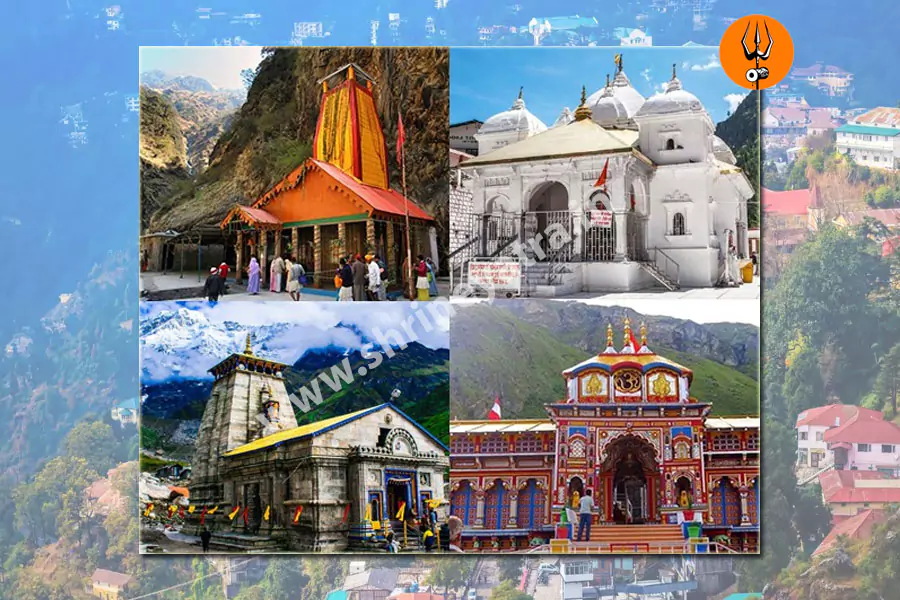
Why It Matters: This ancient temple honors Goddess Yamuna, and many people consider it the true beginning of the Char Dham Yatra pilgrimage. The temple sits at a height of 3,293 meters, perched in a dramatic valley. Goddess Yamuna appears in many Hindu stories as a river goddess who brings blessings and purification. The temple marks where the Yamuna River starts its long journey down the mountains toward the plains below.
Historical Background: While this site holds ancient spiritual importance, the actual temple building was constructed in the 19th century by Maharani Guleria, a queen from the city of Jaipur. She built it to make the pilgrimage easier and more comfortable for people traveling to this remote place. Even though the building itself is newer than some temples, the holiness of the location goes back thousands of years.
6. Gangotri Temple
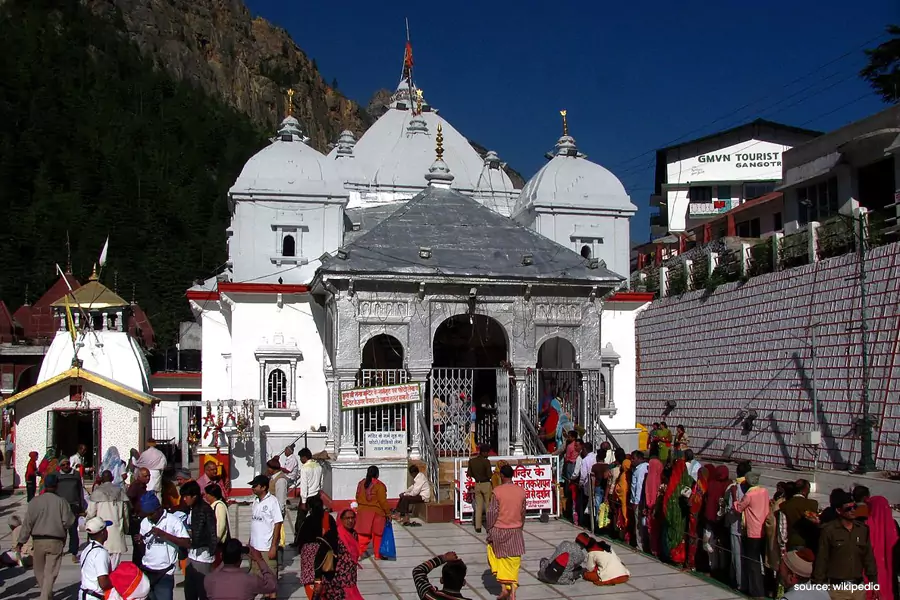
Location: Gangotri
Why It Matters: This temple celebrates Goddess Ganga and marks a crucial spot in the Char Dham Yatra. The temple stands at 3,100 meters high, positioned at the location where the holy Ganges River appears from the mountains for the first time. In Hindu beliefs, the Ganges River is more than just water—it represents life, purity, and the blessings of the gods. Millions of Hindus consider this water sacred and use it in their prayers and rituals.
Historical Background: A military commander named Amar Singh Thapa, who served in the Gorkha army, built this temple in the early 18th century. Though he was primarily a soldier, he understood the spiritual importance of this place and created a beautiful temple where people could pray and worship. The temple has welcomed pilgrims for nearly three hundred years.
7. Baijnath Temple
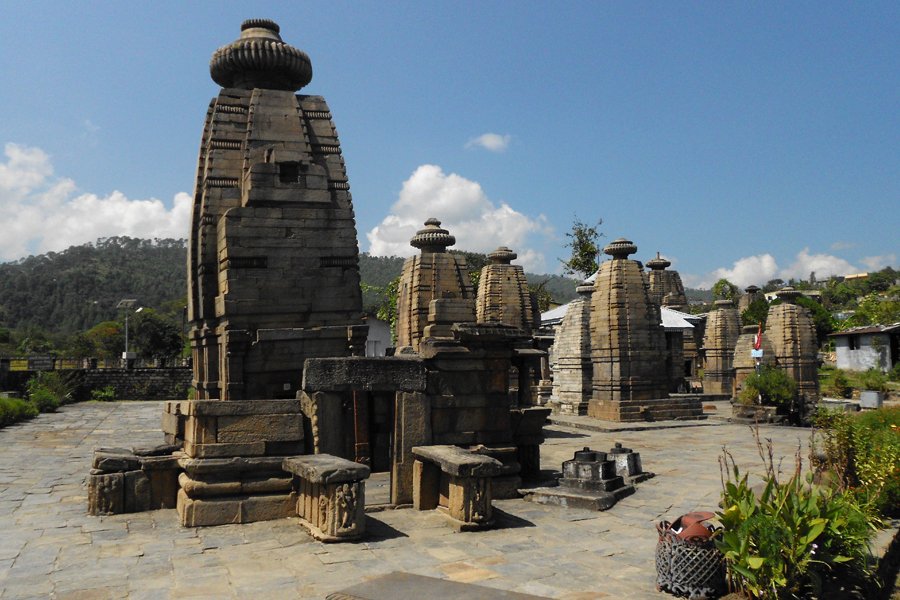
Location: Baijnath
Why It Matters: This ancient temple honors Lord Shiva and stands out for its stunning stone carvings and incredible historical importance. Workers carved designs and patterns into the stone so skillfully that each detail seems alive. The temple sits right next to the Gomati River, with water sounds providing a peaceful background for prayer and meditation. Every corner of this temple tells a story through its artistic decorations.
Historical Background: The Katyuri kings, powerful rulers of the mountains, built this temple in the 12th century. These rulers saw themselves as protectors of Lord Shiva’s worship and spent enormous resources creating this masterpiece. The fine stonework shows how talented the workers were and how much the kings cared about creating something beautiful and permanent.
8. Dhari Devi Temple

Location: Srinagar
Why It Matters: This special temple dedicates itself to Goddess Dhari, who people believe watches over and protects the entire region. The temple sits on the banks of the Alaknanda River, making it a peaceful place to visit. Local people have strong faith in Goddess Dhari and believe she guards their families and homes from danger and harm.
Historical Background: This temple carries ancient roots that go back many hundreds of years. A remarkable legend surrounds the temple’s idol: believers say that as the sun moves across the sky during the day, the goddess’s appearance changes. In the morning, she looks like a young girl, by afternoon she appears as a beautiful woman, and by evening she seems like an old lady. While scientists explain this might be tricks of light and shadows, pilgrims view it as a miraculous sign of the goddess’s power.
9. Surkanda Devi Temple
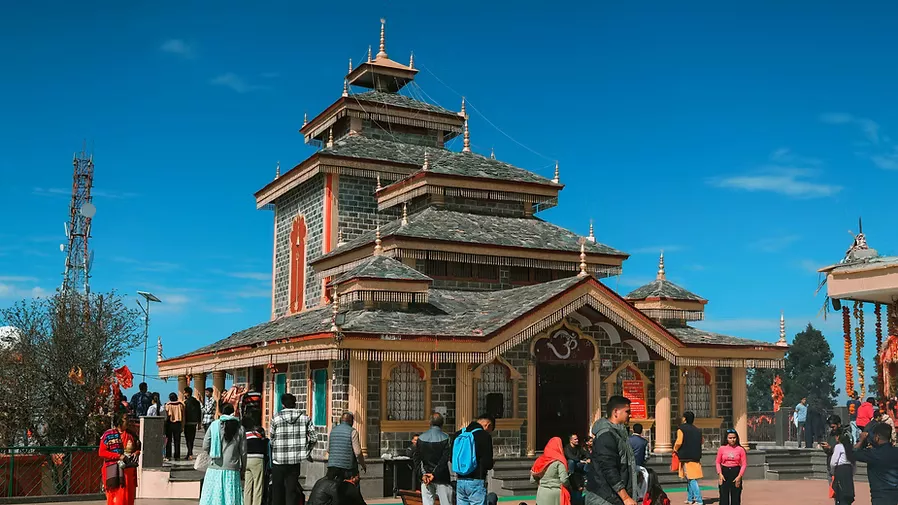
Location: Dhanaulti
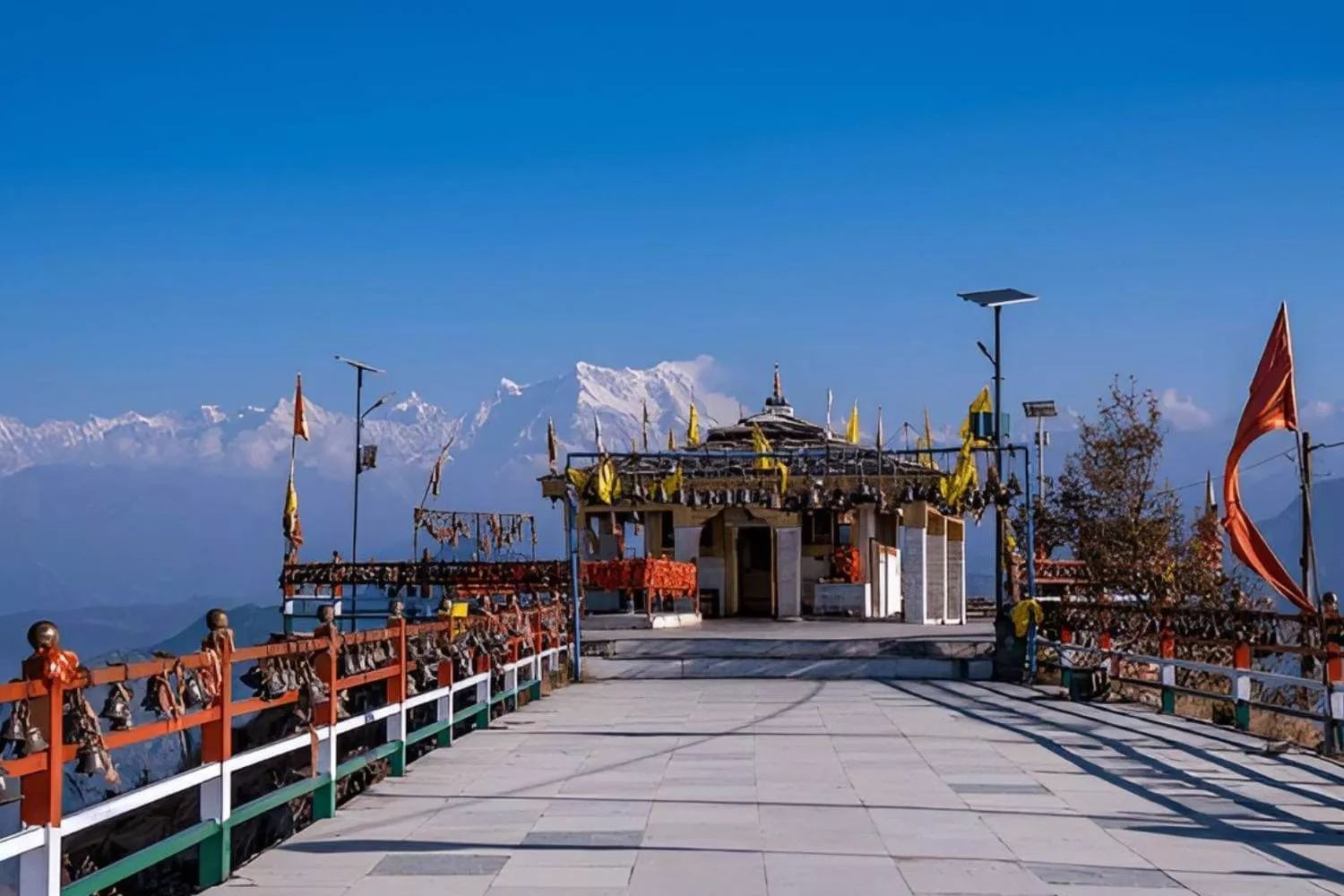
Why It Matters: This temple honors Goddess Parvati and belongs to a special group called the 51 Shakti Peethas, which are the most important goddess temples across India. The temple reaches an altitude of 2,757 meters and offers visitors amazing panoramic views of the entire Himalayan mountain range. On clear days, people can see snow-capped peaks stretching to the horizon, making it one of the most scenic temple locations in the mountains.
Historical Background: A famous legend connects this temple to an ancient story about Goddess Sati, who was Goddess Parvati’s earlier form. According to the story, Sati performed a ritual fire ceremony that harmed herself, and Lord Shiva performed a sacred dance of grief called the Tandava. This legend teaches about the deep connection between gods and the power of devotion and love.
10. Kainchi Dham
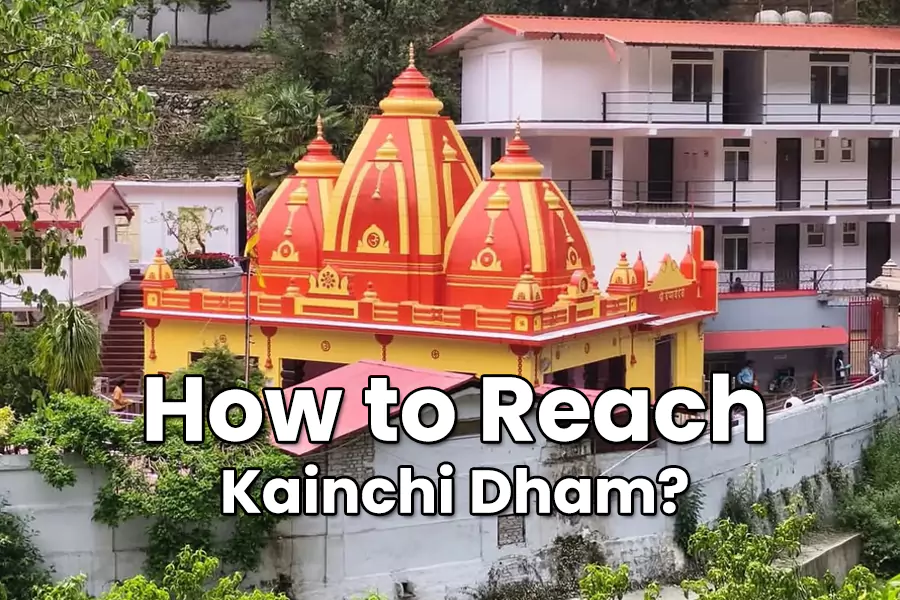
Location: Nainital
Why It Matters: This temple represents a modern pilgrimage site that continues to grow and attract visitors from all corners of the world. The ashram here is connected to a spiritual leader named Neem Karoli Baba, who taught thousands of people about meditation and inner peace. While this temple is newer than most others on our list, it holds deep spiritual significance for modern seekers.
Historical Background: The ashram was founded in 1964, making it only about sixty years old—quite young compared to the thousand-year-old temples in Uttarakhand. Surprisingly, this place attracted famous people from America and around the world, including technology leaders and businesspeople who came seeking spiritual guidance. These visitors found peace and wisdom at this mountain retreat and carried those teachings back to their homes.
11. Chandi Devi Temple
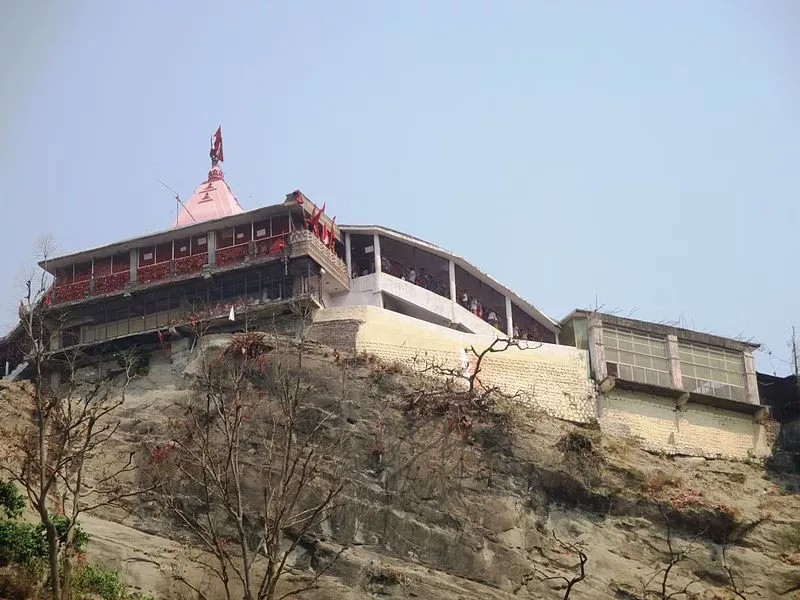
Location: Haridwar
Why It Matters: This temple celebrates Goddess Chandi and sits high on a mountain called Neel Parvat. From the temple, visitors can see beautiful views of the Ganges River flowing through the city of Haridwar below. Many people come here for both spiritual reasons and to enjoy the spectacular views of the river and city streets spreading out beneath them.
Historical Background: While legends say Adi Shankaracharya established the temple in the 8th century, the building people visit today was constructed by King Suchat Singh in 1929. This king understood the importance of making this sacred place more accessible and beautiful for pilgrims. The modern structure still honors the ancient spiritual traditions connected to this holy location.
12. Mansa Devi Temple
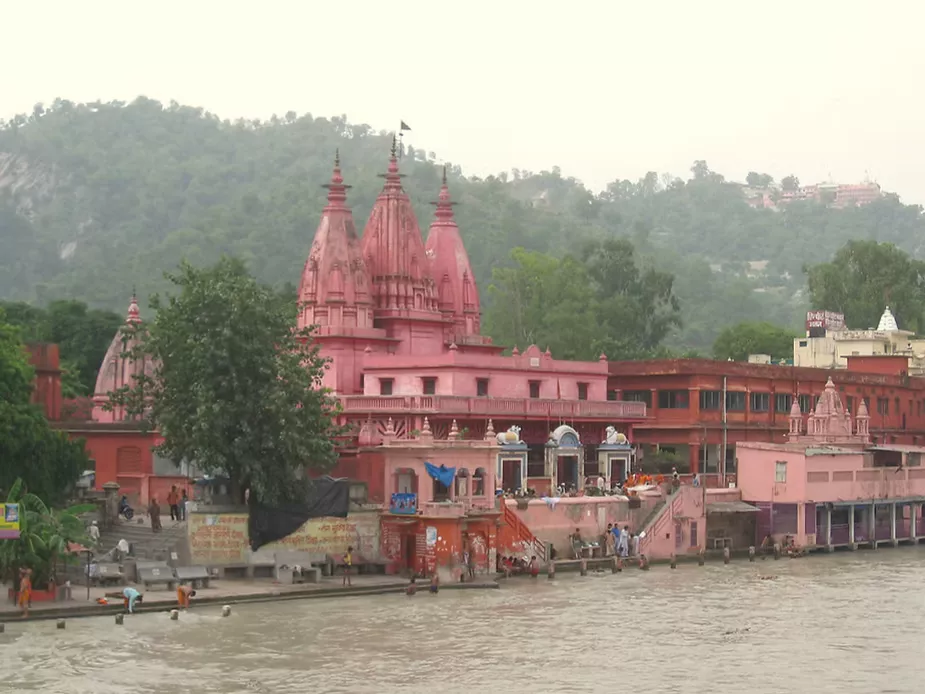
Location: Haridwar
Why It Matters: This temple worships Goddess Mansa Devi and sits perched on a mountain called Bilwa Parvat. The temple forms one of the five most important sacred spots in the city of Haridwar. During special festival times, hundreds of thousands of people visit this temple to pray and celebrate their faith together.
Historical Background: This temple has been an important pilgrimage destination for many centuries. During major Hindu festivals like Navratri and the Kumbh Mela, the temple becomes extremely crowded with devoted pilgrims. The Kumbh Mela happens only every few years and brings millions of people from around the world to participate in sacred rituals together.
13. Rudranath Temple
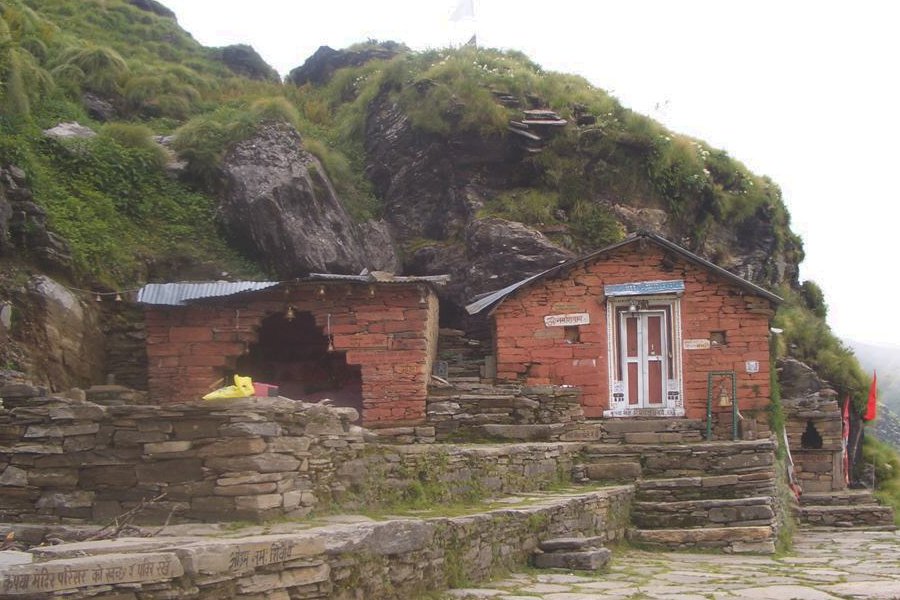
Location: Chamoli
Why It Matters: This temple belongs to the Panch Kedar group and honors Lord Shiva in a unique way. The temple sits at an altitude of 3,600 meters and features extraordinary natural rock formations that seem to have been shaped by nature itself. Rocks tower around the temple in strange and beautiful shapes, making the whole landscape feel mystical.
Historical Background: People believe the Pandava brothers from the Mahabharata established this temple during their travels through the mountains. The location and natural features of the area made it a perfect spot for the Pandavas to build a temple honoring Lord Shiva. For many centuries, pilgrims have journeyed here seeking blessings and experiencing the natural beauty surrounding the sacred temple.
14. Madmaheshwar Temple
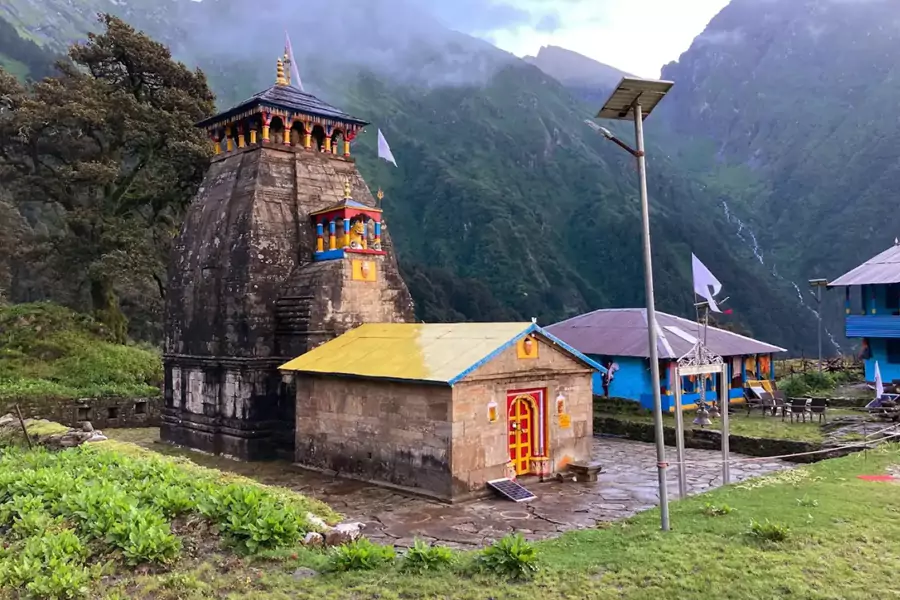
Location: Ukhimath
Why It Matters: This another member of the Panch Kedar temple family, and it also dedicates itself to Lord Shiva. The temple stands at 3,497 meters high, positioned in an area of remarkable natural beauty. The surrounding landscape features green forests, flowing streams, and mountain peaks that create a feeling of peaceful seclusion from the busy world below.
Historical Background: Like the other Panch Kedar temples, believers say the Pandavas established this temple during their spiritual journey through the mountains. The temple has served pilgrims for centuries and remains a significant place for people seeking a spiritual connection with Lord Shiva. The combination of religious importance and natural beauty makes this temple especially meaningful to visitors.
15. Adi Badri Temple
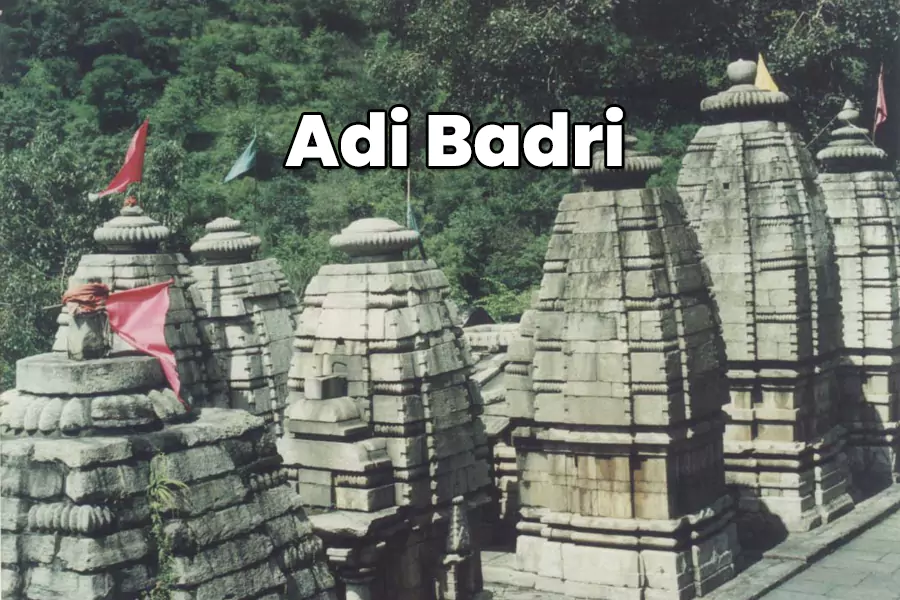
Location: Chamoli
Why It Matters: Instead of a single temple, Adi Badri consists of a group of 16 temples all dedicated to Lord Vishnu. These temples form part of the Panch Badri pilgrimage circuit, which features five important Vishnu temples throughout the mountains. This collection of temples demonstrates how ancient people created whole communities of worship spaces.
Historical Background: These temples date back to the Gupta period, which means they were built around the 5th century. The Gupta dynasty ruled India during a golden age of art, science, and religion. They built these temples to spread the worship of Lord Vishnu and strengthen the spiritual life of mountain communities. The temples remain standing today as evidence of the Gupta era’s architectural and spiritual achievements.
Conclusion
The temples found throughout Uttarakhand serve purposes far beyond being places to pray and worship. Each temple tells a story spanning centuries or even thousands of years. Workers used hand tools to carve stone into beautiful shapes and patterns that still stand strong today. Local legends and stories connect these temples to ancient heroes, powerful gods and goddesses, and important spiritual teachings. Whether someone comes seeking deep spiritual experiences, wanting to learn about history and culture, or simply wishing to see amazing buildings in spectacular mountain locations, the temples of Uttarakhand offer something truly special. Walking through these temples, visitors feel connected to countless people from past centuries who walked the same paths with the same sense of wonder and respect. These sacred spaces remain among the most remarkable and meaningful places any person could ever visit.
To explore various Char Dham pilgrimage packages and plan your temple journey, https://www.shrineyatra.in/char-dham-packages: visit our comprehensive travel resources. You’ll find options ranging from short weekend visits to extended spiritual retreats that allow deeper exploration.