Kailash Mansarovar Weather & Temperature Guide
Discover the perfect time to explore this sacred pilgrimage site with our complete weather guide.
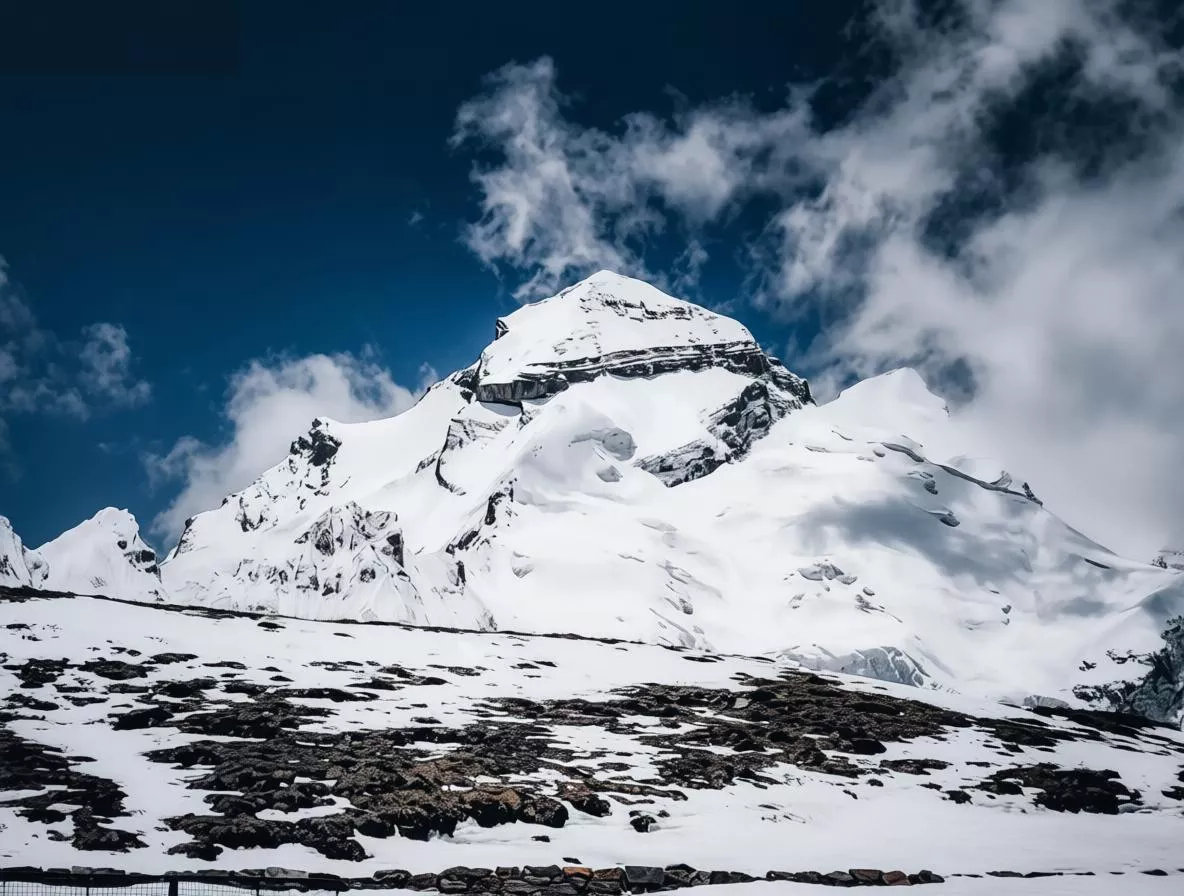
The Kailash Mansarovar area rises high in the mountains of Tibet and captures the hearts of millions of pilgrims every year. Hindus, Buddhists, Jains, and Bons followers all consider this location extremely sacred and spiritual. People travel from every corner of India and beyond to experience the power and beauty of this mountain destination. The weather changes dramatically throughout the year, so knowing what to expect helps visitors prepare properly for their journey.
Understanding the climate at Kailash Mansarovar makes your pilgrimage more comfortable and safe. Each season brings different temperatures, weather patterns, and travel conditions. Some months offer clear skies and pleasant weather, while other times bring snow and freezing temperatures. This guide walks you through every season so you can plan your visit wisely.
When Should You Visit Kailash Mansarovar?
The best window for traveling to Kailash Mansarovar opens between May and September. During these months, the temperatures stay comfortable for walking and exploring. The weather patterns become more predictable, though mountain conditions can still surprise visitors at any time. Many experienced travelers choose this timeframe specifically because it offers the safest and most enjoyable experience for the sacred walk around the mountain.
Kailash Mansarovar Yatra In Summers
The summer season spans from April through June in the Kailash Mansarovar region. May marks the official beginning of the pilgrimage season when roads open and travel becomes possible. The daytime temperatures hover between 8 degrees Celsius and 16 degrees Celsius during these months. At night, the mercury drops to around 5 degrees Celsius, so visitors need warm sleeping bags and layers.
Summer at Kailash brings magical moments and important festivals. Pilgrims celebrate the famous Saga Dawa Festival in May and June, honoring the life events of Lord Buddha. This festival attracts thousands of devotees who gather to meditate, pray, and walk together. The summer days stay long and bright, giving visitors plenty of daylight to explore. Cool nights remind travelers that mountains demand respect and proper equipment.
Kailash Mansarovar in Monsoon Season
July through mid-August brings the monsoon season to Kailash Mansarovar. Rain clouds roll in and release moisture throughout the region. However, because the landscape sits high and dry most of the year, rainwater disappears quickly into the ground. Puddles and streams dry rapidly after showers pass, keeping trails reasonably accessible.
Many pilgrims love visiting during monsoon months because of the spiritual significance. July holds special meaning for followers who observe Shravana, a sacred month in the Hindu calendar. Temperatures during monsoon season range from 10 degrees Celsius to 23 degrees Celsius, making conditions quite pleasant despite occasional rain. The mountains appear dramatically beautiful as clouds dance across the peaks and valleys.
Kailash Mansarovar in Post-Monsoon Season
Late August through September marks the post-monsoon period at Kailash Mansarovar. The weather stabilizes as the rainy season ends. These months offer some of the finest conditions for completing the sacred Parikrama, which means circling the mountain. Fewer pilgrims visit during this window, so trails feel less crowded and more peaceful.
Post-monsoon temperatures stay moderate and manageable for hikers. Daytime warmth reaches approximately 20 degrees Celsius while nighttime cools to about 10 degrees Celsius. Clear skies return after the monsoon, offering spectacular views of Mount Kailash. The grass becomes greener and vegetation flourishes, creating a lush landscape that contrasts with the barren white peaks above.
Kailash Mansarovar in Winter Season
October through March transforms Kailash Mansarovar into a frozen wilderness. Temperatures plummet to minus 20 degrees Celsius or even lower during the deepest winter months. Harsh winds blow constantly across the landscape, making the cold feel even more intense. The region becomes extremely dangerous for unprepared visitors.
Heavy snow begins falling in October and continues through February. Enormous drifts accumulate on mountain passes and valleys. Roads become completely blocked by ice and snow, making vehicle travel impossible. Most tour operators close their services during winter because safe passage cannot be guaranteed. Only the most experienced mountaineers with professional guides attempt to access the region during these months.
Best Travel Routes For Different Seasons
Kailash Mansarovar Yatra Via Tibet (Summer Season)
May through September provide ideal conditions for the traditional Tibet route. This path takes pilgrims on a 14-day journey starting and ending in Kathmandu, Nepal. Travelers fly from Kathmandu to Lhasa, the capital of Tibet. From Lhasa, they board comfortable Volvo buses that travel south toward Kailash across beautiful mountain roads. This route offers the most popular and established pilgrimage experience, with many facilities and services available along the way.
Kailash Mansarovar Yatra Via Kailash Aerial Darshan
The aerial Darshan route provides the easiest and most convenient way to see Mount Kailash. Chartered aircraft depart from Nepalgunj airport and fly directly toward the mountain. Passengers view the sacred peak from the sky, receiving blessings from above without the physical demands of climbing. Mid-September through November offer the best weather for these flights, when clear skies provide stunning views. This option suits elderly pilgrims or those with limited physical abilities.
Kailash Mansarovar Yatra Via Limi Lapcha Valley (Summer)
The Limi Lapcha Valley route offers the closest and most spectacular views of Mount Kailash and Mansarovar Lake. This path travels through the dramatic landscapes of Nepal’s highest valleys. September through November and April through June mark the ideal seasons for this challenging trek. Pilgrims experience stunning vistas at every turn and encounter fewer crowds than the Tibet route. This journey requires more hiking experience and physical fitness than other options.
Kailash Mansarovar Yatra Via Lipulekh (Summer and Post-Monsoon)
The Lipulekh Pass route creates an incredible trek-based pilgrimage covering approximately 250 kilometers. Hikers follow ancient paths through stunning mountain terrain, experiencing the landscape as pilgrims have for centuries. Mid-May through June and September through October provide the safest travel windows. This route demands excellent fitness and trekking experience, but rewards adventurers with unforgettable spiritual experiences.
Plan Your Perfect Pilgrimage
Choosing the right season and route makes your Kailash Mansarovar experience safe, meaningful, and unforgettable. Careful preparation begins months before departure. Understanding weather patterns and temperature swings helps you pack appropriate clothing and equipment. Experienced guides know the mountain intimately and keep pilgrims safe while sharing profound spiritual knowledge.
Different routes serve different needs and abilities. Summer paths through Tibet work well for families and general pilgrims. Aerial Darshan suits those seeking convenience and comfort. Valley treks appeal to experienced hikers wanting intimate mountain experiences. Each option offers genuine spiritual connection to this sacred destination.
Professional tour operators have mastered the logistics of pilgrimage travel. They arrange flights, accommodations, meals, transportation, and guides. These experts handle paperwork and permits while you focus on spiritual preparation. Booking through established companies ensures reliability and safety during your sacred journey.
Contact a pilgrimage expert today to begin your Kailash Mansarovar adventure!
Are you planning for Kailash Mansarovar? find out here https://www.shrineyatra.in/kailash-mansarovar-yatra-packages