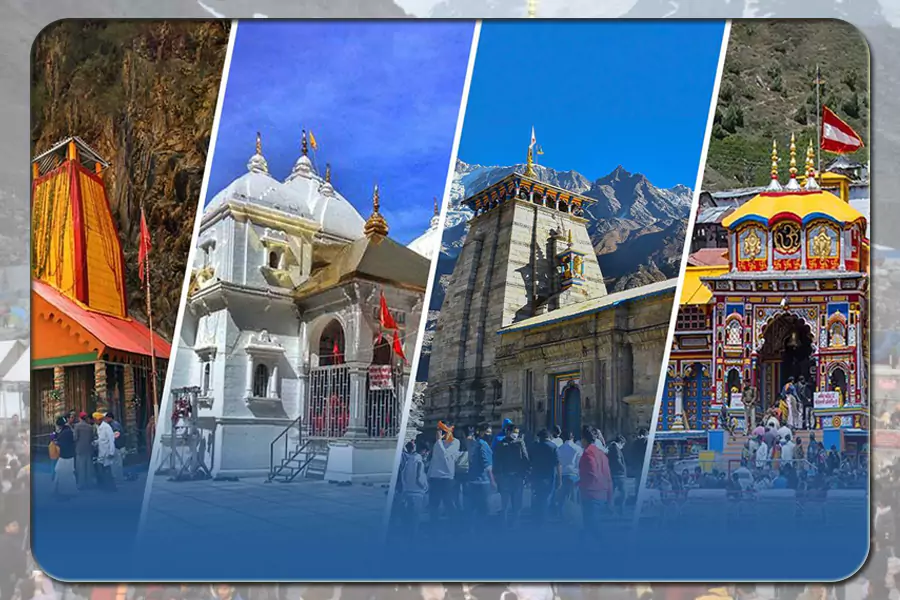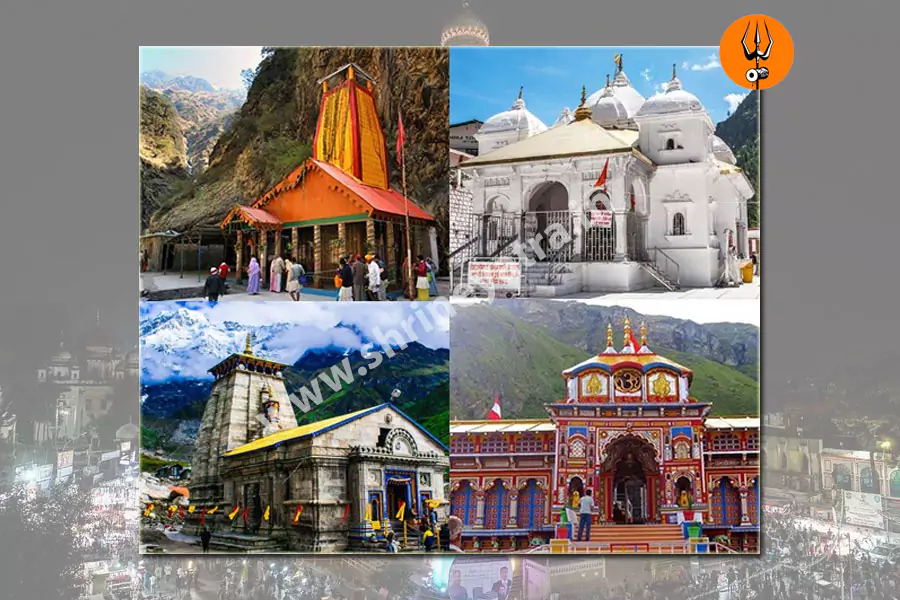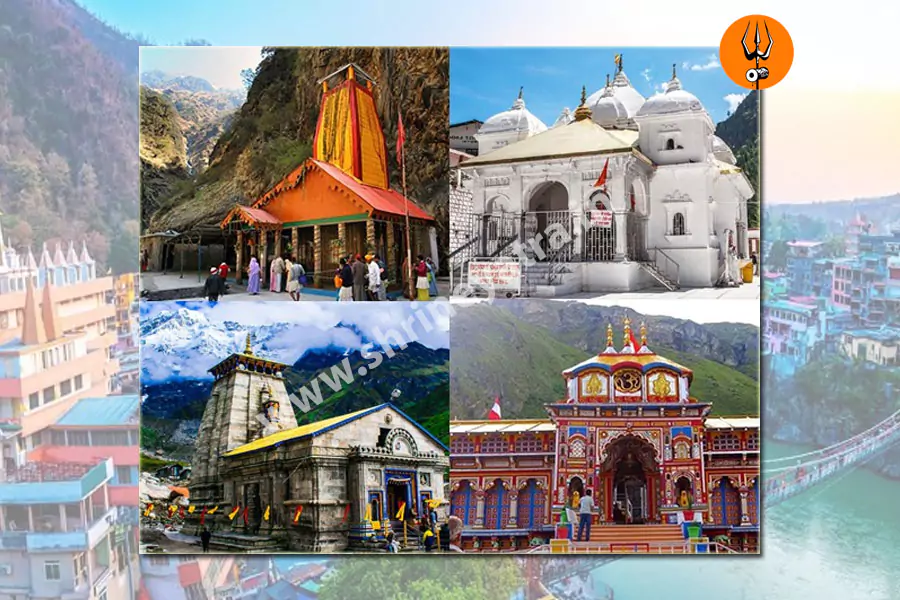
Which Dham should be visited first in Chardham Yatra?
Quick Answer: Start your Chardham Yatra from Yamunotri, then visit Gangotri, Kedarnath, and finally Badrinath. This traditional clockwise route follows centuries-old pilgrimage patterns and offers the best acclimatization for high-altitude travel.
Understanding the Traditional Chardham Route
Pilgrims have followed a specific sequence for the Chardham Yatra for over a thousand years. The journey begins at Yamunotri in the westernmost part of Uttarakhand and moves clockwise through all four sacred shrines.
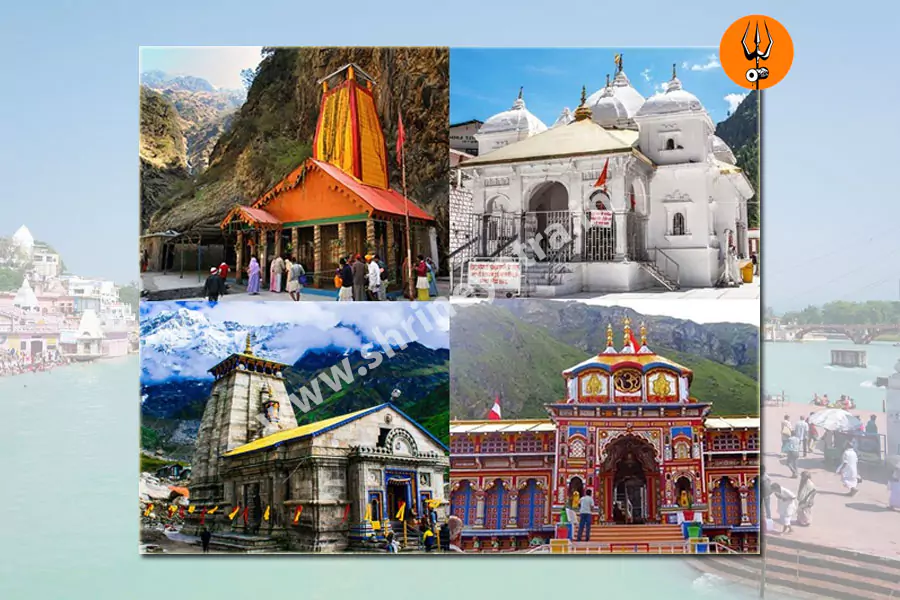
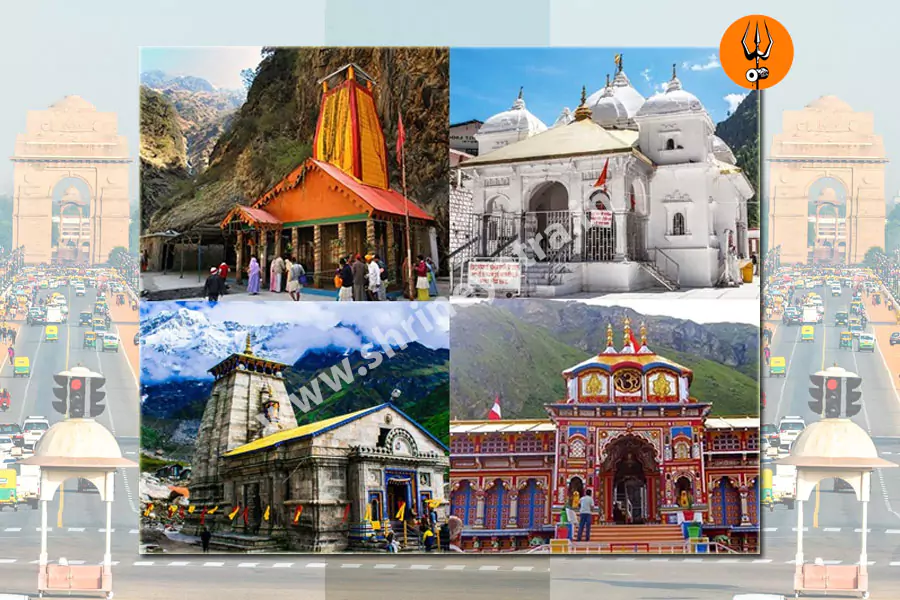
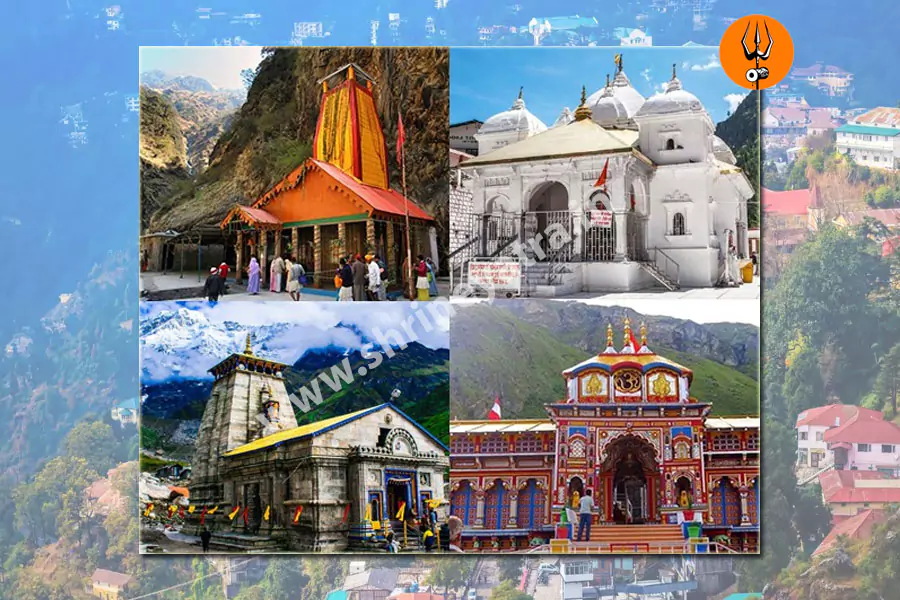
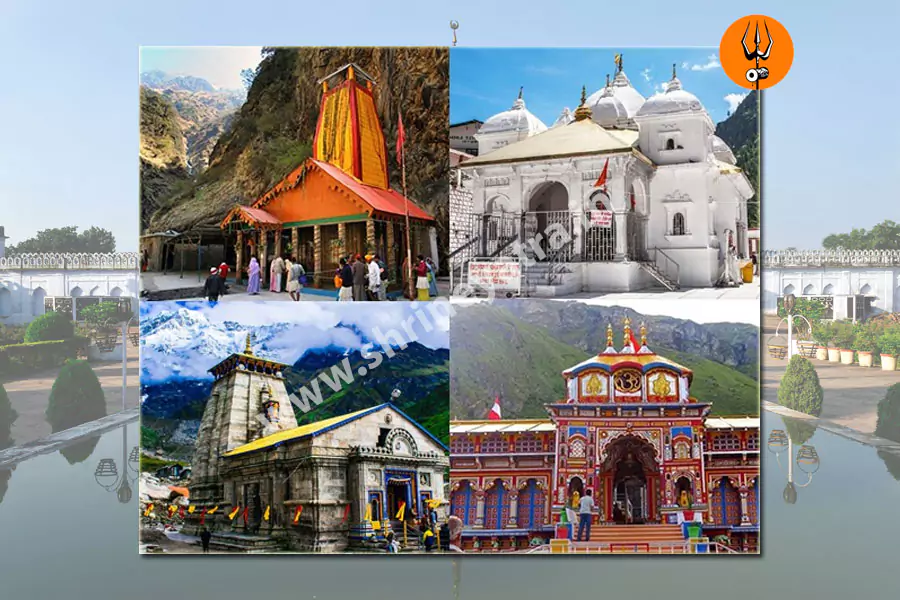
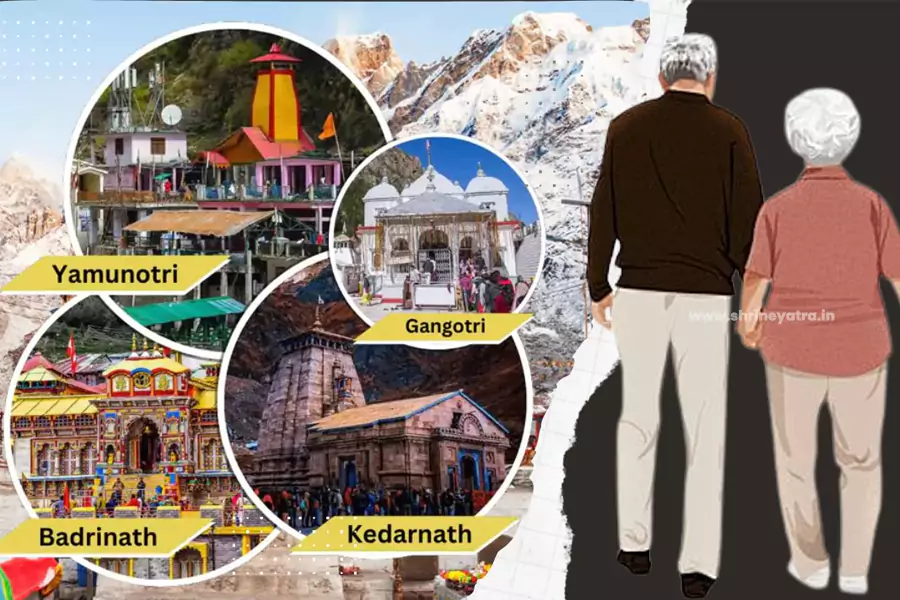
The Correct Order: Yamunotri → Gangotri → Kedarnath → Badrinath
This sequence emerged from both geographical logic and spiritual tradition. Each shrine sits at a different altitude and distance from major access points, making this progression the most practical for travelers.
Why Yamunotri Comes First
Yamunotri serves as the gateway to your spiritual journey. Located at 3,293 meters above sea level, this shrine marks the origin of the Yamuna River, one of Hinduism’s most sacred waterways.
Spiritual Significance of Starting at Yamunotri
Ancient scriptures mention Yamunotri as the purification point before undertaking the complete pilgrimage. Devotees believe that bathing in the thermal springs at Yamunotri cleanses past sins and prepares the soul for higher spiritual experiences ahead.
The goddess Yamuna holds special importance as the daughter of Surya (the Sun God) and sister of Yama (the God of Death). Visiting her shrine first offers protection throughout the challenging mountain journey.
Practical Benefits of the Yamunotri-First Route
Starting at Yamunotri gives your body time to adjust to high altitudes gradually. The 6-kilometer trek from Janki Chatti to the shrine prepares you physically for more demanding walks later in the circuit.
Road connectivity improves as you move eastward through Uttarakhand. Beginning from the western edge means you tackle the most remote location first, avoiding backtracking through difficult terrain.
The Complete Chardham Sequence Explained
Second Stop: Gangotri (3,100 meters)
After Yamunotri, pilgrims travel to Gangotri, where the Ganges descends from heaven to earth according to Hindu mythology. The shrine sits 100 kilometers from Yamunotri, requiring a full day of mountain travel.
Gangotri offers easier access than Yamunotri, with roads reaching closer to the temple. The Bhagirathi River flows with tremendous force here, creating a powerful atmosphere for meditation and prayer.
Third Stop: Kedarnath (3,583 meters)
Kedarnath presents the biggest physical challenge of the entire Yatra. The shrine stands at the highest altitude among the four dhams, requiring a 16-kilometer trek from Gaurikund or a helicopter ride for those who cannot walk.
This Jyotirlinga dedicated to Lord Shiva rewards pilgrims with breathtaking Himalayan views. Snow-capped peaks surround the ancient stone temple, creating an otherworldly setting for worship.
Final Stop: Badrinath (3,300 meters)
Badrinath completes the sacred circuit. Dedicated to Lord Vishnu, this shrine offers the easiest access with roads reaching directly to the temple complex. The Neelkanth peak towers behind the shrine, adding majesty to the spiritual atmosphere.
Ending at Badrinath provides a sense of accomplishment. After completing the three more challenging shrines, pilgrims arrive at this final destination with heightened devotion and physical resilience.
Best Time to Start Your Chardham Yatra
All four shrines open between late April and early May, depending on snowfall conditions. The temples remain accessible until October or early November before winter snow forces closure.
Peak Season: May to June
Summer months bring the largest crowds but offer the most stable weather. Temperatures range from 10°C to 20°C during daytime, making trekking comfortable. Book accommodations three months in advance during this period.
Monsoon Challenges: July to August
Heavy rains create landslide risks throughout the Garhwal region. Roads become treacherous, and cloud cover obscures mountain views. Experienced pilgrims avoid these months unless absolutely necessary.
Post-Monsoon Window: September to October
Clear skies return after monsoons end, offering spectacular visibility of snow peaks. Crowds thin out, and accommodation becomes easier to find. Night temperatures drop significantly, so pack warm clothing.
Read more: https://www.shrineyatra.in/best-time-to-visit-chardham
Alternative Routes and Modern Flexibility
Some pilgrims modify the traditional sequence based on practical constraints. Flight schedules, group tour itineraries, or health conditions might necessitate different approaches.
Starting from Badrinath
Travelers flying into Pantnagar or arriving from eastern Uttarakhand sometimes reverse the circuit. This anti-clockwise route works logistically but lacks the traditional spiritual progression that the Yamunotri-first sequence provides.
Helicopter Services and Time-Saving Options
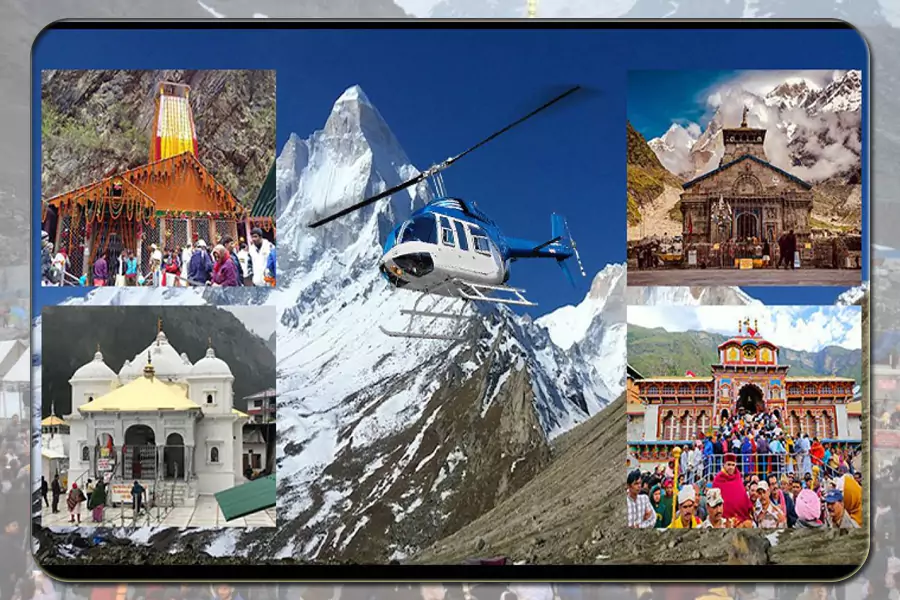
Helicopter operators now serve all four shrines, reducing travel time from 10–12 days to just 5–6 days. These services offer flexibility in visiting order, though the traditional sequence remains most popular.
Book Here: https://www.shrineyatra.in/chardham-yatra-by-helicopter
Budget constraints often determine route choices. Helicopter packages cost significantly more than road travel but eliminate physical strain and altitude challenges.
Health Considerations for Route Planning
Altitude sickness affects many pilgrims, especially those coming from sea-level regions. Starting at lower elevations and climbing gradually reduces risk substantially.
Acclimatization Benefits of Traditional Sequencing
Yamunotri at 3,293 meters provides initial altitude exposure without overwhelming your system. By the time you reach Kedarnath at 3,583 meters, your body has adapted to thin air over several days.
Symptoms like headache, nausea, and breathlessness become less severe when you follow the gradual ascent pattern. Rushing directly to Kedarnath from plains regions invites serious health problems.
Medical Facilities Along the Route
Each shrine location maintains basic medical facilities during pilgrimage season. Yamunotri has limited facilities, making it less risky as your first stop when you’re fresh and energetic. By the time you reach more remote areas, you’ve gained mountain experience.
Distance and Travel Time Between Shrines
Understanding distances helps in planning realistic itineraries and rest days.
Yamunotri to Gangotri: 220 kilometers by road (approximately 8–9 hours)
Gangotri to Kedarnath: 250 kilometers to Gaurikund, then 16 km trek (2 days total)
Kedarnath to Badrinath: 220 kilometers by road from Gaurikund (7–8 hours)
These distances assume good weather and normal road conditions. Landslides, traffic, or construction can add several hours to journey times.
Accommodation Planning for the Traditional Route
Each shrine offers government guesthouses, private hotels, and dharamshalas (pilgrimage lodges) at varying price points.
Yamunotri Accommodation Options
Janki Chatti and Barkot serve as base camps for Yamunotri. Budget lodges start at ₹500 per night, while comfortable hotels charge ₹2,000–₹4,000. Book ahead during May and September.
Gangotri Lodging Availability
The town of Gangotri provides more accommodation choices than Yamunotri. Rooms range from basic dharamshalas to decent hotels with hot water and heating facilities.
Kedarnath Stay Arrangements
Limited accommodation exists at Kedarnath itself. Most pilgrims stay in Gaurikund before and after the trek. Advance booking becomes critical here, especially for tent accommodations near the shrine.
Badrinath Hotel Selection
Badrinath offers the widest range of accommodations among the four dhams. Government-run guesthouses, private hotels, and ashrams provide options for every budget category.
Cost Breakdown for Traditional Route
Budget pilgrims complete the Yatra for ₹15,000–₹20,000 per person, including basic accommodation and transportation. Mid-range travelers spend ₹30,000–₹50,000, while luxury packages with helicopters exceed ₹1,50,000.
Starting from Yamunotri and following the traditional circuit optimizes costs. You avoid backtracking and unnecessary detours that waste both time and money.
Safety Tips for Following the Clockwise Route
Mountain weather changes rapidly. Carry rain gear, warm layers, and sturdy trekking shoes regardless of season. The traditional route’s gradual progression builds your confidence for handling unexpected situations.
Register with local authorities at each shrine. This helps rescue teams locate pilgrims during emergencies. Mobile networks remain patchy throughout the circuit, so inform family members about your itinerary beforehand.
Hire local guides familiar with terrain and weather patterns. Their knowledge prevents wrong turns and identifies risky conditions before they become dangerous.
Cultural Etiquette at Each Shrine
Photography restrictions apply inside temple premises. Dress modestly with covered shoulders and legs. Remove leather items before entering sanctums, as many shrines prohibit them.
The traditional sequence teaches proper pilgrimage behavior progressively. By your fourth shrine visit, temple protocols become second nature, enhancing your spiritual experience.
Permits and Documentation Required
Indian citizens need no special permits for the Chardham Yatra. Foreign nationals must register with local police stations at each district. Carry multiple photocopies of your passport and visa.
Starting from Yamunotri means registering in Uttarkashi district first, establishing your presence in the system early. This prevents complications at subsequent checkpoints.
Physical Fitness Requirements
The traditional Yamunotri-first route demands moderate fitness levels. Daily walking of 5–8 kilometers becomes necessary, with the Kedarnath trek requiring stamina for a full-day hike.
Prepare for the journey with regular walking for two months before departure. Cardiovascular exercises help your body utilize oxygen efficiently at high altitudes.
Why the Traditional Sequence Matters Spiritually
Hindu philosophy emphasizes the journey as important as the destination. The clockwise progression mirrors the path of the sun, symbolizing enlightenment and divine grace.
Each shrine prepares you for the next level of spiritual awakening. Yamunotri cleanses, Gangotri purifies, Kedarnath tests devotion, and Badrinath grants completion. Breaking this sequence disrupts the intended spiritual progression.
Final Verdict: Should You Follow Tradition?
Follow the Yamunotri–Gangotri–Kedarnath–Badrinath sequence unless health issues, time limitations, or logistical constraints make it impossible. This route combines practical advantages with deep spiritual meaning.
The pattern has worked for countless pilgrims across centuries. Modern conveniences like helicopters and better roads offer flexibility, but the traditional clockwise journey remains the gold standard for experiencing the Chardham Yatra fully.
Plan carefully, book early, respect local customs, and let the Himalayas transform your spirit as you progress from one sacred shrine to the next.