What Are the Essential Items for a Kailash Mansarovar Yatra Packing List?
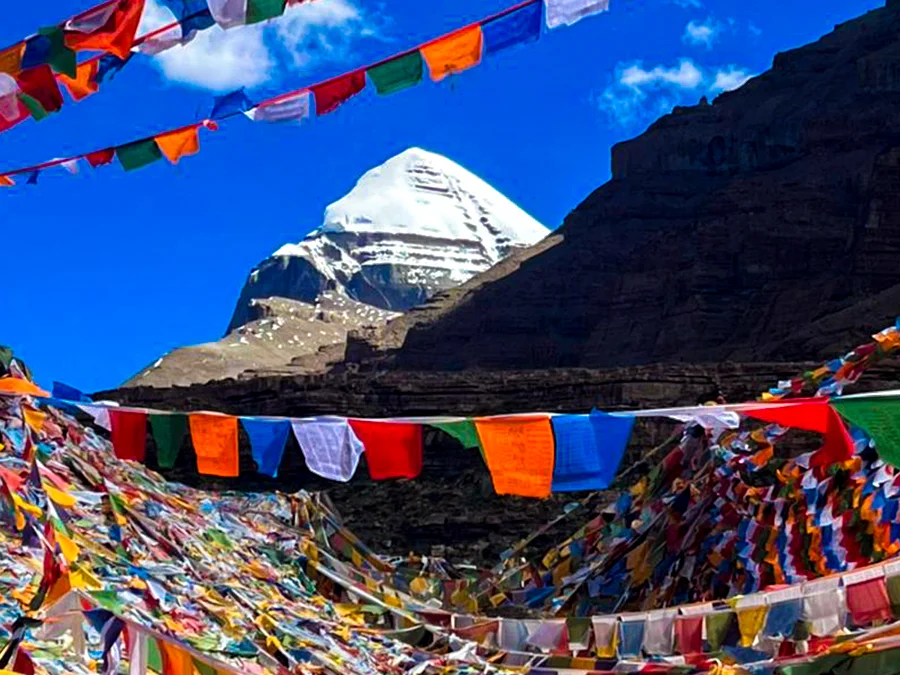
Every year, thousands of devoted pilgrims travel to one of the most sacred places on Earth, Mount Kailash and Lake Mansarovar. This journey tests your body, mind, and spirit like no other trip. At Shrine Yatra, we help pilgrims prepare smartly so they can focus on their spiritual experience rather than worrying about missing items.
Packing the right things makes a huge difference on this holy journey. The weather changes fast, the altitude climbs high, and the trails can be tough. That is why a proper Kailash Mansarovar Yatra packing list becomes your best friend before you leave home.
In this blog, we share every essential item you need to carry on this divine trip. We keep it simple, clear, and easy to understand so every pilgrim, young or old, can get ready with full confidence.
Why Does a Proper Packing List Matter for Kailash Mansarovar Yatra?
Mount Kailash sits at an altitude of about 6,638 meters above sea level. Lake Mansarovar rests at around 4,590 meters. These heights bring cold winds, thin air, and unpredictable weather every single day.
When you carry the right gear, you stay warm, safe, and energetic throughout the yatra. When you forget important items, you risk altitude sickness, frostbite, or extreme discomfort. Shrine Yatra always tells pilgrims that smart packing equals a safe journey.
Now, let us walk through every important category of items you must pack before starting this sacred adventure.
Kailash Mansarovar Yatra Packing List, Category by Category
1. Clothing and Layering Essentials
The temperature near Mount Kailash drops well below freezing, especially at night. You need to dress in layers so your body stays warm no matter what the weather throws at you.
Pack these clothing items:
- Thermal inner wear (top and bottom): Wear thermal layers right against your skin. They trap body heat and keep you warm even in icy winds. Carry at least 3 sets.
- Fleece jacket or sweater: A thick fleece jacket works as your middle layer. It adds extra warmth without feeling too heavy.
- Waterproof and windproof outer jacket: Your outer shell must block wind and rain completely. Choose a jacket with a good hood for extra protection.
- Trekking pants: Pack 2 to 3 pairs of comfortable, quick-dry trekking pants. Avoid jeans as they take too long to dry and feel stiff in cold weather.
- Waterproof trekking shoes: Your shoes must have strong ankle support and a good grip on rocky trails. Break them in before the trip so your feet stay blister-free.
- Warm socks: Carry at least 5 to 6 pairs of woolen or thermal socks. Wet or cold feet make trekking very painful.
- Gaiters: Gaiters protect your legs and shoes from snow, mud, and water during the trek around Kailash.
- Gloves: Pack one light pair and one heavy insulated pair of gloves. You will need both depending on the weather.
- Woolen cap and balaclava: Cover your head, ears, and neck completely. A balaclava covers your face too, which helps during snowstorms.
- Neck gaiter or scarf: Protect your throat and neck from cold air and wind.
- Sunglasses with UV protection: The sunlight reflects off snow and ice, which can damage your eyes. Always wear high-quality UV-protected sunglasses.
- Sun hat or cap: Protect your face from direct sunlight during daytime walking.
- Rain poncho or rain cover: Always keep a compact rain poncho in your daypack for sudden showers.
- Light cotton clothes: Pack a few light clothes for warmer stops like Kathmandu or Lhasa where the weather stays mild.
2. Backpacks and Bags
Choosing the right bag keeps your journey smooth and your back pain-free.
- Main trekking backpack (50 to 70 liters): This large backpack carries most of your gear during the trek. Pick one with a padded back panel and hip belt.
- Daypack (20 to 30 liters): You carry this smaller bag during daily walks. It holds your water bottle, snacks, documents, and quick-access items.
- Waterproof bag covers: Always use waterproof covers on both bags to protect your belongings from rain and snow.
- Dry bags or ziplock pouches: Store your documents, phone, and electronics inside waterproof dry bags to keep them safe from moisture.
3. Trekking Gear and Equipment
Good trekking gear gives you the support and stability you need on tough mountain trails.
- Trekking poles: Use a pair of strong, adjustable trekking poles. They reduce pressure on your knees going uphill and downhill, and help you balance on slippery paths.
- Crampons or microspikes: Attach these to your shoes on icy surfaces for better grip and safety. They prevent dangerous slipping on frozen trails.
- Sleeping bag (rated for -20°C or lower): Even if your camp provides blankets, a personal sleeping bag keeps you warm through freezing nights. Do not compromise on this item.
- Sleeping bag liner: A liner adds extra warmth inside your sleeping bag and also keeps it clean throughout the trip.
- Trekking headlamp with extra batteries: You need a reliable headlamp for early morning starts and nighttime walks around the camp. Always carry spare batteries.
- Portable solar charger: Electricity is scarce on this route. A small solar panel charger keeps your phone and other devices powered.
4. Health, First Aid, and Medicine Kit
Your health comes first on any high-altitude pilgrimage. Altitude sickness can affect anyone, so you must carry medicines and a first aid kit at all times.
Your first aid kit must include:
- Diamox (Acetazolamide): Doctors widely recommend this medicine for preventing altitude sickness. Consult your doctor before the trip and carry this as prescribed.
- Pain relievers: Carry paracetamol or ibuprofen for headaches, body aches, and fever.
- Antacids and digestive tablets: Food and water in Tibet can sometimes upset your stomach. Antacids help you recover quickly.
- Anti-diarrhea medicine: Carry this as a safety measure in case of stomach infections.
- Cough and cold medicine: Cold air triggers coughing and throat infections easily at high altitude.
- Antiseptic cream and bandages: Clean and cover small cuts or blisters quickly to prevent infections.
- Moleskin or blister pads: Apply these directly on blisters to reduce pain while trekking.
- Rehydration sachets (ORS): Replace lost salts and fluids quickly if you sweat heavily or feel dehydrated.
- Pulse oximeter: This small device checks your blood oxygen level. A reading below 90% at high altitude needs immediate attention.
- Thermometer: Monitor your body temperature easily with a compact digital thermometer.
- Sunscreen (SPF 50+): The high-altitude sun burns your skin much faster than at sea level. Apply sunscreen generously every 2 hours.
- Lip balm with SPF: Protect your lips from cracking in cold, dry air.
- Eye drops: Dust, wind, and dryness irritate your eyes on mountain trails.
- Personal prescription medicines: Always carry enough of your regular medicines for the full trip plus a few extra days.
5. Food and Nutrition Supplies
Your body burns extra calories fighting cold temperatures and trekking through high altitude. Keep your energy levels high with smart food choices.
- High-energy snacks: Pack nuts, dry fruits, energy bars, chocolate, and roasted chana. These snacks boost your energy quickly between meals.
- Instant oats or porridge packets: Easy to prepare and filling, these work great for quick breakfasts at camp.
- Electrolyte powder: Mix this in your water to replace minerals lost through sweating and exertion.
- Herbal tea bags: Ginger and tulsi tea warm you from inside and soothe altitude-related discomfort.
- Glucose powder: Mix glucose in warm water for an instant energy boost during tough stretches.
- Peanut butter or nut butter pouches: High in protein and healthy fats, these compact pouches give you lasting energy throughout the day.
6. Hydration and Water Purification
Staying hydrated at high altitude is critically important. Your body needs more water than usual because the air is dry and thin.
- Insulated water bottle (1 liter): An insulated bottle keeps water from freezing in sub-zero temperatures. Carry at least two bottles.
- Water purification tablets: Not all water sources on the route are clean. Drop a purification tablet in collected water before drinking it.
- Portable water filter (like LifeStraw): A personal water filter removes bacteria and parasites from stream or lake water instantly.
- Thermos flask: Fill this with hot water or tea in the morning. It keeps your drink warm for hours during cold treks.
7. Documents and Important Papers
Never overlook your paperwork. Missing or damaged documents can stop your entire journey.
- Passport with minimum 6 months validity: Keep your passport valid well beyond your travel dates.
- Indian Inner Line Permit (ILP): The Government of India issues this permit for Kailash Mansarovar Yatra. Apply through the Ministry of External Affairs (MEA) or through Shrine Yatra’s assisted process.
- Tibet Travel Permit: Chinese authorities require this permit for entry into Tibet. Your tour operator arranges this for you.
- Chinese Group Visa: Individual visas to Tibet are not available. Your tour operator applies for a group visa on behalf of all pilgrims.
- Travel insurance documents: Always carry insurance that covers high-altitude trekking, medical emergencies, and helicopter evacuation.
- Emergency contact list: Write down the names and phone numbers of family members, your tour operator, and local emergency services.
- Passport-size photographs (10 to 12 copies): You need extra photos for permits, visas, and entry checkpoints along the route.
- Photocopies of all documents: Store copies separately from originals in case you lose anything.
8. Personal Hygiene and Toiletries
Basic hygiene keeps you healthy and comfortable throughout the yatra.
- Biodegradable soap and shampoo: Use eco-friendly products that do not harm the sacred water bodies and environment.
- Toothbrush and toothpaste: Pack a compact travel toothbrush with a small tube of toothpaste.
- Wet wipes and hand sanitizer: Bathing facilities are very limited on the route. Use wet wipes to clean your body and sanitize your hands before eating.
- Quick-dry travel towel: A microfiber towel dries fast and takes very little space in your backpack.
- Toilet paper and tissue packs: Always carry extra tissue and toilet rolls, especially for outdoor toilet breaks on the trek.
- Trowel (for digging cat holes): If no toilet facility is available, dig a small hole at least 200 meters away from any water source.
- Menstrual hygiene products: Female pilgrims should carry adequate menstrual supplies as availability along the route is very limited.
- Nail cutter and small scissors: Keep your nails trimmed to prevent dirt buildup and discomfort inside thick socks and gloves.
- Compact mirror: Useful for grooming and for signaling in emergency situations.
9. Electronics and Gadgets
Technology helps you stay safe, connected, and capture memories on this once-in-a-lifetime pilgrimage.
- Smartphone with offline maps: Download offline maps of the route before you leave. Mobile data is unavailable in most parts of Tibet.
- Camera with extra memory cards and batteries: Capture the divine beauty of Lake Mansarovar and Mount Kailash. Cold weather drains batteries faster, so always carry extras.
- Power bank (high capacity): A 20,000 mAh power bank keeps your devices charged for multiple days without electricity.
- Universal travel adapter: Charge your devices at hotels in Kathmandu, Lhasa, and other stops with different socket types.
- Satellite communicator or emergency beacon: In areas with zero mobile coverage, a satellite device helps you send SOS signals and messages to family or rescue teams.
10. Spiritual and Religious Items
This journey is deeply spiritual. Carry items that support your religious practices and devotion throughout the yatra.
- Rudraksha mala or prayer beads: Use your mala for chanting mantras and prayers during the parikrama around Mount Kailash.
- Small idol or photograph of your deity: Keep your beloved deity close to your heart throughout the sacred journey.
- Religious books or scriptures: Carry a compact copy of the Shiva Chalisa, Hanuman Chalisa, or any text meaningful to your faith.
- Camphor and agarbatti (incense sticks): Perform simple prayers and rituals at sacred spots along the route.
- Gangajal (holy Ganga water): Many pilgrims carry a small bottle of Gangajal to offer at Lake Mansarovar and other holy sites.
- Flowers and offerings: Some pilgrims carry dried flower petals or small offering materials for rituals.
- Journal or diary: Write down your experiences, thoughts, and prayers each day. This spiritual diary becomes a lifelong treasure.
11. Miscellaneous but Must-Have Items
These small items often make the biggest difference during the yatra.
- Duct tape: Fix torn shoes, broken equipment, or leaking bags quickly with strong duct tape.
- Safety pins and sewing kit: Repair torn clothing easily while on the trail.
- Whistle: Use a loud whistle to signal for help in emergencies.
- Lighter or waterproof matches: Useful for lighting candles, camphor, or emergency fires.
- Pocket knife or multi-tool: A compact multi-tool handles many small tasks on the trail.
- Garbage bags: Always carry your waste back. Keep the sacred land clean and respect the environment.
- Trekking map of the Kailash parikrama route: Study the route map carefully before starting the parikrama to understand distances and checkpoints.
- Cash in small denominations (Chinese Yuan and Indian Rupees): ATMs are rare or unavailable on the route. Carry adequate cash for meals, tips, and emergencies.
- Portable lock: Secure your backpack zippers and lockers at guesthouses with small padlocks.
- Stuff sacks and packing cubes: Organize your bag neatly so you find items quickly without unpacking everything.
Things You Must NOT Pack for Kailash Mansarovar Yatra
Shrine Yatra also wants you to know what you should leave behind. Carrying unnecessary items adds weight and slows you down.
Avoid packing:
- Heavy books or magazines — download everything on your phone or tablet instead
- Too many clothes — you will repeat outfits, and that is completely fine
- Expensive jewelry — keep your valuables at home or in a hotel safe
- Aerosol cans — they can explode at high altitude due to pressure changes
- Single-use plastics — protect the sacred environment by going zero waste
- Alcohol and non-vegetarian food products — most yatra routes discourage these items out of respect for the religious nature of the journey
How Shrine Yatra Helps You Prepare Better
At Shrine Yatra, we go beyond just booking your tickets and permits. We walk with you through every step of the preparation process. Our experienced team provides:
- A personalized pre-departure packing checklist based on your specific route and travel dates
- Expert advice on altitude acclimatization and fitness preparation
- Guidance on obtaining all necessary permits and visas without hassle
- Round-the-clock support throughout your journey
- Emergency assistance and evacuation coordination if needed
We have helped thousands of pilgrims complete the Kailash Mansarovar Yatra safely and successfully. Our team knows this route deeply, and we share that knowledge freely with every traveler who trusts us.
Frequently Asked Questions (FAQs)
Q1. How heavy should my backpack be for Kailash Mansarovar Yatra?
Your main backpack should not exceed 10 to 12 kg. On the actual parikrama, try to keep your daypack under 5 kg. Yaks or porters carry heavier loads, but you must manage your daypack yourself.
Q2. Can I rent trekking gear at the base camp?
Some basic items are available on rent at Darchen (the base camp for parikrama), but availability and quality are not always reliable. Shrine Yatra recommends you carry your own essential gear for safety and comfort.
Q3. What type of shoes works best for this yatra?
Waterproof, insulated trekking boots with ankle support work best. Make sure you wear them for at least 2 to 3 weeks before the trip to break them in properly.
Q4. Is it safe to drink tap water along the route?
No. Always purify water using tablets or a filter before drinking. Carry your own water purification supplies at all times.
Q5. How many days of clothing should I pack?
Pack clothes for 7 to 10 days and plan to rewear them. Focus on quick-dry and odor-resistant fabrics to stay fresh without excessive washing.
Q6. Does Shrine Yatra provide sleeping bags and trekking poles?
Shrine Yatra helps you arrange or rent quality gear based on your needs. Contact our team before your trip to discuss your specific requirements.
Final Words from Shrine Yatra
The Kailash Mansarovar Yatra stands as one of the most powerful and spiritually transforming pilgrimages in the world. Every step you take around the sacred Mount Kailash fills your heart with devotion, gratitude, and inner peace.
But this journey demands serious preparation. When you pack the right items, you protect your health, respect the environment, and fully open yourself to the divine experience this holy land offers.
Use this complete Kailash Mansarovar Yatra packing list as your guide, check off each item carefully, and step onto this sacred path with full confidence and a joyful heart.
Shrine Yatra stands with you, every step of the way.
Contact us today to start planning your Kailash Mansarovar Yatra. Our team is ready to guide, support, and walk alongside you on this once-in-a-lifetime spiritual journey.