Valley of Flowers: The Legendary Trail of Uttarakhand
People around the world know about one of India’s most amazing mountain journeys-the Valley of Flowers trek. This path through the Himalayas captures the hearts of adventure seekers everywhere. The Indian government protected this special place as a National Park in 1980. Later, in 2002, UNESCO named it a World Heritage Site. Now, trekkers from every corner of the globe add this incredible destination to their must-do lists.
The Legendary Trail
Trekkers love the Valley of Flowers for two important reasons. First, they reach an amazing destination. Second, the journey itself fills every moment with wonder and discovery. The trek begins in Govindghat, a charming town nestled in the mountains.
From there, the path takes travelers through landscapes that look like they came straight from storybook illustrations. Although the trek demands moderate physical effort, with long hiking days and a tough climb to Hemkund Sahib, the incredible views and colorful flowers make every step feel worthwhile.
People who attempt this trek must prepare their bodies well. Good fitness and strong endurance help hikers succeed on this challenging path.
Trekking Itinerary
Day 1: Drive from Rishikesh to Karchi
- Drive Distance: 255 km
- Drive Duration: 11 hours
- Pickup Point: Live Free Hostel, Rishikesh at 5:00 AM
- Basecamp: Karchi
Your adventure starts before sunrise when you leave Rishikesh and head toward Karchi. The long drive through Uttarakhand shows you breathtaking mountain views at every turn. These scenes prepare your mind and spirit for the incredible trek ahead.
Day 2: Drive from Karchi to Poolna, Trek to Ghangaria
- Drive Distance: 38 km
- Drive Duration: 1.5 hours
- Trek Distance: 9 km
- Trek Duration: 5-6 hours
- Altitude Gain: 7,785 ft to 10,520 ft
You leave Karchi and drive to Poolna, where your real adventure begins. The hiking trail climbs gradually through river valleys and green forests. Crystal-clear water flows beside the path, and tall trees create cool shade. This hike leads you to Ghangaria, the base camp where you will sleep before exploring the valley itself.
Day 3: Ghangaria to Valley of Flowers and back
- Trek Distance: 3.7 km each way
- Trek Duration: 6 hours
- Altitude Gain: 10,520 ft to 11,550 ft
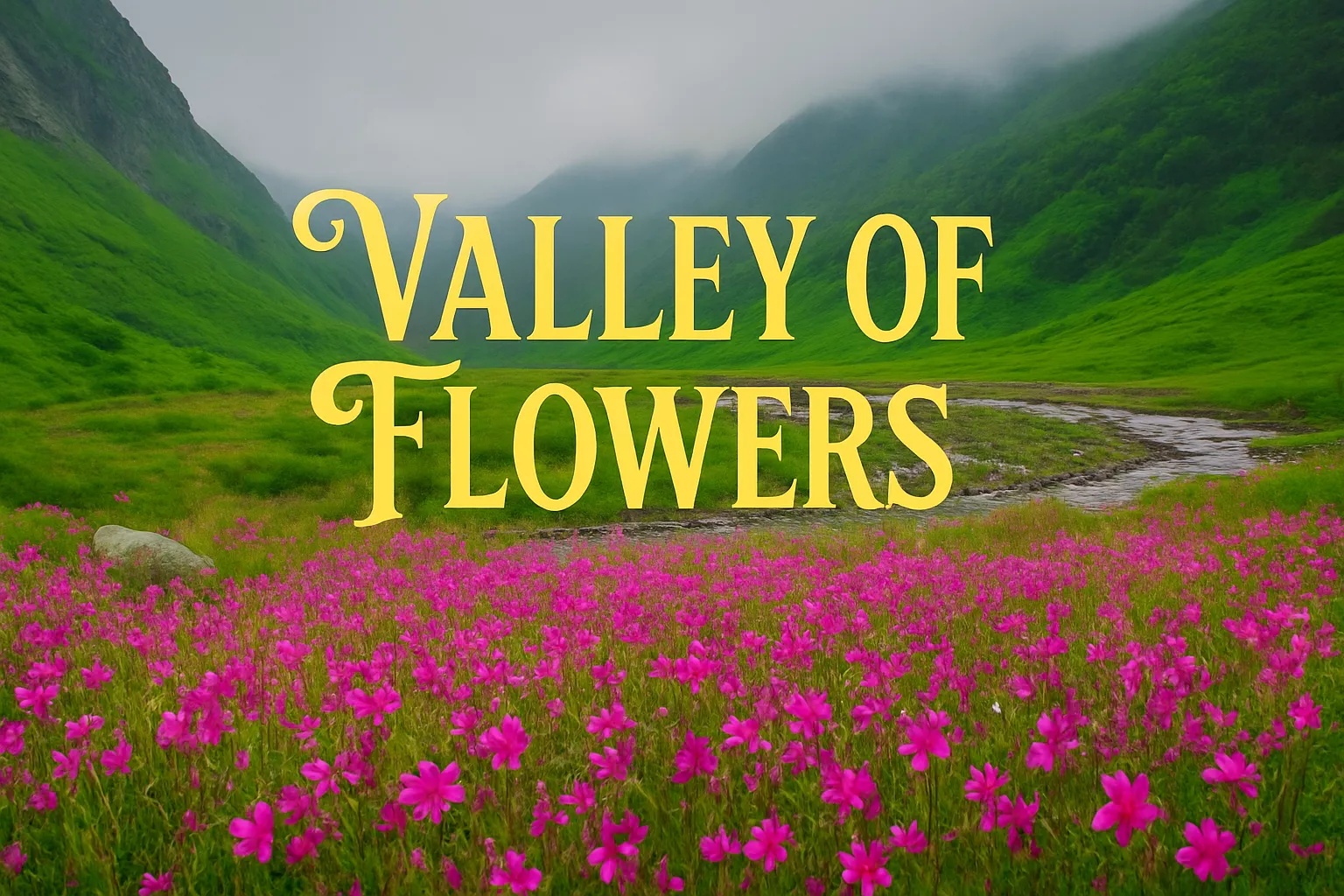
This day brings the most exciting moment of your entire journey. You walk into the Valley of Flowers, and suddenly, thousands of colorful blooms surround you. Pink flowers dance beside yellow ones. Purple flowers climb up rocks. Blue flowers stretch across meadows. You’ll remember these views forever.
Day 4: Ghangaria to Hemkund Sahib and back
- Trek Distance: 6 km each way
- Trek Duration: 8-9 hours
- Altitude Gain: 10,520 ft to 14,107 ft
This challenging day tests your strength and determination. The path zigzags back and forth as it climbs higher and higher. Finally, you reach Hemkund Sahib, a sacred Sikh shrine at the top. A beautiful gurudwara stands there, along with a pristine mountain lake. Here, you find peace and spiritual connection surrounded by the towering mountains.
Day 5: Trek from Ghangaria to Poolna, Drive to Dhak
- Trek Distance: 9 km
- Trek Duration: 4 hours
- Altitude Loss: 10,520 ft to 6,215 ft
- Drive Distance: 35 km
- Drive Duration: 1 hour 15 minutes
You head back down the mountain to Poolna, and your legs experience relief as the altitude drops. The descent lets you enjoy the surrounding nature one final time. After reaching Poolna, you drive to Dhak, where you rest your tired muscles for the last time on this expedition.
Day 6: Drive from Dhak to Rishikesh
- Drive Distance: 252 km
- Drive Duration: 9-10 hours
- Drop-off Point: Live Free Hostel, Rishikesh by 6:00 PM
The final day takes you back home. The long drive gives you time to think about all the incredible things you saw and experienced. You arrive in Rishikesh with memories that will last your entire lifetime.
Preparation and Tips
- Physical Preparation: The Valley of Flowers trek demands moderate difficulty, which means you need good physical fitness. Start exercising regularly several weeks before your trip. Run, walk, and do activities that build your stamina and strength.
- Permits and Regulations: You must get permission from the forest department in Ghangaria before you trek. Bring a copy of your photo identification. You’ll show it at forest checkpoints along the way.
- Packing Essentials: Pack clothes that protect you from rain and water. Bring sturdy hiking shoes that hold your feet safely. Include a first-aid kit with bandages and medicine. Carry enough food and water to keep you energized throughout each day.
- Accommodation: Small lodges sit along the entire trekking route. Booking your rooms ahead of time makes sense, especially during the busy season when many trekkers come.
- Respect Nature: Follow Leave No Trace principles to keep the valley beautiful and clean. Don’t drop garbage. Don’t pick flowers. Leave everything as you find it so future generations can enjoy this special place.
Why Trek the Valley of Flowers?
1. A Floral Wonderland:
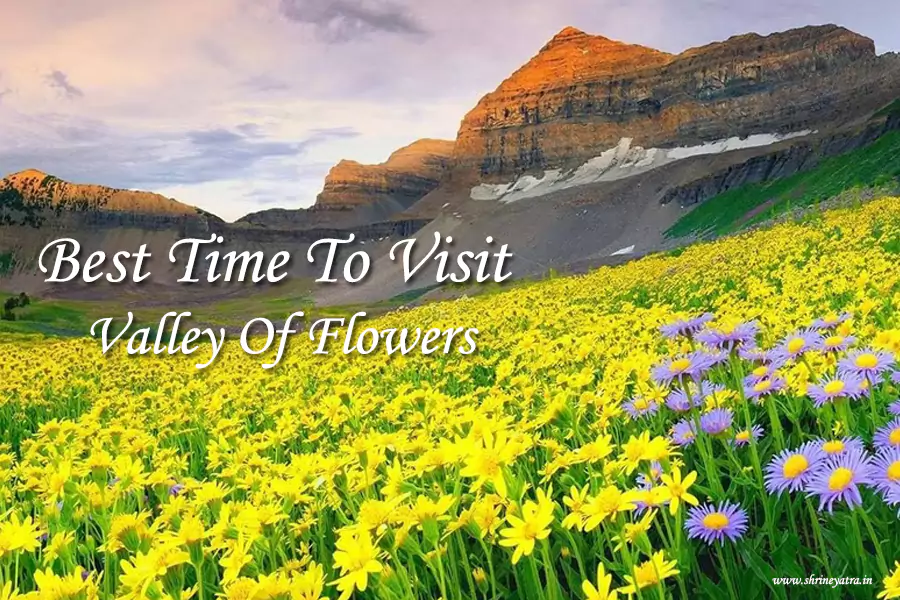
More than 500 different types of wildflowers grow in this valley. You’ll see blue poppies that glow like the sky. Himalayan bellflowers ring like tiny bells in the breeze. Cobra lilies with their strange curved petals grow alongside ordinary grasses. When monsoon rains fall from June to September, flowers burst open everywhere. The valley transforms into an explosion of colors that takes your breath away.
2. Rich Biodiversity:
The valley supports many different animals and creatures. Himalayan musk deer quietly move through the forests. Red foxes hunt for food in the tall grass. Hundreds of butterfly species flutter from flower to flower, creating rainbow patterns. Birds sing their unique songs throughout the day. Scientists study this special ecosystem to learn how to protect endangered animals and plants.
3. Spiritual Journey:
The trek brings you to Hemkund Sahib, a religious shrine respected by millions of Sikhs. The word “Hemkund” means “lake of ice” in Sanskrit. The gurudwara, which is a Sikh temple, welcomes all visitors with kindness and warmth. The glacial lake nearby stays frozen even in summer. Pilgrims come from all corners of India and the world to visit this sacred place and find spiritual peace.
4. Scenic Beauty:
The trek surrounds you with some of Earth’s most stunning natural views. Snow-covered mountain peaks touch the sky. Green valleys stretch out below you like nature’s carpets. Waterfalls crash down rocky cliffs, creating white rivers of water and mist. You hike through thick forests filled with trees that seem to touch the clouds. Rivers flow alongside the path, their water so clear you see rocks on the bottom. Every turn in the trail shows you something new and more beautiful than before.
5. Historical Significance:
UNESCO recognized the Valley of Flowers as a World Heritage Site because of its importance to human history and science. Botanists—scientists who study plants—travel here to discover new species and learn plant secrets. Nature lovers and trekkers from every country make pilgrimages to this valley. Artists find inspiration in the colors and shapes of the flowers. Writers create stories about their experiences here. The valley has captured human imagination for decades, and it continues to inspire everyone who visits.
Conclusion
The Valley of Flowers trek takes you on a magical journey through one of the Himalayan Mountains’ most beautiful and special regions. The famous status of this trek and its breathtaking views make it essential for anyone who loves adventure and nature. Whether you want excitement and challenge or peaceful moments surrounded by natural beauty, this trek delivers experiences that will touch your heart and stay with you forever. After you complete this journey, you’ll return home changed—with your spirit lifted, your heart fuller, and your mind filled with memories you’ll treasure always.
If you are planning for Char Dham Yatra with Valley of Flowers, book here https://www.shrineyatra.in/char-dham-packages