How to Register for Kailash Mansarovar Yatra in 2026?
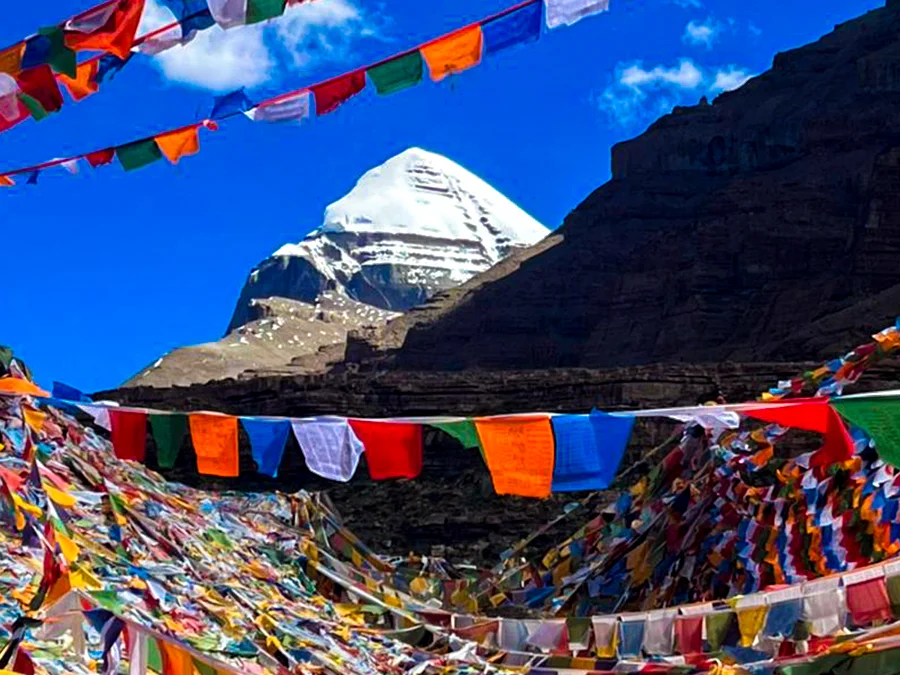
The journey toward Mount Kailash and Lake Mansarovar takes pilgrims to one of the most extraordinary spiritual locations on our planet. These sacred sites rest within the Tibet Autonomous Region of China, surrounded by breathtaking natural beauty. Devotees embarking on this expedition face intense physical demands, including extremely cold temperatures and reduced oxygen supplies at such elevated heights. To maintain the safety of all participants, government authorities require everyone to complete an official registration process before beginning their journey.
How to Register for Kailash Mansarovar Yatra 2026
Understanding Your Registration Options
Before you begin, understand that the pilgrimage registration works through two primary pathways. Individuals can register directly through the official government website, or they can book a complete tour package from an authorized travel company. Both approaches have their own advantages and different procedures.
Government of India Registration Steps
The Ministry of External Affairs (MEA) oversees the complete government registration system. Follow these steps to register through the official route:
- Step 1: Visit the Official Government Portal
Navigate to the Official Kailash Mandir Portal, which serves as the government’s designated registration website. The registration portal opens its doors during the months of January through March each year. - Step 2: Begin Your Application
Search for the option that says “Apply for Yatra” or “Registration” on the portal homepage and select it to proceed. - Step 3: Fill in Your Personal Information
A comprehensive form appears on your screen. Enter your complete name, residential address, working phone number, electronic mail address, and information about someone you want to contact in case of emergency situations. - Step 4: Upload Your Important Documents
The system now requests document files from you. Prepare your Aadhaar Card, a valid passport booklet, and photographs in the size typically used for official documents. Scan these items clearly and upload them into the specified sections. - Step 5: Complete Your Health Declaration
Fill out a medical self-declaration form where you honestly state your current health condition and physical fitness level. - Step 6: Send Your Application
Submit your completed application through the system. The website will provide you with an application identification number. Make a note of this number in a safe place. - Step 7: Participate in the Selection Process
When many people apply for limited spots, the MEA conducts a drawing process using computer selection. This lottery randomly chooses candidates from the applicant pool. If the system selects you, you will receive notification through text message or electronic mail. - Step 8: Attend Your Medical Examination
Those individuals who pass the selection process undergo health testing at government-approved medical centers. These examinations happen during the months of March and April. - Step 9: Make Your Payment
Once you clear all health examinations, you make an online payment to complete your registration and get your official permission documents. - Step 10: Receive Your Documents
After successful payment, the government sends you a confirmation document and an electronic permit. Keep these documents carefully as authorities will examine them at various checkpoints during your journey.
Private Tour Operator Registration Steps
If the government lottery does not select your application, you have another choice. You can submit an application again the following year, or you can arrange your journey with a private tour company. These companies operate without the lottery system.
- Step 1: Choose Your Tour Company
Research and select a travel company that holds official authorization from the government. Confirm that they maintain proper credentials and government registration. - Step 2: Book Your Complete Package
Discuss your travel dates and preferences with the tour operator. They will organize your permits, travel documents, and all necessary paperwork for your expedition. - Step 3: Share Your Personal Details
Provide the company with your full name, age in years, passport number, and contact information including your phone number and email address. - Step 4: Submit Your Documents
Give the tour company copies of your identification document and passport. Additionally, provide them with a written statement about your medical fitness. - Step 5: Pay for Your Journey
Make payment for the tour package selected. These packages typically include assistance with official paperwork, permits, meals during the trip, ground transportation, and overnight lodging. - Step 6: Obtain Your Permit and Details
Once the tour company processes your application, they give you your confirmation letter and official permit. You also receive your complete travel schedule and other important trip information. - Step 7: Complete Medical Screening
Ask your tour operator about any medical examinations you may need to complete. They can guide you to appropriate testing facilities. - Step 8: Begin Your Sacred Journey
Prepare yourself mentally and physically. Your journey takes place during the months of May through September, depending on your chosen schedule.
Documents Required for Kailash Mansarovar Registration
Gather all necessary paperwork before beginning your application. Having everything prepared prevents frustration and delays.
1. Valid Indian Passport
Your passport book must remain valid for no fewer than six complete months after your planned travel dates end. Verify your passport expiration date before applying.
2. Recent Passport-Size Photographs
Obtain between two and four photographs using a white or light-colored backdrop. These photos should all look the same and come from the same photography session. Use these identical photos for all your application forms.
3. Government-Issued Photo ID
Present one form of official identification. You can use your Aadhaar Card, Voter Identification Card, Driving License, or PAN Card. The name and details on your ID must match exactly with the information on your passport.
4. Medical Fitness Certificate
A doctor must issue this certificate confirming your physical readiness for high-altitude journeying. This examination typically measures your heart’s function, your lung capacity, and your overall wellness condition.
5. Medical Self-Declaration Form
You must personally sign and submit a written statement about your health. If you have any ongoing medical conditions or take medications regularly, you must note this clearly on the form. Hospitals and doctors often require this form.
6. Emergency Contact Information
Write down the name and phone number of someone family members know to contact if something happens to you. Include their electronic mail address and explain how this person relates to you.
7. Marriage Certificate
Those traveling as married couples must provide evidence of their marriage status. While optional for some travelers, authorities may request this document.
8. Additional Permits for Border Crossing
Depending on which route you choose, you might require additional paperwork. A China or Tibet permission document might be necessary, along with other entrance permits for specific boundary locations.
9. Signed Risk and Responsibility Acknowledgment
You must sign a document where you confirm that you comprehend the dangers present in high-altitude environments. This standard form comes with your application package.
Registration Fees and Other Charges
Plan your budget by understanding all the expenses involved in your registration and preparation.
Non-Refundable Registration Fees
Once the system selects you, you must pay 5,000 Indian Rupees as a one-time registration cost. This amount does not return to you under any circumstances.
Medical and Test Charges
Medical examinations will cost approximately 3,100 Indian Rupees. Special heart function tests called Stress Echo Tests cost around 2,500 Indian Rupees each.
Visa and Permit Charges
Depending on your chosen route to the pilgrimage site, you may need to purchase a China or Tibet entry permit. Budget approximately 2,400 Indian Rupees per traveler for this documentation.
Medical Tests Required for Registration
The pilgrimage destination sits at an exceptionally high mountain altitude. The environment there contains very little oxygen and has harsh weather patterns. For this reason, everyone must prove they possess good physical and mental health.
Here are some medical examinations tests that you must undergo to be eligible for this special pilgrimage:
| Test | Purpose |
| General Physical Examination | You’ll be tested for:
• Blood pressure (BP) • Pulse rate • Body Mass Index (BMI) • Oxygen saturation (SpO₂) • Overall physical fitness assessment |
| Electrocardiogram (ECG) | • Your heart rhythm and cardiac health will be checked
• Mandatory for all age groups, especially for pilgrims above 40 years |
| Treadmill Test (TMT) / Stress Test | • Your heart performance under physical stress will be assessed.
• Compulsory for pilgrims above 40–45 years |
| Blood Tests | You’ll be tested for:
• Haemoglobin (Hb) • Blood sugar • Kidney function tests (if advised) • Lipid profile (in some cases) |
| Chest X-Ray | • Your lung capacity and respiratory health will be evaluated
• Infections or chronic lung conditions can be detected through this test |
| Pulmonary Function Test (PFT) | • Your lung strength and breathing efficiency are measured
• This test is important because you’ll be exposed to a low oxygen environment during the Yatra |
| ENT and Vision Check | • Your ear pressure tolerance and hearing is checked
• Your vision adequacy for trekking conditions is also ensured |
| Mental Health and Stress Assessment | • This one evaluates your psychological readiness
• It’s mainly done to ensure you can cope with isolation and altitude stress |
Medical Screening Stages
The examination process happens in two separate phases.
Stage 1: Initial Medical Examination
Doctors perform this basic health check after you submit your application. This screening determines whether you meet the minimum fitness requirements to move ahead.
Stage 2: Final High-Altitude Clearance
This more thorough examination occurs when your travel date draws near. This final check confirms you truly possess the capability to manage the severe altitude circumstances you will encounter.
Where to Get Medical Tests Done
Government-run hospitals can perform your examinations. Hospitals that register with the government and doctors who gain approval from health authorities can also conduct these tests. Your final approval for the altitude challenge can be certified by doctors in the capital city of Delhi or in Kathmandu, Nepal.
Kailash Mansarovar Yatra 2026 Overview
| Aspect | Details |
| Yatra Year | 2026 |
| Registration Authority | Government of India (MEA) & Authorized Tour Operators |
| Modes | Government Route or Private Package |
| Eligibility Age | 18–70 years |
| Best Time | May to September |
| Cost | INR 2 Lakh+ |
| Altitude | Up to 19,500 ft |
| Difficulty | High |
Routes for Kailash Mansarovar Yatra
Pilgrims can choose from several different paths to reach the sacred location.
1. Lipulekh Pass Route (Uttarakhand to Tibet)
This pathway begins in Uttarakhand, a region in northern India, and crosses at Lipulekh Pass, which marks the boundary between India and Tibet.
| Feature | Details |
| Starting Point | India (Uttarakhand) |
| Border Crossing | Lipulekh Pass (India–Tibet border) |
| Travel Mode | Road + Trek segments |
| Route Highlights | Route passes through Dharchula → Dhun – Chitar-Tarkeshwar → Lipulekh Pass → Purang (Taklakot) → Mansarovar → Kailash |
| Terrain | High-altitude roads + short trekking stretches |
| Best For | Pilgrims seeking a traditional and scenic route |
| Difficulty Level | Moderate to high (due to altitude and some trekking) |
| Advantages | This is the official government route and offers direct access through Uttarakhand |
| Challenges | • High altitude passes
• Requires good acclimatization |
2. Nathu La Pass Route (Sikkim to Tibet)
This pathway originates in Sikkim, a state in eastern India, and enters Tibet via Nathu La Pass.
| Feature | Details |
| Starting Point | India (Sikkim) |
| Border Crossing | Nathu La Pass (India–Tibet border) |
| Travel Mode | Road |
| Route Highlights | Siliguri/Bagdogra → Gangtok → Nathu La → Shigatse → Mansarovar → Kailash |
| Terrain | Road journey with gradual altitude gain |
| Best For | Pilgrims who prefer a less trekking-intensive experience |
| Difficulty Level | Moderate |
| Advantages | • Easier road journey
• Smoother acclimatization |
| Challenges | Weather disruptions (rain/mudslides) can affect road access |
3. Nepal Route (Kathmandu to Tibet)
This pathway starts from Kathmandu, the capital of Nepal, and reaches Tibet through the Nepal-Tibet entry point.
| Feature | Details |
| Starting Point | Kathmandu, Nepal |
| Border Crossing | Nyalam – Zhangmu (Nepal-Tibet entry) |
| Travel Mode | Road |
| Route Highlights | Kathmandu → Kodari/Nyalam → Shigatse → Mansarovar → Kailash |
| Terrain | • Mainly road travel
• Good acclimatization stops |
| Best For | Pilgrims who prefer smooth travel with minimal trekking |
| Difficulty Level | Easy to moderate |
| Advantages | • Shorter road stays
• Suitable for all ages • Easier logistics |
| Challenges | • International border formalities
• Visa coordination |
Best Time for Kailash Mansarovar Yatra
The finest season to undertake this pilgrimage spans from May through September. Throughout this five-month window, daytime temperatures hover between five and fifteen degrees Celsius, while nighttime temperatures range from minus five to five degrees Celsius. You may encounter light snow during this window.
Extreme weather conditions and difficult mountain terrain mean the pilgrimage operates only during four to five months yearly. The remaining months bring conditions too dangerous for organized pilgrimages.
Month-by-Month Weather Overview
| Period | Weather Conditions | Highlights |
| May – Early June | · Best Overall Time
· Clear skies and fresh mountain air · Less rainfall · Better visibility of Mount Kailash · Manageable daytime temperatures |
· Most stable weather
· Smooth Parikrama conditions · Ideal for first-time pilgrims and senior citizens |
| Mid-June – July | • Beginning of monsoon
• Occasional rain, but the Yatra still continues smoothly • Slightly warmer temperatures |
· Pilgrims who prefer moderate cold |
| August | • Increased rainfall, especially on Nepal routes
• Expect slippery trails during Parikrama • • Enjoy lush landscapes, especially around Mansarovar |
• Monsoon-Affected but manageable
• Physically fit pilgrims • Travellers with experienced tour operators |
| September (Last & Spiritually Popular Month) | • You get clear post-monsoon skies
• Crisp air • Excellent visibility • Less pilgrim rush compared to peak months |
• Calm atmosphere
• Ideal for meditation and spiritual focus • Cooler Weather • Stable conditions |
Periods to Completely Avoid
Never travel between October and April. These months experience tremendous snowfall in these areas. Temperatures drop below freezing consistently. The authorities close all routes, and organized pilgrimages stop completely.
Eligibility Criteria for Kailash Mansarovar Yatra
All candidates must satisfy certain requirements whether applying through government channels or private companies.
Citizenship Requirement
You must hold Indian citizenship. Your passport book must hold current validity for a minimum of six complete months beyond your travel period.
Age Limitation
Your age must fall somewhere between eighteen and seventy years old when you participate in the pilgrimage.
Physical and Mental Fitness Requirement
Your body and mind must both function well. You must obtain passing grades on heart rhythm and physical stress examinations. Your blood pressure measurements and blood oxygen percentage must meet specified standards.
Body Mass Index Limitation
Your body weight measured against your height (called BMI) cannot exceed twenty-seven. Those carrying excess body weight face higher dangers at these elevated heights.
Mandatory Final Medical Clearance
You must successfully complete the essential final altitude readiness evaluation. Participants who do not pass this examination become disqualified from continuing.
Reasons for Application Rejection
Certain situations result in rejection of your application. These situations include the following:
- Your passport document is no longer valid or approaching expiration
- Details on your ID documentation do not correspond with your passport data
- Your medical evaluations fail to meet required standards
- You have serious medical conditions such as heart disease, chronic lung conditions, severe arthritis, or unmanaged blood sugar problems
Why Should You Register Early?
Several valuable reasons exist to submit your application during the early registration period.
- Increased Chances of Selection
The available spaces remain limited while application numbers run very high. Those registering early have significantly better possibilities of receiving selection approval. - Sufficient Time for Medical Testing
Various mandatory examinations take time to complete. Early registration allows you to schedule all tests with adequate spacing. If doctors recommend repeating any test, you have time for this. You can also work to improve your blood pressure, blood sugar, and overall fitness before final examinations. - Better Package Pricing
When booking with established travel companies, early registrations frequently receive reduced costs and special offers on trip expenses. - Choice of Your Preferred Timeline
Those registering early get to choose which month between May and September works best for their schedule. Available dates fill up as time progresses. - Comprehensive Preparation Time
Early registration provides extended time to gather all necessary documents, purchase proper clothing, obtain required gear, and mentally prepare for the challenge ahead. This eliminates last-moment stress and worry. - Priority Access to Trusted Companies
Established and reliable tour companies hold spots reserved for early applicants. Excellent companies fill their available positions rapidly, particularly when many pilgrims want to book with them.
Common Registration Mistakes to Avoid
Knowing what errors to prevent helps increase your chances of successful approval.
- Passport Problems
Never use a passport that no longer shows valid dates. Stay away from passports that will expire soon. Authorities will immediately reject your application if your passport faces any validity problems. - Late Registration
Do not postpone submitting your application until days before the deadline. Available spots remain scarce, and late applicants often find their preferred months no longer available. - Mismatched Information
Double-check that your name, birth date, and gender appear exactly the same on both your passport and your identification document. Even small spelling differences cause rejection. - Overlooking Medical Requirements
Take time to thoroughly understand all health-related expectations. Confirm that your personal health situation satisfies every requirement beforehand. - Hiding Medical Information
Never conceal any health problems or medical conditions from examiners. Dishonesty during examination stages leads to disqualification later. - Unverified Medical Documents
Ensure that doctors providing medical certificates hold proper authorization and government approval. Reports from unauthorized medical professionals face rejection. - Poor Quality Document Scans
Submit crisp, clear scans of all your documentation. Avoid submitting blurry pictures or photographs taken years ago. - Misunderstanding Selection Process
Remember that submitting an application does not guarantee you will be selected. The lottery system randomly chooses candidates from all applicants. - Losing Important Numbers and Receipts
Preserve your application identification number, payment confirmations, and medical examination reports in a safe location. - Unauthorized Tour Company Bookings
Always book with companies holding official government authorization. Unauthorized operators can lead to journey cancellation at the final moment.
Summary
Beginning your religious journey toward Mount Kailash and Mansarovar Lake requires completing registration procedures first. You can complete this registration either through the official government website or through approved travel companies. You will need to obtain medical examinations and meet all health requirements as part of this process.
Frequently Asked Questions
Q1. What months will the Kailash Mansarovar Yatra operate in 2026?
The pilgrimage travels during May through September. Registration applications typically open in January and remain open until the end of March.
Q2. Do you have to register to participate?
Absolutely, registration becomes mandatory. You must register either through government authorities or through an authorized travel company.
Q3. Can people who are getting older still participate in this Yatra?
Certainly, older adults can journey to Kailash and Mansarovar. They must, however, prove through medical testing that they possess adequate fitness and can handle the physical and mental demands of this experience.
Q4. Do you need a passport for this journey?
An active Indian passport becomes absolutely necessary for this spiritual expedition.
Q5. What requirements must someone meet to participate?
Participants must be aged between eighteen and seventy years. Everyone must own a working Indian passport. Additionally, all people must maintain good health and pass every medical examination required.
If you are planning for Kailash Mansarovar Yatra, book here https://www.shrineyatra.in/kailash-mansarovar-yatra-packages