
Char Dham Yatra: Spiritual Significance & Importance for Hindus
The Char Dham Yatra is one of the most sacred pilgrimages in Hinduism, encompassing four holy shrines nestled in the Himalayas. For millions of devotees, this spiritual journey represents the ultimate path to salvation and divine blessings. This ancient pilgrimage holds profound religious, cultural, and spiritual importance in Hindu tradition. In this guide, you’ll discover what makes the Char Dham so significant, its spiritual benefits, and everything you need to know about this transformative journey.
What Is Char Dham?
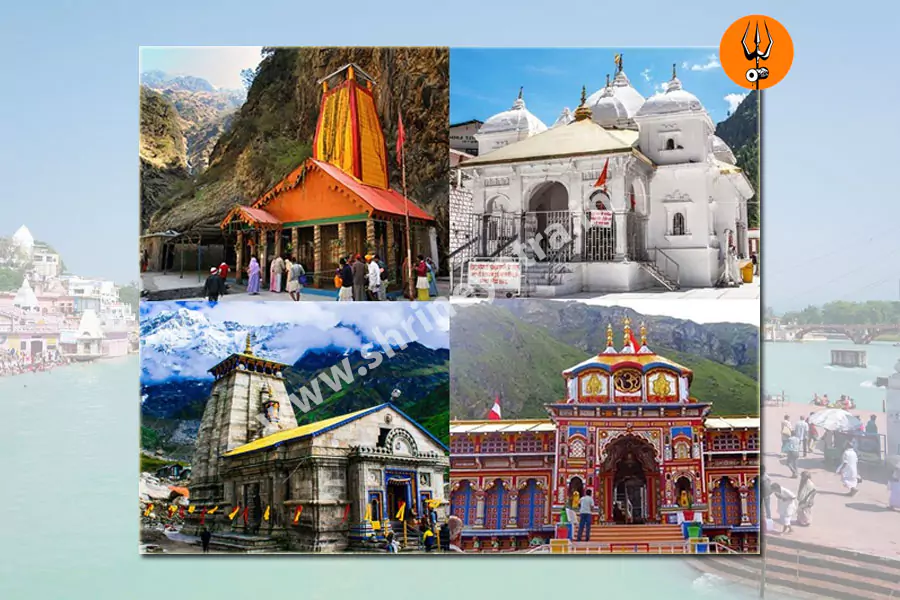
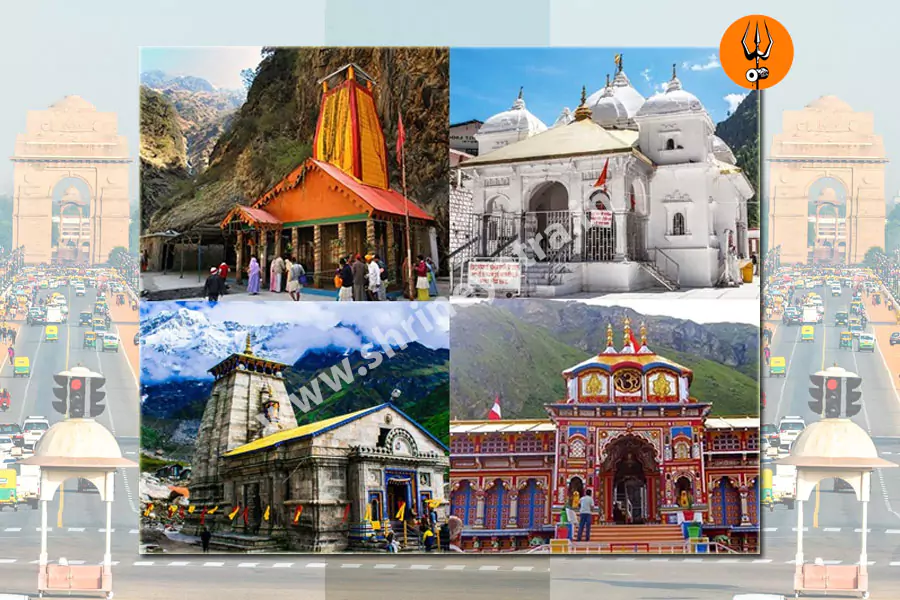
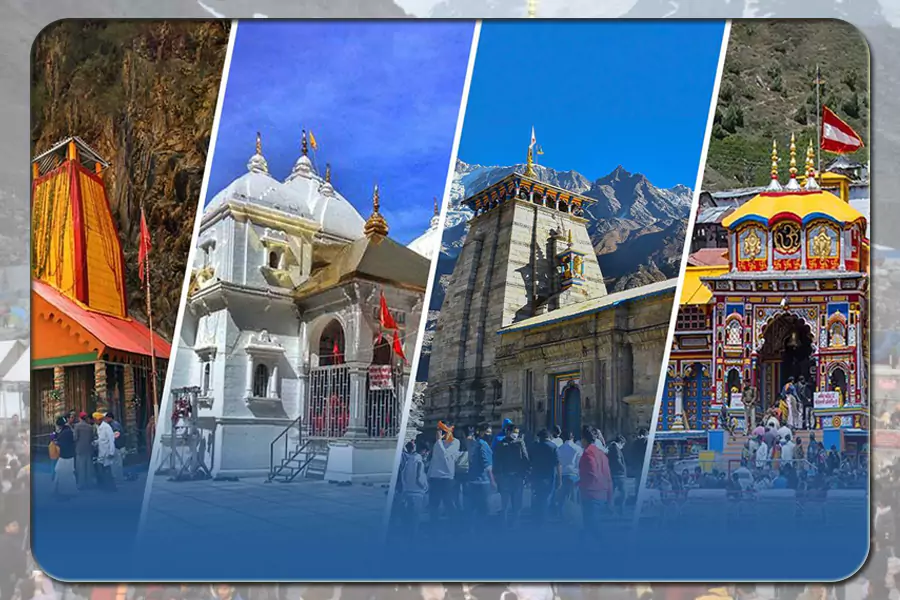
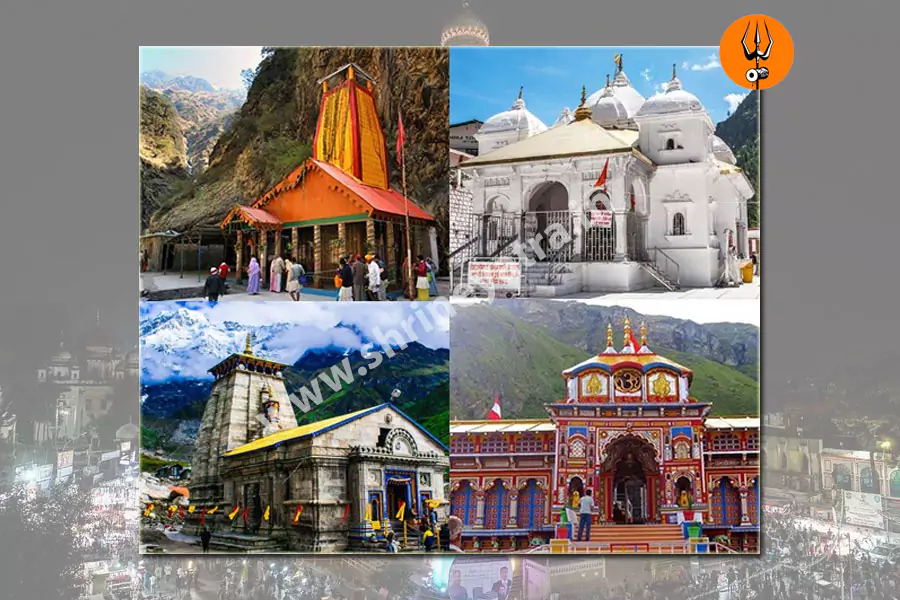
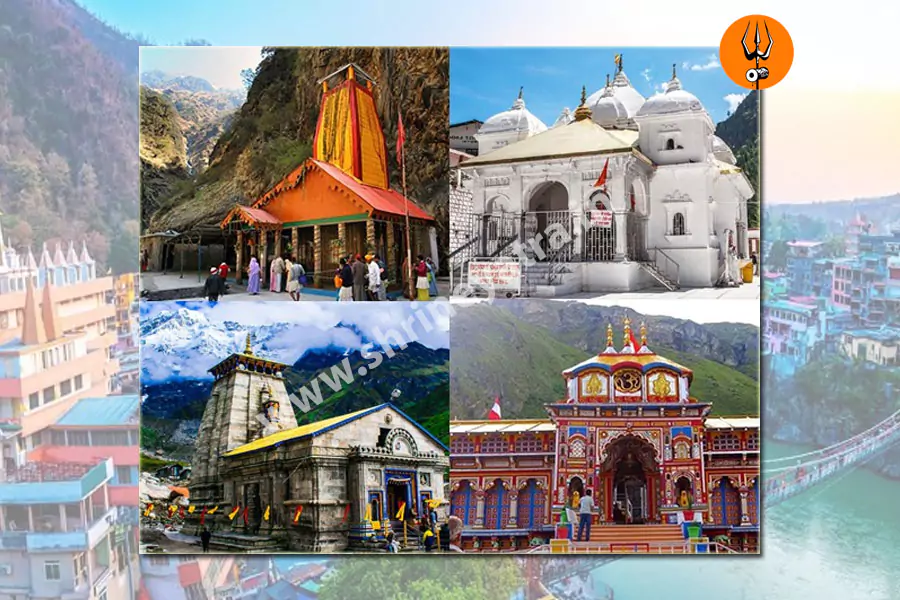
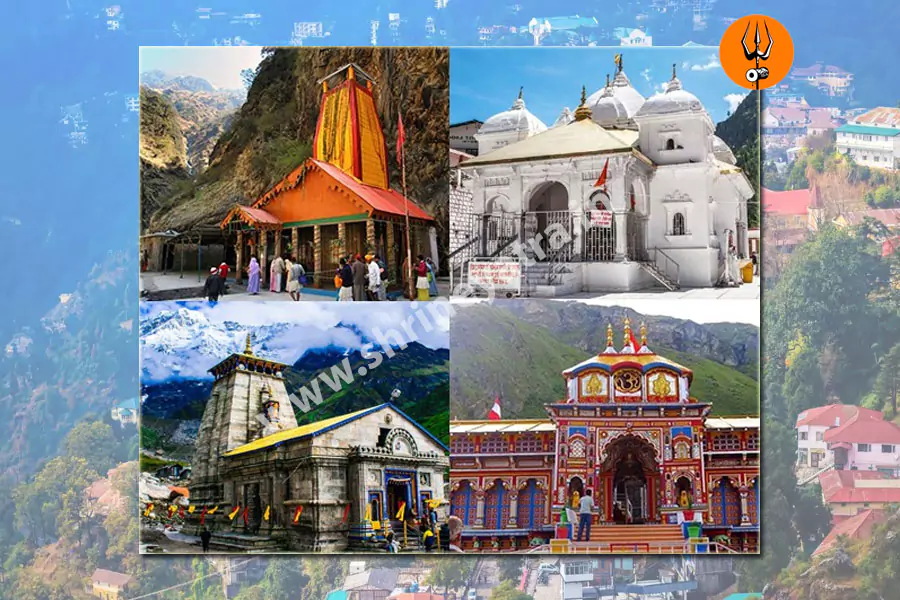
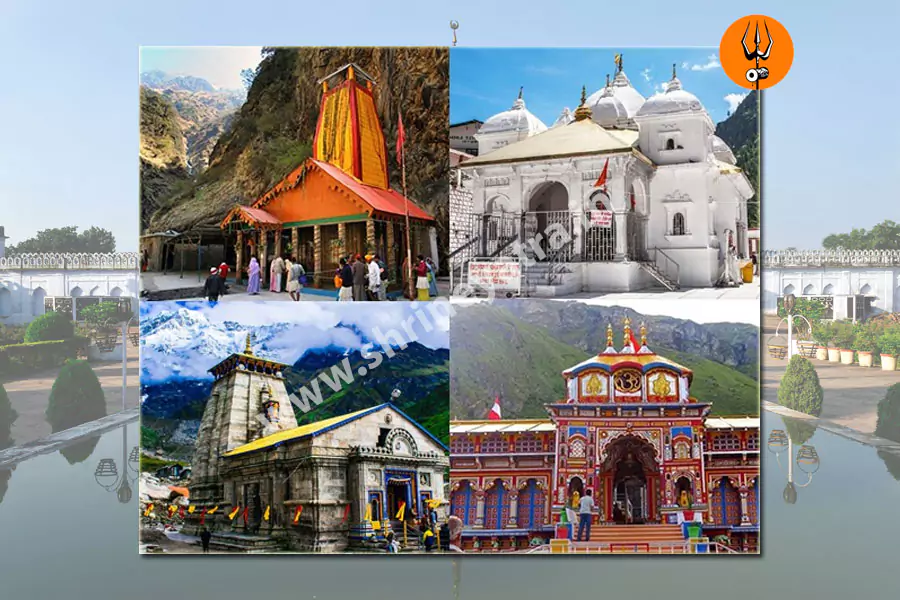
Char Dham refers to four sacred Hindu pilgrimage sites located in the Garhwal region of Uttarakhand, India. The four dhams are Yamunotri, Gangotri, Kedarnath, and Badrinath. According to Hindu scriptures, visiting these four shrines completes the cycle of spiritual purification and leads devotees toward moksha (liberation from the cycle of birth and death).
The pilgrimage traditionally begins from the west at Yamunotri, proceeds to Gangotri, then moves to Kedarnath, and concludes at Badrinath in the north. Each shrine is dedicated to a specific deity and is associated with sacred rivers that originate from these mountains. The Char Dham circuit has been a cornerstone of Hindu spirituality for centuries, drawing pilgrims from across the world.
Why Is Char Dham Important?
- Spiritual Liberation: Completing the Char Dham Yatra washes away sins and grants moksha, freeing the soul from the cycle of rebirth.
- Sacred River Origins: Each dham is connected to holy rivers—Yamuna, Ganga, Mandakini, and Alaknanda.
- Divine Presence: Yamunotri honors Goddess Yamuna, Gangotri worships Goddess Ganga, Kedarnath is dedicated to Lord Shiva, and Badrinath to Lord Vishnu.
- Historical & Cultural Heritage: The dhams are mentioned in ancient texts like the Puranas and Mahabharata.
- Personal Transformation: Pilgrims often experience peace, clarity, and spiritual awakening.
Key Spiritual Highlights of Each Dham
Yamunotri: The Source of River Yamuna
Yamunotri, situated at 3,293 meters, is the source of the Yamuna River and is dedicated to Goddess Yamuna. Pilgrims take a holy dip in the thermal springs at Janki Chatti and offer prayers at the temple.
Gangotri: The Descent of Goddess Ganga
Located at 3,100 meters, Gangotri marks the origin of the River Ganga. King Bhagirath’s penance brought Ganga from heaven to earth. The temple dedicated to Goddess Ganga attracts thousands seeking purification.
Kedarnath: Abode of Lord Shiva
Kedarnath, at 3,583 meters, is one of the holiest Shiva shrines and houses one of the twelve Jyotirlingas. Its connection with the Pandavas adds to its spiritual importance.
Badrinath: Sanctuary of Lord Vishnu
Badrinath sits at 3,133 meters along the Alaknanda River. Dedicated to Lord Vishnu in his meditative form, it is one of the 108 Divya Desams.
How the Char Dham Yatra Works: Traditional Sequence
- Start at Yamunotri: Begin your journey at the westernmost dham.
- Proceed to Gangotri: Visit the origin of the Ganga.
- Journey to Kedarnath: Trek or take a helicopter to Lord Shiva’s abode.
- Conclude at Badrinath: Offer prayers at the final dham of the circuit.
- Return Journey: Pilgrims may visit Rishikesh or Hemkund Sahib on return.
Cost & Budget Planning
- Budget Package: ₹20,000–₹30,000 per person includes basic accommodation, shared transport, and meals. Ideal for devotees seeking a simple, authentic experience. [Explore our budget-friendly Char Dham packages →].
- Deluxe Package: ₹30,000–₹50,000 per person offers comfortable hotels, private vehicles, and organized darshan arrangements with guide services. [View deluxe Char Dham tour packages →]
- Premium Package: ₹50,000–₹1,00,000 per person includes luxury accommodations, helicopter services to Kedarnath, personalized services, and VIP darshan facilities.
Best Tips for Char Dham Pilgrims
- Timing Matters: Plan your visit between May and June or September and October for the best weather conditions. The temples remain closed during winter months (November to April). [Check our Char Dham travel calendar and opening dates →]
- Physical Preparation: Start fitness training at least 2–3 months before your journey. The high altitude and steep treks demand good cardiovascular health and stamina. [Read our complete fitness guide for Char Dham Yatra →]
- Register Online: Complete mandatory registration on the Uttarakhand government’s official portal before departure. This ensures safety tracking and medical assistance. [Step-by-step Char Dham registration guide →]
- Pack Smart: Carry warm clothing, rain gear, comfortable trekking shoes, first-aid kit, oxygen cylinders (for high altitude), and essential medicines. Pack light but thoroughly. [Download our complete Char Dham packing checklist →]
- Acclimatize: Spend a day at moderate altitude locations like Haridwar or Rishikesh before ascending to the dhams to prevent altitude sickness.
- Respect Local Customs: Follow temple protocols, dress modestly, maintain silence in sacred areas, and avoid leather items at temple premises.
- Stay Hydrated: Drink plenty of water throughout the journey to combat altitude effects and maintain energy levels.
- Book Accommodations Early: During peak season, hotels and dharamshalas fill quickly. Make advance reservations to avoid last-minute hassles.
Frequently Asked Questions (FAQ)
Can elderly people undertake the Char Dham Yatra?
Yes, elderly pilgrims can visit all four dhams with proper planning. Helicopter services are available for Kedarnath, and pony or palanquin services are accessible at all sites. However, consult a doctor before travel and carry necessary medications. Many senior citizens complete this pilgrimage successfully with family support.
What is the best time to visit Char Dham?
The ideal time is from May to June when the weather is pleasant and all temples are open. September to early November is also good, offering clear skies after monsoon. Avoid July-August due to heavy rainfall and landslide risks. The temples close around Diwali and reopen in April-May.
Is advance booking mandatory for Char Dham Yatra?
While not always mandatory, advance booking is highly recommended for accommodations, transportation, and helicopter services, especially during peak season. Additionally, online registration with Uttarakhand authorities is now required for safety and crowd management purposes.
How many days are required for the Yatra?
A complete Char Dham Yatra typically requires 10–14 days, including travel time, temple visits, and rest days for acclimatization. Shorter 7-day packages are available using helicopter services for Kedarnath, but allow more time for a fulfilling spiritual experience.
Are medical facilities available?
Yes, medical facilities and first aid centers are available at major towns and near all four temples. However, carry your personal medications, especially for altitude sickness, blood pressure, and diabetes. Emergency helicopter evacuation services are also available if needed.
Can the Char Dham be visited in any order?
Traditionally, the clockwise route starting from Yamunotri is considered most auspicious. However, due to practical constraints like weather or road conditions, pilgrims sometimes alter the sequence. The spiritual merit remains intact regardless of the order, though following tradition is preferred.
Conclusion
The Char Dham Yatra represents the pinnacle of Hindu pilgrimage, offering not just religious merit but a transformative journey through breathtaking Himalayan landscapes and profound spiritual experiences. Whether you seek moksha, divine blessings, or inner peace, this sacred circuit provides a path to connect with the divine and discover your true self. Plan your pilgrimage carefully, prepare thoroughly, and embark on this life-changing journey with devotion and an open heart. May your Char Dham Yatra bring you eternal blessings and spiritual fulfillment.