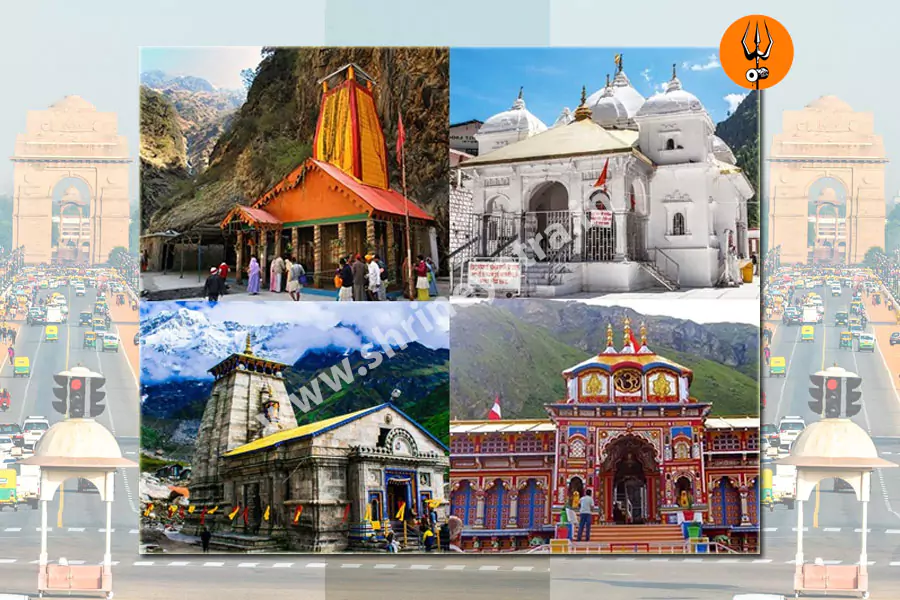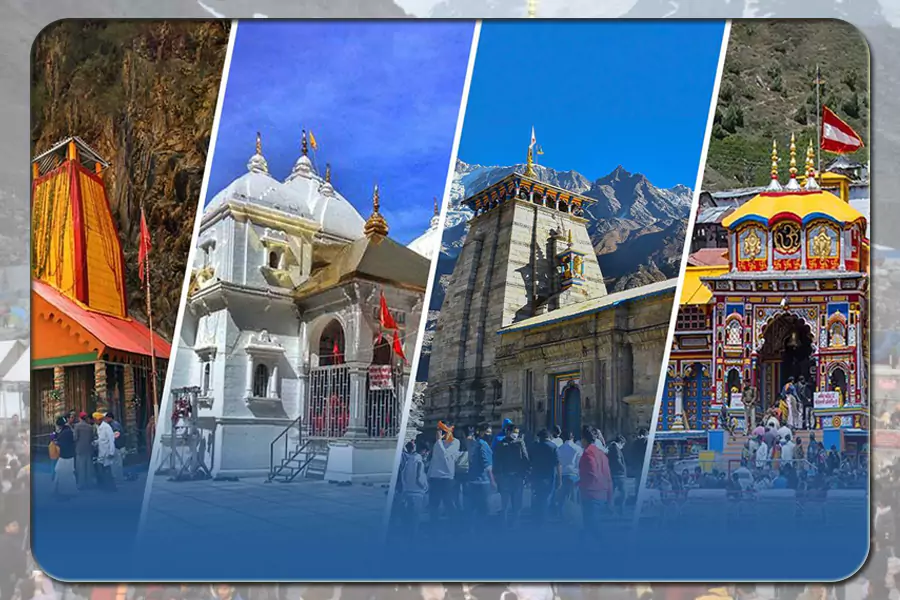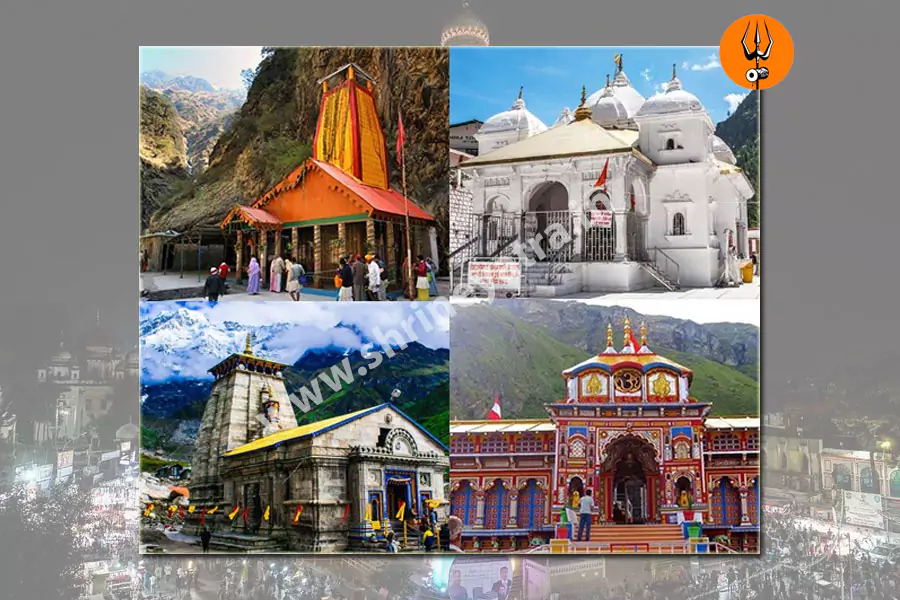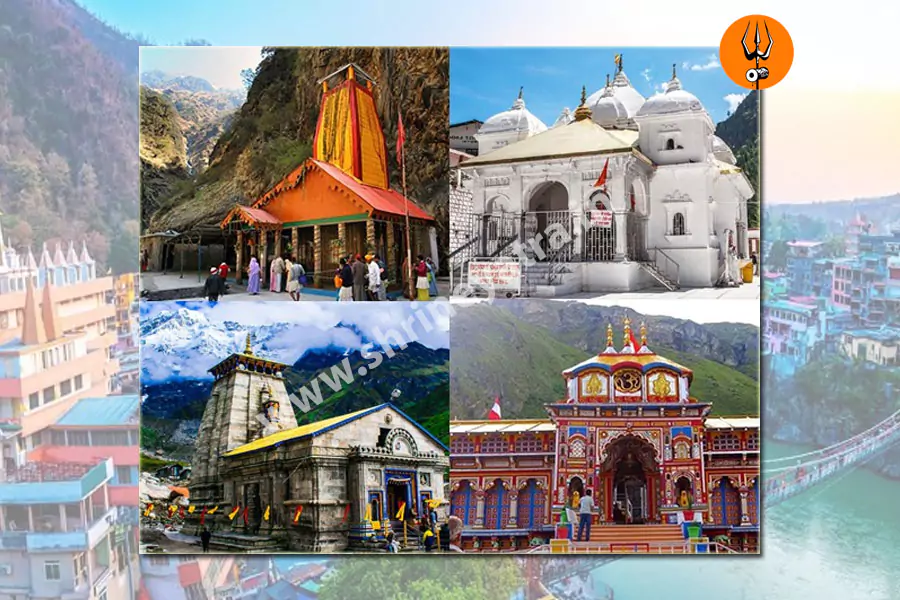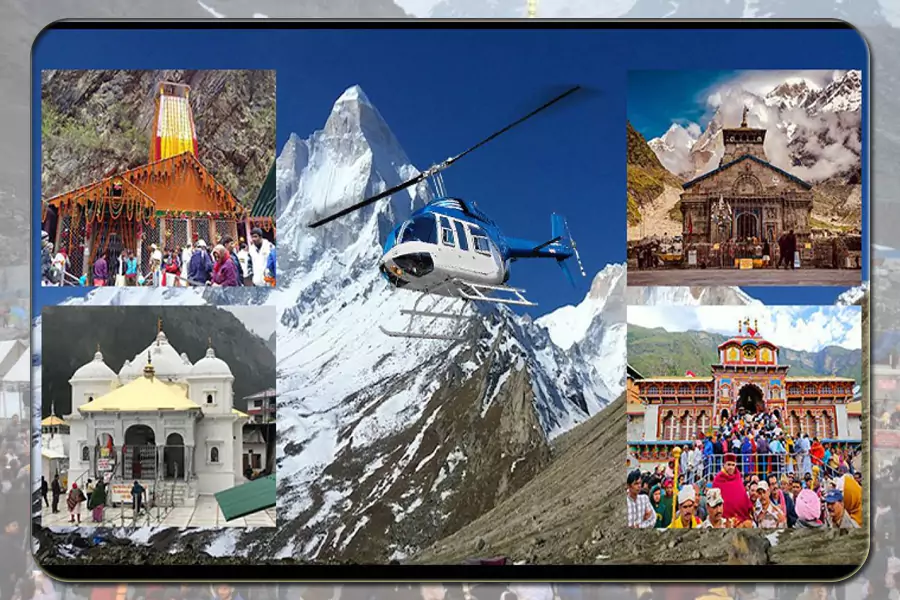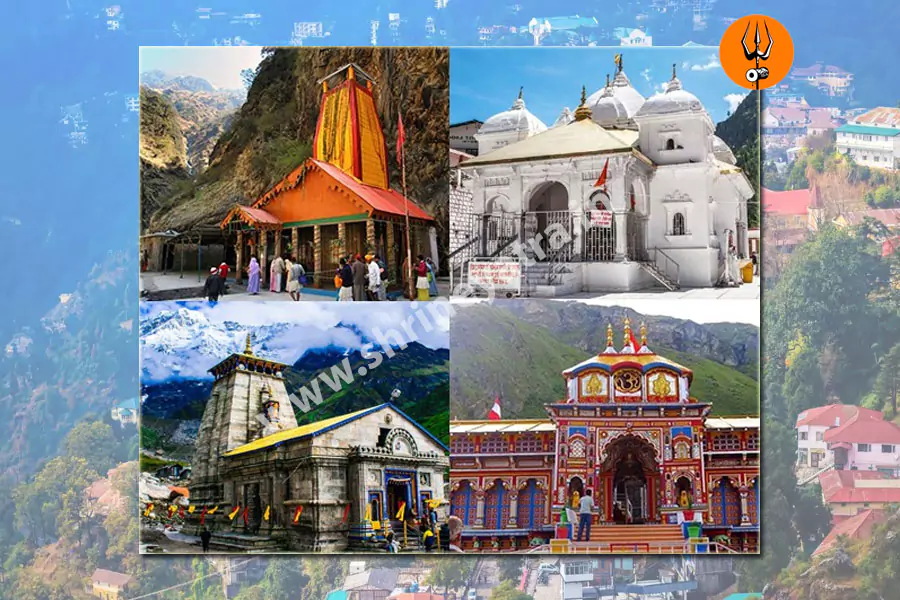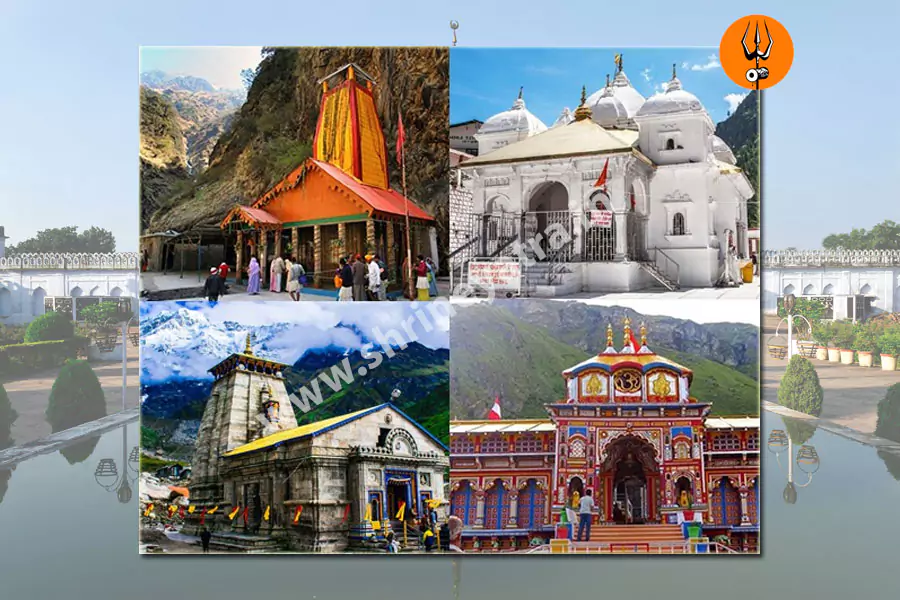

Before You Begin Do Dham Yatra 2026 – Read This First!
Embarking on the Do Dham Yatra is a meaningful journey that connects devotion, spirituality, and nature. For many, visiting Kedarnath and Badrinath is a long-awaited dream. As 2026 approaches, the Yatra is expected to be smoother with better facilities, improved connectivity, and stricter safety measures.
Why Pilgrims Prefer Do Dham Yatra
Many choose the Do Dham Yatra Package because it covers two of the most sacred temples in the Himalayas – Kedarnath and Badrinath; within a manageable timeframe. It’s ideal for pilgrims who want a fulfilling spiritual experience without the longer duration of the Char Dham Yatra.
Importance of Kedarnath and Badrinath
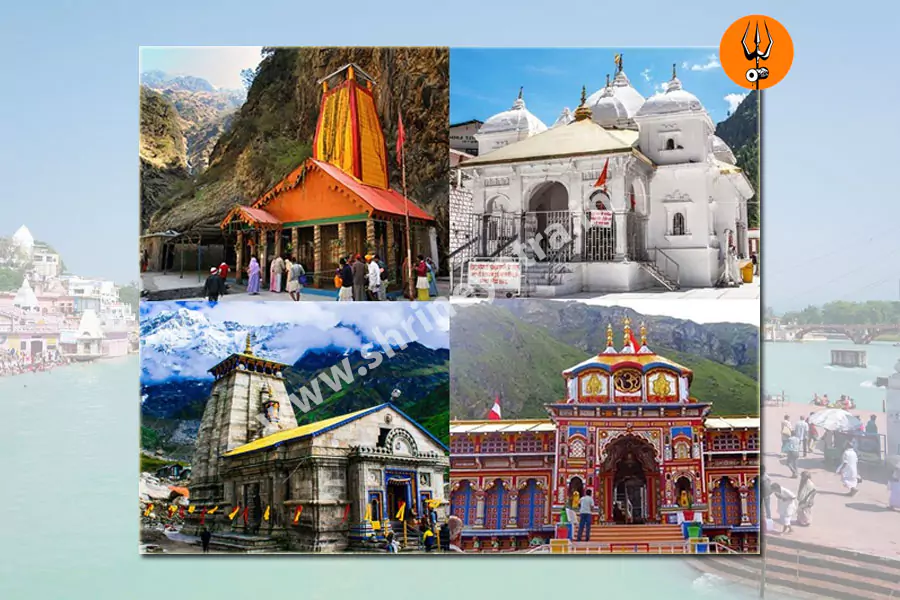
Kedarnath is dedicated to Lord Shiva, while Badrinath honors Lord Vishnu. Together, they represent balance and harmony. Their location in the Garhwal Himalayas adds to their divine aura and draws millions each year.
What’s New for Do Dham Yatra 2026
Updated Registration Requirements
Authorities have tightened registration rules to ensure crowd management and safety. Every pilgrim must register online or at designated counters before entering the Yatra route.
Road and Weather Enhancements
Road widening projects and improved weather monitoring systems will reduce delays and closures. This makes travel more predictable and safer.
New Facilities for Pilgrims
Expect upgraded shelters, medical points, clean washrooms, and better food availability along the trek routes.
Choosing the Best Time for Your Yatra
Ideal Months to Travel
May to June and September to mid-October are the most favorable months. The weather stays stable, and the temples remain accessible.
Seasonal Challenges to Keep in Mind
Monsoon season brings landslide risks, and early May or late October can be chilly. Always check weather updates before starting your trip.
Essential Registration & Document Checklist
Mandatory Yatra Registration
This helps authorities track pilgrims and provide timely support during emergencies. Always keep a soft and hard copy of your registration slip.
Required ID Proofs
Carry Aadhaar, PAN, passport, or voter ID. You may need them at multiple checkpoints.
Biometric & Health Verification
Some regions require biometric verification and a simple health check to ensure you’re fit for the trek.
How to Reach Kedarnath and Badrinath in 2026
Nearest Airports and Railway Stations
Jolly Grant Airport (Dehradun) and Rishikesh/Haridwar railway stations serve as major entry points.
Updated Road Routes
Newly improved highways and landslide-resistant stretches make the drive more comfortable.
Helicopter Services for Faster Travel
Helicopter bookings open early. They are ideal for seniors, children, or anyone short on time.
Accommodation Options for Every Budget
Dharamshalas and Guesthouses
Affordable and comfortable, they offer basic amenities and traditional hospitality.
GMVN Rooms
These government-run accommodations provide reliable, hygienic stays at reasonable prices.
Hotels and Private Stays
Private hotels in Guptkashi, Joshimath, and Sonprayag offer modern facilities and scenic views.
Packing Guide for a Safe Yatra
Clothing Checklist
Pack warm layers, rain gear, trekking shoes, and woolen socks.
Medicines & Essentials
Carry a basic first-aid kit, pain relievers, and altitude sickness tablets if needed.
Electronics & Gadgets to Carry
Power banks, torchlights, and waterproof mobile covers are essential.
Physical & Mental Preparation
Basic Fitness Tips
Walk daily, practice light jogging, and strengthen your legs before the Yatra.
Breathing & Acclimatization
Deep breathing exercises help you adjust to high altitude.
Staying Calm in High Altitudes
Meditation can help you stay relaxed during long treks.
Safety Guidelines for Do Dham Yatra 2026
Weather Alerts
Always follow official advisories. Sudden changes are common in the Himalayas.
Important Helpline Numbers
Save emergency contacts like disaster management, local police, and medical helplines.
Do’s and Don’ts for Pilgrims
Stay on marked paths, avoid throwing waste, and follow instructions from authorities.
Budget Planning for Do Dham Yatra
Estimated Cost Breakdown
Travel, accommodation, food, registration, and trekking gear are the major expenses.
Ways to Reduce Extra Expenses
Book hotels early, travel in groups, and avoid last-minute bookings.
Food & Water Availability
Langars & Community Meals
Many temples and NGOs offer free meals along the route.
Packed Food Options
Carry dry snacks, fruits, and ORS packets for energy during the trek.
Must-Know Tips for First-Time Pilgrims
Avoiding Altitude Sickness
Ascend slowly and rest when needed.
Staying Hydrated
Drink water regularly but avoid icy cold water.
Keeping Your Devices Charged
Portable chargers help when electricity is limited.
Environmental Responsibility
Keeping the Himalayas Clean
Dispose of waste in dustbins and avoid plastic as much as possible.
Responsible Trekking Habits
Respect nature, wildlife, and local customs.
Conclusion
Do Dham Yatra 2026 promises a smoother and more organized experience for pilgrims. With improved facilities, clear guidelines, and better connectivity, the journey becomes safer and more fulfilling. Preparing well—physically, mentally, and logistically—ensures you enjoy every moment of this sacred trip. Start early, plan wisely, and embrace the divine beauty of the Himalayas.
FAQs
1. When will Do Dham Yatra 2026 start?
It usually begins in early May, depending on temple opening dates.
2. Is registration compulsory for the Yatra?
Yes, every pilgrim must register through the official portal.
3. Can seniors undertake the Yatra safely?
Yes, with proper planning, slow movement, and medical clearance.
4. Are helicopter services available in 2026?
Yes, pre-booking is recommended due to high demand.
5. What is the total duration of Do Dham Yatra?
Typically 6–7 days, depending on your route and travel mode.