Want to visit Chardham but confused about the best time? This page helps you pick the best month for Chardham Yatra. It fits your health, budget, and time. It shows the best season to visit Char Dham with clear weather tips and safety notes. It also gives 4 Dham Yatra best time facts so you don’t get stuck on the road. Finally, it gives easy steps to plan and book your trip.
Chardham means four holy places in Uttarakhand: Yamunotri, Gangotri, Kedarnath, and Badrinath. People go for worship, peace, and nature. The temples sit high in the hills. So the best time to visit Chardham Yatra depends on snow, rain, and road access.
In most years, the best time to visit Char Dham Yatra is when snow melts and roads open. This is usually in late April and May. After that, the best season for Char Dham Yatra runs through early summer and then again in early autumn. If you want quiet time and the best month to visit Char Dham, September and early October are good. But some months are risky due to heavy rain or snow. So check the latest opening and closing dates before you book.
Read on to learn the best month for Chardham Yatra by helicopter and road, the safest season to visit Char Dham, and how to pick the best time for your trip.
Best Time to Visit: Month-by-Month Guide

Summer Season (April to June): The Most Preferred Time
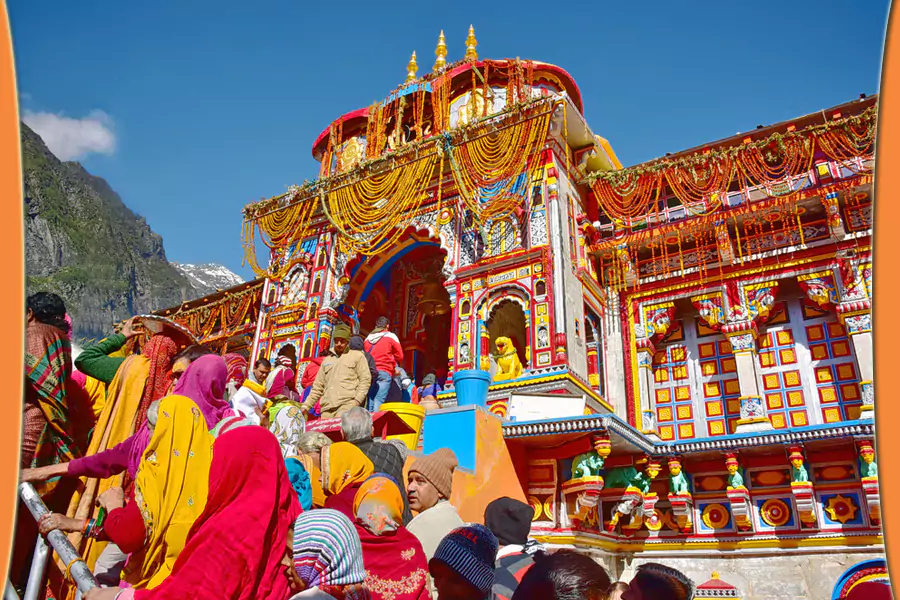
Most pilgrims recommend visiting Chardham during summer. From late April to June, the roads open, the weather turns pleasant, and all four shrines—Yamunotri, Gangotri, Kedarnath, and Badrinath—welcome devotees. By the end of April, snow begins to melt, locals return, shops reopen, and the Yatra gains full pace.
Daytime temperatures stay comfortable, while evenings in Kedarnath and Badrinath turn chilly but manageable with light woolens. The absence of rain makes travel safer, with clear roads, steady treks, and smooth access to temples. Many devotees choose Akshaya Tritiya for the Yatra, as it marks temple openings and special rituals.
Why Summer is the Best Season:
- Clear roads, no snow or rainfall issues
- Easy availability of hotels, ponies, and guides
- Kedarnath trek is less challenging
- Temples appear fresh, vibrant, and spiritually charged
May brings heavy crowds due to school holidays and favorable weather. Those seeking a quieter experience can plan in late April or early June to avoid peak rush while enjoying ideal conditions.
Useful Tips:
- Book hotels and taxis in advance
- Carry warm clothes for evenings
- Keep water, glucose, and ORS packets handy
- Start treks early in the morning
- Walk at your own pace and rest when needed
In short, summer offers the safest, smoothest, and most family-friendly time for Chardham Yatra. The entire route comes alive, and the temples radiate spiritual energy, making it the perfect season for first-time and returning Yatris alike.
Monsoon Season (July to Mid-September)
Monsoon is not the best time for Char Dham Yatra. From early July to mid-September, the mountains receive heavy rainfall, which often leads to landslides, roadblocks, and delays. Many travelers face interruptions, with some unable to complete the journey.
While some pilgrims still travel during this season, it is not suitable for everyone—especially families with children or elderly members. The main concern is road safety. Weather in the hills changes quickly; a clear morning can turn into a rainy afternoon, blocking routes without warning. Even helicopter services remain suspended during bad weather.
Common Challenges in Monsoon:
- Landslides blocking roads for hours or days
- Slippery treks, especially on the Kedarnath route
- Wet and muddy paths making walking difficult
- Medical aid taking longer to reach remote areas
- Sudden delays and trip cancellations
Tips for Those Traveling in Monsoon:
- Carry a raincoat, waterproof shoes, and extra clothing
- Keep buffer days for unexpected delays
- Avoid late-night travel or risky shortcuts
- Choose stays in towns with better facilities
- Check daily weather updates before moving
The Yatra during monsoon is possible but requires extra patience and preparation. For a smoother and safer journey, most pilgrims prefer to wait until the rains are over.
Autumn Season (Mid-September to November): The Peaceful Window
After the monsoon ends, autumn brings clear skies and calm weather to the Himalayas. From mid-September to November, the Chardham Yatra route feels peaceful and refreshing. The air is crisp, the paths dry, and the overall journey becomes more relaxed. For many, this is one of the most beautiful times to visit, free from crowds and weather-related worries.
The heavy summer rush is gone. The mountains look washed and clean, with blue skies above and trees turning shades of orange and yellow. The atmosphere feels serene, and even locals consider this time special. Days stay pleasant, mornings are cool, and nights gradually turn colder by late November. Snow hasn’t arrived yet, but you can sense winter approaching. Pilgrims who prefer quiet surroundings often choose this season.
Why Autumn is Ideal:
- No heavy crowds like in May–June
- Clear skies and stable weather
- Dry trails make trekking easier
- More time for darshan without being rushed
- Hotels and services remain available at fair prices
Guides, ponies, taxis, and food stalls continue to operate until the official yatra closes in November. Autumn is also a good option for those who missed the summer season or want to avoid school holiday crowds. Photographers and nature lovers especially enjoy this period, as the landscape looks vibrant and colorful.
Tips for Autumn Pilgrims:
- Carry warm clothes, socks, and gloves
- Keep a torch for early sunsets
- Begin your journey early to avoid cold nights
- Stay near the dhams for convenience
- Avoid late November, when snow becomes more likely
Autumn offers a quiet, clean, and scenic Chardham Yatra. If you want peaceful darshan with beautiful views and fewer people, this is the perfect time to travel.
Winter Season (December to March): Temples Remain Closed
From December to March, the Chardham temples remain shut as the entire region gets buried under heavy snow. Roads close, temperatures drop below freezing, and safe travel becomes impossible during these months.
As soon as November ends, winter sets in quickly. Cold winds sweep the mountains, water sources freeze, and even locals move downhill to survive the harsh conditions. Kedarnath and Badrinath get completely snowbound, leaving the towns deserted. During this time, temple priests shift the deities to their winter homes in villages like Ukhimath and Joshimath.
Why Temples Close in Winter:
- Heavy snowfall blocks roads and pathways
- Extreme cold with sub-zero temperatures
- Unsafe treks due to icy and slippery routes
- Helicopter and taxi services stop running
- Locals migrate to lower altitudes for safety
The official Yatra season ends before winter arrives, ensuring pilgrims travel only when conditions are safe. However, worship doesn’t stop entirely. The deities are moved to their winter abodes, where rituals continue without interruption:
- Lord Kedarnath is worshipped in Ukhimath
- Lord Badrinath shifts to Joshimath
- Goddess Yamunotri and Goddess Gangotri idols are placed in nearby villages
Devotees can still visit these winter homes to seek blessings until the temples reopen in spring.
Weather Conditions at Each Dham Throughout the Year
| Popular CharDham Yatra Packages 2026 |
| Dham |
Best Season |
Temperature Range |
Winter Status |
| Kedarnath |
May–June, Sept |
0°C to 20°C |
Closed |
| Badrinath |
May–June, Sept–Oct |
5°C to 25°C |
Closed |
| Gangotri |
May–June, Sept–Oct |
10°C to 20°C |
Closed |
| Yamunotri |
May–June, Sept |
10°C to 25°C |
Closed |
Ideal or Best Time to Visit Char Dham Yatra in 2026
The best time for Char Dham Yatra is during summer, from May to June, when the weather stays pleasant and safe for travel. Another good period is from September to mid-November, after the monsoon ends and before the winter chill sets in. It is best to avoid monsoon due to frequent landslides and winter because of extreme cold and blocked routes.
Benefits of Visiting Char Dham at the Right Time:
- Safer and risk-free journey
- Minimal chances of unwanted delays
- Comfortable travel with fewer uncertainties
- Peaceful darshan at all four shrines
Plan your Yatra in April, May, or June to enjoy a smooth trip and create refreshing memories. Book your Char Dham Yatra package with a trusted travel agency for a well-organized journey from Haridwar or other starting points.
How to Plan a Chardham Yatra
A well-planned Yatra ensures a peaceful and enjoyable experience. Here are some tips to help you prepare:
- Check temple opening dates 2–3 months before your trip and decide the best time to travel (May and June are ideal).
- Choose the right mode of transport—road, train, or air—based on your convenience and study the route map in advance.
- Pack wisely according to the season. Carry woolens for all months; heavier woolens are essential if traveling in October or November.
- Carry a medical kit with basic medicines, painkillers, ointments, and your daily prescriptions, as medical shops are limited in the region.
Conclusion: When Should You Visit Char Dham?
In summary, most travelers find the best time to visit Chardham yatra falls between late April and June. Roads stay clear and temples remain open during these months. This makes it the best time to go for Char Dham yatra. However, if you prefer peaceful surroundings with smaller crowds, the best month for Chardham yatra is September through early October. When people ask about 4 dham yatra best time, we suggest April–June for complete temple access or September for peaceful journeys.
Keep in mind, the best time to visit Chardham yatra varies by traveler. Traveling with elders or kids? Select the best season for Char Dham yatra when roads are in good condition. Looking for budget options and available hotels? Monsoon offers lower prices, but it isn’t the best season to visit Char Dham. Always verify official temple opening and closing dates before making reservations. Whether you plan your chardham yatra by helicopter or by road, make bookings early and complete your registration.
Lastly, consider your health needs and travel preferences. Want beautiful mountain views and secure journeys? Choose the best month to visit Char Dham carefully. Seeking tranquility and easy temple visits? Go during less busy months. Simply put, understand your priorities, select the best time for Char Dham yatra that suits you, and enjoy your pilgrimage with safety and happiness.
Frequently Asked Questions
Q1. What is the best time to visit Kedarnath?
The best months to visit Kedarnath are May, June, September, and October.
Q2. How many days are required for the Char Dham Yatra?
By road, the Char Dham Yatra usually takes 12–15 days. If you choose to travel by helicopter, the journey can be completed in 4–6 days.
Q3. Is Char Dham Yatra difficult?
Yes, Char Dham Yatra is considered challenging because of steep treks and high altitude. Some travelers may face breathing issues. Heart patients, those with respiratory problems, and pregnant women are advised to avoid the Yatra. Always consult a doctor if you have medical concerns.
Q4. In which month is Kedarnath less crowded?
Kedarnath sees fewer visitors from June to September due to monsoon rains. However, this season is risky because of landslides, floods, and heavy downpours.
Q5. How much does a Char Dham Yatra by helicopter cost?
The average cost of Char Dham Yatra by helicopter is around ₹1,90,000 per person (exclusive of taxes). The trip covers Yamunotri, Gangotri, Kedarnath, and Badrinath in 6 days and 5 nights.
Q6. Which month is best to visit Badrinath?
Badrinath Temple opens in April and closes in October or mid-November. The best time to visit is April to June and September to October. Monsoon and winter should be avoided due to unsafe conditions.
Q7. Which Dham should I visit first?
It depends on your starting point, but traditionally the Yatra begins from Yamunotri, followed by Gangotri, Kedarnath, and Badrinath.
Q8. In which month does Kedarnath Temple open?
Kedarnath Temple usually opens in late April or early May and closes in October or mid-November, depending on weather conditions.
Q9. Can we trek at night in Kedarnath?
Yes, night trekking is allowed, but temperatures drop to 2–3°C or even below zero. If you cannot complete the trek late in the evening, you can take ponies or palkis, or stay overnight at camps in Jungle Chatti, Bheem Bali, or Linchauli.
Q10. Are kids allowed in Char Dham?
There is no official age restriction, but due to high altitude and breathing issues, it is generally recommended for children above 10 years of age.
Q11. Which is the best month to visit Gangotri?
The best time to visit Gangotri is in April and May. Summers here remain pleasant, with temperatures not exceeding 30°C, though nights stay very cold.
Q12. What is the best time to visit Badrinath?
May, June, September, and October are considered the best months for visiting Badrinath.
Q13. When is Kedarnath less crowded?
September and October are the months when Kedarnath experiences fewer crowds.
Q14. How much time do you need for Char Dham Yatra?
On average, the Char Dham Yatra takes around 11–12 days to complete by road.
Q15. What is the best way to reach Kedarnath?
The fastest and most convenient way to reach Kedarnath is by helicopter. You can also opt for a same-day Do Dham Yatra by helicopter.